Sunday, October 24, 2021

Guide to Eye Infections - Types, Causes, Worrying Symptoms

Eye infections are usually easy to spot because of persistent itching, apparent redness, and other bothersome symptoms. The tricky part is knowing to distinguish a simple case of pink eye from a dangerous eye infection that has the potential to cause permanent vision loss. The human eye is an extremely complex organ that consists of 10 general components, any of these parts can become the breeding ground for various germs - bacteria, viruses, and even fungi.
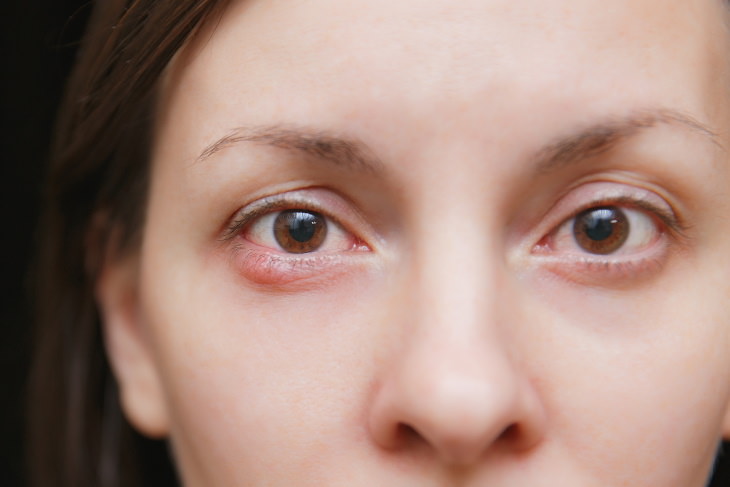
While minor eye infections can heal on their own, others can inflict serious damage and need urgent medical care. In this article, we review 6 common types of eye infections and the signs of a dangerous eye infection.  
 
6 Common Types of Eye Infections 
 
Conjunctivitis  Eye Infections Conjunctivitis
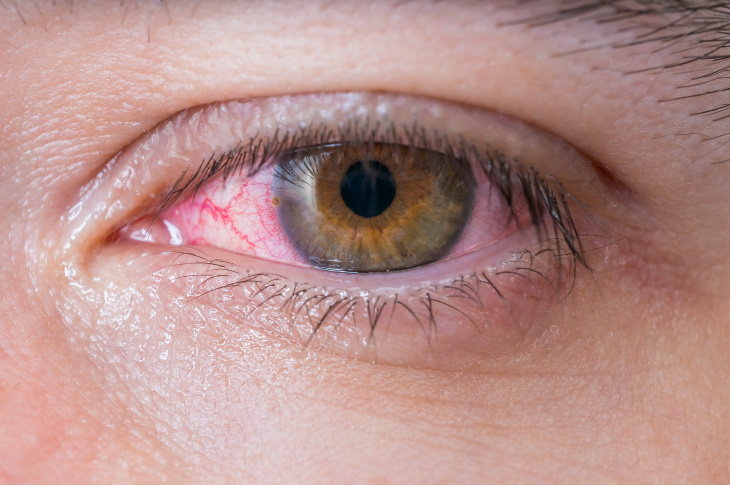
Also known as pink eye, conjunctivitis is the infection of the conjunctiva, a thin clear membrane that protects the eyelid. Pink eye is by far the most widespread and well-recognized eye infection. Most cases of pink eye are caused by viruses, but bacterial and allergic conjunctivitis are also common. 
 
In most cases, conjunctivitis is easy to spot because it makes the eye turn pinkish and produces a viscous discharge that is the thickest when you wake up. The good news is, most cases of pink eye will go away on their own within days or a few weeks, although you may need to get antibiotic eye drops to clear up bacterial conjunctivitis.
 
Blepharitis 
Blepharitis is an inflammation of your eyelids. It occurs when the tiny oil glands at the base of your lashes get clogged up. Patients with blepharitis experience burning in the eyes and they may notice dandruff-like flakes or crusts along the waterline and lashes. Blepharitis can also make your eyes sensitive to light and cause blurry vision. 
 
People with oily skin, dandruff, and rosacea are more likely to get this condition. Since most cases are bacterial, you’ll likely need special eye drops to recover from blepharitis. 
 
Styes and Chalazia 
Eye Infections Stye
Both of these conditions affect the eyelids and look very similar, although a chalazion is a blocked oil gland and a stye is an infection of the eyelash follicle. The conditions appear as swelling or red bumps on the eyelids that are itchy and painful to the touch. 
 
Both styes and chalazia are usually not an emergency and can be treated at home by applying a clean, warm, damp compress to the affected eye for 20 minutes several times a day. It should disappear in about a week. However, some chalazia can grow so large that they limit your vision and may require surgical removal.

Keratitis  
Keratitis affects the cornea, a transparent domed membrane of the pupil and iris. Any type of germ, be it a virus, bacterium, fungi, or parasite can trigger keratitis, and the dangerous condition can cause lasting vision damage if ignored. Note: severe dry eye can also lead to keratitis. 
 
Corneal infections are extremely painful and accompanied by redness, swelling, blurry vision, and light sensitivity. Keratitis is a medical emergency that requires urgent diagnosis and treatment. If you don’t treat keratitis, it will get worse and may lead to blindness.  
 
Uveitis  Eye Infections man with red eyes
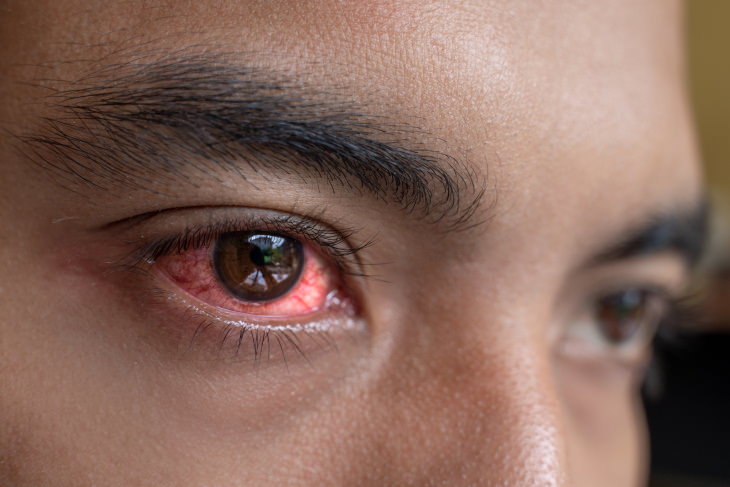
Uveitis is an inflammation of the center of the eyeball - the uvea - that supplies blood to the retina, the part of your eye that perceives visual information. Eye injuries, viruses, and immune conditions like rheumatoid arthritis make you more likely to develop uveitis. 
 
The condition causes light sensitivity, blurry vision, “floaters” in the visual field, and redness that can come and go. Uveitis doesn’t always cause pain - so it’s more likely to be reported later. If you experience any of these symptoms, seek medical help, as uveitis can damage vital tissues and cause blindness. 
 
Endophthalmitis 
Our eyeballs are filled with two types of fluids that help maintain the shape of the eye. When those fluids become infected, a condition called endophthalmitis develops. This can happen as a result of eye injury or as a complication of eye surgery. Endophthalmitis is characterized by blurry vision, pain, redness in and around the eye, sensitivity to lights, and partial or complete vision loss. 
 
Since the condition can develop very fast, these symptoms shouldn’t be ignored and always requires urgent medical care to prevent blindness or vision loss. 
 
What are the common symptoms of an eye infection?  
We have already outlined some of the main symptoms of eye infections above, but here is a concise list that may further help you. Note that symptoms can occur in both eyes or one eye only. We marked the signs that require emergency care as urgent.  
 
What you may feel: 
Pain 
 
Itchiness 
 
Burning 
 
A feeling that there is something in your eye 
 
Light sensitivity 
 
Your eyelid is painful or tender when you touch it 
 
Fever 
 
Swollen lymph nodes on the neck.  
 
What you may see: 
Your eyes produce more tears 
 
Yellow, clear, or green discharge 
 
Crustiness around the eyelashes or corner of the eye 
 
The "whites" of your eyes are pink or red 
 
Swollen or red eyelids 
 
Hypopyon - a yellow or greenish substance at the bottom of the iris (the colored part of the eye), (urgent) 
 
Cloudy cornea (urgent). 
 
Changes in vision: 
Blurry vision (urgent) 
 
“Floaters” in the visual field 
 
Vision loss (urgent). 
 
What are the causes of eye infections?
Eye Infections contact lenses
Contact lens wearers, smokers, and people with weakened immune systems have a higher risk of eye infections. The most common causes of eye infections are as follows: 
 
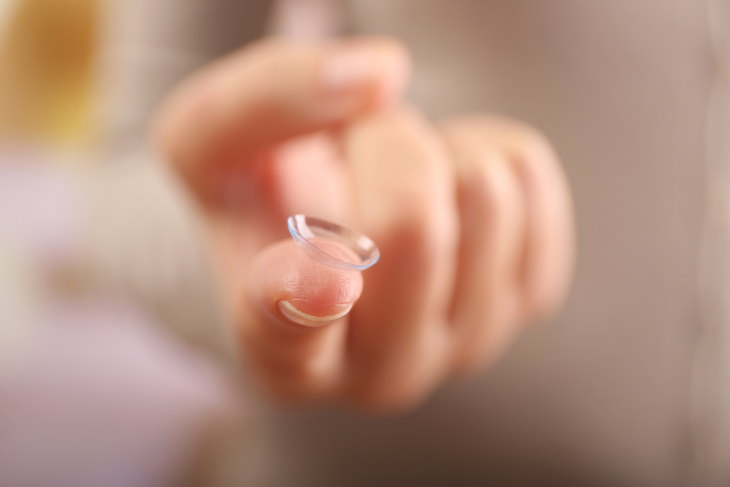
- Contaminated contact lenses - storing contacts improperly is one of the most common causes of eye infections ranging from pink eye to keratitis. The same can happen if you wear contacts too long or sleep in your contacts. 
 
- Eye injuries or complications of eye surgery, such as cataract removal. 
 
- Using expired or contaminated eye makeup.  
 
- Washing your face with contaminated water. 
 
- Not washing your hands after frequenting public spaces, especially restrooms. 
 
- Other people - you can get conjunctivitis by coming in contact with other people 
who have it. 
 
In summary, there are so many common eye infections most of us have never even heard of. While some of these infections - like styes or conjunctivitis - are no cause for concern and will go away on their own, others can develop very quickly and lead to permanent vision loss. If you experience blurry vision, severe pain, persistent redness, or vision loss, seek emergency care immediately.

This is only for your information, kindly take the advice of your doctor for medicines, exercises and so on.   

https://gscrochetdesigns.blogspot.com. one can see my crochet creations  
https://gseasyrecipes.blogspot.com. feel free to view for easy, simple and healthy recipes    
https://kneereplacement-stickclub.blogspot.com. for info on knee replacement


Labels: , , , , , , , , , , ,

Thursday, February 20, 2020

Eyes and Vision Facts and Information

The human eye is one of the most complex organs we have in our body and enables the most important sense in our nature: vision. It provides food for our memory, a sharp definition of the world around us, and astounding capabilities that are beyond unbelievable. If you're curious to know more about the human eye (and you certainly should be), here are 17 facts that will boggle your mind.
eye-facts

eye-facts
eye-factseye-facts
eye-factseye-facts 
eye-facts
eye-facts
eye-factseye-facts
 eye-facts
eye-factseye-factseye-facts 
eye-facts
eye-factseye-facts 
 This is only for your information, kindly take the advice of your doctor for medicines, exercises and so on.     

https://gscrochetdesigns.blogspot.com. one can see my crochet creations  
https://gseasyrecipes.blogspot.com. feel free to view for easy, simple and healthy recipes    
https://kneereplacement-stickclub.blogspot.com. for info on knee replacement


Labels: , , , , , , , , , , , , ,

Sunday, August 26, 2012

10 SELF CHECKS WHICH WOMEN SHOULD DO EACH MORNING

Your Nails 
If you see dark lines on the nail beds 
It could mean Texas-sized moles aren't the only red flags for skin cancer--the disease can also develop under your nails. Yellowish, brown, or black stripes are a sign of cell damage, possibly from melanoma, the deadliest form of skin cancer.


With early detection and treatment, though, about 95 percent of cases are curable, so have your dermatologist take a second look. 


If you see bright white stripes
 
It could mean everyone gets white spots on their nails from time to time (usually it's a sign that you banged your finger in a drawer), but If you see long horizontal bands of discoloration on the nail's surface and you've been feeling fatigued lately, it could be bad news for your kidneys. 

These bands can be a signal that the kidneys aren't able to filter out protein from your urine. That means your body is losing protein faster than you can shovel in filet mignon--and that can lead to kidney failure. Visit your doctor ASAP for a urine test. 

Your Armpits 
If you see a patch of rough, dark skin 
It could mean Unless you've been going overboard with the self-tanner, you could have diabetes. Excess insulin in your bloodstream can cause skin cells to multiply abnormally fast, leading to a buildup of tissue and melanin. 

This makes the skin look darker and feel thicker. It most commonly occurs in the armpits, neck, or groin. A simple blood test can determine whether you have the disease.


Your Eyelids, Knees, And Elbows 
If you see small, soft lumps that look white or waxy 
It could mean the good news: It's not a zit. The bad news: These are small deposits of cholesterol. 

Unfortunately, "by the time they appear, your cholesterol levels are probably sky high; this is a serious risk factor for heart disease." Yet reducing your numbers by just 10 percent slashes that risk by as much as a third. 

See your doctor for a cholesterol check, and ask her about lifestyle changes or prescription drugs that can get your levels down. 


Your Scalp 
If you see thinning hair 
It could mean could you fashion one of Britney's weaves out of the hair clogging your drain? Excessive hair loss is a common indicator of a thyroid disorder.


When your thyroid (a gland in the middle of your neck) is out of whack, it can disrupt the balance of male and female sex hormones. The result: More strands in your brush and hair that feels coarse and brittle.

Your doc can measure the amount of thyroid-stimulating hormone in your blood--if you have too much or too little, you'll need medication to regulate it. 

If you see your scalp shedding like a snake 
It could mean If skin flakes have suddenly made your shoulders look like the Alps in February, it could be due to your to-do list. An intense load of stress causes your body to produce excess amounts of the hormone cortisol. "In addition to wreaking havoc on your immune system (making you more vulnerable to colds) and your metabolism (making you pack on pounds), cortisol can also dry out your scalp." 

A drugstore dandruff shampoo will deflake your locks, but unless you want a permanent case of shoulder snow, try to get more sleep, breathe more deeply, and loosen up your overpacked schedule. 


Your Belly 
If you see thick, dark hair (or stubble) in a diamond shape 
It could mean is that forest sprouting on your abs thick enough to hide a family of hobbits? Dense, coarse hair that extends up toward your belly button (rather than growing downward from the top of the pubic bone) could be a sign of polycystic ovarian syndrome (PCOS).

Caused by overproduction of androgens, the condition can lead to irregular or heavy periods, weight gain, acne, and thick, dark hair on the belly, face, chest, and back. As many as one in 10 women have PCOS, which can be a risk factor for serious problems like infertility and heart disease. 
If you have symptoms, see your ob-gyn; she might prescribe birth control pills to get your hormones back in check. 


Your Tongue
 
If you see a white, yellow, or orange coating
 
It could mean if your licker looks as if someone painted it with bright-colored gunk, you could be spilling your gut in your sleep, Fryhofer says. Normally, a one-way valve at the bottom of the esophagus makes sure that whatever goes down doesn't come back up. Acid reflux occurs when this valve opens spontaneously and the contents of your stomach make a break for your throat, leaving your tongue coated in digestive acids and you with a serious case of Godzilla breath. 

Most reflux can be treated with OTC antacids or simply by avoiding acidic and spicy foods; if those measures don't work, see your doctor. You may need prescription meds to reduce your body's production of stomach acid. 

Your Eyes
 
If you see undereye circles that won't go away 
It could mean unless you've taken a second job at the midnight trucking radio network, a sudden onset of dark rings could be chalked up to allergies. The chain reaction,  goes like this: An allergen hits your body, which in response releases histamine; this chemical makes blood vessels swell with blood and other fluids, and voila: Dark patches show up where the skin is thinnest. 


A skin test can determine which allergen is causing your symptoms. 


If you see a yellowish bump on your eyeball 
It could mean no, you haven't developed a rare case of optic acne. Instead, a slightly raised nodule on the white of your eye is a symptom of a harmless condition called pinguecula. It's nothing more than an overgrowth of collagen triggered by damage from sun, wind, or dust.


Keep your eyes moist with lubricating drops and don shades anytime you're outdoors (make sure your specs offer 100 percent protection against UVA and UVB rays) to prevent the bump from growing larger. 

Labels: , , , , , , , , , , , , , , , ,