Friday, February 16, 2024

What are the Benefits and Uses of CBD Oil?

As more states legalize the use of marijuana, a product known as CBD oil has increased in popularity. There is a chemical compound found in the cannabis plant, CBD, or cannabidiol. This is non-intoxicating and does not cause the noticeable euphoric effects associated with tetrahydrocannabinol, also known as THC, another marijuana compound. Bear in mind that products marketed as CBD oil may contain THC.
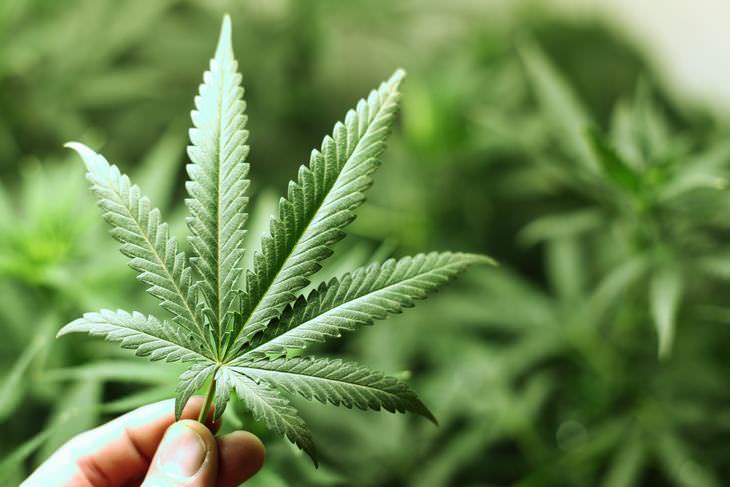
cbd oil
It is believed that CBD might affect your health by attaching to receptors in the body's endocannabinoid system - a complex biological system that is involved in maintaining certain aspects of your health. Emerging research illustrates that endocannabinoids may play a role in regulating such functions as memory, sleep and mood, and also metabolic processes like energy balance. When you purchase CBD oil, what you are getting is a carrier oil which contains CBD and other active compounds. CBD oil comes in many forms, including soft gel capsules, tinctures, and under-the-tongue sprays. There are some forms of CBD oil which can be directly applied to the skin. They come in the form of products like creams and salves. The concentration of CBD varies from product to product. 
 
Uses 
It has been claimed that CBD oil can treat a wide variety of health issues that range from everyday ailments to chronic medical conditions. 
 
These issues include: 
Acne 
 
Anxiety 
 
Chronic pain 
 
Depression 
 
Epilepsy 
 
Glaucoma 
 
Insomnia 
 
Loss of appetite and body weight 
 
Muscle spasms 
 
Parkinson's disease 
 
CBD oil has also been said to promote sounder sleep. It can reduce inflammation and pain, fight oxidative stress, improve heart health, support weight loss and protect against some forms of cancer. 


The benefits 
CBD oil is used for various health-related purposes, but there isn't a great deal of research on the oil's potential health benefits. But, there is significant support for its effectiveness in the treatment of some forms of epilepsy. In fact, the FDA approved a drug used for epilepsy, Epidiolex, a drug made with a purified form of CBD oil, in June 2018. This drug is used for the treatment of seizures associated with two rare and severe forms of epilepsy in patients two years of age and older. It is the first-FDA-approved drug that contains a purified drug substance derived from marijuana. 
 
In addition, CBD has also shown promise in the treatment of anxiety disorders, according to a report published in the journal Neurotherapeutics in 2015. When looking at results from experimental research, clinical trials and epidemiological studies, the authors discovered evidence that CBD may help treat generalized anxiety disorder, panic disorder, social anxiety disorder, obsessive-compulsive disorder, and post-traumatic stress disorder. However, the authors caution that human-based research on CBD and anxiety is rather limited at this point. 
 
Furthermore, a small study published in the journal JCI Insight in 2017, discovered that CBD may help prevent stress-related changes in blood pressure, affecting heart health. The study examined nine healthy male volunteers who took a single dose of either CBD or a placebo. In comparison to those given the placebo, those treated with CBD had lower blood pressure before and after experiencing a stressful event.

This is only for your information, kindly take the advice of your doctor for medicines, exercises and so on.   

https://gscrochetdesigns.blogspot.com. one can see my crochet creations  
https://gseasyrecipes.blogspot.com. feel free to view for easy, simple and healthy recipes    
https://kneereplacement-stickclub.blogspot.com. for info on knee replacement
https://cancersupportindia.blogspot.com  for infor on cancer and health related topics
https://GSiyers home remedies.blogspot.com   is the latest addition to my blogs. I'm going to add posts there, do give me your valuable feed back on my blogs. Thanks a lot, take care, be healthy and be happy.


Labels: , , , , , , , , , , , ,

Sunday, January 09, 2022

How to Protect Your Vision

If you’ve never had issues with your eyesight, then you probably have not given much thought to treating your eyes right. However, since they are some of our most important organs, it really is never too early to start taking care of your eyes, and here are ten points to keep in mind when doing so: 
 
1. Protect your eyes from the sun
eye problems
The skin that surrounds your eyes is very thin and susceptible to ultraviolet radiation. Different types of skin cancer, such as carcinoma and melanoma, are able to form in your eyelids and around your eyes, which can cause a lot of damage to the eye structure. 
 
Your sunglasses are also important, and you should buy a pair that gives you 100% protection from both UVA and UVB rays since they are both able to stimulate issues that cause macular degeneration and cataracts, both common causes of blindness.


2. What you eat matters
eye problems
Eating well is the best way to ensure proper eye care, says Rebecca Taylor, M.D., an ophthalmologist at Nashville Vision Associates in Tennessee, and spokesperson for the American Academy of Ophthalmology. She also says that you should try to get most of your nutrients from food. 
 
Green leafy vegetables provide your body with the nutrients zeaxanthin and lutein, both of which have been shown to decrease the risk of eye diseases. The vitamin A that orange and yellow vegetables contain also boost eye health, while certain fruits, such as mangoes, oranges, and strawberries provide your eyes with a healthy dose of vitamin C and other antioxidants.

3. Comprehensive eye exams detect vision problems early
Getting your eyes tested regularly is the best way to catch a range of eye issues, like glaucoma or diabetic eye disease. Most people with ocular issues, or those over 65, should see their eye doctor at least once a year to ensure that their sight hasn’t changed at all. People between 40 and 55 should take an eye exam every 2 to 4 years, while those between 55 and 65 should take one every 1 to 3 years. 
 
4. Smoking now can cause eye issues later
“Get off tobacco in any form,” Taylor says. Smoking causes cyanide to enter into your bloodstream, which is known to kill the eye’s cells. Smoking puts you at an increased risk of cataract development and will make your eyes dry out. What's more, it also increases your risk of developing macular degeneration, which is an incurable condition that harms center eye vision, according to the Centers for Disease Control and Prevention (CDC).

5. Working on a computer all day could give you dry eyes
eye problems
According to Steven Loomis, OD, of Roxborough Park, Colorado, president of the American Optometric Association, one of the most common symptoms of dry eyes is an eye that waters. This is due to the deterioration of the oily and mucous layers, which prevents the evaporation of tears, thereby causing the eye to compensate by producing more water. Dry eyes might also be caused by certain medications, such as antidepressants, inflammation, or even hormonal changes. 
 
To treat dry eyes, try the 20-20-20 rule, which is recommended by the Mayo Clinic - Every 20 minutes, spend 20 seconds looking at something that's at least 20 feet away. A warm compress could also help, as can artificial tears that help deal with tired eyes. 
 
6. Diabetes is the leading cause of blindness in the USA
Preventing diabetes is the most effective way to avoid diabetic retinopathy, which has been found to be the most common cause of blindness in the United States. In fact, 60% of patients with Type II diabetes will end up developing it, while almost all people with Type I diabetes end up developing it. 
 
Even though no symptoms appear during its early stages, it is very important to catch retinopathy as early as can be. With time, your vision may blur and you could even end up completely blind. Controlling blood sugar, cholesterol, and blood pressure can prevent it from getting worse. This condition can be treated through laser surgery, which can lessen the chances of further blindness.

7. After 60, macular degeneration is a major cause of blindness
eye problems
Macular degeneration takes place when eye tissue begins to degenerate, leading to blurriness or loss of vision in the center of the eye. There are two distinct types of macular degeneration: dry and wet. If vision loss is caused by retinal fluid, then eye injections can treat it. 
 
Unfortunately, most cases are dry, for which no treatment is available. Risk factors for macular degeneration include smoking, a family history of the condition, lutein and zeaxanthin deficiencies, and not wearing sunglasses. 
 
8. Cataracts are common but highly treatable
Cataracts are a typical part of aging and usually appear around the age of sixty. Typical signs of a cataract include seeing faded colors, blurred vision, glare, double vision, and reduced night vision. Cataracts are linked to exposure to UV radiation or certain types of radiation therapy, such as the ones used in cancer treatment. Certain drugs such as prednisone may also increase the risk of cataract development. Luckily, cataracts are often very easy to cure. 
 
9. Damage to the optic nerve causes glaucoma
Glaucoma is renowned for being secretive and insidious, and the only way to detect it is through an eye test. It occurs when pressure builds up and starts to harm the optic nerve. The condition progresses very slowly, Loomis says, and it can take years for the nerve damage to become severe enough to cause vision problems. 
 
The risk is higher for diabetics or those with a family history. In most cases, treatment includes a daily eye drop to reduce eye pressure. If the drops fail to provide any tangible improvement, then surgery may be the only choice left. 
 
10. Your eyes tell a lot about your health
eye problems
Your eyes actually act as an indicator of your overall health condition. Dry eyes can be symptomatic of lupus, rheumatoid arthritis, or even thyroid disease. Blurred vision could be indicative of diabetes or a tumor, and itchy eyes may be caused by an allergic reaction to contact lenses.

This is only for your information, kindly take the advice of your doctor for medicines, exercises and so on.   

https://gscrochetdesigns.blogspot.com. one can see my crochet creations  
https://gseasyrecipes.blogspot.com. feel free to view for easy, simple and healthy recipes    
https://kneereplacement-stickclub.blogspot.com. for info on knee replacement

Labels: , , , , , , , , ,

Wednesday, November 10, 2021

Air pollution can play havoc with your eyes. Here’s how

Higher levels of air pollution in general can lead to eye conditions like conjunctivitis, eye irritation or dry eye.(Pixabay)                                                                   

As post Diwali air pollution continues to make news and raise concerns, it is important to safeguard ourselves from the side-effects of toxic pollutants that can cause respiratory disorders, lung cancer, brain or kidney damage and heart disease in long run. 

Higher levels of air pollution in general can lead to eye conditions like conjunctivitis, eye irritation or dry eye. Dry eye is a condition where your eyes don't produce enough tears to lubricate your eye.

"Effect of air pollution or eyes manifestation of air pollution can range from minimal symptoms to chronic discomfort and eye irritation. Common symptoms include itching, irritation, chronic discomfort, dry eye syndrome," says Dr Sheetal Ballal, consultant- Ophthalmology, Manipal Hospital, Old Airport Road.

Symptoms are higher among contact lens wearers. Poor air quality can accelerate pre-existing dry eye disease, she says.

Apart from the above-mentioned eye conditions, high levels of air pollution can also increase risk of age-related macular degeneration as the pollutants may enter bloodstream and damage the small blood vessels within the eye. Studies also suggest that pollution can increase our risk of developing an eye condition called glaucoma that can cause blindness.

Can pollution lead to permanent loss of vision?

There have been instances when people have lost their eyes due to eye allergies, one of the conditions that occur due to air pollution.

"Pollutants are very common causes for eye allergies and dry eyes. Disruption of protective atmospheric UV layer increases risk of retinal damage (ARMD) and visual loss. One of my young patients, an 18-year-old girl lost one eye permanently. She had developed eye allergies. She had shifted to Mumbai from her hometown. We had asked her to use steroid eye drops for 1 week and to follow up but she self-medicated and came after 6 months with glaucoma and permanent loss of vision in one eye," says Dr Sandeep Kataria, Consultant Opthalmologist, Wockhardt Hospital.

Moving away from the polluted environment can improve eye health and benefit people with eye allergies.

"I see patients’ eyes getting better when they go to their home town during summer vacations. That's a real powerful proof. I also saw a marked decrease in eye allergies during the covid lockdowns," he adds.


Protecting eyes from air pollution

Dr Kataria and Dr Ballal suggest ways to protect your precious eyes from the harmful effects of pollution

* Simple home remedies like frequent cold eye compresses reduce symptoms of eye allergies. 

* Switching to electric vehicles and solar energy are long term solutions to avoid pollution in general. 

* People wearing contact lenses should be more careful since they are more prone to develop additional eye problems. 

* Wear good quality protective glasses to prevent pollutants from entering the eye

* Avoiding outdoors when pollution is at high peak like early morning

* Avoiding contact lens use when air quality is poor washing hands frequently, avoiding rubbing eyes using lubricating eyedrops as prescribed by the eye doctor.

* Detailed eye check is recommended in case there is constant eye irritation.


This is only for your information, kindly take the advice of your doctor for medicines, exercises and so on.   

https://gscrochetdesigns.blogspot.com. one can see my crochet creations  
https://gseasyrecipes.blogspot.com. feel free to view for easy, simple and healthy recipes    
https://kneereplacement-stickclub.blogspot.com. for info on knee replacement

Labels: , , , , , , , , , , , ,