Wednesday, October 26, 2022

6 Best Natural Foods for Vitamin A Deficiency

Vitamin A is a fat-soluble vitamin that's important for many functions in the body. It aids vision, immune system, reproduction, and skin health. The two types of the vitamin found in foods are preformed vitamin A and provitamin A. The former is known as retinol, while the latter is known as carotenoids.

Retinol is present in meat, fish, eggs, and dairy products and is absorbed and used in by the body, which converts carotenoids in plant foods to their active form. Carotenoids are generally found in red, green, yellow, and orange fruits and vegetables. Deficiency is rare in developed countries but is common in developing countries, where people do not get enough vitamin A.

Vitamin A Deficiency

Deficiency of retinol can cause dry skin, as it's important for skin repair and formation of new skin. It also helps fight skin inflammation, which can cause eczema.

Eye problems are commonly related to vitamin - A deficiency. Not getting enough of the vitamin can lead to blindness. People on diets lacking in vitamin A are at risk of developing dry eyes. Supplementing with vitamin A can improve the condition. Severe vitamin A deficiency can lead to night blindness.

Vitamin A deficiency can lead to infertility in both men and women. Its deficiency is also related to miscarriages and stunted growth in children. Frequent infections, especially in the throat or chest, may be a sign of retinol deficiency.

Natural Foods for Vitamin A Deficiency

Deficiency of vitamin A can be prevented by including various common foods rich in retinol or carotenoids in the diet. Six of them are listed below:

1) Organ Meat

Organ meat is rich in bioavailable retinol and has more nutrients than regular meat, making it a good choice for deficient individuals. Organ meats are also rich in other nutrients, such as copper, selenium, manganese, etc. Livers, hearts, and spleens are commonly consumed by many.

2) Red Meat

Red Meat is Nutritious (Image via Unsplash/Sven Brandsma)

Red meat is a rich source of retinol in its bioavailable form and is easily absorbed in the body. Due to the absence of anti-nutrient factors, vitamins are absorbed more easily. Red meat is also rich in heme iron, which is the most bioavailable form of iron for the body and is high in quality protein as well.

3) Cod Liver Oil
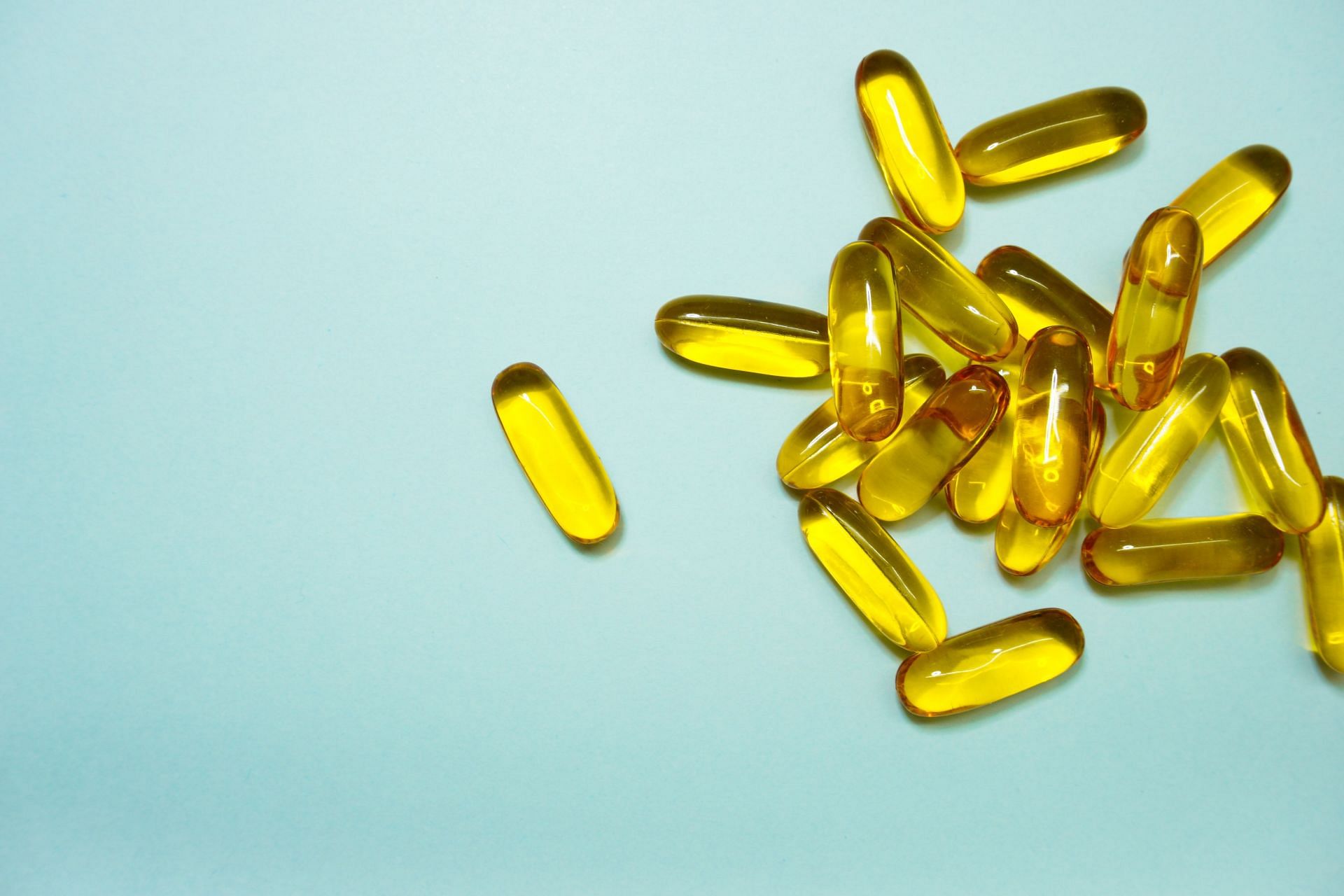
Cod liver oil is a popular supplement (Image via Unsplash/Leohoho)

Fish livers are excellent sources of retinol. One tablespoon of cod liver oil provides 4080 mcg of retinol. Cod liver oil is also an excellent source of vitamin D and boosts immunity and improves bone health. It can also help alleviate depression.

4) Carrot
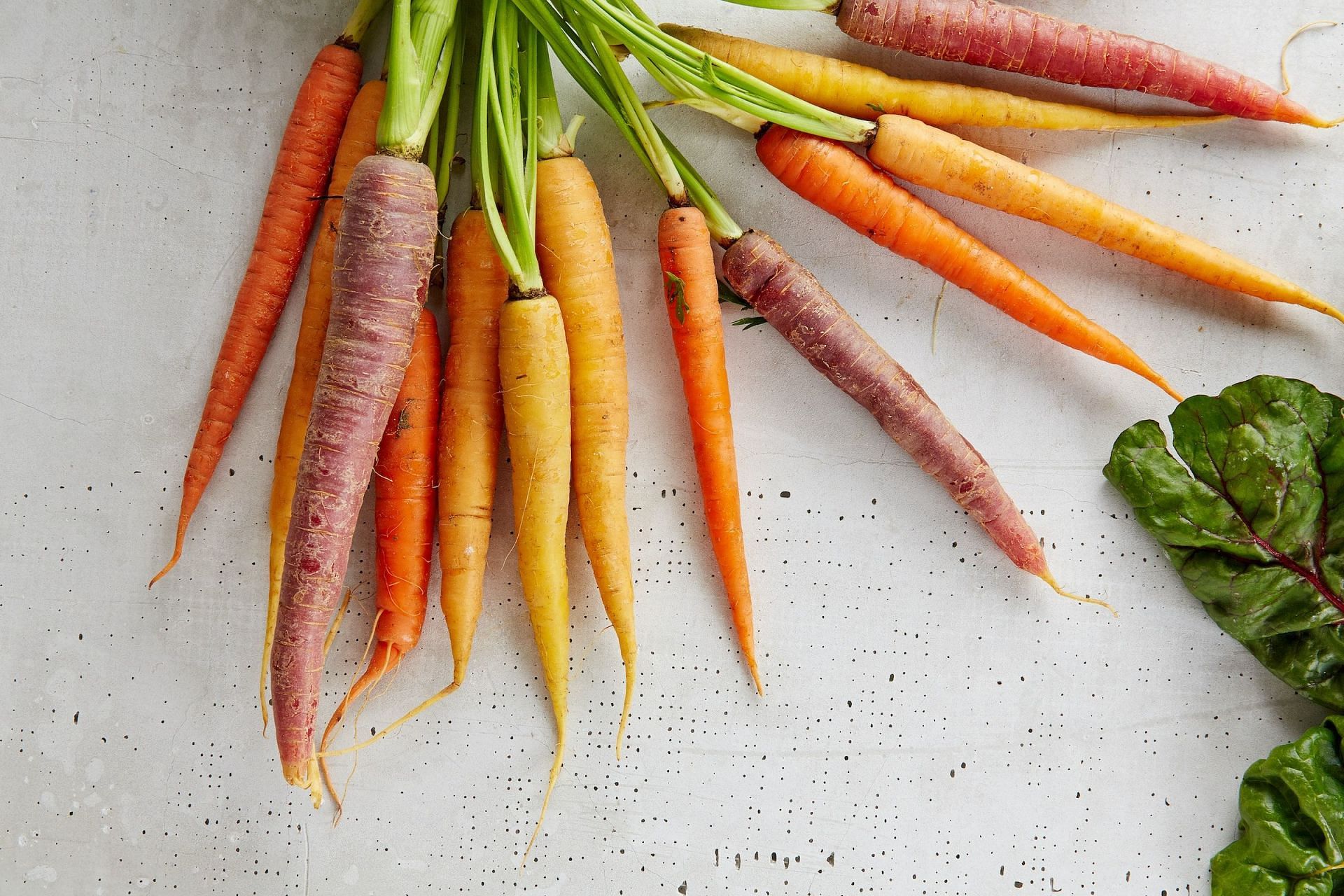
Carrots are high in beta carotene. (Image via Unsplash/Gabriel Gurrola)

Carrots are rich in beta carotene, which is converted by the body to retinol. They are low in calories, making them a healthy choice.

Carrots are also rich in dietary fiber, which keeps the gut healthy and prevents constipation. They are rich in antioxidants that fight oxidative free radicals, which can cause cellular damage and inflammation.

5) Broccoli
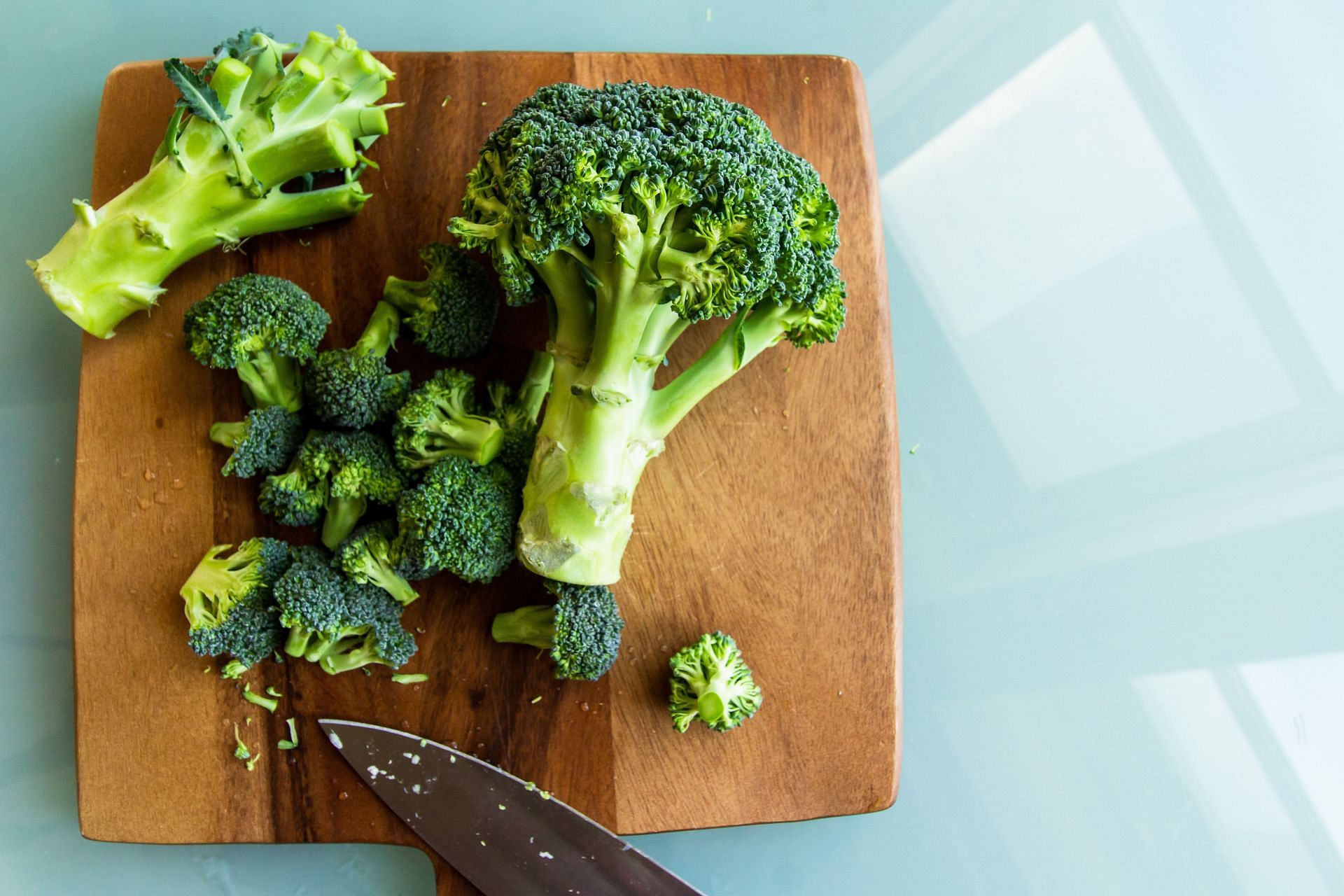
Broccoli is great for weight loss. (Image via Unsplash/Louis Hansel)
Broccoli is great for weight loss.
Broccoli is a rich source of carotenoids along with vitamin K and vitamin C. Vitamin K is required for bone metabolism and blood clotting, while vitamin C is an antioxidant and has anti-inflammatory properties. It's also beneficial in weight loss.

6) Spinach

Spinach is a superfood. (Image via Unsplash/Louis Hansel)

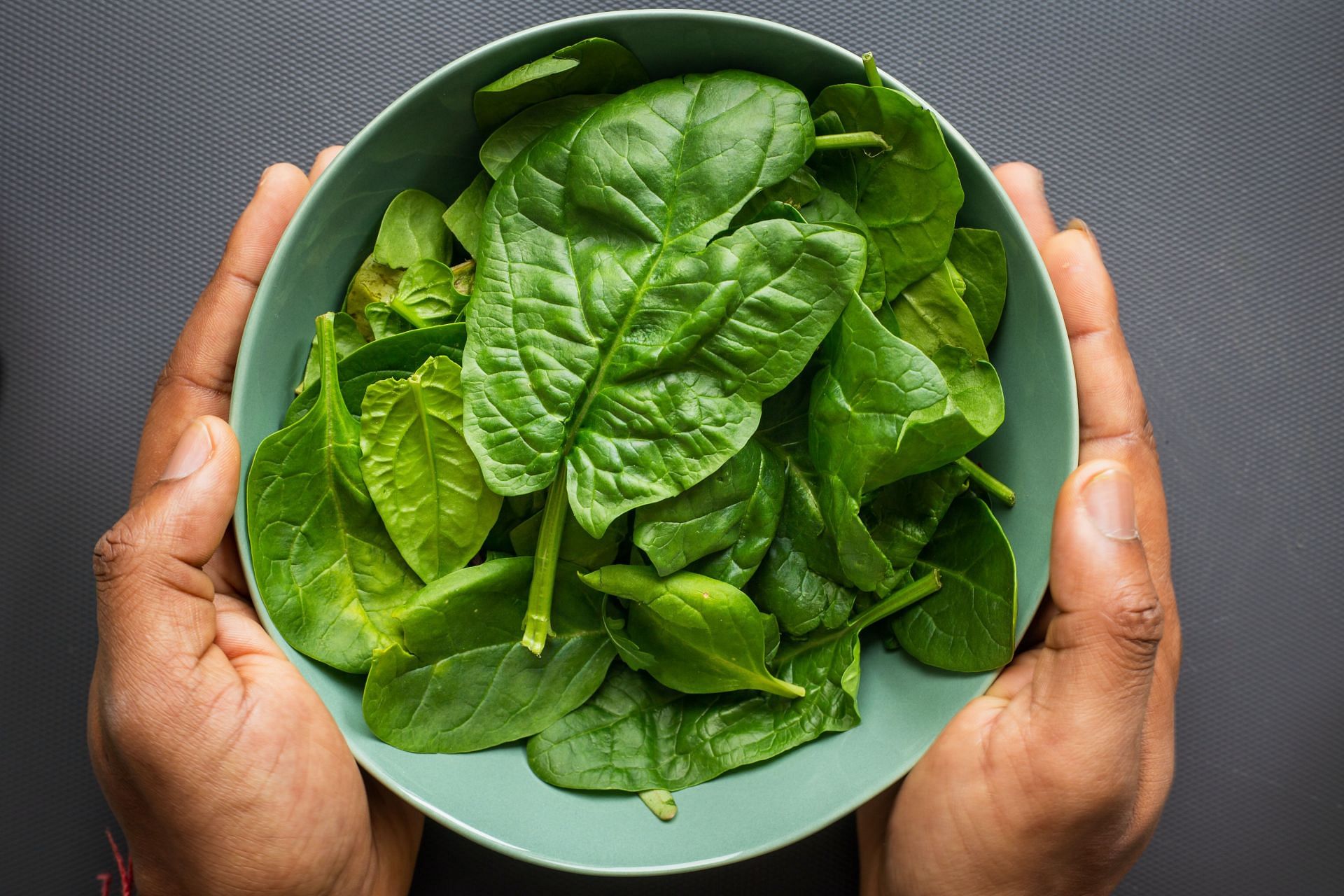
Like other leafy green vegetables, spinach contains a variety of nutrients. Half a cup of spinach contains about 573 mcg of carotenoids.

It's also rich in iron and magnesium. Iron is required by red blood cells, while magnesium plays a key role in various metabolic functions. Spinach can also lower blood pressure and bad cholesterol.

Takeaway

Vitamin A is an essential micronutrient for the body, as it cannot make the vitamin, so we must obtain the vitamin from our diet.

Animal-based foods contain highly bioavailable retinol, while plant-based sources contain carotenoids that are converted to retinol by the body. Vegans and vegetarians can get their fair share of this vitamin from vegetables.

The best way to ensure an adequate intake of vitamins is to have a varied and balanced diet that includes fruits, vegetables, whole grains, healthy fats, and wholesome proteins. People with severe deficiencies must seek medical attention.


This is only for your information, kindly take the advice of your doctor for medicines, exercises and so on.   

https://gscrochetdesigns.blogspot.com. one can see my crochet creations  
https://gseasyrecipes.blogspot.com. feel free to view for easy, simple and healthy recipes    
https://kneereplacement-stickclub.blogspot.com. for info on knee replacement

https://GSiyers home remedies.blogspot.com     is my latest addition to my blogs. I'm going to add posts there, do give me your valuable feed back on my blogs. Thanks a lot, take care, be healthy and be happy.


Labels: , , , , , , , , , , , ,

Saturday, March 12, 2022

Symptoms Almost Completely Disappeared with New Virus

According to a small, preliminary clinic trial, it was found that injecting a common cold-like virus into the eyes of age-related macular degeneration (AMD) patients can halt and reverse the progression of the disease. 
 
AMD is one of the leading causes of blindness in the US. Though this new finding has brought some hope in slowing down the disease, the results will need to be replicated in a much larger group of patients. Still, the early signs suggest that a single injection of the specially engineered virus can kick the body's natural immune response into action, clearing out the fluid that causes permanent vision loss. 
 
The study, conducted by researchers at Johns Hopkins Medicine in Maryland, targeted a protein called vascular endothelial growth factor (VEGF), which is overactive in people with wet AMD (a rare and more severe form of the disease, which causes new blood vessels to grow beneath the retina and leak blood and fluid into the eye). Research shows that the build-up of fluid causes permanent damage to light-sensitive retina cells, prompting them to progressively die off, leaving blind spots in the center of a person's vision. 
 
Treatments for wet AMD do exist, however, they involve getting injections in the eye once every four weeks. To maintain the benefits, you therefore have to keep up monthly injections for the rest of your life. The side effects of current medications available also include eye infections and an increased risk of stroke.
age related blindness
The team at John Hopkins demonstrated that in a handful of patients, there could be a way to halt and possibly, reverse the progression of wet AMD with a single injection. Though the preliminary study is small, results are a promising step towards a new approach that will reduce doctors visits, as well as the anxiety and discomfort due to repeated injections in the eye, and it has also been found to improve long-term outcomes. 
 
Phase 1 of the clinical trial involved 19 men and women, older than 50 years, with advanced wet AMD. The men and women were divided into five groups that received increasing doses of a viral vector called AAV2 - a common cold-like virus that has been genetically engineered to penetrate the patients' retinal cells and deposit a gene that prompts the production of a protein called sFLT01. Once the virus has deposited the gene, the cells started to secrete sFLT01 which bound to VEGF and prevented it from stimulating leakage and growth of abnormal blood vessels. The aim is for the retinal cells infected by the virus to reproduce enough sFLT01 to permanently stop the progression of AMD. 
 
Previous research has shown that sFLT01 can inactivate VEGF. However, until now, scientists had struggled to get the body to produce it on its own - instead they've had to regularly inject VEGF suppressing proteins to keep it in check.

In the clinical study, the first three groups were given the lowest doses of the AAV2 virus, and after they showed no negative side effects, the final two groups were given the maximum dose. It was reported that no severe side effects were reported in either of the groups. Furthermore, it was said that even at the highest dose, the treatment was quite safe and no adverse reactions in patients were found. 
 
The participants were selected based on their lack of response to all other standard treatment options - eight of which were unlikely to respond, even to their new treatment. From the remaining 11, four showed dramatic improvements after a single injection. It was reported that the amount of fluid in their eyes reduced from severe to almost nothing. A further two patients reported a partial reduction in the amount of fluid in their eyes. While the remaining five weren't as lucky. They experienced no improvement in vision after the injection. However, the researchers realized that their bodies naturally produced antibodies that attack the AAV2 virus. 
 
Unfortunately, it will take a much larger clinical trial to figure out if the almost 50-50 chance of success in this study is an accurate indication of how the wider population will react to treatment. Nevertheless, the development seems promising, particularly when advanced AMD is expected to rise to 5.44 million Americans by 2050. In which case, treatment that works for only half of wet AMD patients could still change hundreds of thousands of lives.

This is only for your information, kindly take the advice of your doctor for medicines, exercises and so on.   

https://gscrochetdesigns.blogspot.com. one can see my crochet creations  
https://gseasyrecipes.blogspot.com. feel free to view for easy, simple and healthy recipes    
https://kneereplacement-stickclub.blogspot.com. for info on knee replacement


Labels: , , , , , , ,