Sunday, October 27, 2024

Vitamin D Deficiency Can Lead To Complicated Autoimmune Diseases

Fall has arrived colors are changing, and temperatures are dropping. In some places, these changes signal that it is time to brace yourself for winter. During winter the sun’s angle is too low to produce vitamin D in the skin, and this affects our levels of this essential nutrient and can lead to a vitamin D deficiency. This has been given the nickname “vitamin D winter”.

Vitamin D is an essential nutrient that has been established to help the body absorb calcium to promote strong bones, it helps to strengthen the immune system, plays an important role in cardiovascular health, helps to build and maintain muscle mass, helps to regulate blood pressure by helping the kidneys manage salt, plays roles in brain and cognitive function, and promotes health hair growth among other roles. 

More recent research published in Science Advances has discovered another important role of vitamin D, in which it helps to regulate the immune system. As children develop the thymus helps to train immune cells to distinguish between body tissues and invaders. This new research suggests that a vitamin D deficiency during this crucial stage of life causes the thymus to age more quickly, finding a vitamin D deficiency early in life is associated with a higher risk of autoimmune diseases.

Impacts Of Vitamin D Deficiency

“An aging thymus leads to a ‘leaky’ immune system,” said lead author John White, a Professor in and Chair of McGill’s Department of Physiology. “This means the thymus becomes less effective at filtering out immune cells that could mistakenly attack healthy tissues, increasing the risk of autoimmune diseases like Type 1 diabetes.”

“Our findings bring new clarity to this connection and could lead to new strategies for preventing autoimmune diseases,” said White.

“In places like Montreal, where we stop making the vitamin from sunlight between late fall and early spring, supplementation is key,” said White. “If you have a young child, it’s important to consult with your healthcare provider to ensure they’re getting enough.”

This breakthrough study builds on previous research following over 10,000 Finnish children, finding that those given dietary supplements early in life containing vitamin D to avoid developing a vitamin D deficiency had a five-fold decrease in the risk of developing Type 1 diabetes later in life. Finland has a long period of “vitamin D winter” thus serving as an ideal case study to learn more about the roles that vitamin D may play.

The researchers noted that although this study was conducted with mice, the findings are still relevant as the thymus functions similarly in both species. For this study, the mice were not able to produce vitamin D to investigate how the thymus was affected by a vitamin D deficiency, using cell analysis and gene sequencing to examine the impacts on the immune system. 

Moving forward White hopes to further explore how vitamin D impacts the thymus and hopes to conduct future studies involving the human thymus which was noted to have never been done before. 

Tips

Even though it’s harder to get vitamin D from the sun in the winter, you can still try to get outside for 20 minutes a few times a week to help mitigate the seasonal drop in vitamin D levels. To make sure that you are getting enough vitamin D and avoid developing a vitamin D deficiency during the upcoming long winter months, food sources such as fatty fish like salmon, tuna, and sardines, as well as cod liver oil, beef liver, egg yolks, and some types of mushrooms, are all good sources of vitamin D. 

As with anything you read on the internet, this article should not be construed as medical advice; please talk to your doctor or primary care provider before changing your wellness routine. WHN does not agree or disagree with any of the materials posted. This article is not intended to provide a medical diagnosis, recommendation, treatment, or endorsement. Additionally, it is not intended to malign any religion, ethnic group, club, organization, company, individual, or anyone or anything. These statements have not been evaluated by the Food and Drug Administration.


This is only for your information, kindly take the advice of your doctor for medicines, exercises and so on.   

https://gscrochetdesigns.blogspot.com. one can see my crochet creations  
https://gseasyrecipes.blogspot.com. feel free to view for easy, simple and healthy recipes    
https://kneereplacement-stickclub.blogspot.com. for info on knee replacement
https://cancersupportindia.blogspot.com  for infor on cancer and health related topics
https://GSiyers home remedies.blogspot.com   is the latest addition to my blogs. I'm going to add posts there, do give me your valuable feed back on my blogs. Thanks a lot, take care, be healthy and be happy.


Labels: , , , , , , , , ,

Wednesday, October 26, 2022

6 Best Natural Foods for Vitamin A Deficiency

Vitamin A is a fat-soluble vitamin that's important for many functions in the body. It aids vision, immune system, reproduction, and skin health. The two types of the vitamin found in foods are preformed vitamin A and provitamin A. The former is known as retinol, while the latter is known as carotenoids.

Retinol is present in meat, fish, eggs, and dairy products and is absorbed and used in by the body, which converts carotenoids in plant foods to their active form. Carotenoids are generally found in red, green, yellow, and orange fruits and vegetables. Deficiency is rare in developed countries but is common in developing countries, where people do not get enough vitamin A.

Vitamin A Deficiency

Deficiency of retinol can cause dry skin, as it's important for skin repair and formation of new skin. It also helps fight skin inflammation, which can cause eczema.

Eye problems are commonly related to vitamin - A deficiency. Not getting enough of the vitamin can lead to blindness. People on diets lacking in vitamin A are at risk of developing dry eyes. Supplementing with vitamin A can improve the condition. Severe vitamin A deficiency can lead to night blindness.

Vitamin A deficiency can lead to infertility in both men and women. Its deficiency is also related to miscarriages and stunted growth in children. Frequent infections, especially in the throat or chest, may be a sign of retinol deficiency.

Natural Foods for Vitamin A Deficiency

Deficiency of vitamin A can be prevented by including various common foods rich in retinol or carotenoids in the diet. Six of them are listed below:

1) Organ Meat

Organ meat is rich in bioavailable retinol and has more nutrients than regular meat, making it a good choice for deficient individuals. Organ meats are also rich in other nutrients, such as copper, selenium, manganese, etc. Livers, hearts, and spleens are commonly consumed by many.

2) Red Meat

Red Meat is Nutritious (Image via Unsplash/Sven Brandsma)

Red meat is a rich source of retinol in its bioavailable form and is easily absorbed in the body. Due to the absence of anti-nutrient factors, vitamins are absorbed more easily. Red meat is also rich in heme iron, which is the most bioavailable form of iron for the body and is high in quality protein as well.

3) Cod Liver Oil

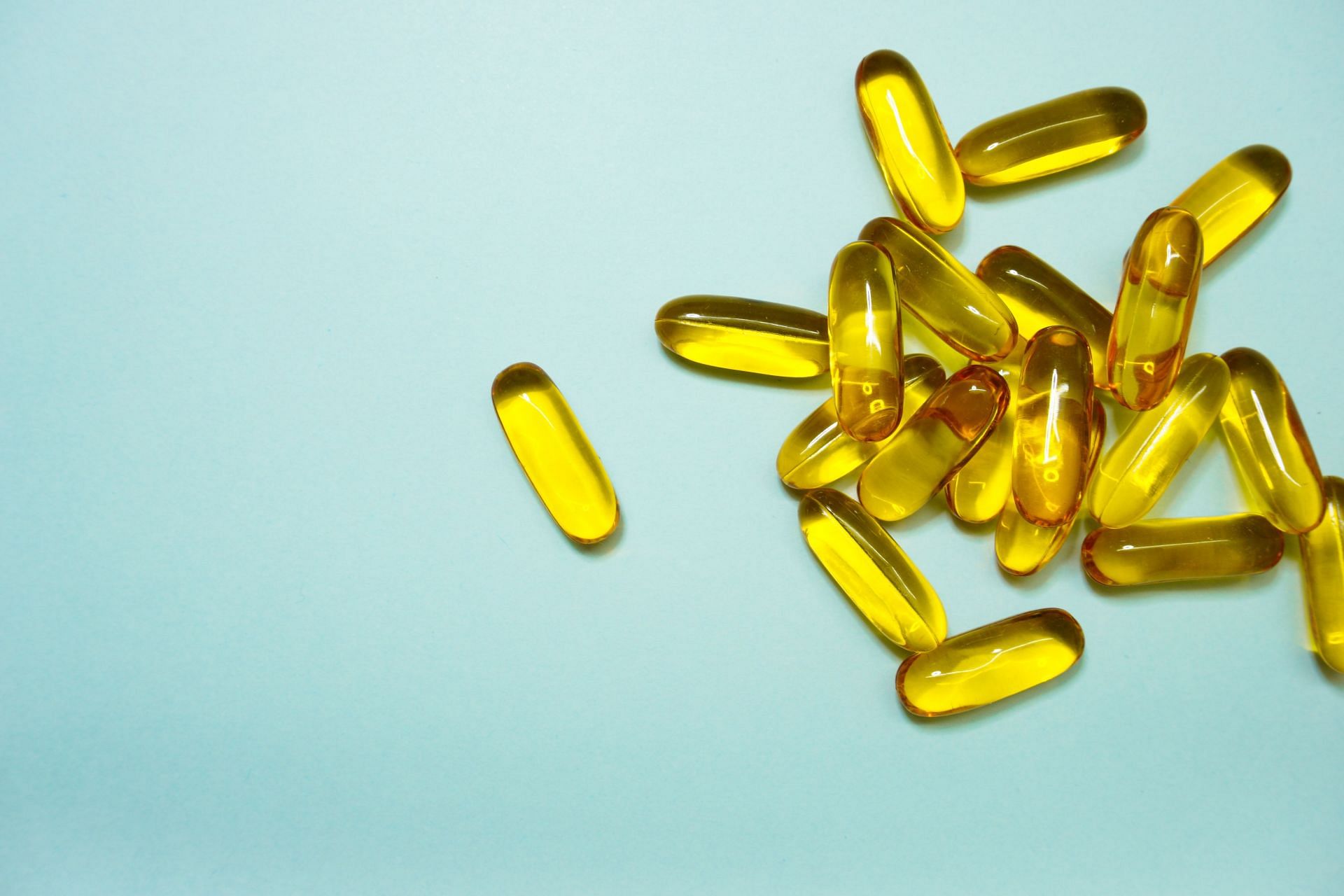
Cod liver oil is a popular supplement (Image via Unsplash/Leohoho)

Fish livers are excellent sources of retinol. One tablespoon of cod liver oil provides 4080 mcg of retinol. Cod liver oil is also an excellent source of vitamin D and boosts immunity and improves bone health. It can also help alleviate depression.

4) Carrot

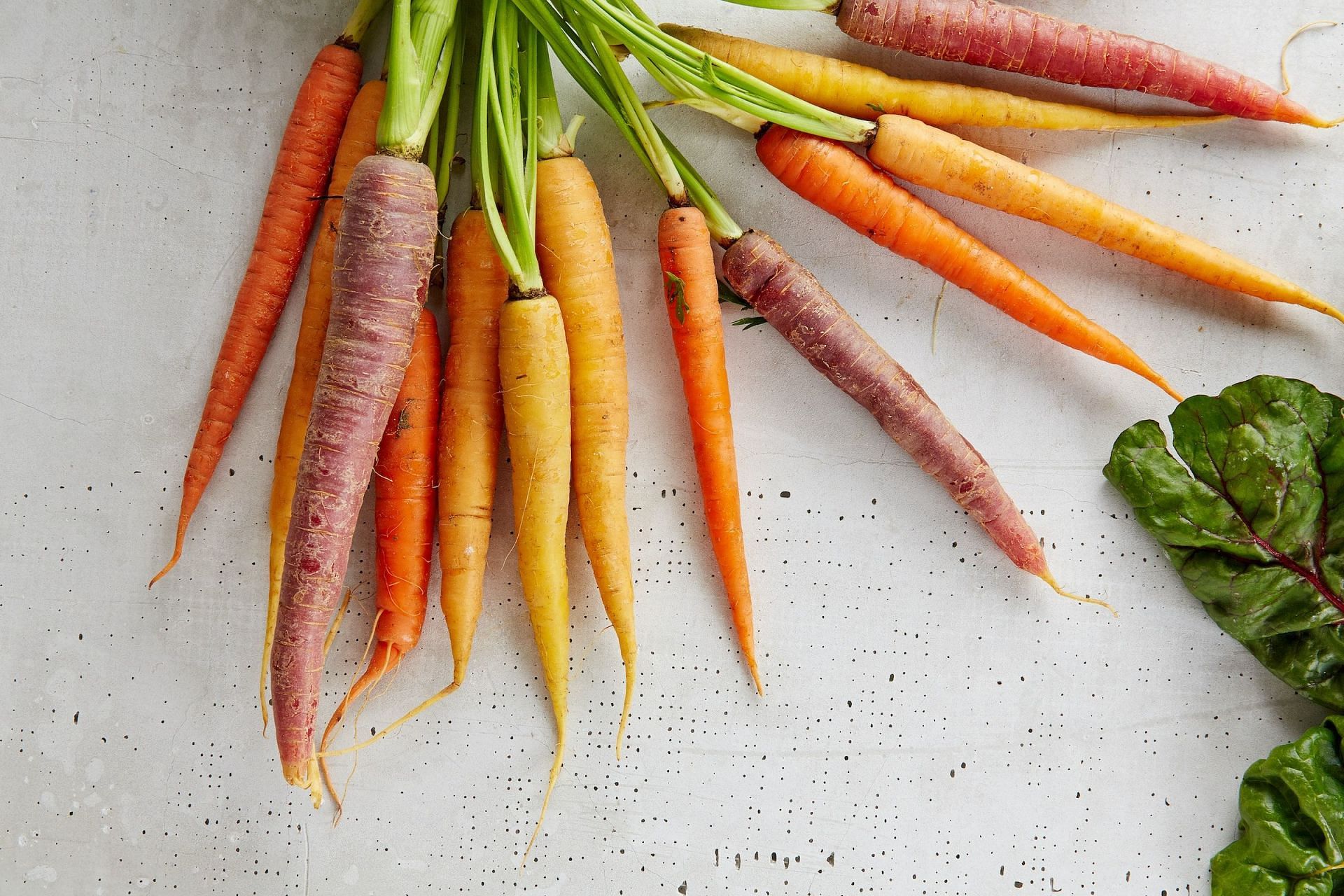
Carrots are high in beta carotene. (Image via Unsplash/Gabriel Gurrola)

Carrots are rich in beta carotene, which is converted by the body to retinol. They are low in calories, making them a healthy choice.

Carrots are also rich in dietary fiber, which keeps the gut healthy and prevents constipation. They are rich in antioxidants that fight oxidative free radicals, which can cause cellular damage and inflammation.

5) Broccoli

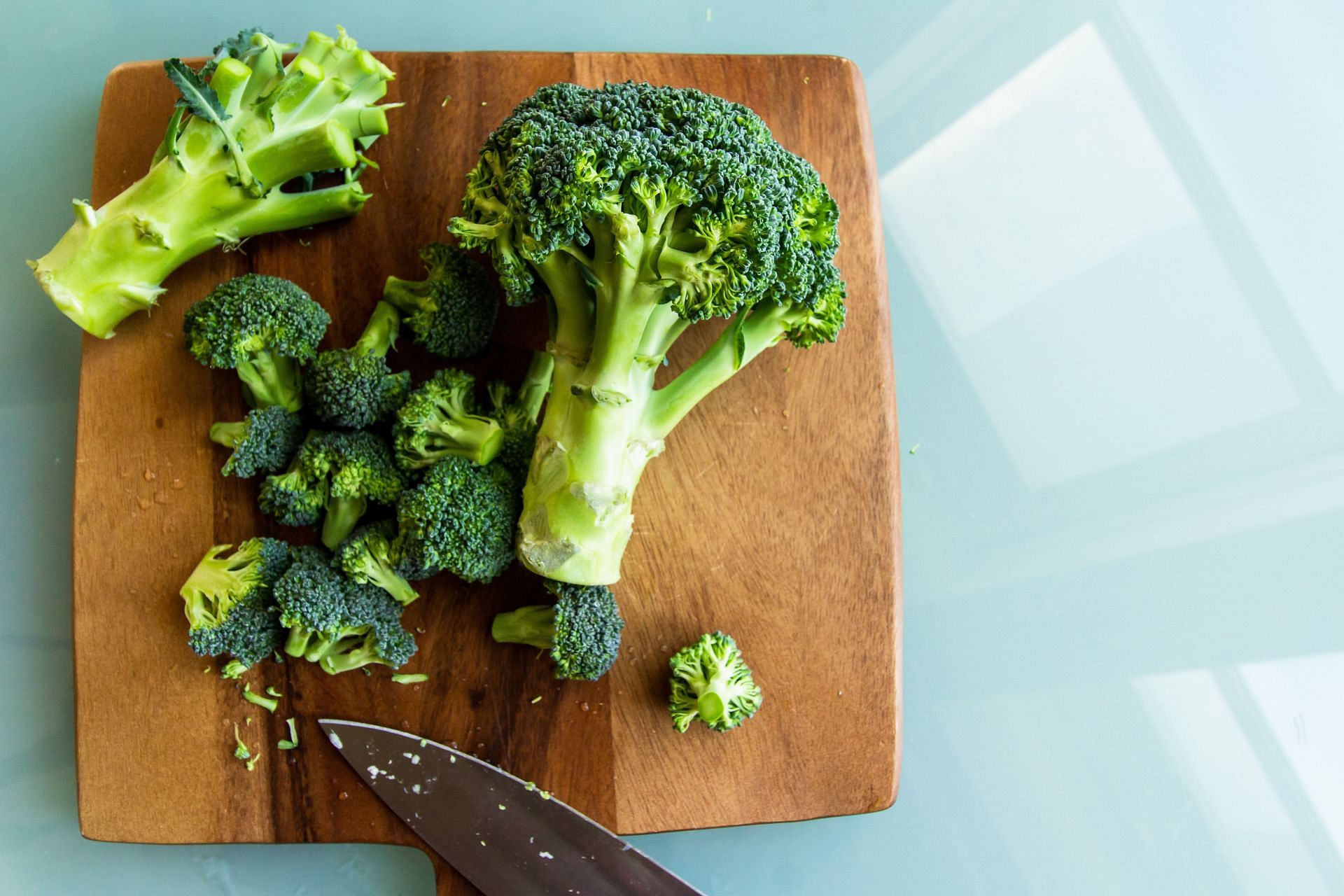
Broccoli is great for weight loss. (Image via Unsplash/Louis Hansel)
Broccoli is great for weight loss.
Broccoli is a rich source of carotenoids along with vitamin K and vitamin C. Vitamin K is required for bone metabolism and blood clotting, while vitamin C is an antioxidant and has anti-inflammatory properties. It's also beneficial in weight loss.

6) Spinach

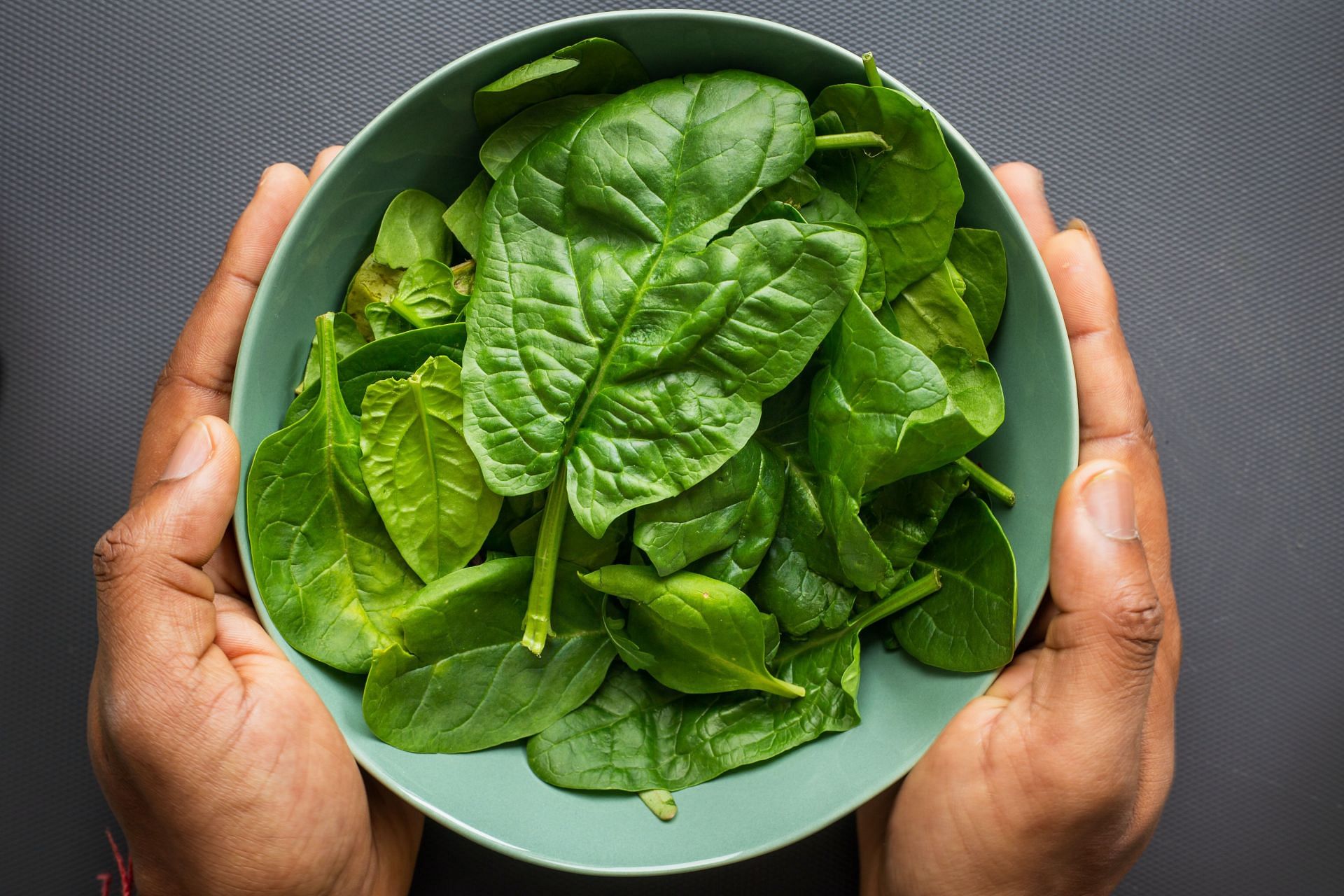
Spinach is a superfood. (Image via Unsplash/Louis Hansel)

Like other leafy green vegetables, spinach contains a variety of nutrients. Half a cup of spinach contains about 573 mcg of carotenoids.

It's also rich in iron and magnesium. Iron is required by red blood cells, while magnesium plays a key role in various metabolic functions. Spinach can also lower blood pressure and bad cholesterol.

Takeaway

Vitamin A is an essential micronutrient for the body, as it cannot make the vitamin, so we must obtain the vitamin from our diet.

Animal-based foods contain highly bioavailable retinol, while plant-based sources contain carotenoids that are converted to retinol by the body. Vegans and vegetarians can get their fair share of this vitamin from vegetables.

The best way to ensure an adequate intake of vitamins is to have a varied and balanced diet that includes fruits, vegetables, whole grains, healthy fats, and wholesome proteins. People with severe deficiencies must seek medical attention.


This is only for your information, kindly take the advice of your doctor for medicines, exercises and so on.   

https://gscrochetdesigns.blogspot.com. one can see my crochet creations  
https://gseasyrecipes.blogspot.com. feel free to view for easy, simple and healthy recipes    
https://kneereplacement-stickclub.blogspot.com. for info on knee replacement

https://GSiyers home remedies.blogspot.com     is my latest addition to my blogs. I'm going to add posts there, do give me your valuable feed back on my blogs. Thanks a lot, take care, be healthy and be happy.


Labels: , , , , , , , , , , , ,

Wednesday, January 19, 2022

Importance of Vitamin D in COVID prevention

Importance of Vitamin D in COVID prevention

Vitamin D has been recommended by many experts as a preventive treatment for COVID-19 infection. Vitamin D is produced in the body when the skin is exposed to sunlight. Staying indoors hinders the vitamin D level in the body. During COVID-19 surge, when everyone is suggested to stay indoors, it is very essential to check the vitamin D level in the body.

COVID-19 lockdown vs Vitamin D requirement

While there is no direct evidence on the effect of vitamin D in COVID-19 treatment, owing to its role in controlling inflammation it is being considered as a preventive treatment by experts. COVID-19 infection leads to myocarditis, microvascular thrombosis and/or cytokine storms all of which involve inflammation. The primary role of vitamin D is to boost the immunity and ease inflammation and this is probably why there are suggestions on increasing vitamin D intake to prevent COVID-19. Low levels of vitamin D have been associated with an increase in inflammatory cytokines.

Partly due to government orders and partly due to concern for their own health, people are preferring to stay indoors these days. While on one hand it is a blessing as community spread of the coronavirus is curbed to a certain extent, but on the other hand it can trigger a decline in Vitamin D level in the body.

What do experts say?

"Our opinion is that if vitamin D does in fact reduce the severity of COVID-19 with regard to pneumonia/ARDS, inflammation, inflammatory cytokines, and thrombosis, then supplements would offer a relatively easy option to decrease the impact of the pandemic," says a group of researchers at University of Minnesota, Minneapolis, USA.

"Low vitamin D levels have been associated with an increase in inflammatory cytokines and a significantly increased risk of pneumonia and viral upper respiratory tract infections. Vitamin D deficiency is associated with an increase in thrombotic episodes, which are frequently observed in COVID-19. Vitamin D deficiency has been found to occur more frequently in patients with obesity and diabetes. These conditions are reported to carry a higher mortality in COVID-19," the researchers also say.

As per the Harvard School of Public Health, in a study of the seasonal and pandemic flu caused by H1N1 virus in 2009 it was observed that vitamin D supplementation lowered the odds of developing acute respiratory tract infections by 12% to 75%. "The beneficial effect of supplementation was seen in patients across all ages, and individuals with pre-existing chronic illnesses. Among those who were infected, flu symptoms were fewer and recovery was earlier if they had received doses of vitamin D greater than 1000 IU. The benefits were relatively greater in individuals with vitamin D deficiency than in those who had adequate levels of vitamin D," the Harvard article says.

What should be the immediate response?

One should take expert suggestions regarding vitamin D supplements. Apart from this, one should expose the skin to sunlight for a few minutes every day. One should add food rich in vitamin D in their daily diet. Foods like fatty fish like salmon, cod liver oil, mushroom, cow milk, soya milk, and eggs are rich in vitamin D. It is usually seen that older individuals are always deficient in micronutrients. Supplementation is a necessity for people belonging to this age group.


This is only for your information, kindly take the advice of your doctor for medicines, exercises and so on.   

https://gscrochetdesigns.blogspot.com. one can see my crochet creations  
https://gseasyrecipes.blogspot.com. feel free to view for easy, simple and healthy recipes    
https://kneereplacement-stickclub.blogspot.com. for info on knee replacement


readmore

Labels: , , , , , , , , , ,