Thursday, October 02, 2025

The Best Vegan Sources of Vitamin D

Enhancing your immune system, especially when you're feeling under the weather, can be as delightful as enjoying a freshly blended juice or smoothie. Not only are these beverages refreshing, but they're also loaded with vitamins and minerals essential for keeping your immune system in top shape, whether you're aiming to maintain good health or recover from ailments like the common cold or flu.

Here's a dive into various beverages packed with nutrients vital for daily wellness and immune defense against viruses.

Citrus Blast: Orange, Grapefruit, and More A creation by Happy Foods Tube, this juice is a vitamin C powerhouse, delivering about 60% of your daily needs in each cup. Vitamin C is crucial for its antioxidant benefits, safeguarding your cells from damage. A lack of vitamin C can impair your immune response and slow down wound healing. While not a cure for COVID-19, vitamin C has been linked to reduced cold symptoms and faster recovery. Each serving is also rich in potassium, vitamins A, B6, B9 (folate), and C from its citrus ingredients. 
 
Morning Glow: Green Apple, Carrot, and Orange This blend from The Urban Umbrella combines the nutritional benefits of carrots, apples, and oranges. It's rich in vitamin C from the fruits and vitamin A from carrots, presented in the form of beta carotene. Carrots also bring vitamin B6 to the table, essential for immune cell function and antibody production. The tartness of green apples balances the sweetness perfectly, making it an energizing start to your day.
Root Power: Beet, Carrot, Ginger, and Apple This juice is a blend of three potent root vegetables, enriched with anti-inflammatory properties and immune-supporting nutrients. Ginger, in particular, can be beneficial for those with rheumatoid arthritis due to its anti-inflammatory effects. This drink includes potassium, vitamins A, B6, B9 (folate), and C. 
 
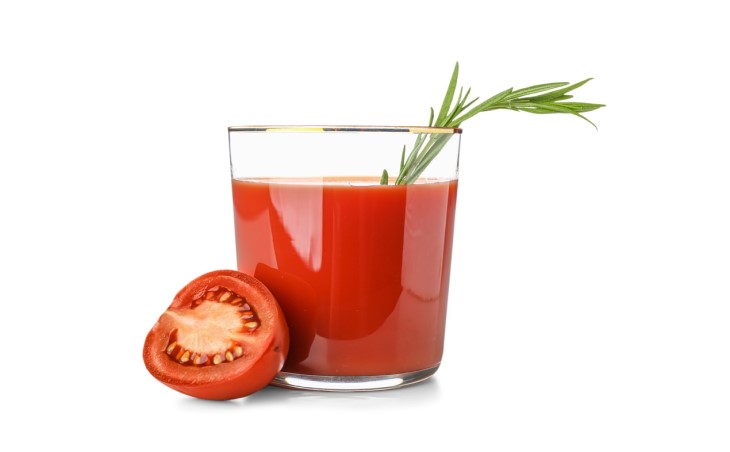
Homemade Tomato Juice -  
 tomato juice
 
Crafting your tomato juice ensures freshness and control over ingredients, with a simple recipe. Tomatoes are a good source of vitamin B9 (folate) and offer a modest amount of magnesium, an anti-inflammatory agent.

Kale Mary: Kale, Tomato, and Celery A unique take by Tesco on the classic bloody Mary, this recipe opts for kale's nutrient density over sweetness, enhanced with tomato juice's vitamin A content. Adding spicy horseradish might also offer anti-inflammatory benefits. 
 
Berry Delights: Strawberry-Kiwi and Strawberry-Mango Well Plated and Feel Good Foodie introduce fruit-packed smoothies blending strawberries with kiwi or mango for a vitamin C-rich treat. Including ingredients like skim milk or almond milk introduces protein, vitamin D, and additional antioxidants from vitamin E in mango. 
 
Refreshing Watermelon Mint This juice recipe from Veg Recipes of India highlights watermelon's vitamin C and arginine content, essential for immune support, with a high water content making it an efficient juice base. 
 
Nutty Nourishment: Pumpkin Seed Milk The Blender Girl's pumpkin seed milk recipe stands out for its natural approach and zinc content, crucial for immune function and inflammation reduction. 
 
Greens Galore:  vitamin d foods

 
Green Apple, Lettuce, and Kale This green juice from Show Me the Yummy is a nutrient fortress, offering vitamins A, C, K, iron, potassium, and manganese, all from green vegetables.


Store-Bought Juices: A Quick Alternative When pressed for time, opt for juices without added sugars or sweeteners, focusing on 100% fruit juices like orange juice for its high vitamin C content. 
 
Strengthening Your Immune System - Juices, smoothies, and nutritional drinks are delicious strategies to support health. Incorporating superfoods, practicing good hygiene, staying hydrated, ensuring adequate sleep, managing stress, and maintaining regular physical activity are all crucial for a robust immune system. 
 
Vegan Sources of Vitamin D For those following a vegan diet, maintaining adequate vitamin D levels can be a challenge. Fortified foods, sunlight exposure, and vegan-friendly supplements are viable sources. Vitamin D is essential for bone health and immune function, with fortified soy milk, mushrooms exposed to UV light, fortified cereals, and certain fortified plant milks offering plant-based solutions. Regular, safe sun exposure also contributes to vitamin D production. 
 
Ensuring sufficient vitamin D intake and addressing potential deficiencies are vital for overall health, immune function, and disease prevention, especially in a vegan diet. 
 
Maintaining adequate levels of vitamin D is paramount, especially for those adhering to a vegan lifestyle where traditional sources like salmon, egg yolks, and shellfish are not consumed. Research indicates a significant portion of the population, including 41.6% of Americans, may not meet the necessary vitamin D levels, posing a challenge for overall health and immune function.


This is only for your information, kindly take the advice of your doctor for medicines, exercises and so on.   


Labels: , , , , , , , , , , , , , , ,

Thursday, December 26, 2024

Balance Your Hormones Naturally With These 10 Useful Tips

A hormonal imbalance can affect many aspects of your health. Some common side effects include infertility, weight gain, depression, fatigue, insomnia, a low libido, as well as hair loss and hair thinning. Thankfully there are ways to balance your hormones naturally. Here are 10 natural ways to heal your hormones:

1. Consume a raw carrot everyday
 hormone balance
 Too much estrogen in the body is usually the cause of hormonal imbalances, but a carrot a day will naturally help balance hormones. Raw carrots contain a unique fiber which helps detox excess estrogen from the body. This tip is especially useful for women who suffer from PMS (premenstrual symptoms such as migraines).


2. Avoid vegetable oils 
Keep your hormones balanced by excluding margarine and plant oils from your diet. Vegetable oils are extremely high in omega-6, which if consumed regularly can cause inflammation within the body. Nevertheless, some omega 6 in the diet is necessary, but too much can wreak havoc on hormone balance, creating widespread inflammation. Rather than upping your omega-6 intake, increase your omega-3, as this will help keep inflammation to a minimum. 
 
3. Include more liver in your diet
Liver is packed with nutrients. It provides the highest source of vitamin A, one of the most valuable vitamins to balance hormones. Vitamin A also helps improve thyroid function, which in turn improves liver health enabling the body to synthesize and detox hormones effectively. To reap the benefits, enjoy two to four servings of pastured liver each week. 
 
4. Try not to overwork your adrenal glands 
Dietary and lifestyle choices may overwork the adrenal glands, making them unable to keep up with their hormone production, leading to adrenal fatigue (a symptom of which is PMS). All hormones are interconnected, but thyroid hormones work hand in hand with the adrenal glands. So, if your adrenals are stressed, your thyroid will be affected too. 
 
 
5. Go for a walk in the country
hormone balance
Address your exercise habits to keep your hormones working effectively. Constant jogging, running, spinning classes and Cross Fit can cause undue stress on your body. However, walking in natural environments is both restorative and invigorating, providing an ideal exercise for balancing hormones. Walking in nature has also been shown to reduce cortisol (a stress hormone) and boosts the immune system. High cortisol levels cause inflammation in the body, creating a hormonal imbalance.

6. Get the water you need from consuming foods  
As opposed to drinking eight glasses of water per day, get the water you need from nutrient-rich water foods instead. Drinking too much water can deplete electrolytes and cause premature aging of the skin. Consuming foods with a high water content helps balance hormones naturally, while also supporting the thyroid and the adrenal glands. 
 
 
7. Stop eating products that contain soy
hormone balance
Studies show that soy can disrupt hormones, may cause inflammation and a leaky gut and more often than not, soy tends to be genetically modified. Furthermore, soy consumption has been found to have toxic effects on hormonal balance and general health. 
 
 
8. Spend a few moments each day with your legs up against the wall 
A regular yoga practice, or stretching, often can benefit the body in many ways. One particular yoga pose which involves keeping your legs up against the wall has a profound ability to balance hormones naturally. The lymphatic circulation in the lower body is maximized in this pose. Often referred to as the garbage disposal of the body, the lymphatic system collects and carries lymphatic fluid, eliminating toxins from the body. Sitting all day can cause the lymph fluid to become stagnant and toxins to collect. Therefore, reversing the flow of gravity in your legs can encourage the circulation of the lymphatic fluid. 
 
 
9. Eat egg yolks to balance hormones
Egg yolks contain valuable nutrition and are extremely beneficial to our bodies. In fact, they are packed with nutrients that help balance hormones, including vitamin A, vitamin D, and Selenium (necessary for the conversion of thyroid hormones from inactive to active). 
 
10. Gelatin can help improve hormone imbalance  
Gelatin contains a unique profile of beneficial amino acids that helps balance hormones. It is best consumed alongside a portion of meat. Therefore, with every large serving of meat, include 5 or 10 grams of gelatin. Doing so will boost the amino acids that enter the blood stream. Gelatin has also been shown to support a healthy thyroid function and thyroid hormones, which work together with all other hormones in the body. So, in supporting the thyroid, it supports balanced hormones in general. 


This is only for your information, kindly take the advice of your doctor for medicines, exercises and so on.   

https://gscrochetdesigns.blogspot.com. one can see my crochet creations  
https://gseasyrecipes.blogspot.com. feel free to view for easy, simple and healthy recipes    
https://kneereplacement-stickclub.blogspot.com. for info on knee replacement
https://cancersupportindia.blogspot.com  for infor on cancer and health related topics
https://GSiyers home remedies.blogspot.com   is the latest addition to my blogs. I'm going to add posts there, do give me your valuable feed back on my blogs. Thanks a lot, take care, be healthy and be happy.

Labels: , , , , , , , ,

Sunday, October 27, 2024

Vitamin D Deficiency Can Lead To Complicated Autoimmune Diseases

Fall has arrived colors are changing, and temperatures are dropping. In some places, these changes signal that it is time to brace yourself for winter. During winter the sun’s angle is too low to produce vitamin D in the skin, and this affects our levels of this essential nutrient and can lead to a vitamin D deficiency. This has been given the nickname “vitamin D winter”.

Vitamin D is an essential nutrient that has been established to help the body absorb calcium to promote strong bones, it helps to strengthen the immune system, plays an important role in cardiovascular health, helps to build and maintain muscle mass, helps to regulate blood pressure by helping the kidneys manage salt, plays roles in brain and cognitive function, and promotes health hair growth among other roles. 

More recent research published in Science Advances has discovered another important role of vitamin D, in which it helps to regulate the immune system. As children develop the thymus helps to train immune cells to distinguish between body tissues and invaders. This new research suggests that a vitamin D deficiency during this crucial stage of life causes the thymus to age more quickly, finding a vitamin D deficiency early in life is associated with a higher risk of autoimmune diseases.

Impacts Of Vitamin D Deficiency

“An aging thymus leads to a ‘leaky’ immune system,” said lead author John White, a Professor in and Chair of McGill’s Department of Physiology. “This means the thymus becomes less effective at filtering out immune cells that could mistakenly attack healthy tissues, increasing the risk of autoimmune diseases like Type 1 diabetes.”

“Our findings bring new clarity to this connection and could lead to new strategies for preventing autoimmune diseases,” said White.

“In places like Montreal, where we stop making the vitamin from sunlight between late fall and early spring, supplementation is key,” said White. “If you have a young child, it’s important to consult with your healthcare provider to ensure they’re getting enough.”

This breakthrough study builds on previous research following over 10,000 Finnish children, finding that those given dietary supplements early in life containing vitamin D to avoid developing a vitamin D deficiency had a five-fold decrease in the risk of developing Type 1 diabetes later in life. Finland has a long period of “vitamin D winter” thus serving as an ideal case study to learn more about the roles that vitamin D may play.

The researchers noted that although this study was conducted with mice, the findings are still relevant as the thymus functions similarly in both species. For this study, the mice were not able to produce vitamin D to investigate how the thymus was affected by a vitamin D deficiency, using cell analysis and gene sequencing to examine the impacts on the immune system. 

Moving forward White hopes to further explore how vitamin D impacts the thymus and hopes to conduct future studies involving the human thymus which was noted to have never been done before. 

Tips

Even though it’s harder to get vitamin D from the sun in the winter, you can still try to get outside for 20 minutes a few times a week to help mitigate the seasonal drop in vitamin D levels. To make sure that you are getting enough vitamin D and avoid developing a vitamin D deficiency during the upcoming long winter months, food sources such as fatty fish like salmon, tuna, and sardines, as well as cod liver oil, beef liver, egg yolks, and some types of mushrooms, are all good sources of vitamin D. 

As with anything you read on the internet, this article should not be construed as medical advice; please talk to your doctor or primary care provider before changing your wellness routine. WHN does not agree or disagree with any of the materials posted. This article is not intended to provide a medical diagnosis, recommendation, treatment, or endorsement. Additionally, it is not intended to malign any religion, ethnic group, club, organization, company, individual, or anyone or anything. These statements have not been evaluated by the Food and Drug Administration.


This is only for your information, kindly take the advice of your doctor for medicines, exercises and so on.   

https://gscrochetdesigns.blogspot.com. one can see my crochet creations  
https://gseasyrecipes.blogspot.com. feel free to view for easy, simple and healthy recipes    
https://kneereplacement-stickclub.blogspot.com. for info on knee replacement
https://cancersupportindia.blogspot.com  for infor on cancer and health related topics
https://GSiyers home remedies.blogspot.com   is the latest addition to my blogs. I'm going to add posts there, do give me your valuable feed back on my blogs. Thanks a lot, take care, be healthy and be happy.


Labels: , , , , , , , , ,

Monday, June 24, 2024

6 Signs of a Zinc Deficiency and How to Balance it Out

 Proper growth of the body, intra-cellular metabolism and the creation of DNA are just some of the processes for which zinc is essential, so it's no wonder that a zinc deficiency can cause impaired functioning of the body's entire system. This mineral deficiency is more common in people over the age of 60 and in people whose diets are vegan or vegetarian. What these two groups have in common is the fact that they consume a diet rich in legumes and grains that do not contain enough zinc. In fact, the foods they consume have ingredients that prevent zinc from being absorbed by the body. 

So, how do you know if you have a zinc deficiency? Regular medical tests don’t always show if there is a deficiency in this mineral, but there are some signs that may indicate a lack of it in the body. The good news is that you can increase the level of zinc in your body quite easily - you just need to know which foods are rich in this mineral. zinc

6 signs of zinc deficiency 
 
1. Frequent infections and diseases 
Zinc plays a central role in the proper functioning of the immune system and prevention of infections. When you don't consume enough zinc, your immune system may function poorly and won’t be able to ward off viral and bacterial infections. Also, if you feel that you’ve been in a lot of pain recently, you may not be consuming enough zinc.

2. Abnormal hair loss 
https://en.bcdn.biz/Images/2017/11/29/47781b22-4e1d-4a3f-b683-7b06a263539f.jpg
 It’s natural to lose a few hairs while brushing it, but if you notice that the amount of hair left behind on your brush has increased significantly, it could be due to a lack of zinc. It's worth noting that only a significant zinc deficiency can cause huge hair loss and breakage, but you should keep an eye on the problem nevertheless.

3. Chronic diseases 
Neurological disorders, autoimmune diseases, and diabetes are just some of the diseases researchers have found to be related to a zinc deficiency. This deficiency causes increased oxidation processes in the body, leading to inflammation, cell death, and an increased risk of chronic disease. A balanced diet that includes foods with high concentrations of zinc can delay the formation of chronic diseases. 
 
4. Decline in hearing 
Researchers have found that people with hearing loss might also have a zinc deficiency. The researchers believe that this is due to inflammation and decreased pressure in the inner ear as a result of zinc deficiency. If you feel that your hearing is not what it used to be, you body may be lacking zinc.


5. Decrease in growth rate  
Children with a zinc deficiency may experience a decrease in growth rate. Due to the role of zinc in the normal development of cells and body growth, a lack of it causes problems with physical growth, meaning that children who do not consume enough of this essential mineral are shorter than average for their age. If you notice a low growth rate in your children, incorporate zinc-rich foods in their diet. If there is no change in their growth rate, it's recommended that you take them to get their zinc levels tested. 
 
6. The taste of the food has changed
Other senses besides the sense of hearing that may be damaged due to zinc deficiency are sense of taste and sense of smell. If you feel that foods have a different taste suddenly, this may be indicative of a zinc deficiency. This is especially true for people over the age of 60, as zinc deficiency is more common in this age group, and other factors, such as increased drug use, may exacerbate the ability to taste and smell. zinc


So how can you consume more zinc? 
The good news is that zinc deficiency can be easily corrected by adding foods rich in this mineral to your daily diet. It's important to eat these foods every day since the body doesn’t store zinc and only daily consumption will result in constant adequate zinc levels in the body. Women should consume about 8 mg of zinc a day, men about 11 mg daily, and people with different diseases or significant zinc deficiency will need larger amounts depending on their health. 
 
People who are vegan or vegetarian should sometimes consume twice as much as the recommended daily amount, as their bodies absorb zinc less efficiently and some vegetables can even interfere with zinc absorption in the body. If you feel that you’ve been sicker lately or have some of the symptoms mentioned above, you should prepare zinc-rich dishes so that you can enjoy healthier hair, get sick less, and getting back the taste for life, literally. However, be careful not to consume too much zinc, as in excess it can cause headaches, nausea, and anemia. 
 
8 Recommended zinc-rich foods 
 
 * The amounts of zinc given are per serving size of 100 grams. 
 
1. Beef 
Beef is full of flavor and nutritional benefits, which include, apart from a high zinc content (7 mg per serving), large amounts of protein and vitamin B12. Despite these benefits, it's recommended not to overeat meat because it also contains large amounts of fat. It's best to eat beef once or twice a week and to incorporate other zinc-rich foods into your diet the rest of the week. 
 
2. Toasted wheat germ
A dose of toasted wheat germ will provide you with 16.7 mg of zinc and enrich your daily diet. You can eat wheat germ in its natural form, without toasting, and enjoy its nutritional benefits, which include aiding in digestion and delaying the narrowing of central blood vessels in the body. 
 
3. Pumpkin seeds  
zinc Pumpkin seeds are known as a great healthy snack for after a meal, but you can also add them to salads or shakes to increase your daily zinc intake. A dose of pumpkin seeds contains about 10.3 milligrams of zinc and serves as a healthy, tasty and balanced snack.

4. Red beans 
Red beans are low in calories but rich in zinc, about 2.79 mg per serving, and can be eaten when cooked and seasoned as a standalone meal or as a side to a variety of foods.
 
5. Mushrooms 
Mushrooms are low in calories, contain 7.66 mg of zinc, and many vitamins and minerals. In addition, its high antioxidant content is similar to that of carrots or tomatoes, and selenium chlorine, which is a mineral not usually found in plant sources, can also be obtained from their eating them. 
 
6. Egg yolks 
For those who’ve given up this part of the egg, you should put it back on the menu. Egg whites are not as rich in zinc as yolks, so you should eat the egg in its entirety if you want to increase your intake of this essential mineral. A serving of egg contains 4.93 g of zinc in addition to vitamins A, E, D and K.

7. Cocoa and chocolate 
 Cocoa and chocolate products will delight anyone who has a sweet tooth, and if you eat them moderately they will do wonders for your body. A serving of chocolate (dark chocolate is preferred) contains 9.6 mg of zinc so you can refill your zinc levels with a smile.  
 
8. Turkey breast 
Roasted turkey breast is tasty, rich in protein and zinc and low in calories when compared to other types of meat, such as beef. A dose of turkey breast will supply your body with about 3.09 milligrams of zinc.


This is only for your information, kindly take the advice of your doctor for medicines, exercises and so on.   

https://gscrochetdesigns.blogspot.com. one can see my crochet creations  
https://gseasyrecipes.blogspot.com. feel free to view for easy, simple and healthy recipes    
https://kneereplacement-stickclub.blogspot.com. for info on knee replacement
https://cancersupportindia.blogspot.com  for infor on cancer and health related topics
https://GSiyers home remedies.blogspot.com   is the latest addition to my blogs. I'm going to add posts there, do give me your valuable feed back on my blogs. Thanks a lot, take care, be healthy and be happy.

Labels: , , , , , , , , ,

Tuesday, August 17, 2021

10 Natural Ways to Balance Your Hormones

A hormonal imbalance can affect many aspects of your health. Some common side effects include infertility, weight gain, depression, fatigue, insomnia, a low libido, as well as hair loss and hair thinning. Thankfully there are ways to balance your hormones naturally. Here are 10 natural ways to heal your hormones:

1. Consume a raw carrot a day
hormone balance
Too much estrogen in the body is usually the cause of hormonal imbalances, but a carrot a day will naturally help balance hormones. Raw carrots contain a unique fiber which helps detox excess estrogen from the body. This tip is especially useful for women who suffer from PMS (premenstrual symptoms such as migraines).

2. Avoid vegetable oils 
Keep your hormones balanced by excluding margarine and plant oils from your diet. Vegetable oils are extremely high in omega-6, which if consumed regularly can cause inflammation within the body. Nevertheless, some omega 6 in the diet is necessary, but too much can wreak havoc on hormone balance, creating widespread inflammation. Rather than upping your omega-6 intake, increase your omega-3, as this will help keep inflammation to a minimum.

3. Include more liver in your diet
Liver is packed with nutrients. It provides the highest source of vitamin A, one of the most valuable vitamins to balance hormones. Vitamin A also helps improve thyroid function, which in turn improves liver health enabling the body to synthesize and detox hormones effectively. To reap the benefits, enjoy two to four servings of pastured liver each week. 
 
4. Try not to overwork your adrenal glands 
Dietary and lifestyle choices may overwork the adrenal glands, making them unable to keep up with their hormone production, leading to adrenal fatigue (a symptom of which is PMS). All hormones are interconnected, but thyroid hormones work hand in hand with the adrenal glands. So, if your adrenals are stressed, your thyroid will be affected too. 
 
5. Go for a walk in the country hormone balance
hormone balance
Address your exercise habits to keep your hormones working effectively. Constant jogging, running, spinning classes and Cross Fit can cause undue stress on your body. However, walking in natural environments is both restorative and invigorating, providing an ideal exercise for balancing hormones. Walking in nature has also been shown to reduce cortisol (a stress hormone) and boosts the immune system. High cortisol levels cause inflammation in the body, creating a hormonal imbalance. 
 
6. Get the water you need from consuming foods 
As opposed to drinking eight glasses of water per day, get the water you need from nutrient-rich water foods instead. Drinking too much water can deplete electrolytes and cause premature aging of the skin. Consuming foods with a high water content helps balance hormones naturally, while also supporting the thyroid and the adrenal glands. 
 
7. Stop eating products that contain soy
hormone balance
Studies show that soy can disrupt hormones, may cause inflammation and a leaky gut and more often than not, soy tends to be genetically modified. Furthermore, soy consumption has been found to have toxic effects on hormonal balance and general health. 
 
8. Spend a few moments each day with your legs up against the wall 
A regular yoga practice, or stretching, often can benefit the body in many ways. One particular yoga pose which involves keeping your legs up against the wall has a profound ability to balance hormones naturally. The lymphatic circulation in the lower body is maximized in this pose. Often referred to as the garbage disposal of the body, the lymphatic system collects and carries lymphatic fluid, eliminating toxins from the body. Sitting all day can cause the lymph fluid to become stagnant and toxins to collect. Therefore, reversing the flow of gravity in your legs can encourage the circulation of the lymphatic fluid. 
 
9. Eat egg yolks to balance hormones
hormone balance
Egg yolks contain valuable nutrition and are extremely beneficial to our bodies. In fact, they are packed with nutrients that help balance hormones, including vitamin A, vitamin D, and Selenium (necessary for the conversion of thyroid hormones from inactive to active). 
 
10. Gelatin can help improve hormone imbalance 
Gelatin contains a unique profile of beneficial amino acids that helps balance hormones. It is best consumed alongside a portion of meat. Therefore, with every large serving of meat, include 5 or 10 grams of gelatin. Doing so will boost the amino acids that enter the blood stream. Gelatin has also been shown to support a healthy thyroid function and thyroid hormones, which work together with all other hormones in the body. So, in supporting the thyroid, it supports balanced hormones in general.

This is only for your information, kindly take the advice of your doctor for medicines, exercises and so on.   

https://gscrochetdesigns.blogspot.com. one can see my crochet creations  
https://gseasyrecipes.blogspot.com. feel free to view for easy, simple and healthy recipes    
https://kneereplacement-stickclub.blogspot.com. for info on knee replacement

Labels: , , , , , , , , , , , ,