16 Magnesium-Rich Snacks to Boost Your Body
Magnesium is one of those micronutrients that you may not think much
about, but it's an essential part of a healthy diet. Magnesium is a
mineral that's abundant in our body and needed by every cell to work. It
is active in more than 300 reactions in the body.
Magnesium is vital for muscles, nerves, energy, heart health, and bones,
and is essential for survival. It supports the contraction and
relaxation of muscles, aids in transmitting nerve signals, and helps
maintain a regular heartbeat. It also regulates insulin action and
glucose metabolism, helps build protein from amino acids, and works with
other electrolytes to maintain fluid balance. These are just a few of
its critical functions.
Dietary needs for adults vary by age and sex, but women need about 310 to 360 mg per day, while the recommendation is 410 to 420 mg per day for men. Yet, surprisingly, almost half the US population doesn't meet the daily recommended amount for magnesium.
Magnesium deficiency can lead to sore muscles, body tightness and constipation. It's also thought that chronically low intakes of magnesium may contribute to increased risk of illness over time, including cardiovascular disease, Type II diabetes, and osteoporosis.
However, before resorting to a supplement, you can try eating snacks that are high in magnesium to help fulfill your magnesium needs. Here are 16 magnesium-rich snacks to add to your diet.
1. Banana
Bananas are one of nature's most convenient snacks, requiring no
preparation and coming in their own natural packaging. A small banana
provides 28 mg of magnesium, making it an easy way to boost your intake
throughout the day. Beyond magnesium, bananas are particularly rich in
potassium, which works synergistically with magnesium to support heart
health and blood pressure regulation. The soluble fiber in bananas aids
digestion and helps you feel fuller longer, while their natural
antioxidants, including dopamine and catechins, help combat oxidative
stress. They're naturally sweet, making them perfect for satisfying
sugar cravings in a healthy way, and their soft texture makes them ideal
for people of all ages.
2. Chia Seeds
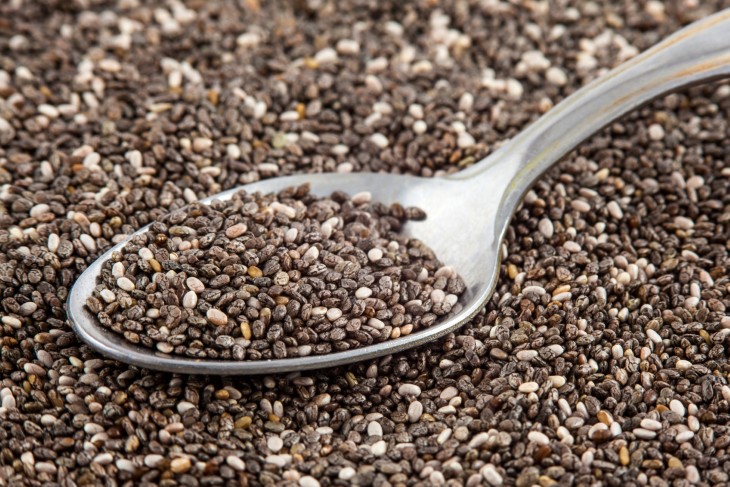
These ancient superfoods pack an impressive nutritional punch despite
their tiny size. Just one ounce delivers 95 mg of magnesium—nearly a
quarter of your daily needs. Chia seeds are incredibly versatile: mix
them into smoothies, stir them into oatmeal, sprinkle over yogurt, or
create chia pudding by soaking them overnight in milk or plant-based
alternatives. When hydrated, they form a gel-like consistency that aids
digestion and promotes feelings of fullness. Beyond magnesium, chia
seeds are one of the richest plant sources of omega-3 fatty acids,
contain high-quality protein with all essential amino acids, and provide
substantial amounts of fiber, calcium, and antioxidants. They have a
mild, neutral taste that won't overpower other flavors.
3. Almonds
Almonds are the perfect portable snack, offering 80 mg of magnesium in a
one-ounce serving (approximately 22 almonds). Their combination of
protein, fiber, and healthy monounsaturated fats makes them
exceptionally satisfying, helping to curb hunger between meals. These
heart-healthy nuts have been shown in studies to help lower LDL
cholesterol and support cardiovascular health. They're also rich in
vitamin E, a powerful antioxidant that protects cells from damage.
Almonds provide sustained energy without causing blood sugar spikes,
making them ideal for people managing diabetes. Choose raw or
dry-roasted unsalted varieties to keep sodium intake in check, and
consider keeping small portions in your bag, car, or desk drawer for
emergency snacking.
4. Pumpkin Seeds / Pepitas
Also called pepitas, pumpkin seeds are magnesium superstars, delivering
an impressive 156 mg per ounce—enough to meet 37-50% of your daily
requirement. Their pleasant, slightly nutty flavor and satisfying crunch
make them a versatile addition to many dishes. Beyond their magnesium
content, pumpkin seeds are rich in zinc, which supports immune function,
and contain plant compounds called phytosterols that may help reduce
cholesterol levels. They're also a good source of tryptophan, an amino
acid that helps with sleep quality. You can enjoy them raw or roasted,
seasoned with various spices, sprinkled over salads, blended into
smoothies, or eaten straight from your hand as a crunchy afternoon
snack.
5. Cashews
Cashews offer 74 mg of magnesium per one-ounce serving (about 18
cashews), along with a creamy texture and naturally sweet flavor that
makes them highly appealing. Unlike some nuts, cashews are lower in fat
and calories while still providing protein and fiber to keep you
satisfied. They contain copper, which is essential for energy production
and maintaining healthy blood vessels and nerves. Cashews also provide
iron, zinc, and antioxidants. Their buttery taste makes them delicious
on their own, but they're also excellent when lightly roasted or
incorporated into trail mixes. As with other nuts, choosing unsalted
varieties helps you better control your sodium intake while still
enjoying all the nutritional benefits.
6. Peanuts
Despite their name, peanuts are actually legumes, not true nuts, but
they're just as nutritious and convenient. One ounce provides 48 mg of
magnesium along with vitamin E, an antioxidant that protects cells and
supports skin health. Peanuts are also rich in potassium for blood
pressure regulation and phosphorus for bone health. They contain
resveratrol, the same beneficial compound found in red wine, which has
anti-inflammatory properties. Peanuts are one of the most affordable
protein sources available, making them budget-friendly for regular
snacking. They're filling due to their protein and healthy fat content,
and they travel well, making them ideal for busy lifestyles. Choose
dry-roasted or raw varieties without added salt or oils for the
healthiest option.
7. Edamame
These young, green soybeans in their pods are a popular appetizer in
Japanese cuisine and a fantastic snack option. A half-cup serving
contains 50 mg of magnesium along with impressive amounts of complete
plant-based protein—containing all nine essential amino acids your body
needs. Edamame is rich in folate, which is particularly important for
pregnant women, and provides vitamin K for bone health and blood
clotting. These beans also contain isoflavones, plant compounds that may
offer various health benefits. You can buy them fresh or frozen, and
they're typically steamed or boiled for 3-5 minutes, then lightly
salted. Their fun, hands-on eating style—popping the beans from their
pods—makes them an engaging snack that naturally encourages mindful
eating and portion control.
8. Peanut Butter
This creamy or crunchy spread delivers 54 mg of magnesium in just two
tablespoons, making it an efficient way to boost your intake. Peanut
butter is incredibly versatile: spread it on whole-grain toast or
crackers, blend it into smoothies, use it as a dip for apple slices or
celery sticks, or eat it straight from the spoon when you need quick
energy. It provides sustained energy thanks to its combination of
protein, healthy fats, and fiber, making it an excellent pre-workout
snack. Look for natural peanut butter with minimal ingredients—ideally
just peanuts and perhaps a pinch of salt—to avoid added sugars and
unhealthy oils. The protein and fat content helps stabilize blood sugar
levels, preventing the energy crashes associated with high-sugar snacks.
9. Shredded Wheat Cereal

Plain shredded wheat is a whole-grain breakfast cereal that doubles
perfectly as a snack. Two large biscuits provide 61 mg of magnesium
along with substantial fiber to support digestive health and keep you
feeling full. Unlike many breakfast cereals, plain shredded wheat
contains no added sugars, artificial flavors, or preservatives—it's
simply 100% whole wheat formed into crunchy, pillow-shaped biscuits. You
can eat it straight from the box for a crunchy snack, pour milk over
it, or crumble it over yogurt for added texture. The whole grains
provide B vitamins and sustained energy release. It's also very
affordable and shelf-stable, making it a practical pantry staple. For
variety, you can lightly drizzle with honey or top with fresh berries.
10. Roasted Chickpeas

Chickpeas, also called garbanzo beans, transform into deliciously
crispy, addictive snacks when roasted. A 4.5-ounce serving provides
about 37 mg of magnesium. These legumes are nutritional powerhouses,
offering significant amounts of plant-based protein and fiber that work
together to promote fullness and stable blood sugar levels. They're also
rich in phosphorus for bone health, iron for oxygen transport,
potassium for heart function, and B vitamins including riboflavin for
energy metabolism. Making your own roasted chickpeas is simple and
economical: rinse and thoroughly dry canned chickpeas, toss with a small
amount of olive oil and your favorite seasonings (try cumin, paprika,
garlic powder, or curry spices), then roast at 425°F for about 30
minutes until golden and crispy. Store them in an airtight container for
up to a week.
11. Almond Butter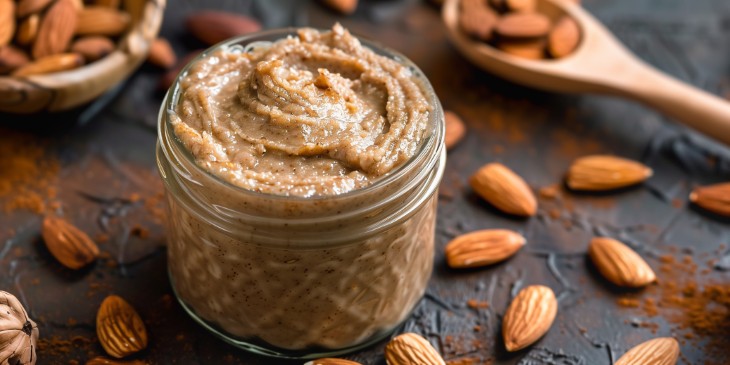
Like whole almonds, almond butter is magnesium-rich, providing an
impressive 88 mg per two-tablespoon serving. It offers the same
nutritional benefits as whole almonds but in a more versatile,
spreadable form that some people find easier to incorporate into their
diet. Almond butter has a rich, slightly sweet flavor and smooth or
crunchy texture depending on your preference. It's excellent spread on
whole wheat bread (which adds another 24 mg of magnesium), used as a dip
for fruit or vegetables, stirred into oatmeal, or added to smoothies
for extra creaminess and nutrition. When shopping, choose almond butter
with minimal ingredients—just almonds and maybe salt. The healthy fats
in almond butter support brain health and help your body absorb
fat-soluble vitamins. It's higher in calcium than peanut butter, adding
another nutritional advantage.
12. Soy Milk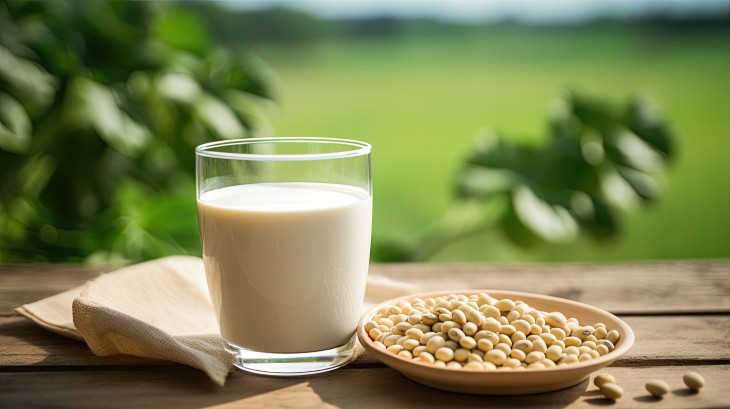
For those avoiding dairy, soy milk is an excellent alternative that provides 51 mg of magnesium per cup. It's the only plant-based milk that naturally contains protein levels comparable to cow's milk, offering about 7-9 grams of complete protein per cup. Most commercial soy milk is fortified with calcium and vitamin D, making it nutritionally equivalent to dairy milk for bone health. Soy milk has a mild, slightly sweet flavor and creamy texture that works well in coffee, tea, smoothies, cereal, or baking. It contains isoflavones, plant compounds with antioxidant properties. Unlike some plant-based milks, soy milk won't separate in hot beverages. Choose unsweetened varieties to avoid added sugars, and look for organic options if you're concerned about GMOs. It's shelf-stable when unopened, making it convenient for stocking your pantry.
13. Yogurt
An 8-ounce cup of plain, non-fat yogurt delivers 40 mg of magnesium
along with probiotics—beneficial bacteria that support digestive health
and immune function. Yogurt is an excellent source of protein, providing
about 10-15 grams per cup, which helps with muscle maintenance and
satiety. It's also rich in calcium for bone health and contains B
vitamins, particularly B12 and riboflavin. Greek yogurt contains even
more protein than regular yogurt. The tangy flavor of plain yogurt can
be customized with fresh fruit, honey, or cinnamon, or you can enhance
its magnesium content by topping it with pumpkin seeds, almonds, or chia
seeds. Yogurt's versatility extends beyond snacking—it can be used in
smoothies, as a base for dips, or as a healthier substitute for sour
cream. Choose plain varieties to control sugar intake, as flavored
yogurts often contain significant added sugars.
14. Dried Peas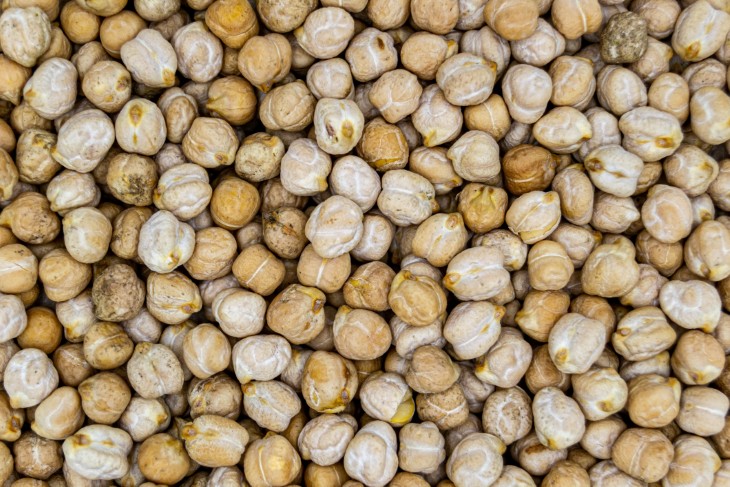
These crunchy legume snacks, available plain or with wasabi seasoning, provide 35 mg of magnesium per half-cup serving. Dried peas have a satisfyingly crispy texture similar to nuts but are lower in fat and calories. The wasabi-coated version adds an exciting, spicy kick that makes snacking more interesting while potentially boosting metabolism. Like other legumes, dried peas are rich in plant-based protein and fiber, which work together to promote fullness and support digestive health. They also provide iron for energy, B vitamins for metabolism, and various other minerals. The fun, popcorn-like texture makes them an engaging alternative to chips or crackers. They're perfect for portion-controlled snacking since their density and protein content help you feel satisfied with a smaller serving. Look for them in the snack aisle or buy them from bulk bins for better value.
15. Dried Figs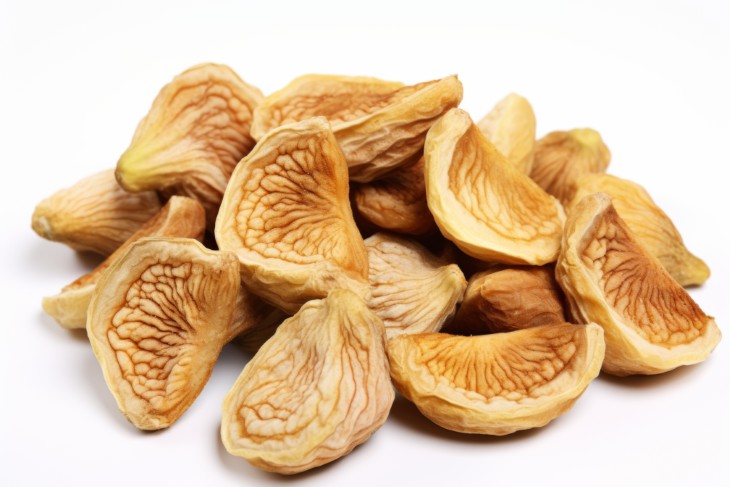
These naturally sweet fruits offer 12 mg of magnesium per two dried figs, making them a nutritious way to satisfy sweet cravings. Figs have been enjoyed for thousands of years and are packed with nutrients beyond magnesium. They're an excellent source of dietary fiber, with both soluble and insoluble types that support digestive health and may help lower cholesterol. Dried figs provide vitamin K for bone health and blood clotting, vitamin A for vision and immune function, B vitamins for energy metabolism, and minerals including potassium, calcium, and iron. Their natural sugars provide quick energy, while their fiber helps prevent blood sugar spikes. The chewy texture and honey-like sweetness make them a satisfying dessert alternative. They pair beautifully with nuts and cheese for a more substantial snack, or can be chopped and added to oatmeal, yogurt, or baked goods.
16. Dark Chocolate
Finally, a treat that's actually good for you! A one-ounce square of
dark chocolate containing 70-85% cocoa provides 64 mg of magnesium—a
significant portion of your daily needs. The higher the cocoa
percentage, the more magnesium and beneficial compounds it contains.
Dark chocolate is rich in flavonoids, powerful antioxidants that may
improve heart health by reducing inflammation and lowering blood
pressure. It also contains iron for blood health, zinc for immune
function, potassium for blood pressure regulation, and phosphorus for
bone health. The slight bitterness of high-quality dark chocolate comes
from its beneficial compounds, and many people find it more satisfying
than milk chocolate, making it easier to enjoy in moderation. A small
square can curb sweet cravings while providing genuine nutritional
benefits. Look for chocolate with minimal ingredients—cocoa, cocoa
butter, and sugar—without added oils or artificial ingredients. Enjoy it
mindfully as an afternoon pick-me-up or after-dinner treat.