Sunday, October 27, 2024

Vitamin D Deficiency Can Lead To Complicated Autoimmune Diseases

Fall has arrived colors are changing, and temperatures are dropping. In some places, these changes signal that it is time to brace yourself for winter. During winter the sun’s angle is too low to produce vitamin D in the skin, and this affects our levels of this essential nutrient and can lead to a vitamin D deficiency. This has been given the nickname “vitamin D winter”.

Vitamin D is an essential nutrient that has been established to help the body absorb calcium to promote strong bones, it helps to strengthen the immune system, plays an important role in cardiovascular health, helps to build and maintain muscle mass, helps to regulate blood pressure by helping the kidneys manage salt, plays roles in brain and cognitive function, and promotes health hair growth among other roles. 

More recent research published in Science Advances has discovered another important role of vitamin D, in which it helps to regulate the immune system. As children develop the thymus helps to train immune cells to distinguish between body tissues and invaders. This new research suggests that a vitamin D deficiency during this crucial stage of life causes the thymus to age more quickly, finding a vitamin D deficiency early in life is associated with a higher risk of autoimmune diseases.

Impacts Of Vitamin D Deficiency

“An aging thymus leads to a ‘leaky’ immune system,” said lead author John White, a Professor in and Chair of McGill’s Department of Physiology. “This means the thymus becomes less effective at filtering out immune cells that could mistakenly attack healthy tissues, increasing the risk of autoimmune diseases like Type 1 diabetes.”

“Our findings bring new clarity to this connection and could lead to new strategies for preventing autoimmune diseases,” said White.

“In places like Montreal, where we stop making the vitamin from sunlight between late fall and early spring, supplementation is key,” said White. “If you have a young child, it’s important to consult with your healthcare provider to ensure they’re getting enough.”

This breakthrough study builds on previous research following over 10,000 Finnish children, finding that those given dietary supplements early in life containing vitamin D to avoid developing a vitamin D deficiency had a five-fold decrease in the risk of developing Type 1 diabetes later in life. Finland has a long period of “vitamin D winter” thus serving as an ideal case study to learn more about the roles that vitamin D may play.

The researchers noted that although this study was conducted with mice, the findings are still relevant as the thymus functions similarly in both species. For this study, the mice were not able to produce vitamin D to investigate how the thymus was affected by a vitamin D deficiency, using cell analysis and gene sequencing to examine the impacts on the immune system. 

Moving forward White hopes to further explore how vitamin D impacts the thymus and hopes to conduct future studies involving the human thymus which was noted to have never been done before. 

Tips

Even though it’s harder to get vitamin D from the sun in the winter, you can still try to get outside for 20 minutes a few times a week to help mitigate the seasonal drop in vitamin D levels. To make sure that you are getting enough vitamin D and avoid developing a vitamin D deficiency during the upcoming long winter months, food sources such as fatty fish like salmon, tuna, and sardines, as well as cod liver oil, beef liver, egg yolks, and some types of mushrooms, are all good sources of vitamin D. 

As with anything you read on the internet, this article should not be construed as medical advice; please talk to your doctor or primary care provider before changing your wellness routine. WHN does not agree or disagree with any of the materials posted. This article is not intended to provide a medical diagnosis, recommendation, treatment, or endorsement. Additionally, it is not intended to malign any religion, ethnic group, club, organization, company, individual, or anyone or anything. These statements have not been evaluated by the Food and Drug Administration.


This is only for your information, kindly take the advice of your doctor for medicines, exercises and so on.   

https://gscrochetdesigns.blogspot.com. one can see my crochet creations  
https://gseasyrecipes.blogspot.com. feel free to view for easy, simple and healthy recipes    
https://kneereplacement-stickclub.blogspot.com. for info on knee replacement
https://cancersupportindia.blogspot.com  for infor on cancer and health related topics
https://GSiyers home remedies.blogspot.com   is the latest addition to my blogs. I'm going to add posts there, do give me your valuable feed back on my blogs. Thanks a lot, take care, be healthy and be happy.


Labels: , , , , , , , , ,

Tuesday, August 22, 2023

Vitamin D Deficiencies Are NOT Caused By Sunblock

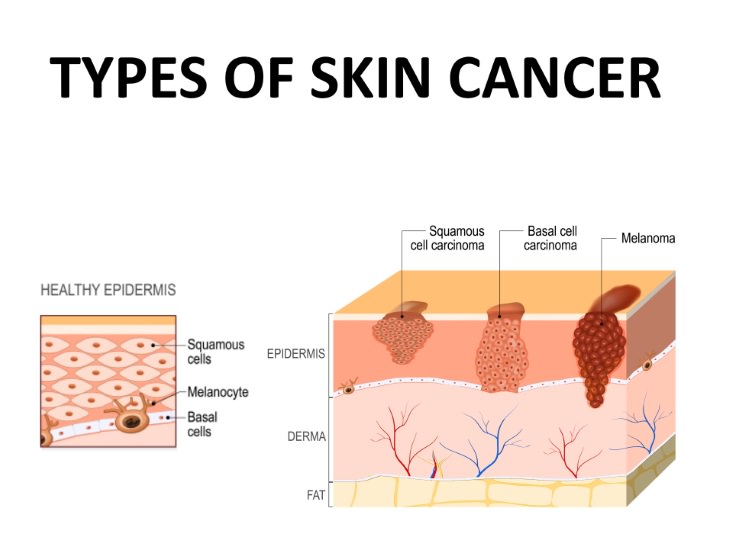
Your skin is your biggest organ, and simultaneously, it is the part of your body that is exposed the most to the elements. Despite the skin’s amazing regenerative capabilities, it does get injured quite a lot, with the sun being one of the main culprits behind skin cancer and aging. Scientists have long been convinced that sun exposure is directly causing melanoma and other types of skin cancer, but the skin cancer epidemic persists and spreads. We have to wonder to ourselves why this is. 
 
In part, this is because we still lack proper education about sun protection, with several myths spreading dangerous misinformation. Here are 8 of the most common sun protection myths we found.


Myth 1. If you apply sunscreen, you will be deficient in vitamin D
sun exposure myths sunblock
Many people refuse to apply sunscreen because they believe that it will make them vitamin D deficient. In the northern hemisphere, some people even intentionally go to tanning beds in the cold months to increase their vitamin D levels. The fact of the matter is that tanning bed visits don’t increase vitamin D levels, whereas a healthy diet or a vitamin D supplement can, and neither of the latter are carcinogenic like tanning beds are.

If you decide to get your vitamin D from the sun by simply skipping sunscreen, this exposes you to skin cancer for no reason whatsoever, as all studies on this topic have shown that wearing sunscreen daily doesn’t cause vitamin D deficiency. In fact, a vegan diet, metabolic and kidney issues, and obesity are all more likely to make you have lower than normal levels of vitamin D than a lack of sun exposure.

But even if your healthcare provider ruled out all of the above-mentioned causes of vitamin D deficiency, it is safer for you to take a vitamin D supplement than stop wearing SPF.


Myth 2. Skin cancer is not as dangerous as other types of cancer
sun exposure myths skin cancer

While it’s definitely great news that advancements in medicine help a significant portion of skin cancer patients survive, it certainly doesn’t take away from the fact that we have a skin cancer epidemic worldwide, with US statistics in particular recording that the yearly occurrence of skin cancer in the US population is triple the amount of that of all the remaining types of cancer combined.

Even more alarming statistical information lists that 1 skin cancer patient dies every hour in the US alone. Given all this information, it is certainly impossible to conclude that skin cancer is less of an issue than other types of cancer.


Myth 3. There is a “healthy” level of tan
sun exposure myths healthy tan

The notion of a healthy or so-called “base tan” is ever-growing, with many people claiming that a healthy tan can even protect your skin from burning. Unfortunately, this, too, is a myth, and dermatologists point out that getting a tan is in itself evidence of sun damage and, very likely, DNA damage.

The way our skin works is that it tries to protect its cells and DNA from sun damage by increasing melanin levels, so your bronzy glow is actually your skin’s alarm signal, and not something to seek out.


Myth 4. Those with darker skin don’t need to apply sunscreen
sun exposure myths dark skins don't have to wear sunblock

It’s certainly true that those of us with more melanin in our skin have a little more natural protection against the sun than fair-skinned people. Still, this doesn’t mean that dark-skinned people don’t get skin cancer. In fact, this myth is so pervasive, that medical reviews systematically report a scary and alarming picture: those with dark skin are more likely to be diagnosed with melanoma in its late stages and have a worse survival rate.

That’s why it is crucial for everyone, irrespective of skin color, age, or any other characteristic to protect themselves from the sun daily and undergo regular skin checks.


Myth 5. Sunbeds and sun exposure is the only way to get an even tan
 
It’s impossible to deny that having a bronzy, tan body is still considered fashionable and attractive, and many people seek out that tanned look, even if it means risking their health. 
 
And while we hope that this self-destructive fashion will pass soon, it is good to know that sunless tanning products have come a really long way and are effective at giving your the much-desired natural tan look without compromising your health. They come in a variety of forms: bronzers, tanning mousses, drops, body creams and even tanning waters that feel very light on the skin. Plus, by using a sunless tanner you can be tan all year round


Myth 6. Tanning is safe if you don’t burn

Getting a sunburn, especially a severe one, significantly increases the likelihood of getting melanoma, the deadliest of skin cancers. However, even those who don’t get sunburns and don’t tan intentionally can get it, which is a testament to the idea that sun exposure, in any quantities, is dangerous, especially if anyone in your family was ever diagnosed with skin cancer. 
 
Apart from posing a danger to your health, sun exposure is the main cause of skin aging as well, so if your initial intention to get a tan was aesthetic, you might want to reconsider. For further proof of how aging the sun can be, consider the photo of this 69-year-old truck driver, whose left side of his face was exposed to the sun through the truck’s window for almost 30 years, while the right side wasn’t. 
 
As you can see, the side that was exposed to UV rays looks much older than the one that was more protected against the sun. 
 
Myth 7. Only UVB light is dangerous
sun exposure myths UVA UVB
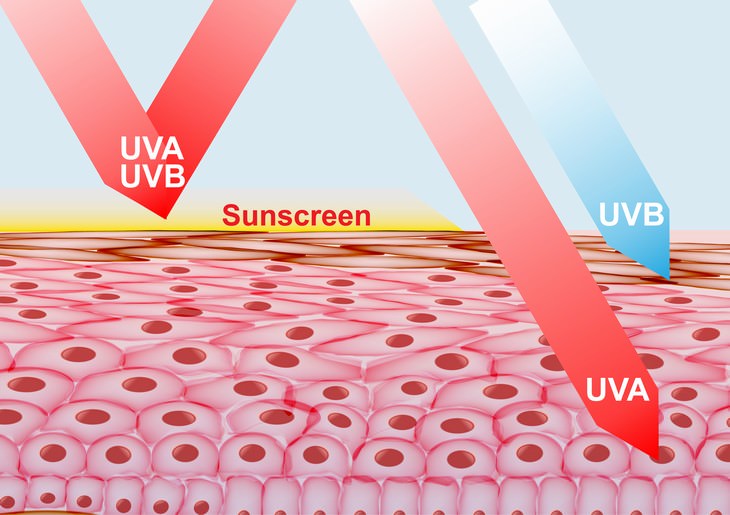
If you look at a bottle of sunscreen, you may notice a “broad-spectrum” label on it, or both a UVA and a UVB icon. This label means that the SPF protects against both types of UV rays (UVA and UVB). If no such label exists, it means that the product shields you against UVB light only, which is the type of light that causes sunburns. 
 
However, medical research shows that UVA light is likely as dangerous if not more than UVB rays, as exposure to the former is linked to melanoma and skin aging. That’s why you should always opt for a broad-spectrum sunscreen, but that’s not all. As you may or may not know, tanning beds usually operate using mostly UVA rays, and these contraptions have been time and time linked to skin cancer, with several countries banning them altogether. 
 
For example, research shows that your risk of skin cancer increases by 75% if you used tanning beds before the age of 35, so everyone is safer simply staying away from those things. 
 
Myth 8. You only have to wear sunscreen when you’re at the beach
We get it, wearing sunblock every day is annoying, and reapplying it is even worse, so many people end up using it only when they’re spending a lot of time outdoors. However, dermatologists urge everyone to wear sunscreen everyday, especially on the parts on the face, hands and any other parts of the body not protected by clothing. 
 
Even people who live in colder climates or spend a lot of time indoors should wear sunscreen daily year round, as many skin cancers are caused by UVA rays, which is abundant irrespective of the weather. When outside, you should also reapply sunblock every 2 hours, as it decomposes and gets rubbed or washed off. If you’re interested in even more sunscreen myths, watch this bonus video below.


This is only for your information, kindly take the advice of your doctor for medicines, exercises and so on.   

https://gscrochetdesigns.blogspot.com. one can see my crochet creations  
https://gseasyrecipes.blogspot.com. feel free to view for easy, simple and healthy recipes    
https://kneereplacement-stickclub.blogspot.com. for info on knee replacement
https://cancersupportindia.blogspot.com  for infor on cancer and health related topics
https://GSiyers home remedies.blogspot.com   is the latest addition to my blogs. I'm going to add posts there, do give me your valuable feed back on my blogs. Thanks a lot, take care, be healthy and be happy.

Labels: , , , ,

Thursday, January 20, 2022

5 signs of Vitamin Deficiency on your face

Your face can tell if you're suffering from any Vitamin deficiency

When it comes to securing a healthy body, eating nutritious, vitamin-rich foods is important. Whether you're trying to lose weight or are obligated to follow a restrictive diet due to a health condition, you must ensure that you find healthy food alternatives to keep your body enriched at all times. Any sort of Vitamin deficiency can prove harmful for your body, depriving you of your ability to perform various activities.

Given that Vitamins are essential for the growth and development of our body, anyone deficient of it may develop specific symptoms, and may showcase certain changes not just internally but also on their face. Here are some signs of Vitamin deficiency to watch out for on your face.

Skin acne and dryness

 Acne and dry skin can be an outcome of various hormonal changes. It can also be a consequence of dirt and germ accumulation. However, if you're deficient in certain vitamins, changes on your skin can be a tell-tale sign. Insufficient levels of Vitamin A and E can lead to acne formation on your face, whereas low levels of Vitamin B12 deficiency can make your skin look paler than ever. That said, to confirm your diagnosis, look out for signs of extreme fatigue, mood changes and more.

Swollen, puffy eyes

An allergy may cause your eyes to swell. But if it is more frequent and happens every time you wake up in the morning, it may be a sign of low iodine levels in the body. Studies have linked iodine deficiency with thyroid diseases, which can often lead to fatigue, unexplained weight gain and of course puffy eyes.

Bleeding gums

Vitamin C deficiency can cause a lot of damage to the body and our health. One of the signs to watch out for are bleeding gums, also known as 'scurvy'. Other symptoms may include easy bruising, bleeding and joint and muscle pain. That said, in order to increase your Vitamin C levels in the body, eat a lot of citrus fruits like oranges, lemons, and grapefruit.

Pale lips

Having pale, discoloured lips can be a sign of many underlying diseases. However, often it is one of the most common symptoms of anaemia, a condition that occurs from low levels of red blood cells in the body. Low iron levels in the body is what causes a lack in RBC count, making it difficult to carry oxygen to the body's tissues. Hence it can lead to discolouration of the skin and lips. Apart from that, iron deficiency may also weaken one's immune system.

Damaged, dry hair

Damaged, dry hair

If you have damaged, dry hair, you could be lacking biotin, also known as vitamin B7 in your body. Biotin are nutrients that help keep your hair nourished. Low levels of biotin therefore lead to dandruff-ridden, dry hair. Other than that, it may also lead to brittle nails and thinning hair. Therefore, eat foods that are high in Vitamin B7 including lean meat, fruits, vegetables, legumes and fish.


This is only for your information, kindly take the advice of your doctor for medicines, exercises and so on.   

https://gscrochetdesigns.blogspot.com. one can see my crochet creations  
https://gseasyrecipes.blogspot.com. feel free to view for easy, simple and healthy recipes    
https://kneereplacement-stickclub.blogspot.com. for info on knee replacement

Labels: , , , , , , , , ,

Monday, October 18, 2021

12 Subtle Vitamin D Deficiency Symptoms That Most People Ignore

Vitamin D deficiency is more common than you may think. In fact, it is so common that The American Journal of Clinical Nutrition called it a worldwide problem which is recognized as a pandemic. A survey in the UK showed that more than half of adults in the UK did not have enough vitamin D, and in the winter and spring about 1 in 6 people have a severe deficiency.

Studies suggest that vitamin D deficiency is lined to diseases such as osteoporosis, dementia, diabetes, depression and even cancer.

What is vitamin D and Why it’s So Important

Vitamin D is important for a good overall health and it plays an important role in making sure our muscles, heart, lungs and brain function well.

Vitamin D is required for strong immune system. Scientific review of 25 randomized controlled studies published in the BMJ concluded that vitamin D supplementation boosts immunity and cuts rates of cold and flu.

Our body can make its own vitamin D from sunlight but many people have low levels during winter.

You can also get vitamin D from supplements, and a very small amount comes from a few foods you eat, such as some fish, fish liver oils, egg yolks and in fortified dairy, cereals and grain products.

What makes vitamin D unique compared to other vitamins is that your body can make its own vitamin D when you expose your skin to sunlight, whereas you need to get other vitamins from the foods you eat.

How Long should you Spend in the Sun to get Enough Vitamin D?

Finding out how long to stay in the sun in order to produce enough amounts of vitamin D can be very tricky and is different for every person, hence there isn’t one recommendation for everyone.

The reason for that is that the amount of time you need to spend in the sun for your skin to make enough vitamin D depends on a number of factors, such as how dark your skin is or how easily you get sunburnt, the thickness of the ozone layer, the time of the year and what time of day it is.

It is believed that short daily period of sun exposure without sunscreen (about 10-15 minutes for lighter-skinned people) during the summer months is enough for most people to make enough vitamin D.

Evidence suggests that the most effective time of day for vitamin D production is between 11am and 3pm. The larger the area of skin that is exposed to sunlight, the more chance there is of making enough vitamin D before you start to burn.

Common Causes of Lack of Vitamin D

  • Limited exposure to sunlight – Some of us live in northern latitudes, wear long clothes, or have a job that is taken place mostly indoors. Also sunscreen inhibits vitamin D production.
  • Dark skin – People with dark skin have higher levels of melanin, and this pigment reduces the skin’s ability to make vitamin D when exposed to sunlight.
  • Kidney and liver function – These organs play an important role in converting vitamin D to its active form, so kidney or liver diseases can reduce the ability of these organs to create biologically active form of vitamin D in the body.
  • Strict vegetarian diet – Food sources that contain vitamin D are mostly animal-based, such as fish and fish oils, egg yolks, cheese, fortified milk and beef liver.
  • Digestive problems – Certain medical conditions, such as Crohn’s disease, cystic fibrosis, and celiac disease can reduce the ability of the intestines to absorb vitamin D from food.
  • Obesity – Obesity may cause low vitamin D levels. Research suggests that vitamin D may become ‘trapped’ inside fat tissue so less of it is available in our blood circulation.

Vitamin D Deficiency Related Diseases & Conditions

Researchers are still working to fully understand how vitamin D works within our body and how it affects our overall health, but it is believed to be a link between vitamin D deficiency to quite a number of ailments

1. Osteoporosis – An adequate amounts of calcium and vitamin D are important for maintaining bone density and strength. A lack of vitamin D causes calcium-depleted bone, which further weakens the bones and increases the risk of fractures.

2. Asthma – Vitamin D deficiency is linked to lower lung functions and worse asthma control, especially in children. Vitamin D may improve asthma control by blocking inflammation-causing proteins in the lung, as well as increasing production of another protein which has anti-inflammatory effects. Read the article about natural treatments for asthma, which vitamin D is one of them.

3. Heart health – Vitamin D deficiency may be linked to a higher risk of high blood pressure (hypertension) as well as increased risk of death from cardiovascular disease.

4. Inflammation – It has been found that vitamin D deficiency is associated with inflammation, a negative response of the immune system. Vitamin D deficiency has been linked to a number of inflammatory diseases, including rheumatoid arthritis, lupus, inflammatory bowel disease (IBD) and type 1 diabetes.

5. Cholesterol – Vitamin D regulates cholesterol levels in the blood: it has been shown that without adequate sun exposure, vitamin D precursors turn to cholesterol instead of vitamin D.

6. Allergies – Studies show that children who had lower levels of vitamin D are more likely to have multiple food allergies.

7. Influenza – Some studies showed a link between lack of vitamin D and common respiratory infections, and indicate that people with the lowest vitamin D levels report having significantly more cases of cold and flu than those with higher levels.

8. Depression – Vitamin D deficiency is linked to depression: receptors for vitamin D are present on many areas of the brain and are involved in numerous brain processes, making it likely that this vitamin might be associated with depression and that vitamin D supplements might play an important role in treating depression.

9. Type-2 Diabetes – Studies have demonstrated correlations between low vitamin D levels and the development of type 2 diabetes. Different studies provide evidence that vitamin D may contribute to glucose tolerance through its effects on insulin secretion and insulin sensitivity.

10. Oral health – Several recent reports demonstrate a significant association between periodontal health and the intake of vitamin D. Also elderly patients with low vitamin D levels have a higher rate of tooth loss than those with high vitamin D levels.

11. Rheumatoid arthritis – Low vitamin D may play a role in developing rheumatoid arthritis. Studies have found that women who get more vitamin D seem less likely to get rheumatoid arthritis. Also among people who already have rheumatoid arthritis, those with low vitamin D levels tend to have more active symptoms.

12. Cancer – Vitamin D deficiency may be linked to cancer: a certain study indicated that more than 75% of people with a variety of cancers have low levels of vitamin D, and the lowest levels are associated with more advanced cancers. However additional research is required to determine whether higher vitamin D levels are related to lower cancer incidence or death rates.


Vitamin D Deficiency Increases the Risk of Dementia and Alzheimer’s Disease

Dementia is a chronic and progressive syndrome. It’s an umbrella term, under which several diseases and conditions are classified. The most prevalent type of dementia is Alzheimer’s disease.

Other common types include vascular dementia, dementia with Lewy Bodies and fronto-temporal dementia. There are over 35.6 million people living with dementia worldwide, and a new case emerges every 7 seconds.

Now, scientists linked vitamin D deficiency with a substantially increased risk of dementia and Alzheimer’s disease in older people. The research findings are very valuable and open up fresh possibilities in this area of health care and prevention.

Vitamin D deficiency and dementia

The dementia study published in Neurology was conducted by an international team of researchers. 1,658 adults aged 65 and over were included in the study and followed over a period of six years.

The participants had to be able to walk unaided and were free from dementia, cardiovascular disease and stroke at the start of the study. It was discovered that adults who were moderately deficient in vitamin D (their vitamin D levels were between 25 and 50 nanomoles per liter) had a 53% increased risk of developing dementia of any kind.

The risk increased to 125% in those who were severely deficient (their vitamin D levels were below 25). For Alzheimer’s disease, the risk was 69% higher for those who were moderately deficient, and 122% higher for the severely deficient group.

Previous studies have established that there is a connection between low vitamin D levels and development of cognitive problems, but this is the first and most robust study that showed the significant risk of dementia and Alzheimer’s disease in people with vitamin D deficiency.

One of the researchers, Dr. David Llewellyn from the University of Exeter Medical School, points out that further clinical studies are needed to establish if eating vitamin D rich foods or taking supplements could indeed delay or even prevent the onset of Alzheimer’s disease and dementia.

Vitamin D and Influenza

Studies suggest that vitamin D deficiency may actually be a major cause of influenza. A review of medical studies published in the British Medical Journal suggests that food should be fortified with vitamin D because it protects against acute respiratory tract infection such as cold and flu.

Researchers claim that vitamin D supplements could prevent more than 3.25 million cases of cold and flu each year in the U.K alone.

The most interesting finding of the study was that vitamin D is a more effective than flu vaccine.

Overall, the study said one person would be spared from influenza for every 33 people taking a vitamin D. However 40 people have to receive the flu vaccine in order to prevent one case of the flu.

That is more effective than flu vaccination, which needs to treat 40 to prevent one case.

Those with severe vitamin D deficiency benefited the most from vitamin D supplementation. For these people, vitamin D supplementation was 10 times more effective than the flu vaccine.

The medical review suggests that taking vitamin D pills daily or weekly is better than taking one monthly super-dose of vitamin D.

Vitamin D is one of the many foods and supplements that can boost your immune system. You should also include in your diet nature’s most powerful antibiotics.

Another placebo-controlled, double-blind study showed that 93.3% of flu patients given certain food were completely symptom-free within two days.

What to do if you have a vitamin D deficiency?

Talk to your doctor if you’re concerned about the level of vitamin D you get from the sun and your diet. A simple blood test can determine whether or not you have vitamin D deficiency. Your doctor can advise if you need to take a vitamin D supplement. There is no consensus on vitamin D levels required for optimal health, and it differs depending on age and health conditions.

This is only for your information, kindly take the advice of your doctor for medicines, exercises and so on.   

https://gscrochetdesigns.blogspot.com. one can see my crochet creations  
https://gseasyrecipes.blogspot.com. feel free to view for easy, simple and healthy recipes    
https://kneereplacement-stickclub.blogspot.com. for info on knee replacement


Labels: , , , , , , , , , , , ,