Tuesday, August 22, 2023

Vitamin D Deficiencies Are NOT Caused By Sunblock

Your skin is your biggest organ, and simultaneously, it is the part of your body that is exposed the most to the elements. Despite the skin’s amazing regenerative capabilities, it does get injured quite a lot, with the sun being one of the main culprits behind skin cancer and aging. Scientists have long been convinced that sun exposure is directly causing melanoma and other types of skin cancer, but the skin cancer epidemic persists and spreads. We have to wonder to ourselves why this is. 
 
In part, this is because we still lack proper education about sun protection, with several myths spreading dangerous misinformation. Here are 8 of the most common sun protection myths we found.


Myth 1. If you apply sunscreen, you will be deficient in vitamin D

sun exposure myths sunblock
Many people refuse to apply sunscreen because they believe that it will make them vitamin D deficient. In the northern hemisphere, some people even intentionally go to tanning beds in the cold months to increase their vitamin D levels. The fact of the matter is that tanning bed visits don’t increase vitamin D levels, whereas a healthy diet or a vitamin D supplement can, and neither of the latter are carcinogenic like tanning beds are.

If you decide to get your vitamin D from the sun by simply skipping sunscreen, this exposes you to skin cancer for no reason whatsoever, as all studies on this topic have shown that wearing sunscreen daily doesn’t cause vitamin D deficiency. In fact, a vegan diet, metabolic and kidney issues, and obesity are all more likely to make you have lower than normal levels of vitamin D than a lack of sun exposure.

But even if your healthcare provider ruled out all of the above-mentioned causes of vitamin D deficiency, it is safer for you to take a vitamin D supplement than stop wearing SPF.


Myth 2. Skin cancer is not as dangerous as other types of cancer
sun exposure myths skin cancer

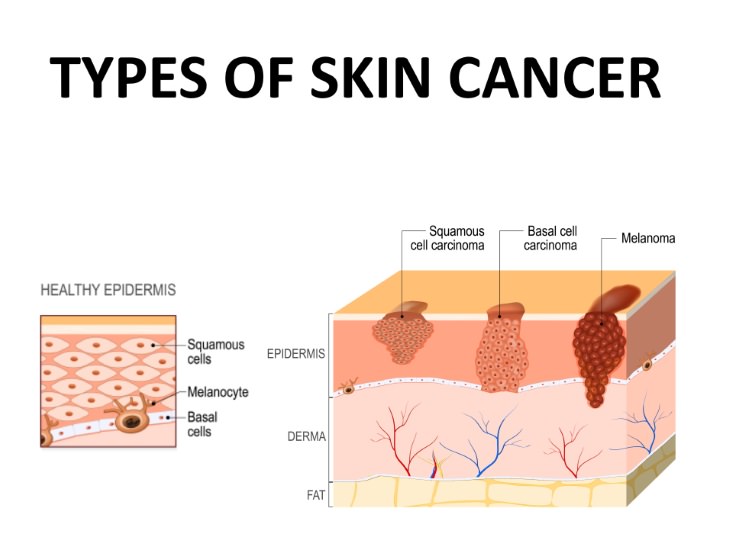
While it’s definitely great news that advancements in medicine help a significant portion of skin cancer patients survive, it certainly doesn’t take away from the fact that we have a skin cancer epidemic worldwide, with US statistics in particular recording that the yearly occurrence of skin cancer in the US population is triple the amount of that of all the remaining types of cancer combined.

Even more alarming statistical information lists that 1 skin cancer patient dies every hour in the US alone. Given all this information, it is certainly impossible to conclude that skin cancer is less of an issue than other types of cancer.


Myth 3. There is a “healthy” level of tan

sun exposure myths healthy tan

The notion of a healthy or so-called “base tan” is ever-growing, with many people claiming that a healthy tan can even protect your skin from burning. Unfortunately, this, too, is a myth, and dermatologists point out that getting a tan is in itself evidence of sun damage and, very likely, DNA damage.
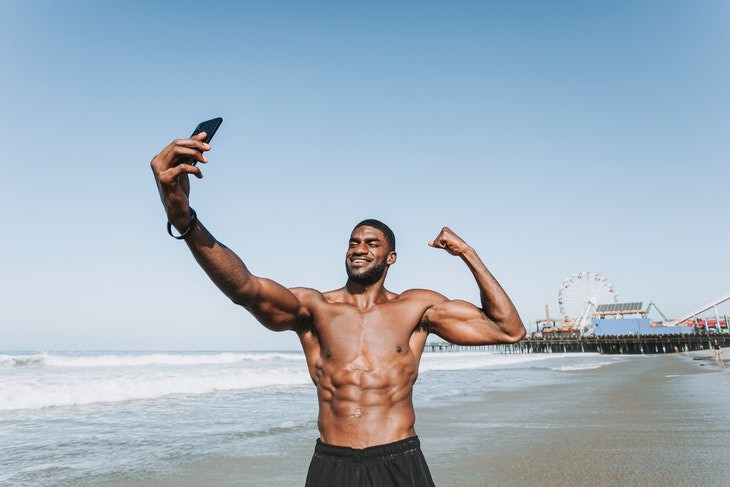
The way our skin works is that it tries to protect its cells and DNA from sun damage by increasing melanin levels, so your bronzy glow is actually your skin’s alarm signal, and not something to seek out.


Myth 4. Those with darker skin don’t need to apply sunscreen
sun exposure myths dark skins don't have to wear sunblock

It’s certainly true that those of us with more melanin in our skin have a little more natural protection against the sun than fair-skinned people. Still, this doesn’t mean that dark-skinned people don’t get skin cancer. In fact, this myth is so pervasive, that medical reviews systematically report a scary and alarming picture: those with dark skin are more likely to be diagnosed with melanoma in its late stages and have a worse survival rate.

That’s why it is crucial for everyone, irrespective of skin color, age, or any other characteristic to protect themselves from the sun daily and undergo regular skin checks.


Myth 5. Sunbeds and sun exposure is the only way to get an even tan
 
It’s impossible to deny that having a bronzy, tan body is still considered fashionable and attractive, and many people seek out that tanned look, even if it means risking their health. 
 
And while we hope that this self-destructive fashion will pass soon, it is good to know that sunless tanning products have come a really long way and are effective at giving your the much-desired natural tan look without compromising your health. They come in a variety of forms: bronzers, tanning mousses, drops, body creams and even tanning waters that feel very light on the skin. Plus, by using a sunless tanner you can be tan all year round


Myth 6. Tanning is safe if you don’t burn

Getting a sunburn, especially a severe one, significantly increases the likelihood of getting melanoma, the deadliest of skin cancers. However, even those who don’t get sunburns and don’t tan intentionally can get it, which is a testament to the idea that sun exposure, in any quantities, is dangerous, especially if anyone in your family was ever diagnosed with skin cancer. 
 
Apart from posing a danger to your health, sun exposure is the main cause of skin aging as well, so if your initial intention to get a tan was aesthetic, you might want to reconsider. For further proof of how aging the sun can be, consider the photo of this 69-year-old truck driver, whose left side of his face was exposed to the sun through the truck’s window for almost 30 years, while the right side wasn’t. 
 
As you can see, the side that was exposed to UV rays looks much older than the one that was more protected against the sun. 
 
Myth 7. Only UVB light is dangerous
sun exposure myths UVA UVB
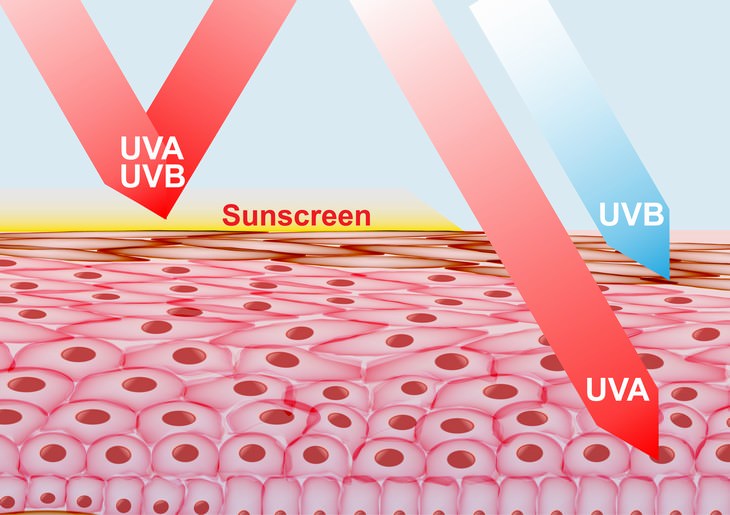
If you look at a bottle of sunscreen, you may notice a “broad-spectrum” label on it, or both a UVA and a UVB icon. This label means that the SPF protects against both types of UV rays (UVA and UVB). If no such label exists, it means that the product shields you against UVB light only, which is the type of light that causes sunburns. 
 
However, medical research shows that UVA light is likely as dangerous if not more than UVB rays, as exposure to the former is linked to melanoma and skin aging. That’s why you should always opt for a broad-spectrum sunscreen, but that’s not all. As you may or may not know, tanning beds usually operate using mostly UVA rays, and these contraptions have been time and time linked to skin cancer, with several countries banning them altogether. 
 
For example, research shows that your risk of skin cancer increases by 75% if you used tanning beds before the age of 35, so everyone is safer simply staying away from those things. 
 
Myth 8. You only have to wear sunscreen when you’re at the beach
We get it, wearing sunblock every day is annoying, and reapplying it is even worse, so many people end up using it only when they’re spending a lot of time outdoors. However, dermatologists urge everyone to wear sunscreen everyday, especially on the parts on the face, hands and any other parts of the body not protected by clothing. 
 
Even people who live in colder climates or spend a lot of time indoors should wear sunscreen daily year round, as many skin cancers are caused by UVA rays, which is abundant irrespective of the weather. When outside, you should also reapply sunblock every 2 hours, as it decomposes and gets rubbed or washed off. If you’re interested in even more sunscreen myths, watch this bonus video below.


This is only for your information, kindly take the advice of your doctor for medicines, exercises and so on.   

https://gscrochetdesigns.blogspot.com. one can see my crochet creations  
https://gseasyrecipes.blogspot.com. feel free to view for easy, simple and healthy recipes    
https://kneereplacement-stickclub.blogspot.com. for info on knee replacement
https://cancersupportindia.blogspot.com  for infor on cancer and health related topics
https://GSiyers home remedies.blogspot.com   is the latest addition to my blogs. I'm going to add posts there, do give me your valuable feed back on my blogs. Thanks a lot, take care, be healthy and be happy.

Labels: , , , ,

Wednesday, January 04, 2023

7 Myths About Burning Calories

How much of what we hear about calorie burning is true? Does exercise cause us to gain weight instead of lose it? Do different genders burn calories differently? How reliable are calorie-tracking apps? We'll separate the facts from the fiction and get to the bottom of these and other questions concerning calorie-burning myths.

Many of us have gone through a dieting experience, and we know that there are plenty of misconceptions about this topic, such as the link between burning calories and age, sex, and physical activity. Some of these have a basis in fact, while others are completely fabricated. In this article, we'll explore seven popular beliefs about calorie burning and determine which are true and which are false. 
 
1. Apps and fitness gadgets are not accurate calorie-burning counters 
Although the info we provide, such as age, height, and weight can be helpful, it's simply not enough. Recent studies have revealed the involvement of genes in burning fewer calories, meaning that two people with the same body measurements may have very different caloric burning rates. So, even though these technologies can be useful, it's good to keep in mind that genetics plays a part too! 
 
2. Low-fat diets contribute to an effective loss of weight 
We've tried a lot of different diets in the past - like crash diets and severely low-calorie ones - and these can cause our body to go into starvation mode and slow down our calorie burning as a protective mechanism. Consequently, even if two people are the same age, weight, and height, they may still burn a different number of calories based on the number of diets they have done. Those that have gone through cycles of weight loss and weight gain will burn fewer calories. Moreover, the more muscles in our body, the more calories we burn, even when we're just sitting or sleeping. So, two people of the same weight and age, with the same height, may still differ in terms of the calories they burn if one of them has a higher muscle percentage and a lower fat percentage.
 
In summary, apps can give off inaccurate and deceiving information. Good news if you're a fan of snacking - peanuts, almonds, walnuts, sugar-free halva and even ice cream can help with feeling full. While it was once thought that low-fat diets were the best way to lose weight, recent studies suggest that low-carb diets are more beneficial. 
 
Research has revealed that cutting down on carbs helps regulate cravings for snacks, and fat aids in feeling full for longer. Furthermore, indulging in peanuts, almonds, nuts, sugar-free halva, and even light ice cream contributes to feelings of satiety, maintains stable blood sugar and insulin levels, keeps gluttony in check, and ultimately is beneficial for long-term health and weight loss. Thus, the popular trend today is not "Low Fat", but "Low Carb". Exciting, isn't it? 
 
3. You can lose weight without exercise 
Exercise is essential for our health, but don't let that be the reason for turning down a diet. That would be a mistake! Start a diet and add to physical activity when you're ready. In the end, most of the weight loss and calorie reduction will be due to diet. 
 
4. The number of calories you burn depends on your age  
Generally, this is accurate. As we age, our muscles naturally lessen in quantity and that leads to abatement in the calories we burn daily. Moreover, various physical issues like back pain and knee pain can appear, causing us to move and act more slowly, which decreases the number of calories burned. Likewise, hormonal changes like menopause in women and lower testosterone levels in men also result in a decrease in calorie burn. This can be partly counteracted with plenty of exercise.

5. The body strives to return to its previous weight and to rise again after a decrease  
When you start to put on weight, the existing fat cells become filled up and if you keep gaining, new fat cells will be created. They will stay with you forever and ever! 
 
Imagine if you managed to get back to the weight you were in your youth: even then you would have more fat cells than before. To stay underweight, these cells have to be smaller than normal, which is not easy for your body to do. That is why it's so critical to watch your calorie intake, so the fat cells don't expand again. 
 
6. There's a difference in calorie burning between women and men  
Generally, this holds. Men usually use more energy than women, and this occurs from birth itself. The main cause is that men tend to have a greater muscle mass and a higher amount of testosterone, which helps to maintain and form new muscles more readily. On the other hand, women generally have a higher fat percentage which is important for bearing children. 
 
 If the same food is given to both sexes, men will likely slim down more quickly. In the beginning, the man may even put on a bit of weight, but eventually, the pattern will switch.

7. Sports activity increases weight instead of losing it 
A person taking my diet program began going to the gym and surprisingly put on half a kilo in two weeks even while sticking to the diet. How come? I'll tell you! Exercises like strength training help to build muscles in different parts of the body, which then adds a slight weight increase. It's the muscles that use up much of the energy in our bodies, and the more muscle we have, the more calories are burned without any extra motion. Exciting, isn't it? 
 
You can't expect to sprout half a kilogram of muscle in an instant and start shedding the pounds right away. It often takes a few months before you start to see the results. This progress will halt if you keep using the same weights and challenge yourself with the same exercises. So don't worry if the number on the scale doesn't budge in the first couple of weeks of strength training. Keep up your healthy eating and you'll soon reap the rewards: the extra muscle will make a big difference in how many calories you burn each day.
 
 
This is only for your information, kindly take the advice of your doctor for medicines, exercises and so on.   

https://gscrochetdesigns.blogspot.com. one can see my crochet creations  
https://gseasyrecipes.blogspot.com. feel free to view for easy, simple and healthy recipes    
https://kneereplacement-stickclub.blogspot.com. for info on knee replacement

https://GSiyers home remedies.blogspot.com     is my latest addition to my blogs. I'm going to add posts there, do give me your valuable feed back on my blogs. Thanks a lot, take care, be healthy and be happy.

Labels: , , , , , , ,

Tuesday, November 01, 2022

It’s Time to Debunk These Misconceptions About Coffee

Coffee is one of the most popular beverages on the planet. Millions of people around the world can’t begin their day without a hot mug of coffee. Statistics show that 30 million American adults drink specialty coffee beverages every day!

There’s something so refreshing and comforting about a warm cup of coffee, isn’t there? While it’s so dearly loved, coffee is probably one of the most misunderstood drinks. For example, you may have heard that coffee aids weight loss and cures a bad hangover. There’s also a common belief that coffee is bad for health. So, how many of these so-called facts are true? Let’s try and dispel some common myths about caffeine. 
 
Myth 1: Coffee is bad for your health
Some people believe that drinking coffee is bad for health and avoid it altogether. Excessive consumption of coffee is the problem. The right amount of coffee, in fact, is good for you. According to a study conducted by Dr. Ang Zhou and Professor Elina Hyppönen of the University of South Australia, drinking more than six cups of coffee per day can negatively affect cardiovascular risk. 
 
Furthermore, recent research by Harvard University found that consuming about 2–5 cups of coffee a day “is linked to a lower likelihood of type 2 diabetes, heart disease, liver, and endometrial cancers, Parkinson’s disease, and depression.” The study authors also note that moderate coffee consumption can even reduce the risk of early death. 
 
Myth 2: Storing coffee in the fridge extends its freshness 
Many people believe that storing coffee in the fridge or freezer helps extend its freshness. While it’s always better to consume coffee beans when they’re fresh, storing them in the refrigerator isn’t the way. In fact, storing coffee beans in the fridge or freezer can actually ruin them, as it can cause too much moisture to condensate inside the container. The beans absorb moisture quickly and this can cause them to lose their potent flavor and may even result in mold. 
 
Experts suggest storing your coffee in the pantry in an airtight container. 
 
Myth 3: A morning cup of coffee will cure your hangover
The suggestion that a cup of coffee can help cure a hangover is incorrect. Caffeine does not speed up the sobering process, even though you may feel a little less groggy after drinking it. The University of Arkansas for Medical Sciences notes that coffee cannot reverse the effects of alcohol. Experts from the university's Department of Emergency Medicine say that coffee cannot sober you up, as it does not remove alcohol from the system. However, they do add that coffee may help partially reverse the sedative effect of alcohol. 
 
Only time can help get rid of your hangover and sober you up. So, please don’t depend on coffee for it.

Myth 4: Drinking coffee aids in weight loss
Caffeine is a stimulant that increases metabolism in the body. However, experts say that it might not be significant enough to bring any considerable change in weight. Furthermore, research on the connection between caffeine and weight loss isn’t definite. Theories suggest that caffeine can reduce the desire to eat for a short while, but there’s no evidence to show that regular consumption of coffee can help with weight loss. Sorry. Try exercising.
 
Myth 5: Darker roast coffee has more caffeine
Common Coffee Myths, Darker roast coffee
Most people think that dark-roasted coffee is much stronger and contains more caffeine than a light roast. Darker roasts boast a stronger and bolder flavor, but that doesn’t mean it has more caffeine. Quite the opposite, actually. Coffee beans lose caffeine and mass in the roasting process, resulting in slightly less caffeine. On the other hand, light-roasted coffee has the most caffeine, as it spends the least amount of time roasting. Therefore, it retains the highest amount of caffeine and acidity.  
 
Myth 6: Drinking coffee in the afternoon will cause insomnia
The stimulating effects of caffeine can give you an immediate increase in alertness and energy. While that can help us stay focused, drinking too much coffee can also have a disruptive effect on your sleep. That doesn’t mean, however, that your afternoon cup of coffee will keep you awake at night. Researchers recommend cutting off all caffeinated beverages and foods six hours before bed. So, if you've been scared to drink that one cup of coffee at 2 pm... Well, you shouldn't be. Just make sure you don’t overdo it.


This is only for your information, kindly take the advice of your doctor for medicines, exercises and so on.   

https://gscrochetdesigns.blogspot.com. one can see my crochet creations  
https://gseasyrecipes.blogspot.com. feel free to view for easy, simple and healthy recipes    
https://kneereplacement-stickclub.blogspot.com. for info on knee replacement

https://GSiyers home remedies.blogspot.com     is my latest addition to my blogs. I'm going to add posts there, do give me your valuable feed back on my blogs. Thanks a lot, take care, be healthy and be happy.

Labels: , , , , , , , ,