Sunday, March 03, 2024

You Won't Get the Vitamin D You Need If You Suffer From.

For those of us who live in North America, there is a very good chance that we don't get all the Vitamin D we need. In fact, about 42% of American adults are deficient in this nutrient. Though other studies suggest that the number is actually closer to 75%. Being deficient in vitamin D is associated with a number of health concerns including risk for Alzheimer's disease, diabetes, osteoporosis and heart disease. 
 
It has also been found that if you have been diagnosed with breast or prostate cancer, your chances of survival may be lower than someone with normal levels of vitamin D. This may sound alarming, though it shouldn't come as a surprise. After all, vitamin D isn't found in too many foods - with the exception of salmon and fortified milk and yogurt. The only other way to get the nutrient, is to expose your bear skin to the sun. But if you work indoors all day, this is highly unlikely. 
 
The best way to discover whether you are deficient in vitamin D is to take a blood test. Your levels should be between 45 to 50 µg/mL. This is something you may want to consider if you form part of these groups: 
 
1. You are over 55 vitamin D deficiency

vitamin D deficiency
Of course, aging does have its perks: you are smarter, more confident and may be enjoying a leisurely life of retirement. Nevertheless, there are some downside. As we age, we tend to become less mobile, making it difficult to spend time outdoors, which would result in getting less vitamin D. In addition, ageing skin cannot synthesize vitamin D as efficiently. According to a 2007 Canadian study, about 50% of older American adults with hip fractures were found to have low levels of vitamin D in their blood. So, you're likely falling short on the nutrient unless you are taking a daily supplement.


2. You work in an office

vitamin D deficiency
Working a 9 to 5 job would mean that you don't get much sun. According to the National Institutes of Health (NIH), people with occupations that limit sun exposure are unlikely to obtain adequate vitamin D from sunlight. This makes supplementation and a smart diet key to staying healthy. 
 
 
3. You have dark skin

vitamin D deficiency
Reports continue to show lower levels of vitamin D in those that identify themselves as black in comparison to those who identify themselves as white. This is because darker skin makes it more challenging for the body to produce vitamin D from sunlight, according to experts from the National Academies of Sciences, Engineering and Medicine's Foods and Nutrition Board. If you're darker skinned, you should rely on dietary sources of the nutrient, rather than sunlight to reach your daily vitamin D mark.


4. You suffer from inflammatory bowel disease

vitamin D deficiency
Vitamin D is a fat-soluble vitamin, this means its absorption depends on the gut's ability to take in fat. Fat malabsorption is associated with inflammatory bowel disease (IBD) - this includes conditions like Crohn's disease and ulcerative colitis. In fact, it has been shown that up to 70% of people with IBD have insufficient vitamin D levels, according to a Journal of Gastroenterology and Hepatology report. If you suffer from IBD, speak to your doctor and check whether you are getting enough vitamin D. 
 
 
5. You have a high body fat percentage

vitamin D deficiency
If your body mass index (BMI) is over 30 or you have a high body fat percentage, it may be more challenging for vitamin D to circulate throughout your body, the NIH reports. Nevertheless, this doesn't mean that you will always be deficient. Be sure to speak to your doctor and find out just how much vitamin D you will need. 
 
 
6. You are taking certain medications
vitamin D deficiency
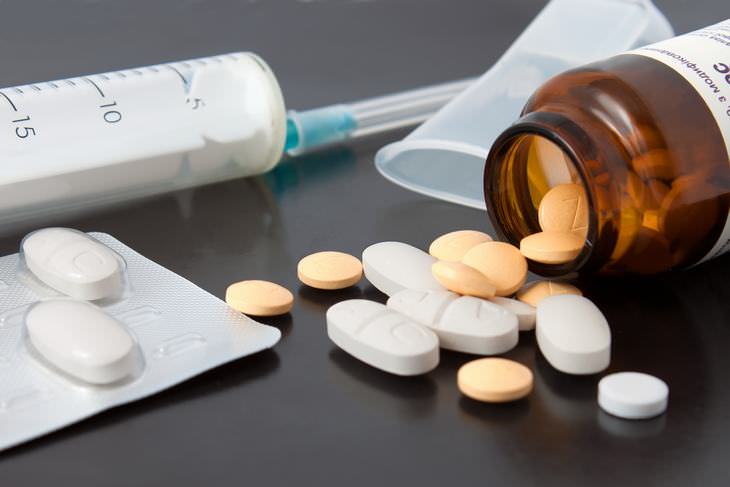
We do need certain medications to keep our health on track, however, corticosteroid medications such as prednisone, as well as weight-loss drugs like orlistat, and the cholesterol-lowering drug cholestyramine can impair vitamin D metabolism. If you take any one of these drugs, be sure to check in with your doctor to find out the best way for you to get the right dose.


7. You suffer from depression

vitamin D deficiency
Did you know that people with low levels of vitamin D in their blood are more than twice as likely to be diagnosed with depression, than those with higher levels? Medical experts aren't sure why this is the case, however one hypothesis is that the vitamin may alter hormones and areas of the brain that affect and regulate mood. 
 
 
8. You suffer from chronic headaches

vitamin D deficiency
If you suffer from regular headaches, low blood levels of vitamin D may be to blame, according to a 2017 study of 2,600 men. Study participants with the lowest vitamin D levels had a twofold risk of chronic headaches compared to study participants with the highest levels. The specific link between headaches and vitamin D remains unclear, researchers believe the nutrient may help combat the inflammation that causes migraines and headaches.


This is only for your information, kindly take the advice of your doctor for medicines, exercises and so on.   

https://gscrochetdesigns.blogspot.com. one can see my crochet creations  
https://gseasyrecipes.blogspot.com. feel free to view for easy, simple and healthy recipes    
https://kneereplacement-stickclub.blogspot.com. for info on knee replacement
https://cancersupportindia.blogspot.com  for infor on cancer and health related topics
https://GSiyers home remedies.blogspot.com   is the latest addition to my blogs. I'm going to add posts there, do give me your valuable feed back on my blogs. Thanks a lot, take care, be healthy and be happy.

Labels: , , , , , , ,

Tuesday, August 22, 2023

Vitamin D Deficiencies Are NOT Caused By Sunblock

Your skin is your biggest organ, and simultaneously, it is the part of your body that is exposed the most to the elements. Despite the skin’s amazing regenerative capabilities, it does get injured quite a lot, with the sun being one of the main culprits behind skin cancer and aging. Scientists have long been convinced that sun exposure is directly causing melanoma and other types of skin cancer, but the skin cancer epidemic persists and spreads. We have to wonder to ourselves why this is. 
 
In part, this is because we still lack proper education about sun protection, with several myths spreading dangerous misinformation. Here are 8 of the most common sun protection myths we found.


Myth 1. If you apply sunscreen, you will be deficient in vitamin D
sun exposure myths sunblock
Many people refuse to apply sunscreen because they believe that it will make them vitamin D deficient. In the northern hemisphere, some people even intentionally go to tanning beds in the cold months to increase their vitamin D levels. The fact of the matter is that tanning bed visits don’t increase vitamin D levels, whereas a healthy diet or a vitamin D supplement can, and neither of the latter are carcinogenic like tanning beds are.

If you decide to get your vitamin D from the sun by simply skipping sunscreen, this exposes you to skin cancer for no reason whatsoever, as all studies on this topic have shown that wearing sunscreen daily doesn’t cause vitamin D deficiency. In fact, a vegan diet, metabolic and kidney issues, and obesity are all more likely to make you have lower than normal levels of vitamin D than a lack of sun exposure.

But even if your healthcare provider ruled out all of the above-mentioned causes of vitamin D deficiency, it is safer for you to take a vitamin D supplement than stop wearing SPF.


Myth 2. Skin cancer is not as dangerous as other types of cancer
sun exposure myths skin cancer

While it’s definitely great news that advancements in medicine help a significant portion of skin cancer patients survive, it certainly doesn’t take away from the fact that we have a skin cancer epidemic worldwide, with US statistics in particular recording that the yearly occurrence of skin cancer in the US population is triple the amount of that of all the remaining types of cancer combined.

Even more alarming statistical information lists that 1 skin cancer patient dies every hour in the US alone. Given all this information, it is certainly impossible to conclude that skin cancer is less of an issue than other types of cancer.


Myth 3. There is a “healthy” level of tan
sun exposure myths healthy tan

The notion of a healthy or so-called “base tan” is ever-growing, with many people claiming that a healthy tan can even protect your skin from burning. Unfortunately, this, too, is a myth, and dermatologists point out that getting a tan is in itself evidence of sun damage and, very likely, DNA damage.

The way our skin works is that it tries to protect its cells and DNA from sun damage by increasing melanin levels, so your bronzy glow is actually your skin’s alarm signal, and not something to seek out.


Myth 4. Those with darker skin don’t need to apply sunscreen
sun exposure myths dark skins don't have to wear sunblock

It’s certainly true that those of us with more melanin in our skin have a little more natural protection against the sun than fair-skinned people. Still, this doesn’t mean that dark-skinned people don’t get skin cancer. In fact, this myth is so pervasive, that medical reviews systematically report a scary and alarming picture: those with dark skin are more likely to be diagnosed with melanoma in its late stages and have a worse survival rate.

That’s why it is crucial for everyone, irrespective of skin color, age, or any other characteristic to protect themselves from the sun daily and undergo regular skin checks.


Myth 5. Sunbeds and sun exposure is the only way to get an even tan
 
It’s impossible to deny that having a bronzy, tan body is still considered fashionable and attractive, and many people seek out that tanned look, even if it means risking their health. 
 
And while we hope that this self-destructive fashion will pass soon, it is good to know that sunless tanning products have come a really long way and are effective at giving your the much-desired natural tan look without compromising your health. They come in a variety of forms: bronzers, tanning mousses, drops, body creams and even tanning waters that feel very light on the skin. Plus, by using a sunless tanner you can be tan all year round


Myth 6. Tanning is safe if you don’t burn

Getting a sunburn, especially a severe one, significantly increases the likelihood of getting melanoma, the deadliest of skin cancers. However, even those who don’t get sunburns and don’t tan intentionally can get it, which is a testament to the idea that sun exposure, in any quantities, is dangerous, especially if anyone in your family was ever diagnosed with skin cancer. 
 
Apart from posing a danger to your health, sun exposure is the main cause of skin aging as well, so if your initial intention to get a tan was aesthetic, you might want to reconsider. For further proof of how aging the sun can be, consider the photo of this 69-year-old truck driver, whose left side of his face was exposed to the sun through the truck’s window for almost 30 years, while the right side wasn’t. 
 
As you can see, the side that was exposed to UV rays looks much older than the one that was more protected against the sun. 
 
Myth 7. Only UVB light is dangerous
sun exposure myths UVA UVB
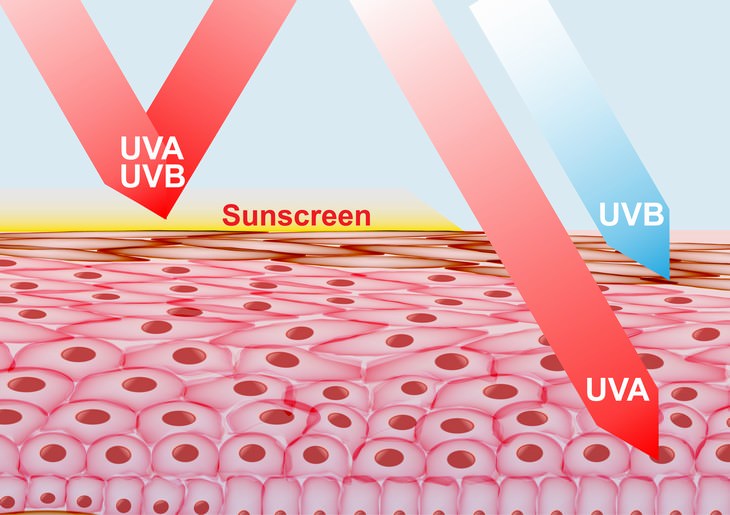
If you look at a bottle of sunscreen, you may notice a “broad-spectrum” label on it, or both a UVA and a UVB icon. This label means that the SPF protects against both types of UV rays (UVA and UVB). If no such label exists, it means that the product shields you against UVB light only, which is the type of light that causes sunburns. 
 
However, medical research shows that UVA light is likely as dangerous if not more than UVB rays, as exposure to the former is linked to melanoma and skin aging. That’s why you should always opt for a broad-spectrum sunscreen, but that’s not all. As you may or may not know, tanning beds usually operate using mostly UVA rays, and these contraptions have been time and time linked to skin cancer, with several countries banning them altogether. 
 
For example, research shows that your risk of skin cancer increases by 75% if you used tanning beds before the age of 35, so everyone is safer simply staying away from those things. 
 
Myth 8. You only have to wear sunscreen when you’re at the beach
We get it, wearing sunblock every day is annoying, and reapplying it is even worse, so many people end up using it only when they’re spending a lot of time outdoors. However, dermatologists urge everyone to wear sunscreen everyday, especially on the parts on the face, hands and any other parts of the body not protected by clothing. 
 
Even people who live in colder climates or spend a lot of time indoors should wear sunscreen daily year round, as many skin cancers are caused by UVA rays, which is abundant irrespective of the weather. When outside, you should also reapply sunblock every 2 hours, as it decomposes and gets rubbed or washed off. If you’re interested in even more sunscreen myths, watch this bonus video below.


This is only for your information, kindly take the advice of your doctor for medicines, exercises and so on.   

https://gscrochetdesigns.blogspot.com. one can see my crochet creations  
https://gseasyrecipes.blogspot.com. feel free to view for easy, simple and healthy recipes    
https://kneereplacement-stickclub.blogspot.com. for info on knee replacement
https://cancersupportindia.blogspot.com  for infor on cancer and health related topics
https://GSiyers home remedies.blogspot.com   is the latest addition to my blogs. I'm going to add posts there, do give me your valuable feed back on my blogs. Thanks a lot, take care, be healthy and be happy.

Labels: , , , ,

Saturday, May 23, 2020

6 Things Your Dermatologist Wants You to Know About Skin Cancer


Skin cancer facts
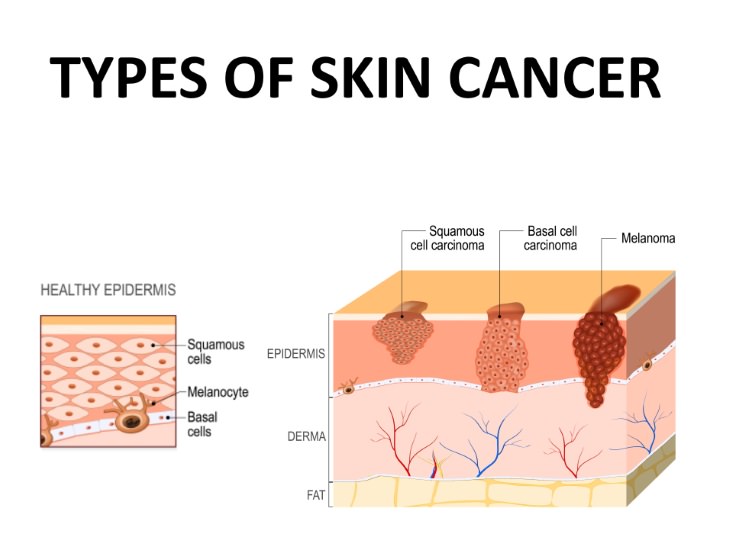
Preventing skin cancer isn't always as simple as just wearing sunscreen every day. Your skin tone, family history, and habits from years past can all affect your skin cancer risk. Here, dermatologists explain what you need to know for every skin scenario under the sun.

If you have dark skin
"Melanoma doesn't discriminate by skin color," says Shelby Moneer, director of education at the Melanoma Research Foundation. In black skin, melanin provides a sun-protection factor of about 13.4 (compared with 3.4 in white skin)—still less than the SPF 15 required for adequate sun protection. Though people of color have a lower overall incidence of skin cancer, their five-year survival rate is only 75 percent, versus 93 percent for Caucasians. "Many people, including some doctors, think that if a person doesn't have fair skin, skin cancer won't happen to them," says Brooke Jackson, MD, associate professor of dermatology at the University of North Carolina at Chapel Hill. "Because of this misperception, if a malignancy is found, it's often at a later, more serious stage."

If you have a family history of melanoma
“If you have a first-degree relative—a parent, sibling or child—who has had melanoma, your chances of getting it are 50 percent higher," says Jennifer Linder, MD, a dermatologist in Scottsdale, Ariz., and spokesperson for the Skin Cancer Foundation. Though experts recommend that the general population get a yearly skin cancer exam with a dermatologist, adults with a family history of skin cancer should be checked every six months.

If you've ever indoor-tanned
More than 419,000 cases of skin cancer in the U.S. each year are linked to indoor tanning. If you have used tanning beds in the past (you're not doing it anymore, right?), experts advise that you tell your dermatologist to include that information in your skin cancer history.

If you have a lot of moles
The more you have, the greater your risk of skin cancer. About half of all melanomas develop in pre-existing moles. "There are two types of moles: little sun spots, evenly colored and nicely shaped, and what we call atypical moles," Dr. Linder says. Folks who have 10 or more atypical moles, also known as dysplastic nevi (see What Are You Looking For?, page 127), have 12 times the risk of getting melanoma as the general population.

If you have very fair skin
People with light skin, light eyes and light hair have less of the protective pigment melanin in their skin and are more susceptible to sunburns—and more apt to have moles. A recent study of 477 fair-skinned children under age 10 found that those with a gene variant for blue eyes were more likely to develop moles—and those with a gene variant for both blue eyes and red hair were more likely to develop larger moles after sunburns.

If you got a lot of sunburns in years past
”Your risk of melanoma doubles if you've had just one blistering sunburn," Moneer says. But here's the key: It's never too late to start incorporating sun-safe practices, like wearing sunscreen regularly. "It's the cumulative amount of sun over your life that causes skin cancer," she explains. Contrary to popular belief, only about 23 percent of lifetime sun exposure is acquired by age 18. "Changing habits does make a difference," Dr. Linder says.

This is only for your information, kindly take the advice of your doctor for medicines, exercises and so on.     

https://gscrochetdesigns.blogspot.com. one can see my crochet creations  
https://gseasyrecipes.blogspot.com. feel free to view for easy, simple and healthy recipes    
https://kneereplacement-stickclub.blogspot.com. for info on knee replacement


Labels: , , , , , , , ,