Tuesday, November 08, 2022

Rubbing Your Eyes Is More HARMFUL Than You Think

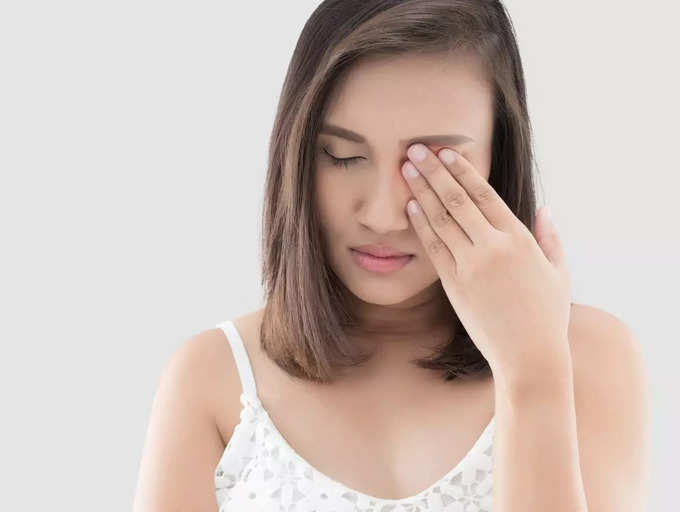
Waking up is not the same without lazily rubbing your watery eyes, even though you know deep down that it may not be such a good idea. This is an all-too-familiar struggle for so many people. You may even be tempted to think that rubbing your eyes is no big deal, but in reality, the truth is the opposite of that. 
 
Rubbing the delicate and thin skin of the eye area can have dire consequences for your eye health and skin appearance. This article will help you understand how frequent rubbing can harm the eye area and what you can do to stop rubbing your eyes too often.  
 
The Consequences of Eye Rubbing
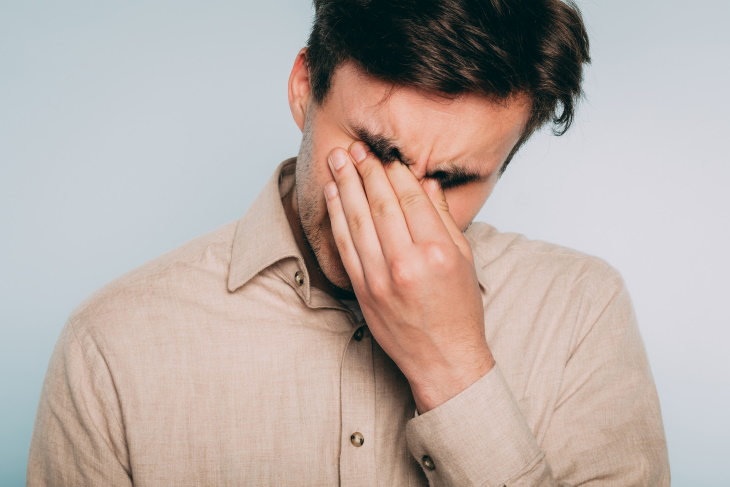
 Rubbing Your Eyes Man Rubbing Eyes
Dermatologists point out that the eye area has the thinnest and most delicate skin in your entire body. That’s why rubbing the skin around the eyes more than merely twice a day can have a detrimental effect on your skin’s appearance and health. 
 
Doctors encounter the following problems that result from frequent eye rubbing: 
 
1. Dark circles  
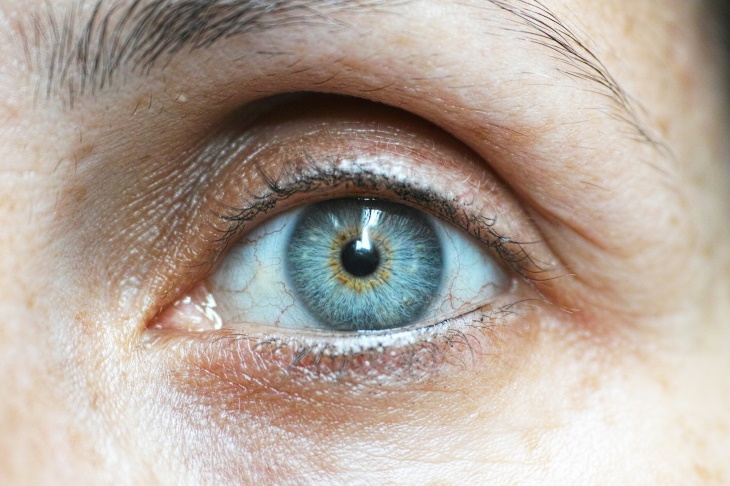
Rubbing Your Eyes Dark circles
Rubbing your eyes can lead to dark undereye circles. Friction damages tiny blood vessels under the skin, causing them to break and bleed. As a result, you’ll observe dark circles under the eyes called post-inflammatory hyperpigmentation. Fortunately, this is not permanent damage, but it can return if you get in the habit of eye rubbing again.


2. Corneal damage  
Chronic eye rubbing can cause damage beyond the skin too. Microscopic scratches to the cornea - the protective transparent layer that covers the iris and the pupil - and fairly common too. Gradually, scratches can lead to the thinning of the cornea, which, in turn, worsens your eyesight and causes blurry vision and astigmatism.
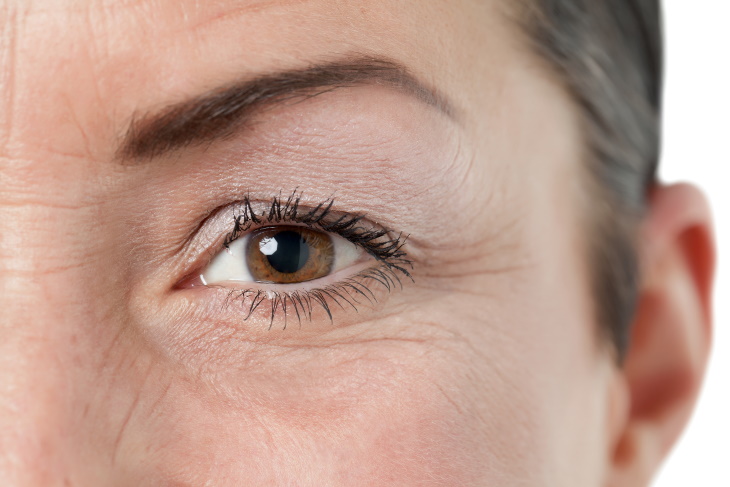
3. Wrinkles around the eyes 
Rubbing Your Eyes Wrinkles around the eyes
Wrinkles develop when the skin loses elasticity. And the thinner the skin, the higher the risk of developing wrinkles early on. Since the skin around the eyes is very delicate, even seemingly minor mechanical damage like rubbing the eyes can stretch the skin and lead to premature wrinkles. Repeated rubbing can also make the skin appear dry, which accentuates wrinkles.

4. Glaucoma gets worse  
Glaucoma is a disease where the optic nerve is damaged. Gradually, more and more patches of a person’s field of vision vanish, ultimately leading to blindness. In most cases, glaucoma treatment involves lowering intraocular pressure. Frequent eye rubbing can compromise the treatment and cause spikes in eye pressure, speeding up the progression of glaucoma. 
 
5. Red and watery eyes  
Do people often tell you that your eyes look red and tired? Rubbing can lead the tiny capillaries in the eyes to break and rupture, which gives that familiar bloodshot appearance to the eyes.

6. Increased risk of eye infection  
At this point, we’re all keenly aware that our hands need frequent washing and that germs are around us. So, why do we still think that it’s okay to rub our eyes with those dirty hands throughout the day? Realistically, it’s not, and each time you do so, you are potentially exposing the eyes to germs. Bacteria and viruses can enter the bloodstream through the eyes, and chronic eye rubbing is linked to an increased risk of pink eye and conjunctivitis. 
 
Here’s some good news to keep in mind. While rubbing the eyes is harmful, wearing swimming goggles and light tugging on the eyelid, such as when you put on contacts or apply eye makeup, causes no negative health effects. Likewise, a light patting or dabbing motion when you apply skincare products around the eye area will not cause harm.  
 
Why Do Eyes Get Itchy?
From dry eye disease to allergies, your eyes may get itchy for a variety of reasons. If the itchiness causes you to rub your eyes frequently, schedule an appointment with your physician to address the issue. A doctor can prescribe topical steroid drops, antihistamines, or hydrating drops to reduce itchiness.

Teach Yourself to Stop Rubbing Your Eyes 
In many cases, rubbing your eyes is just a harmful habit. Although it may take some time to break the habit, most negative effects of chronic eye rubbing are reversible, so you’ll be sure to notice a positive difference quickly. 
 
Here are several useful tips that can teach you to stop rubbing your eyes: 
 
Apply a cool compress by folding a damp clean cloth over your eyes when you get the urge to rub itchy eyes. 
 
If you wear contacts, switch back to your glasses for a few weeks. The glasses will help you be more mindful of how often you feel the need to rub your eyes and give you the opportunity to prevent it.

When you wash your eyes, avoid using sponges or washcloths. Instead, gently massage the cleanser with your fingers and rinse well. 
 
If your eyes feel swollen or irritated, use a face roller or eye patches to calm your eyelid skin and reduce puffiness. 
 
Whenever you feel like something got stuck in your eyes, flush it out using artificial tear drops or an eye wash solution instead of rubbing the eye. 
 
Treat the underlying cause of itchy eyes, be it allergies or dry eye disease. 
 
Wear sunglasses or protective eye-wear when you’re outside or engaged in activities like sports or repair work.


Labels: , , , , , , , , , , , , ,

Thursday, January 20, 2022

5 signs of Vitamin Deficiency on your face

Your face can tell if you're suffering from any Vitamin deficiency

When it comes to securing a healthy body, eating nutritious, vitamin-rich foods is important. Whether you're trying to lose weight or are obligated to follow a restrictive diet due to a health condition, you must ensure that you find healthy food alternatives to keep your body enriched at all times. Any sort of Vitamin deficiency can prove harmful for your body, depriving you of your ability to perform various activities.

Given that Vitamins are essential for the growth and development of our body, anyone deficient of it may develop specific symptoms, and may showcase certain changes not just internally but also on their face. Here are some signs of Vitamin deficiency to watch out for on your face.

Skin acne and dryness

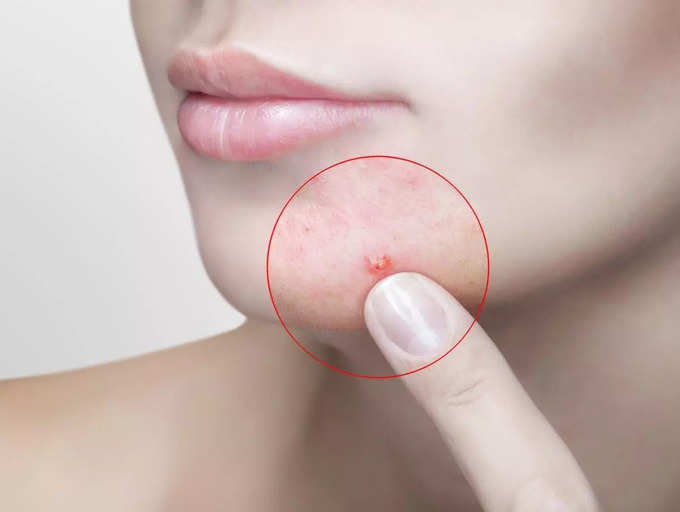
 Acne and dry skin can be an outcome of various hormonal changes. It can also be a consequence of dirt and germ accumulation. However, if you're deficient in certain vitamins, changes on your skin can be a tell-tale sign. Insufficient levels of Vitamin A and E can lead to acne formation on your face, whereas low levels of Vitamin B12 deficiency can make your skin look paler than ever. That said, to confirm your diagnosis, look out for signs of extreme fatigue, mood changes and more.

Swollen, puffy eyes

An allergy may cause your eyes to swell. But if it is more frequent and happens every time you wake up in the morning, it may be a sign of low iodine levels in the body. Studies have linked iodine deficiency with thyroid diseases, which can often lead to fatigue, unexplained weight gain and of course puffy eyes.

Bleeding gums

Vitamin C deficiency can cause a lot of damage to the body and our health. One of the signs to watch out for are bleeding gums, also known as 'scurvy'. Other symptoms may include easy bruising, bleeding and joint and muscle pain. That said, in order to increase your Vitamin C levels in the body, eat a lot of citrus fruits like oranges, lemons, and grapefruit.

Pale lips

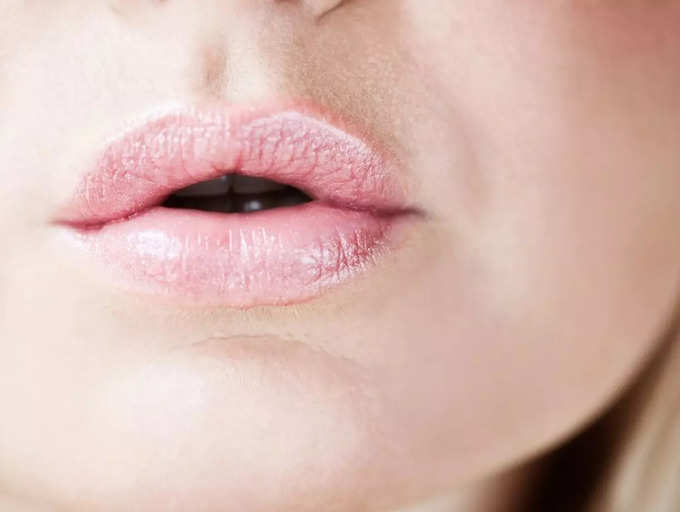
Having pale, discoloured lips can be a sign of many underlying diseases. However, often it is one of the most common symptoms of anaemia, a condition that occurs from low levels of red blood cells in the body. Low iron levels in the body is what causes a lack in RBC count, making it difficult to carry oxygen to the body's tissues. Hence it can lead to discolouration of the skin and lips. Apart from that, iron deficiency may also weaken one's immune system.

Damaged, dry hair

Damaged, dry hair

If you have damaged, dry hair, you could be lacking biotin, also known as vitamin B7 in your body. Biotin are nutrients that help keep your hair nourished. Low levels of biotin therefore lead to dandruff-ridden, dry hair. Other than that, it may also lead to brittle nails and thinning hair. Therefore, eat foods that are high in Vitamin B7 including lean meat, fruits, vegetables, legumes and fish.


This is only for your information, kindly take the advice of your doctor for medicines, exercises and so on.   

https://gscrochetdesigns.blogspot.com. one can see my crochet creations  
https://gseasyrecipes.blogspot.com. feel free to view for easy, simple and healthy recipes    
https://kneereplacement-stickclub.blogspot.com. for info on knee replacement

Labels: , , , , , , , , ,

Tuesday, July 14, 2020

When I Told My Doctor I Thought I Had Endometriosis, He Said, 'Stop Practicing Google Medicine'

I always considered myself to be in relatively good health. I had annual checkups, maintained a healthy diet, and tried to exercise. Overall, I was happy to be completely average. True, I had very heavy and lengthy periods, along with bad cramps. But so did my mom. So does my daughter. I thought that’s just how it is.

Then in 2011, after two previously healthy pregnancies, I suffered a miscarriage when I was four months pregnant. Soon after, I started having severe back and leg pain. At first, I blamed it on getting older or the fact that, as a lawyer, I sat so much during the day. When the pain didn’t go away, it seemed likely that it was due to sciatica or a pinched nerve. After a normal pelvic exam and ultrasound, my ob-gyn agreed. So did the chiropractor I consulted.

Mysterious, worsening pain

But despite physical therapy appointments and Pilates classes, the pain never completely cleared up. Not until 2014 did I realize that it worsened during and after my period. I also began suffering from other symptoms like frequent urinary tract infections, constipation, and high blood pressure. Even sex became painful. I felt so confused. If nothing unusual was showing up on my exams and tests, then what was causing my pain?

My ob-gyn suggested that I consult doctors who specialized in uterine issues, but I didn’t do so right away. I couldn't imagine that anything I had could be that bad. Plus, by this point, I’d learned to live with the two weeks on, two weeks off pain. (It required carefully timed Ibuprofen, which dulled the pain so I could function but didn't eliminate it.) It was hard to take time off from my demanding job—not to mention find a good specialist who not only took my insurance but was accepting new patients. I waited 14 months to see a specialist. In hindsight, that was a big mistake.

"Stop practicing Google medicine"

In 2015, while researching my symptoms online, I came across endometriosis, a disorder in which uterine tissue grows outside the uterus. It seemed like a possible cause of my symptoms, yet neither of the two specialists I saw that year mentioned it. When I did, I felt like I was irritating them. In fact, one of the doctors told me to “stop practicing Google medicine.”

Although both said they could treat my symptoms with various medications, they blamed the 20 or so extra pounds I was carrying at the time as the cause. I did try going on birth control pills, which they had suggested. But I had to stop because it made me throw up all the time and gave me bad headaches.

I remember walking out of the second specialist’s office on a hot August day. I had to walk several blocks to the train station, and as I walked, I tried to process my frustration. I decided I’d had it with these so-called “specialists.” No more appointments with doctors who didn’t listen to me. I’d simply deal with my two weeks on, two weeks off pain cycle until menopause.

But the pain kept getting worse. In 2017 my ob-gyn, knowing how exasperated I was, suggested I have another ultrasound. I have a habit of looking at techs’ faces when I get tests. They’re not allowed to say anything, but don’t have the best poker faces. As the tech prodded my left side, I saw her whole face drop. I found out later that she couldn’t find my left ovary.

An abdominal ultrasound was ordered, as well as a CT scan. The results showed that I had a condition called hydronephrosis [kidney swelling, caused by a backup of urine.] It was so severe that my kidney had stopped working. I was astonished. Upset. Scared. And I was at a loss about what to do, since doctors didn’t know the cause.

I went back to Google for answers. This time, I found an obscure blog, where a woman described how her kidney had been impacted by endometriosis. I knew I had to have the condition, too. I began searching for an endometriosis specialist near me.

The right diagnosis—and extensive treatment

Three months later, I met with Tamer Seckin, MD, a New York-based gynecologist laparoscopic surgeon. He'd already taken the time to read all my medical files—and he was horrified that no one spotted what he said were classic endometriosis symptoms, such as back pain and pain during sex.
Besides endometriosis, I had adenomyosis (similar to endo, it's when the uterine lining grows into the muscle of the uterus). Dr. Seckin also diagnosed me with a frozen pelvis, a severe complication of endometriosis that caused my pelvic organs to adhere to my bones. In addition to excision surgery [in which abnormal growths and scar tissue are destroyed], my uterus, both my ovaries, and fallopian tubes would all need to be removed.

The surgery took nine hours; it involved not just Dr. Seckin but also a urologist and colorectal specialist. During the procedure, they discovered that my kidney was infected and swollen to four times its normal size. They had no choice but to take it out as well.

No one feels great after this type of surgery, but truthfully, I was happy. The pain was gone. I vividly remember sitting in the waiting room before the operation, signing paperwork, and being unable to put weight on my left side because of the intense pain shooting down my leg. After the surgery, I was achy and groggy, but the pain on the left side of my body had disappeared.

Recovery was not easy—I was home on disability leave for three months—but the mental peace I finally had was worth it.

Putting dismissive doctors on notice

I agreed to open up about my story because I want other women to not wait for years to get diagnosed. Listen to your body. Believe your symptoms. Do your research and come to your doctors prepared.

We need to put medical professionals on notice that they cannot continue to ignore millions of women who have endometriosis. I want insurance companies to hear this, too, and start covering excision surgeries, which are currently out of pocket and very expensive. I don't want anyone else to lose major organs to endo.

Looking back, I didn’t live—I survived between pain cycles—for seven years. Now, I feel I have a life again.

This is only for your information, kindly take the advice of your doctor for medicines, exercises and so on.     

https://gscrochetdesigns.blogspot.com. one can see my crochet creations  
https://gseasyrecipes.blogspot.com. feel free to view for easy, simple and healthy recipes    
https://kneereplacement-stickclub.blogspot.com. for info on knee replacement


Labels: , , , , , , , , , , , , , ,