Tuesday, November 08, 2022

Rubbing Your Eyes Is More HARMFUL Than You Think

Waking up is not the same without lazily rubbing your watery eyes, even though you know deep down that it may not be such a good idea. This is an all-too-familiar struggle for so many people. You may even be tempted to think that rubbing your eyes is no big deal, but in reality, the truth is the opposite of that. 
 
Rubbing the delicate and thin skin of the eye area can have dire consequences for your eye health and skin appearance. This article will help you understand how frequent rubbing can harm the eye area and what you can do to stop rubbing your eyes too often.  
 
The Consequences of Eye Rubbing
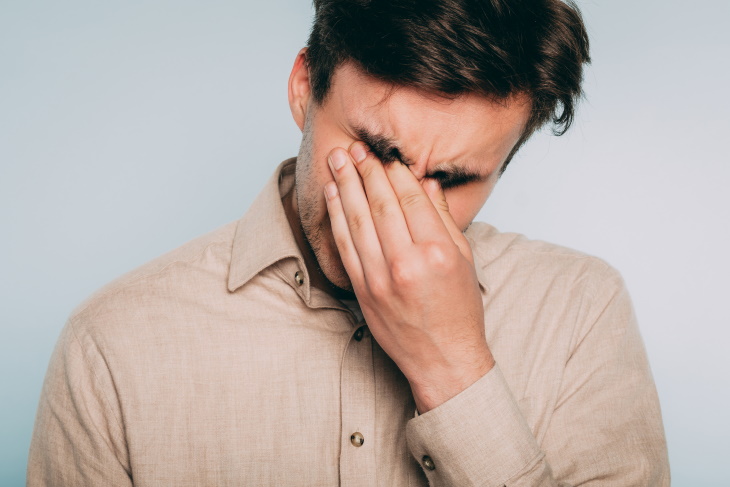
 Rubbing Your Eyes Man Rubbing Eyes
Dermatologists point out that the eye area has the thinnest and most delicate skin in your entire body. That’s why rubbing the skin around the eyes more than merely twice a day can have a detrimental effect on your skin’s appearance and health. 
 
Doctors encounter the following problems that result from frequent eye rubbing: 
 
1. Dark circles  
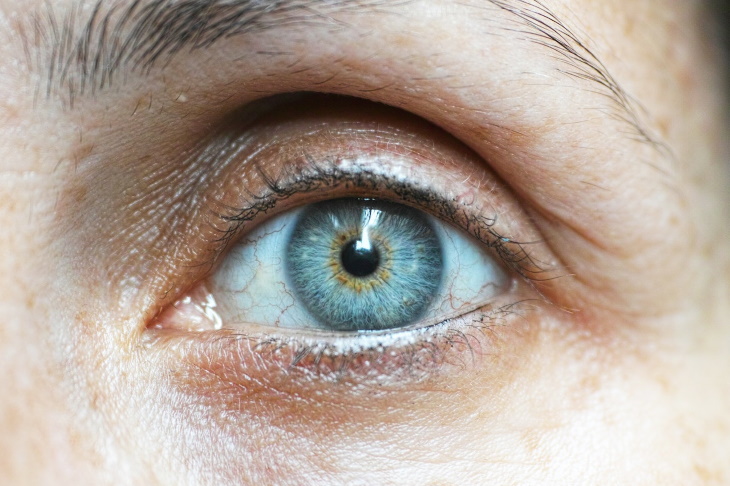
Rubbing Your Eyes Dark circles
Rubbing your eyes can lead to dark undereye circles. Friction damages tiny blood vessels under the skin, causing them to break and bleed. As a result, you’ll observe dark circles under the eyes called post-inflammatory hyperpigmentation. Fortunately, this is not permanent damage, but it can return if you get in the habit of eye rubbing again.


2. Corneal damage  
Chronic eye rubbing can cause damage beyond the skin too. Microscopic scratches to the cornea - the protective transparent layer that covers the iris and the pupil - and fairly common too. Gradually, scratches can lead to the thinning of the cornea, which, in turn, worsens your eyesight and causes blurry vision and astigmatism.
3. Wrinkles around the eyes 
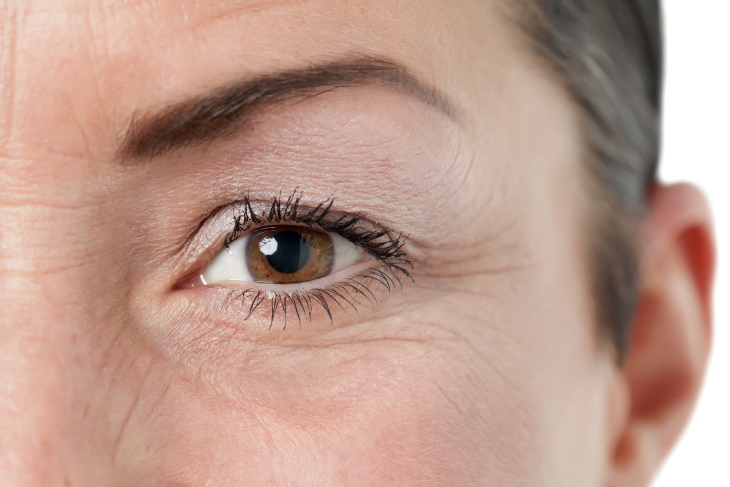
Rubbing Your Eyes Wrinkles around the eyes
Wrinkles develop when the skin loses elasticity. And the thinner the skin, the higher the risk of developing wrinkles early on. Since the skin around the eyes is very delicate, even seemingly minor mechanical damage like rubbing the eyes can stretch the skin and lead to premature wrinkles. Repeated rubbing can also make the skin appear dry, which accentuates wrinkles.

4. Glaucoma gets worse  
Glaucoma is a disease where the optic nerve is damaged. Gradually, more and more patches of a person’s field of vision vanish, ultimately leading to blindness. In most cases, glaucoma treatment involves lowering intraocular pressure. Frequent eye rubbing can compromise the treatment and cause spikes in eye pressure, speeding up the progression of glaucoma. 
 
5. Red and watery eyes  
Do people often tell you that your eyes look red and tired? Rubbing can lead the tiny capillaries in the eyes to break and rupture, which gives that familiar bloodshot appearance to the eyes.

6. Increased risk of eye infection  
At this point, we’re all keenly aware that our hands need frequent washing and that germs are around us. So, why do we still think that it’s okay to rub our eyes with those dirty hands throughout the day? Realistically, it’s not, and each time you do so, you are potentially exposing the eyes to germs. Bacteria and viruses can enter the bloodstream through the eyes, and chronic eye rubbing is linked to an increased risk of pink eye and conjunctivitis. 
 
Here’s some good news to keep in mind. While rubbing the eyes is harmful, wearing swimming goggles and light tugging on the eyelid, such as when you put on contacts or apply eye makeup, causes no negative health effects. Likewise, a light patting or dabbing motion when you apply skincare products around the eye area will not cause harm.  
 
Why Do Eyes Get Itchy?
From dry eye disease to allergies, your eyes may get itchy for a variety of reasons. If the itchiness causes you to rub your eyes frequently, schedule an appointment with your physician to address the issue. A doctor can prescribe topical steroid drops, antihistamines, or hydrating drops to reduce itchiness.

Teach Yourself to Stop Rubbing Your Eyes 
In many cases, rubbing your eyes is just a harmful habit. Although it may take some time to break the habit, most negative effects of chronic eye rubbing are reversible, so you’ll be sure to notice a positive difference quickly. 
 
Here are several useful tips that can teach you to stop rubbing your eyes: 
 
Apply a cool compress by folding a damp clean cloth over your eyes when you get the urge to rub itchy eyes. 
 
If you wear contacts, switch back to your glasses for a few weeks. The glasses will help you be more mindful of how often you feel the need to rub your eyes and give you the opportunity to prevent it.

When you wash your eyes, avoid using sponges or washcloths. Instead, gently massage the cleanser with your fingers and rinse well. 
 
If your eyes feel swollen or irritated, use a face roller or eye patches to calm your eyelid skin and reduce puffiness. 
 
Whenever you feel like something got stuck in your eyes, flush it out using artificial tear drops or an eye wash solution instead of rubbing the eye. 
 
Treat the underlying cause of itchy eyes, be it allergies or dry eye disease. 
 
Wear sunglasses or protective eye-wear when you’re outside or engaged in activities like sports or repair work.


Labels: , , , , , , , , , , , , ,

Sunday, July 19, 2020

12 Common Misconceptions About Eye Health

Maintaining good vision throughout your entire life is possible if you make sure to take proper care of your eyes. This includes protecting them from damage, avoiding habits that harm your eyes, and staying healthy overall. Still, when it comes to the right way to maintain one’s eyesight, things can sometimes get confusing. For example, many people think that squinting or watching TV from a close distance is harmful, and also that rubbing your eyes and overwashing them is fine.
All four of those examples are common misconceptions about eye health - misconceptions that we will clarify in this article. So, if you want to educate yourself about eye health and 12 popular myths about eyes, continue reading.

1. Rubbing your eyes isn’t harmful as long as it doesn’t hurt

If you have the habit of rubbing your eyes when they get tired, or you rub your eyes a lot due to allergies and think it's fine as long as your eyes aren't particularly red or painful afterward, consider this:
Rubbing your eyes frequently can cause thinning of the cornea, which, in turn, may lead to a condition called keratoconus, a common cause of vision loss. The cornea in people suffering from this condition becomes distorted and bulges out in a cone-like shape, which is what causes early symptoms like blurry and double vision, light sensitivity, and nearsightedness.

2. Reading in dim light will affect your eyesight

Many people think that reading in a dimly lit room can worsen your vision, but there is no evidence of that. Doctors assure that the only symptom of reading under poor light conditions is eye fatigue. With age, we do tend to require more light in order to read because our retinas become weaker, but those are age-related changes and not something brought about by a darker than usual reading environment.

3. Carrots are the best food to eat for good eyesight

Beta carotene is the component in carrots that helps maintain good eyesight because it's converted into vitamin A in our body, which is crucial for eyesight. Interestingly, beta carotene is also the chemical that makes carrots orange. However, carrots are by far not the only vegetable that contains a lot of this very useful antioxidant: spinach, kale, red, orange, and yellow peppers, and even sweet potatoes also contain plenty of beta carotene.
What's more, any other food high in vitamin A, even animal-derived foods like cheese, milk, egg yolks, and liver will have the same benefits for your eyesight, too.  

4. Rinsing eyes with water is the best way to relieve dry and itchy eyes

If you're suffering from dry and itchy eyes, be it due to allergies, eye strain, or any other reason, it's important not to resort to rinsing your eyes with water to soothe the uncomfortable symptoms. This is because tap water is full of bacteria and other potentially harmful microorganisms that are typically killed by your digestive juices when you ingest the water.
Unfortunately, your eyes aren't equipped to deal with these germs, so you're risking to introduce an eye infection by rinsing your eyes with lots of water all the time. Instead, doctors recommend artificial tears, which are eye drops specifically manufactured to lubricate dry eyes.

5. Reading a book from up close is easier on the eyes

Bringing a book, laptop, or smartphone closer to see better and read easier is a dire mistake. In fact, this kind of near work increases nearsightedness (myopia), especially in kids. Myopia, in turn, is a known risk factor for many other eye conditions, such as retinal detachment, glaucoma, and cataracts. So, instead of bringing that book or device closer, do the opposite and keep them as far away from your eyes as possible.

6. Putting on eye makeup is safe for your eyes

Eye makeup, such as mascara, eyeliner, and eyeshadow are all manufactured with eye safety in mind, but even the best makeup product should be washed off at the end of the day. The main issue with eye makeup is that, no matter how much you try, it's bound to get into your eyes eventually.
Sometimes, makeup residue can build up in your eyes and clog up the meibomian glands in your eyes, which are tiny oil glands that moisturize the eye and present redness and dryness. So, always wash off your eye makeup as soon as possible and have eye makeup free days from time to time.

7. Laser surgery can get rid of all eye problems

Laser eye surgery is a very popular and effective way to correct one's eyesight, but few people don't know that not everyone is eligible for this procedure. Lasik surgery can correct conditions like myopia (nearsightedness), hyperopia (farsightedness), and astigmatism, but patients suffering from keratoconus, cataract, glaucoma, and macular degeneration aren't suitable for the surgery.

8. Any dark glasses will protect eyesight from UV damage

UV exposure is just as dangerous, if not more, to your eyes than it is to your skin. The Sun's rays affect the macula, the cornea, and the lens, and sun damage can result in:
  • Macular degeneration, one of the leading causes of vision loss
  • Cataract​
  • Pterygium, a growth on the eye that may block vision
  • Skin cancer around the eyes
  • Photokeratitis, a painful corneal sunburn that causes temporary vision loss.
​​Contrary to popular belief, not all sunglasses with dark lenses can protect you from UV damage, as it is a special coating that shields your eyes from damage, and not the darkened lenses per se. Even many clear glasses contain a UV filter, while many sunglasses don't. The safest way to protect your eyes is to purchase certified UV glasses, as they are clinically tested and will surely work. 

9. Eye exams are not necessary if you have no complaints

Vision loss is by far not the only diagnosable condition your eye doctor is trained to spot. During a comprehensive eye exam, a doctor will check your overall eye health. As it is with most conditions, early diagnosis is often the key to fast recovery. Apart from that, eyes are sometimes the first organ to show signs of serious health conditions, such as hypertension and diabetes. So, it's best to sign up for a yearly check. 

10. Wearing glasses or contacts with the wrong prescription is not a big deal

Have you ever worn another person's eyeglasses and, all of a sudden, your head started to ache or you started to feel dizzy? Well, guess what? The same feelings, although maybe less intense ones, can happen if you wear the wrong glasses or contact lenses. The main symptoms of wearing the wrong prescription glasses or contacts are increased eye strain, headaches, dizziness, and nausea.

11. Frequent squinting affects your vision

Now, this one is just not true. While frequent squinting to see better can be a symptom of farsightedness or other eye condition, the habit itself doesn't affect your vision in any way. In fact, the worst thing squinting could possibly give you is crow's feet - those small wrinkles around your eyes.

12. Watching TV from up close hurts your vision

Watching a lot of TV, even from up close, is not considered harmful for your eyesight and cannot cause permanent eye damage. Like computer work, prolonged TV screen time can dry out your cornea if you forget to blink and causes eye strain, so get in the habit of taking short breaks from time to time when you're looking at any kind of screen.
This is only for your information, kindly take the advice of your doctor for medicines, exercises and so on.     

https://gscrochetdesigns.blogspot.com. one can see my crochet creations  
https://gseasyrecipes.blogspot.com. feel free to view for easy, simple and healthy recipes    
https://kneereplacement-stickclub.blogspot.com. for info on knee replacement

Labels: , , , , , , , , ,

Saturday, July 18, 2020

15 Habits You Should Avoid to Maintain Sharp Vision

Our eyes are pretty fragile, and even the slightest misstep on your behalf is bound to affect their health and subsequently - your eyesight, if not now, then further down the road. Environmental stressors, such as UV light, dry air and others can worsen your vision and contribute to eye disease, but so do excess strain and lack of sleep. Learn to preserve sharp vision for decades by avoiding these 15 bad habits capable of ruining your eye health.

1. Air Conditioning and Central Heating

Both air conditioning and central heating significantly dry out the air in a room, potentially causing a whole host of issues, especially dry eyes. And while having dry eyes doesn't seem very threatening, it is more dangerous than you'd think. For one, eyes devoid of a moisture barrier are more susceptible to infections. Dry eyes can also damage the surface of the eye, and chronically dry eyes can even worsen one's vision.
To deal with the issue, keep a working air humidifier in your bedroom overnight, or simply put a bowl full of water or two in your bedroom - this water will slowly evaporate, slowly increasing the humidity in the room.

2. Not Wearing Sunglasses

Similarly to why you need to use sunscreen when you go outside, you should also wear sunglasses on the regular to protect the surface of your eyes from UV damage. The truth is that the sun's rays are getting stronger and stronger, and constant UV exposure was proven to contribute to several eye diseases, namely eyelid cancer, cataract, and pterygium (a pinkish growth over the cornea). Doctors suggest wearing sunglasses year-round, even in the winter.

3. Using Makeup Remover Too Close to the Surface of the Eye

This is not to say that you should stop wearing eye makeup, or stop removing it from your eyes, but rather be wary of the products you use around the eye area and make sure not to get eye makeup remover inside your eyes. Eye makeup removers and face wash can contain a type of cleaning agent, a surfactant called benzalkonium chloride, which can irritate the surface eye and damage eye tissues, subsequently worsening your eyesight. Products intended for eye use and those that don't contain this ingredient are generally considered eye-safe.

4. Improper Use of Contact Lenses

Contact lenses require the strictest hygienic and medical guidelines to be safe for your eyes, you wear them directly on your eyes, after all. First and foremost, you should never sleep in your contacts or use them in water, as this can cause damage to the surface of the eye and severe, sometimes incurable, eye infections.
Some contacts are considered safe for sleep, but we wouldn't risk it anyway. Two other things we'd never risk is overusing contact lenses or using not medically-approved lenses, as in both cases, the risk of eye infection is just too high. Contacts can scratch your eyes and harbor bacteria, especially if they're not regulated - a recipe for disaster. Contact-related injuries and infection have been found to result in visual impairment in 20% of cases.

5. Sleep Deprivation and Apnea

According to medical research, your eyes require at least 5 hours of uninterrupted sleep on a daily basis to function properly and stay healthy. Overexertion may cause eye spasms (twitching), popped blood vessels, dry eyes, blurry vision, and itching eyes.
Even more serious health conditions are associated with sleep apnea sufferers, who are more likely than healthy people to develop glaucoma and can suffer from vision loss caused by a degenerative condition affecting the optic nerve called Anterior Ischemic Optic Neuropathy (AION).

6. Traveling by Plane

Here is one more reason to sleep on the plane, and it has everything to do with your eye health. The thing is that the recycled air on the plane is among the driest and most germ-ridden imaginable, so make sure to rest your eyes, preferably wearing an eye mask, while you're on the plane, especially on long flights.

7. Using Devices for Too Long

All screens are bad for your eye health, especially if you spend too much time in front of them, be it a computer screen, your smartphone or your TV. The reason behind is that concentrating on a screen for prolonged periods of time is just too strenuous for your eyes, and the resulting condition is the already familiar 'dry eye', of course, but also another condition called Computer Vision Syndrome (CVS), characterized by eyestrain, headaches, neck and shoulder pain, blurred vision and dry eyes.
To prevent the development of CVS, set up your desk ergonomically, adjust the lighting and the brightness of the screen, and keep a healthy posture while using the computer.

8. Smoking

Believe it or not, smoking can affect even your vision. In one study, participants who were smoking 20 or more cigarettes daily were shown to have worse color vision than those who didn't smoke more than 15 cigarettes a day. Smoking is also known to contribute to more serious eye issues, such as glaucoma, macular degeneration, cataract, and diabetic retinopathy.

9. Sleeping With Eye Makeup On

If washing your eye makeup off is bad for your eyes if you're using the wrong products, not washing your eye makeup off is very harmful, always. People often don't realize how much dirt and buildup can accumulate inside their eyes, and this is especially true for eye makeup wearers. Those who don't remove their eye makeup are in an even worse situation, as they smear that gunk all over their eyes while they sleep.
While mascara, false lashes and eyeliner can cause eye infections, especially if you don't replace your makeup products regularly, glitter eyeshadow can cause microtears on the surface of the eye, so make sure you clean all the eye makeup from your eyes before you go to bed. 

10. Doing Yard Work Without Safety Goggles

Eye injuries are no joke. Unlike a cut, a bruise or even a fracture, you won't be able to regrow an eye, which is why you should prioritize your eye safety whenever you're doing something potentially risky for your eyes. Such things include walking in the dark, carrying sharp objects, such as scissors, and doing yard work.
When it comes to yard work or home improvement, the easiest preventative measure is to simply wear protective eyewear, but when it comes to walking in the dark, you can just avoid the activity altogether. Also, be careful and don't make any quick or sudden movement when you have sharp objects in your hands.

11. Rubbing Your Eyes

Rubbing your eyes may give you temporary relief to allergies or tiredness, but try to abstain from it, and teach the little ones to do so as well, as eye rubbing can be quite bad for you. To be more specific, eye rubbing contributes to the development and worsening of a disorder called keratoconus, which is the thinning of the cornea.
This condition typically can result in blurry or double vision, astigmatism, nearsightedness, and light sensitivity, and it is especially common in kids.

12. Certain Medications

Unfortunately, many medications come with side effects that worsen your vision. For example, antihistamines, antidepressants, cholesterol-lowering drugs, beta-blockers, birth control pills, and others can all cause eye dryness, whereas certain antibiotics, diuretics, and NSAIDs can result in sensitivity to light.
Other medications, e.g. asthma medications, Parkinson’s, and depression medications can increase the risk of glaucoma. If you are experiencing any eye or vision problems after starting a new medication, talk to your doctor to seek alternative treatments.

13. Overusing Eye Drops

If you need to resort to anti-redness or allergy drops more than the directions suggest or use it for prolonged periods of time, you might be actually suffering from another eye problem, most commonly dry eye, and to feel better, you'll need to address that problem with an eye doctor.
Over the counter eye drops are a fix for a brief problem, but prolonged use can do more harm that good, as your eyes get accustomed to the extra help and you might become addicted to the drops.

14. Poor Diet and Vitamin B Deficiency

Dietary deficiencies, the most common one being a vitamin B12 deficiency, can cause vision problems as well. Vitamin B12 deficiencies are common among vegetarians and vegans, and these can even cause blindness, in some cases. Instead, enjoy foods that your eyes will appreciate, such as:
  • Salmon, tuna, and nuts, high in omega 3 fatty acids
  • Eggs, high in B vitamins and protein
  • Leafy greens, e.g. kale and spinach, rich in lutein
  • Orange fruit and veggies, such as mango or carrots, which contain a lot of carotenoids.

15. Using Cheap Sunglasses

The fact that a pair of sunglasses are darkened doesn't mean they offer any or enough sun protection. Reputable brands will typically make UV reflection tests before selling a product to make sure your eyes are protected from the sun, as they should be. That's why we recommend you invest in a pair of sunglasses that offer proven UV protection to preserve your eye health and eyesight.
 
This is only for your information, kindly take the advice of your doctor for medicines, exercises and so on.     

https://gscrochetdesigns.blogspot.com. one can see my crochet creations  
https://gseasyrecipes.blogspot.com. feel free to view for easy, simple and healthy recipes    
https://kneereplacement-stickclub.blogspot.com. for info on knee replacement

Labels: , , , , , , , , , , , , , , ,

Thursday, February 13, 2020

12 Common Misconceptions About Eye Health

Maintaining good vision throughout your entire life is possible if you make sure to take proper care of your eyes. This includes protecting them from damage, avoiding habits that harm your eyes, and staying healthy overall. Still, when it comes to the right way to maintain one’s eyesight, things can sometimes get confusing. For example, many people think that squinting or watching TV from a close distance is harmful, and also that rubbing your eyes and overwashing them is fine.

All four of those examples are common misconceptions about eye health - misconceptions that we will clarify in this article. So, if you want to educate yourself about eye health and 12 popular myths about eyes, continue reading.


1. Rubbing your eyes isn’t harmful as long as it doesn’t hurt
If you have the habit of rubbing your eyes when they get tired, or you rub your eyes a lot due to allergies and think it's fine as long as your eyes aren't particularly red or painful afterward, consider this:
Rubbing your eyes frequently can cause thinning of the cornea, which, in turn, may lead to a condition called keratoconus, a common cause of vision loss. The cornea in people suffering from this condition becomes distorted and bulges out in a cone-like shape, which is what causes early symptoms like blurry and double vision, light sensitivity, and nearsightedness.

2. Reading in dim light will affect your eyesight
Many people think that reading in a dimly lit room can worsen your vision, but there is no evidence of that. Doctors assure that the only symptom of reading under poor light conditions is eye fatigue. With age, we do tend to require more light in order to read because our retinas become weaker, but those are age-related changes and not something brought about by a darker than usual reading environment.


3. Carrots are the best food to eat for good eyesight
Beta carotene is the component in carrots that helps maintain good eyesight because it's converted into vitamin A in our body, which is crucial for eyesight. Interestingly, beta carotene is also the chemical that makes carrots orange. However, carrots are by far not the only vegetable that contains a lot of this very useful antioxidant: spinach, kale, red, orange, and yellow peppers, and even sweet potatoes also contain plenty of beta carotene.
What's more, any other food high in vitamin A, even animal-derived foods like cheese, milk, egg yolks, and liver will have the same benefits for your eyesight, too.

4. Rinsing eyes with water is the best way to relieve dry and itchy eyes
If you're suffering from dry and itchy eyes, be it due to allergies, eye strain, or any other reason, it's important not to resort to rinsing your eyes with water to soothe the uncomfortable symptoms. This is because tap water is full of bacteria and other potentially harmful microorganisms that are typically killed by your digestive juices when you ingest the water.
Unfortunately, your eyes aren't equipped to deal with these germs, so you're risking to introduce an eye infection by rinsing your eyes with lots of water all the time. Instead, doctors recommend artificial tears, which are eye drops specifically manufactured to lubricate dry eyes.


5. Reading a book from up close is easier on the eyes
Bringing a book, laptop, or smartphone closer to see better and read easier is a dire mistake. In fact, this kind of near work increases nearsightedness (myopia), especially in kids. Myopia, in turn, is a known risk factor for many other eye conditions, such as retinal detachment, glaucoma, and cataracts. So, instead of bringing that book or device closer, do the opposite and keep them as far away from your eyes as possible.


6. Putting on eye makeup is safe for your eyes
Eye makeup, such as mascara, eyeliner, and eyeshadow are all manufactured with eye safety in mind, but even the best makeup product should be washed off at the end of the day. The main issue with eye makeup is that, no matter how much you try, it's bound to get into your eyes eventually.
Sometimes, makeup residue can build up in your eyes and clog up the meibomian glands in your eyes, which are tiny oil glands that moisturize the eye and present redness and dryness. So, always wash off your eye makeup as soon as possible and have eye makeup free days from time to time.


7. Laser surgery can get rid of all eye problems
Laser eye surgery is a very popular and effective way to correct one's eyesight, but few people don't know that not everyone is eligible for this procedure. Lasik surgery can correct conditions like myopia (nearsightedness), hyperopia (farsightedness), and astigmatism, but patients suffering from keratoconus, cataract, glaucoma, and macular degeneration aren't suitable for the surgery.


8. Any dark glasses will protect eyesight from UV damage
UV exposure is just as dangerous, if not more, to your eyes than it is to your skin. The Sun's rays affect the macula, the cornea, and the lens, and sun damage can result in:
    Macular degeneration, one of the leading causes of vision loss
    Cataract
    Pterygium, a growth on the eye that may block vision
    Skin cancer around the eyes
    Photokeratitis, a painful corneal sunburn that causes temporary vision loss.
Contrary to popular belief, not all sunglasses with dark lenses can protect you from UV damage, as it is a special coating that shields your eyes from damage, and not the darkened lenses per se. Even many clear glasses contain a UV filter, while many sunglasses don't. The safest way to protect your eyes is to purchase certified UV glasses, as they are clinically tested and will surely work. 


9. Eye exams are not necessary if you have no complaints
Vision loss is by far not the only diagnosable condition your eye doctor is trained to spot. During a comprehensive eye exam, a doctor will check your overall eye health. As it is with most conditions, early diagnosis is often the key to fast recovery. Apart from that, eyes are sometimes the first organ to show signs of serious health conditions, such as hypertension and diabetes. So, it's best to sign up for a yearly check. 


10. Wearing glasses or contacts with the wrong prescription is not a big deal
Have you ever worn another person's eyeglasses and, all of a sudden, your head started to ache or you started to feel dizzy? Well, guess what? The same feelings, although maybe less intense ones, can happen if you wear the wrong glasses or contact lenses. The main symptoms of wearing the wrong prescription glasses or contacts are increased eye strain, headaches, dizziness, and nausea.


11. Frequent squinting affects your vision
Now, this one is just not true. While frequent squinting to see better can be a symptom of farsightedness or other eye condition, the habit itself doesn't affect your vision in any way. In fact, the worst thing squinting could possibly give you is crow's feet - those small wrinkles around your eyes.


12. Watching TV from up close hurts your vision
Watching a lot of TV, even from up close, is not considered harmful for your eyesight and cannot cause permanent eye damage. Like computer work, prolonged TV screen time can dry out your cornea if you forget to blink and causes eye strain, so get in the habit of taking short breaks from time to time when you're looking at any kind of screen.


This is only for your information, kindly take the advice of your doctor for medicines, exercises and so on.     
https://gscrochetdesigns.blogspot.com. one can see my crochet creations  
https://gseasyrecipes.blogspot.com. feel free to view for easy, simple and healthy recipes    
https://kneereplacement-stickclub.blogspot.com. for info on knee replacement
 

Labels: , , , , , , , , , , , , ,

Sunday, December 15, 2019

15 Habits You Should Avoid to Maintain Sharp Vision

Our eyes are pretty fragile, and even the slightest misstep on your behalf is bound to affect their health and subsequently - your eyesight, if not now, then further down the road. Environmental stressors, such as UV light, dry air and others can worsen your vision and contribute to eye disease, but so do excess strain and lack of sleep. Learn to preserve sharp vision for decades by avoiding these 15 bad habits capable of ruining your eye health.

This Collection May Interest You: Eye Health Tips and Vision Care Guides
1. Air Conditioning and Central Heating
Both air conditioning and central heating significantly dry out the air in a room, potentially causing a whole host of issues, especially dry eyes. And while having dry eyes doesn't seem very threatening, it is more dangerous than you'd think. For one, eyes devoid of a moisture barrier are more susceptible to infections. Dry eyes can also damage the surface of the eye, and chronically dry eyes can even worsen one's vision.
To deal with the issue, keep a working air humidifier in your bedroom overnight, or simply put a bowl full of water or two in your bedroom - this water will slowly evaporate, slowly increasing the humidity in the room.


2. Not Wearing Sunglasses
Similarly to why you need to use sunscreen when you go outside, you should also wear sunglasses on the regular to protect the surface of your eyes from UV damage. The truth is that the sun's rays are getting stronger and stronger, and constant UV exposure was proven to contribute to several eye diseases, namely eyelid cancer, cataract, and pterygium (a pinkish growth over the cornea). Doctors suggest wearing sunglasses year-round, even in the winter.


3. Using Makeup Remover Too Close to the Surface of the Eye
This is not to say that you should stop wearing eye makeup, or stop removing it from your eyes, but rather be wary of the products you use around the eye area and make sure not to get eye makeup remover inside your eyes. Eye makeup removers and face wash can contain a type of cleaning agent, a surfactant called benzalkonium chloride, which can irritate the surface eye and damage eye tissues, subsequently worsening your eyesight. Products intended for eye use and those that don't contain this ingredient are generally considered eye-safe.


4. Improper Use of Contact Lenses
Contact lenses require the strictest hygienic and medical guidelines to be safe for your eyes, you wear them directly on your eyes, after all. First and foremost, you should never sleep in your contacts or use them in water, as this can cause damage to the surface of the eye and severe, sometimes incurable, eye infections.
Some contacts are considered safe for sleep, but we wouldn't risk it anyway. Two other things we'd never risk is overusing contact lenses or using not medically-approved lenses, as in both cases, the risk of eye infection is just too high. Contacts can scratch your eyes and harbor bacteria, especially if they're not regulated - a recipe for disaster. Contact-related injuries and infection have been found to result in visual impairment in 20% of cases.


5. Sleep Deprivation and Apnea
According to medical research, your eyes require at least 5 hours of uninterrupted sleep on a daily basis to function properly and stay healthy. Overexertion may cause eye spasms (twitching), popped blood vessels, dry eyes, blurry vision, and itching eyes.
Even more serious health conditions are associated with sleep apnea sufferers, who are more likely than healthy people to develop glaucoma and can suffer from vision loss caused by a degenerative condition affecting the optic nerve called Anterior Ischemic Optic Neuropathy (AION).


6. Traveling by Plane
Our eyes are pretty fragile, and even the slightest misstep on your behalf is bound to affect their health and subsequently - your eyesight, if not now, then further down the road. Environmental stressors, such as UV light, dry air and others can worsen your vision and contribute to eye disease, but so do excess strain and lack of sleep. Learn to preserve sharp vision for decades by avoiding these 15 bad habits capable of ruining your eye health.


If you're not careful, you can pick up and eye infection or a case of dry eye disease, and the risks are more than doubled for frequent travelers, so make your eyes a priority if that's about you.


7. Using Devices for Too Long
All screens are bad for your eye health, especially if you spend too much time in front of them, be it a computer screen, your smartphone or your TV. The reason behind is that concentrating on a screen for prolonged periods of time is just too strenuous for your eyes, and the resulting condition is the already familiar 'dry eye', of course, but also another condition called Computer Vision Syndrome (CVS), characterized by eyestrain, headaches, neck and shoulder pain, blurred vision and dry eyes.
To prevent the development of CVS, set up your desk ergonomically, adjust the lighting and the brightness of the screen, and keep a healthy posture while using the computer.


8. Smoking
Believe it or not, smoking can affect even your vision. In one study, participants who were smoking 20 or more cigarettes daily were shown to have worse color vision than those who didn't smoke more than 15 cigarettes a day. Smoking is also known to contribute to more serious eye issues, such as glaucoma, macular degeneration, cataract, and diabetic retinopathy.


9. Sleeping With Eye Makeup On
If washing your eye makeup off is bad for your eyes if you're using the wrong products, not washing your eye makeup off is very harmful, always. People often don't realize how much dirt and buildup can accumulate inside their eyes, and this is especially true for eye makeup wearers. Those who don't remove their eye makeup are in an even worse situation, as they smear that gunk all over their eyes while they sleep.
While mascara, false lashes and eyeliner can cause eye infections, especially if you don't replace your makeup products regularly, glitter eye-shadow can cause micro-tears on the surface of the eye, so make sure you clean all the eye makeup from your eyes before you go to bed.


10. Doing Yard Work Without Safety Goggles
Eye injuries are no joke. Unlike a cut, a bruise or even a fracture, you won't be able to regrow an eye, which is why you should prioritize your eye safety whenever you're doing something potentially risky for your eyes. Such things include walking in the dark, carrying sharp objects, such as scissors, and doing yard work.
When it comes to yard work or home improvement, the easiest preventative measure is to simply wear protective eye-wear, but when it comes to walking in the dark, you can just avoid the activity altogether. Also, be careful and don't make any quick or sudden movement when you have sharp objects in your hands.


11. Rubbing Your Eyes
Rubbing your eyes may give you temporary relief to allergies or tiredness, but try to abstain from it, and teach the little ones to do so as well, as eye rubbing can be quite bad for you. To be more specific, eye rubbing contributes to the development and worsening of a disorder called keratoconus, which is the thinning of the cornea.
This condition typically can result in blurry or double vision, astigmatism, nearsightedness, and light sensitivity, and it is especially common in kids.


12. Certain Medications
Unfortunately, many medications come with side effects that worsen your vision. For example, antihistamines, antidepressants, cholesterol-lowering drugs, beta-blockers, birth control pills, and others can all cause eye dryness, whereas certain antibiotics, diuretics, and NSAIDs can result in sensitivity to light.
Other medications, e.g. asthma medications, Parkinson’s, and depression medications can increase the risk of glaucoma. If you are experiencing any eye or vision problems after starting a new medication, talk to your doctor to seek alternative treatments.


13. Overusing Eye Drops
If you need to resort to anti-redness or allergy drops more than the directions suggest or use it for prolonged periods of time, you might be actually suffering from another eye problem, most commonly dry eye, and to feel better, you'll need to address that problem with an eye doctor.
Over the counter eye drops are a fix for a brief problem, but prolonged use can do more harm that good, as your eyes get accustomed to the extra help and you might become addicted to the drops.


14. Poor Diet and Vitamin B Deficiency
Dietary deficiencies, the most common one being a vitamin B12 deficiency, can cause vision problems as well. Vitamin B12 deficiencies are common among vegetarians and vegans, and these can even cause blindness, in some cases. Instead, enjoy foods that your eyes will appreciate, such as:
    Salmon, tuna, and nuts, high in omega 3 fatty acids
    Eggs, high in B vitamins and protein
    Leafy greens, e.g. kale and spinach, rich in lutein
    Orange fruit and veggies, such as mango or carrots, which contain a lot of carotenoids.


15. Using Cheap Sunglasses
The fact that a pair of sunglasses are darkened doesn't mean they offer any or enough sun protection. Reputable brands will typically make UV reflection tests before selling a product to make sure your eyes are protected from the sun, as they should be. That's why we recommend you invest in a pair of sunglasses that offer proven UV protection to preserve your eye health and eyesight.


this is only for your information, kindly take the advice of your doctor for medicines, exercises and so on.     
https://gscrochetdesigns.blogspot.com. one can see my crochet creations  
https://gseasyrecipes.blogspot.com. feel free to view for easy, simple and healthy recipes    
https://kneereplacement-stickclub.blogspot.com. for info on knee replacement


Labels: , , , , , , , , , , , , , , ,