Wednesday, January 20, 2021

These Foods Will Keep Your Vision as Sharp as a Hawk's

Our eyesight tends to weaken as we age, with symptoms usually varying from blurry vision to frequent headaches and watery eyes. Though it may not always be the case, factors like genetics, aging, excessive strain on the eyes and even poor nutrition are usually the contributing factors. And while weak eyesight may be corrected with prescription glasses, lenses or even surgery, consuming foods rich in the nutrients lutein and zeaxanthin (both of which can reduce the risk of chronic eye diseases) as well as a diet rich in vitamins C and E, beta-Carotene and Omega-3 fatty acids, may also help prevent age-related eye diseases.

FACT! According to the American Optometric Association, more than 25 million people worldwide are affected by age-related macular degeneration and cataracts - the leading cause of blindness in people over age 55. 
 
Here are 10 of your best sources: 
 
1. Start your day off with an Egg

For a beneficial breakfast, protein-packed eggs are a great way to get you started each morning. While boosting your energy, eggs also provide nutrients such as lutein, vitamin E and Omega-3 - all essential for improved eyesight. Opt for a high quality, free-range brand to stock up on more nutrients.

2. Squeeze an Orange each morning
Oranges making it to this list, should come as no surprise - they are, after all, renowned to be a great source of vitamin C, which has been found to improve eye tissue health. In the eye, vitamin C may also help to regenerate other important antioxidants, such as vitamin E.

3. Have a daily helping of Dried Fruits

The health benefits of dried fruits are plenty - they are high in fiber and vitamins and help speed up the digestive process, enabling the body to get rid of toxins. Almonds are especially good for improving vision due to their rich omega-3 fatty acid, vitamin E and antioxidant content. For an added bonus, almonds also help enhance memory and concentration. To help strengthen your eyesight, soak 6 to 10 almonds along with a helping of 15 raisins and 2 figs overnight in a bowl of water. Eat this daily for a couple of months. 
 
4. Add a couple of Berries into the mix
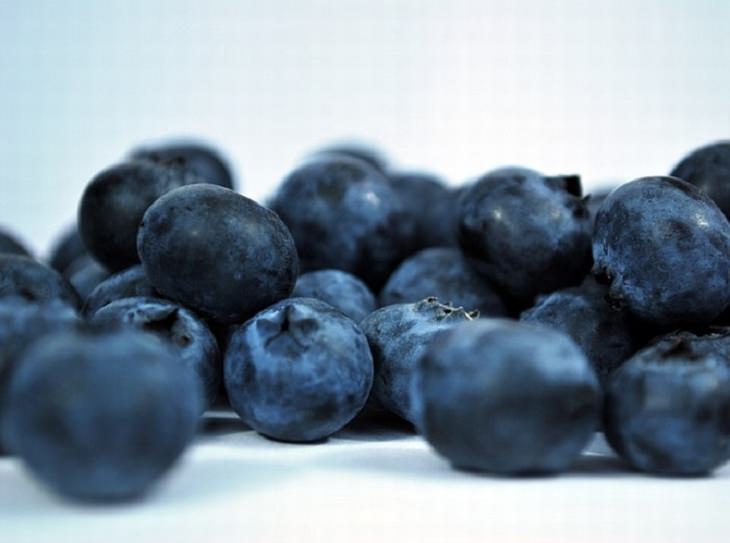
Besides bursting with tangy flavors, berries' health benefits are bountiful. They are packed with antioxidants and contain a component called rhodopsin which helps accelerate cellular regeneration - vital for maintaining healthy eyes. Alongside your dried fruits, include a helping of organic berries, like blackberries, cranberries and blueberries to help fortify the blood vessels and improve blood circulation, throughout your body, including your eyes. The berries will also help keep swelling and irritation of eyes at bay, enhancing your vision. 
 
5. Drink up and have a Spinach and Parsley Smoothie

Both spinach and parsley offer a wealth of health benefits - even more so, when combined. Spinach is not only rich in vitamins A, B, C, E and minerals like iron and zinc - it also contains lutein and zeaxanthin, two vital compounds that help keep eyes healthy. Consuming spinach on a daily basis will also help prevent disorders like macular degeneration (a visual impairment usually found in older adults) and cataract (a clouding of the lens that affects vision). It also helps keep the corneas healthy. 
 
 
Parsley, particularly when juiced, is also an effective natural remedy for eye care and is often used as a herbal remedy to relieve the eyes of problems such as corneal ulcers, cataracts, weak eyes, conjuctivitis, and sluggishness of the pupils. To make the smoothie, just combine a handful of both ingredients and blend. You can add an apple or a banana to the mix for some added flavor.

6. Stock up on Carrots

Aside from being a wholesome vegetable, carrots are packed with beta-Carotene, which later transforms into vitamin A in the body. Vitamin A is responsible for strengthening the eyes and protecting them from night blindness. While carrots can be used in many ways, you can get most of their benefits by juicing them. And for added benefits, add gooseberries to the mix, which are also a rich source of vitamin A and antioxidants. 
 
7. Drink water from a Copper jug

Copper lends innumerable healing properties to the body. It contains antioxidants and is a vital component of the natural dark pigment, melanin, which imparts coloration to the skin, hair and eyes. Copper protects against the graying of hair and maintains the color of your eyes into old age. To reap the health benefits of copper, store one liter of water in a copper vessel overnight and drink it the next morning.

8. Eat more Kale
Kale is rich in cancer-fighting antioxidants and vitamins - a good enough reason to eat more! But, it is also a good source of beta-Carotene and contains both lutein and zeaxanthin - in fact, just one cup of kale contains 23.8mg of both compounds. Kale can be juiced, or added to fruit smoothies, it can also be used in a salad or a side dish. Kale chips are especially tasty and really easy to make. Just drizzle with olive oil and sprinkle with seasoning salt, then bake them in the oven until the edges are brown (but not burnt). 
 
9. And why not grill some Corn

Who doesn't love corn? Besides its great taste, corn is a fantastic source of lutein and zeaxanthin. According to the Journal of Agricultural Food and Chemistry, cooking corn for a longer period of time increases the amount of lutein and the antioxidant level per serving. You can add it to soups and casseroles or eat it as a side-dish, on the cob, cooked in its traditional way. 
 
10. Broccoli works wonders too
Besides being rich in fiber, broccoli is especially high in vitamin C, which also contains-eye boosting beta-Carotene, as well as the compounds lutein and zeaxanthin. Eating broccoli will also help keep eye fatigue, soreness and blurred vision at bay, reducing stress on the eyes and thus allowing them to perform better for a longer period of time. Broccoli can be prepared in a number of ways - it can be baked, grilled, sautéed or eaten raw - no matter the method you choose, it's delicious either way.

This is only for your information, kindly take the advice of your doctor for medicines, exercises and so on.     

https://gscrochetdesigns.blogspot.com. one can see my crochet creations  
https://gseasyrecipes.blogspot.com. feel free to view for easy, simple and healthy recipes    
https://kneereplacement-stickclub.blogspot.com. for info on knee replacement

Labels: , , , , , , , , , , , , , ,

Saturday, July 18, 2020

15 Habits You Should Avoid to Maintain Sharp Vision

Our eyes are pretty fragile, and even the slightest misstep on your behalf is bound to affect their health and subsequently - your eyesight, if not now, then further down the road. Environmental stressors, such as UV light, dry air and others can worsen your vision and contribute to eye disease, but so do excess strain and lack of sleep. Learn to preserve sharp vision for decades by avoiding these 15 bad habits capable of ruining your eye health.

1. Air Conditioning and Central Heating

Both air conditioning and central heating significantly dry out the air in a room, potentially causing a whole host of issues, especially dry eyes. And while having dry eyes doesn't seem very threatening, it is more dangerous than you'd think. For one, eyes devoid of a moisture barrier are more susceptible to infections. Dry eyes can also damage the surface of the eye, and chronically dry eyes can even worsen one's vision.
To deal with the issue, keep a working air humidifier in your bedroom overnight, or simply put a bowl full of water or two in your bedroom - this water will slowly evaporate, slowly increasing the humidity in the room.

2. Not Wearing Sunglasses

Similarly to why you need to use sunscreen when you go outside, you should also wear sunglasses on the regular to protect the surface of your eyes from UV damage. The truth is that the sun's rays are getting stronger and stronger, and constant UV exposure was proven to contribute to several eye diseases, namely eyelid cancer, cataract, and pterygium (a pinkish growth over the cornea). Doctors suggest wearing sunglasses year-round, even in the winter.

3. Using Makeup Remover Too Close to the Surface of the Eye

This is not to say that you should stop wearing eye makeup, or stop removing it from your eyes, but rather be wary of the products you use around the eye area and make sure not to get eye makeup remover inside your eyes. Eye makeup removers and face wash can contain a type of cleaning agent, a surfactant called benzalkonium chloride, which can irritate the surface eye and damage eye tissues, subsequently worsening your eyesight. Products intended for eye use and those that don't contain this ingredient are generally considered eye-safe.

4. Improper Use of Contact Lenses

Contact lenses require the strictest hygienic and medical guidelines to be safe for your eyes, you wear them directly on your eyes, after all. First and foremost, you should never sleep in your contacts or use them in water, as this can cause damage to the surface of the eye and severe, sometimes incurable, eye infections.
Some contacts are considered safe for sleep, but we wouldn't risk it anyway. Two other things we'd never risk is overusing contact lenses or using not medically-approved lenses, as in both cases, the risk of eye infection is just too high. Contacts can scratch your eyes and harbor bacteria, especially if they're not regulated - a recipe for disaster. Contact-related injuries and infection have been found to result in visual impairment in 20% of cases.

5. Sleep Deprivation and Apnea

According to medical research, your eyes require at least 5 hours of uninterrupted sleep on a daily basis to function properly and stay healthy. Overexertion may cause eye spasms (twitching), popped blood vessels, dry eyes, blurry vision, and itching eyes.
Even more serious health conditions are associated with sleep apnea sufferers, who are more likely than healthy people to develop glaucoma and can suffer from vision loss caused by a degenerative condition affecting the optic nerve called Anterior Ischemic Optic Neuropathy (AION).

6. Traveling by Plane

Here is one more reason to sleep on the plane, and it has everything to do with your eye health. The thing is that the recycled air on the plane is among the driest and most germ-ridden imaginable, so make sure to rest your eyes, preferably wearing an eye mask, while you're on the plane, especially on long flights.

7. Using Devices for Too Long

All screens are bad for your eye health, especially if you spend too much time in front of them, be it a computer screen, your smartphone or your TV. The reason behind is that concentrating on a screen for prolonged periods of time is just too strenuous for your eyes, and the resulting condition is the already familiar 'dry eye', of course, but also another condition called Computer Vision Syndrome (CVS), characterized by eyestrain, headaches, neck and shoulder pain, blurred vision and dry eyes.
To prevent the development of CVS, set up your desk ergonomically, adjust the lighting and the brightness of the screen, and keep a healthy posture while using the computer.

8. Smoking

Believe it or not, smoking can affect even your vision. In one study, participants who were smoking 20 or more cigarettes daily were shown to have worse color vision than those who didn't smoke more than 15 cigarettes a day. Smoking is also known to contribute to more serious eye issues, such as glaucoma, macular degeneration, cataract, and diabetic retinopathy.

9. Sleeping With Eye Makeup On

If washing your eye makeup off is bad for your eyes if you're using the wrong products, not washing your eye makeup off is very harmful, always. People often don't realize how much dirt and buildup can accumulate inside their eyes, and this is especially true for eye makeup wearers. Those who don't remove their eye makeup are in an even worse situation, as they smear that gunk all over their eyes while they sleep.
While mascara, false lashes and eyeliner can cause eye infections, especially if you don't replace your makeup products regularly, glitter eyeshadow can cause microtears on the surface of the eye, so make sure you clean all the eye makeup from your eyes before you go to bed. 

10. Doing Yard Work Without Safety Goggles

Eye injuries are no joke. Unlike a cut, a bruise or even a fracture, you won't be able to regrow an eye, which is why you should prioritize your eye safety whenever you're doing something potentially risky for your eyes. Such things include walking in the dark, carrying sharp objects, such as scissors, and doing yard work.
When it comes to yard work or home improvement, the easiest preventative measure is to simply wear protective eyewear, but when it comes to walking in the dark, you can just avoid the activity altogether. Also, be careful and don't make any quick or sudden movement when you have sharp objects in your hands.

11. Rubbing Your Eyes

Rubbing your eyes may give you temporary relief to allergies or tiredness, but try to abstain from it, and teach the little ones to do so as well, as eye rubbing can be quite bad for you. To be more specific, eye rubbing contributes to the development and worsening of a disorder called keratoconus, which is the thinning of the cornea.
This condition typically can result in blurry or double vision, astigmatism, nearsightedness, and light sensitivity, and it is especially common in kids.

12. Certain Medications

Unfortunately, many medications come with side effects that worsen your vision. For example, antihistamines, antidepressants, cholesterol-lowering drugs, beta-blockers, birth control pills, and others can all cause eye dryness, whereas certain antibiotics, diuretics, and NSAIDs can result in sensitivity to light.
Other medications, e.g. asthma medications, Parkinson’s, and depression medications can increase the risk of glaucoma. If you are experiencing any eye or vision problems after starting a new medication, talk to your doctor to seek alternative treatments.

13. Overusing Eye Drops

If you need to resort to anti-redness or allergy drops more than the directions suggest or use it for prolonged periods of time, you might be actually suffering from another eye problem, most commonly dry eye, and to feel better, you'll need to address that problem with an eye doctor.
Over the counter eye drops are a fix for a brief problem, but prolonged use can do more harm that good, as your eyes get accustomed to the extra help and you might become addicted to the drops.

14. Poor Diet and Vitamin B Deficiency

Dietary deficiencies, the most common one being a vitamin B12 deficiency, can cause vision problems as well. Vitamin B12 deficiencies are common among vegetarians and vegans, and these can even cause blindness, in some cases. Instead, enjoy foods that your eyes will appreciate, such as:
  • Salmon, tuna, and nuts, high in omega 3 fatty acids
  • Eggs, high in B vitamins and protein
  • Leafy greens, e.g. kale and spinach, rich in lutein
  • Orange fruit and veggies, such as mango or carrots, which contain a lot of carotenoids.

15. Using Cheap Sunglasses

The fact that a pair of sunglasses are darkened doesn't mean they offer any or enough sun protection. Reputable brands will typically make UV reflection tests before selling a product to make sure your eyes are protected from the sun, as they should be. That's why we recommend you invest in a pair of sunglasses that offer proven UV protection to preserve your eye health and eyesight.
 
This is only for your information, kindly take the advice of your doctor for medicines, exercises and so on.     

https://gscrochetdesigns.blogspot.com. one can see my crochet creations  
https://gseasyrecipes.blogspot.com. feel free to view for easy, simple and healthy recipes    
https://kneereplacement-stickclub.blogspot.com. for info on knee replacement

Labels: , , , , , , , , , , , , , , ,