12 Common Misconceptions About Eye Health
Maintaining good vision throughout your
entire life is possible if you make sure to take proper care of your
eyes. This includes protecting them from damage, avoiding habits that
harm your eyes, and staying healthy overall. Still, when it comes to the
right way to maintain one’s eyesight, things can sometimes get
confusing. For example, many people think that squinting or watching TV
from a close distance is harmful, and also that rubbing your eyes and
over-washing them is fine.
All four of those examples are common misconceptions about eye health -
misconceptions that we will clarify in this article. So, if you want to
educate yourself about eye health and 12 popular myths about eyes,
continue reading.
1. Rubbing your eyes isn’t harmful as long as it doesn’t hurt
eye health myths man rubbing his eyes
If you have the habit of rubbing your eyes
when they get tired, or you rub your eyes a lot due to allergies and
think it's fine as long as your eyes aren't particularly red or painful
afterward, consider this:
Rubbing your eyes frequently can cause thinning of the cornea, which, in
turn, may lead to a condition called keratoconus, a common cause of
vision loss. The cornea in people suffering from this condition becomes
distorted and bulges out in a cone-like shape, which is what causes
early symptoms like blurry and double vision, light sensitivity, and
nearsightedness.
2. Reading in dim light will affect your eyesight

Many people think that reading in a dimly
lit room can worsen your vision, but there is no evidence of that.
Doctors assure that the only symptom of reading under poor light
conditions is eye fatigue. With age, we do tend to require more light in
order to read because our retinas become weaker, but those are
age-related changes and not something brought about by a darker than
usual reading environment.
3. Carrots are the best food to eat for good eyesight


Beta carotene is the component in carrots
that helps maintain good eyesight because it's converted into vitamin A
in our body, which is crucial for eyesight. Interestingly, beta carotene
is also the chemical that makes carrots orange. However, carrots are by
far not the only vegetable that contains a lot of this very useful
antioxidant: spinach, kale, red, orange, and yellow peppers, and even
sweet potatoes also contain plenty of beta carotene.
What's more, any other food high in vitamin A, even animal-derived foods
like cheese, milk, egg yolks, and liver will have the same benefits for
your eyesight, too.
4. Rinsing eyes with water is the best way to relieve dry and itchy eyes
If you're suffering from dry and itchy
eyes, be it due to allergies, eye strain, or any other reason, it's
important not to resort to rinsing your eyes with water to soothe the
uncomfortable symptoms. This is because tap water is full of bacteria
and other potentially harmful microorganisms that are typically killed
by your digestive juices when you ingest the water.
Unfortunately, your eyes aren't equipped to deal with these germs, so
you're risking to introduce an eye infection by rinsing your eyes with
lots of water all the time. Instead, doctors recommend artificial tears,
which are eye drops specifically manufactured to lubricate dry eyes.
5. Reading a book from up close is easier on the eyes
Bringing a book, laptop, or smartphone
closer to see better and read easier is a dire mistake. In fact, this
kind of near work increases nearsightedness (myopia), especially in
kids. Myopia, in turn, is a known risk factor for many other eye
conditions, such as retinal detachment, glaucoma, and cataracts. So,
instead of bringing that book or device closer, do the opposite and keep
them as far away from your eyes as possible.
6. Putting on eye makeup is safe for your eyes
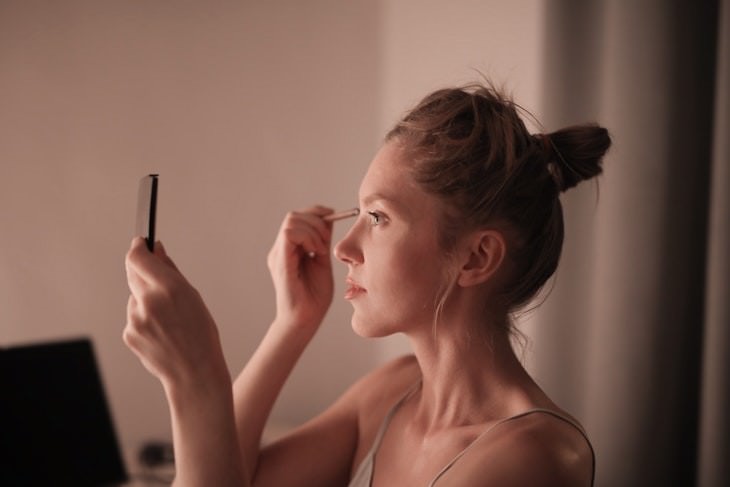
Eye makeup, such as mascara, eyeliner, and
eyeshadow are all manufactured with eye safety in mind, but even the
best makeup product should be washed off at the end of the day. The main
issue with eye makeup is that, no matter how much you try, it's bound
to get into your eyes eventually.
Sometimes, makeup residue can build up in your eyes and clog up the
meibomian glands in your eyes, which are tiny oil glands that moisturize
the eye and prevent redness and dryness. So, always wash off your eye
makeup as soon as possible and have eye makeup free days from time to
time.
7. Laser surgery can get rid of all eye problems
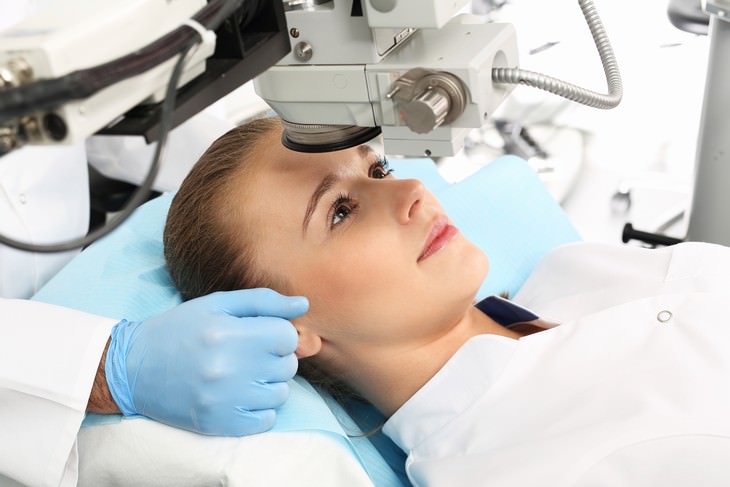
Laser eye surgery is a very popular and
effective way to correct one's eyesight, but few people don't know that
not everyone is eligible for this procedure. Lasik surgery can correct
conditions like myopia (nearsightedness), hyperopia (farsightedness),
and astigmatism, but patients suffering from keratoconus, cataract,
glaucoma, and macular degeneration aren't suitable for the surgery.
8. Any dark glasses will protect eyesight from UV damage
UV exposure is just as dangerous, if not
more, to your eyes than it is to your skin. The Sun's rays affect the
macula, the cornea, and the lens, and sun damage can result in:
Macular degeneration, one of the leading causes of vision loss
Cataract
Pterygium, a growth on the eye that may block vision
Skin cancer around the eyes
Photokeratitis, a painful corneal sunburn that causes temporary
vision loss.
Contrary to popular belief, not all sunglasses with dark lenses can
protect you from UV damage, as it is a special coating that shields your
eyes from damage, and not the darkened lenses per se. Even many clear
glasses contain a UV filter, while many sunglasses don't. The safest way
to protect your eyes is to purchase certified UV glasses, as they are
clinically tested and will surely work.
Related Article: Eyes and Vision Facts and Information
9. Eye exams are not necessary if you have no complaints
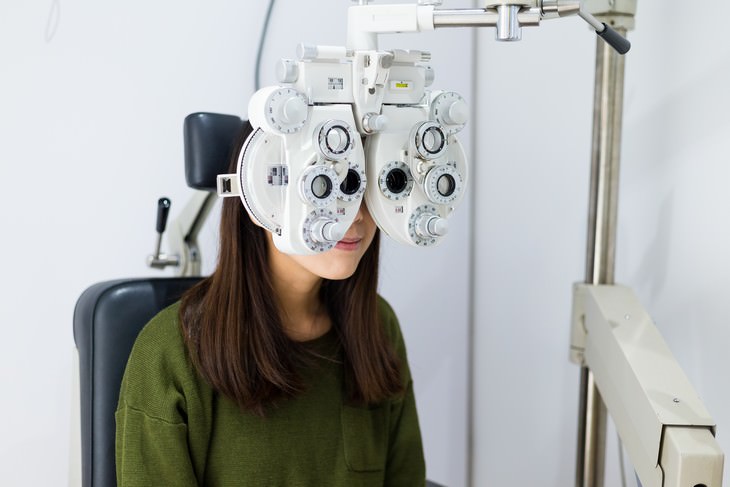
Vision loss is by far not the only
diagnosable condition your eye doctor is trained to spot. During a
comprehensive eye exam, a doctor will check your overall eye health. As
it is with most conditions, early diagnosis is often the key to fast
recovery. Apart from that, eyes are sometimes the first organ to show
signs of serious health conditions, such as hypertension and diabetes.
So, it's best to sign up for a yearly check.
10. Wearing glasses or contacts with the wrong prescription is not a big
deal
Have you ever worn another person's
eyeglasses and, all of a sudden, your head started to ache or you
started to feel dizzy? Well, guess what? The same feelings, although
maybe less intense ones, can happen if you wear the wrong glasses or
contact lenses. The main symptoms of wearing the wrong prescription
glasses or contacts are increased eye strain, headaches, dizziness, and
nausea.
11. Frequent squinting affects your vision

Now, this one is just not true. While
frequent squinting to see better can be a symptom of farsightedness or
other eye condition, the habit itself doesn't affect your vision in any
way. In fact, the worst thing squinting could possibly give you is
crow's feet - those small wrinkles around your eyes.
12. Watching TV from up close hurts your vision
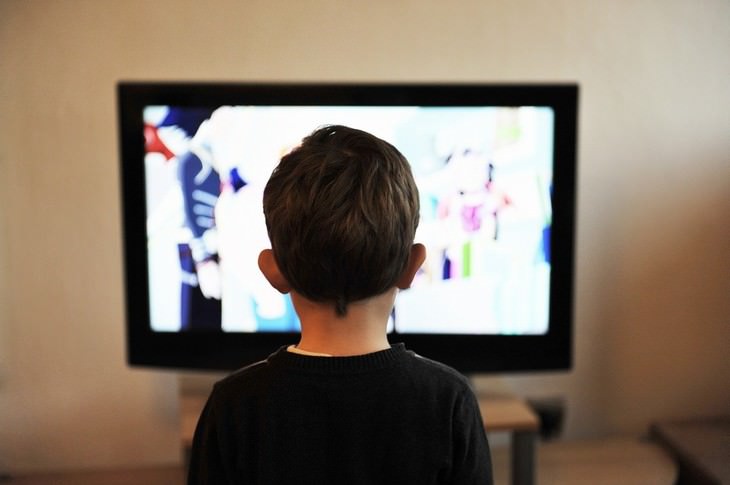
Watching a lot of TV, even from up close,
is not considered harmful for your eyesight and cannot cause permanent
eye damage. Like computer work, prolonged TV screen time can dry out
your cornea if you forget to blink and causes eye strain, so get in the
habit of taking short breaks from time to time when you're looking at
any kind of screen.
1. Rubbing your eyes isn’t harmful as long as it doesn’t hurt
eye health myths man rubbing his eyes
2. Reading in dim light will affect your eyesight
3. Carrots are the best food to eat for good eyesight
6. Putting on eye makeup is safe for your eyes
7. Laser surgery can get rid of all eye problems
8. Any dark glasses will protect eyesight from UV damage
10. Wearing glasses or contacts with the wrong prescription is not a big
deal
Maintaining good vision throughout your
entire life is possible if you make sure to take proper care of your
eyes. This includes protecting them from damage, avoiding habits that
harm your eyes, and staying healthy overall. Still, when it comes to the
right way to maintain one’s eyesight, things can sometimes get
confusing. For example, many people think that squinting or watching TV
from a close distance is harmful, and also that rubbing your eyes and
over-washing them is fine.
All four of those examples are common misconceptions about eye health -
misconceptions that we will clarify in this article. So, if you want to
educate yourself about eye health and 12 popular myths about eyes,
continue reading.
If you have the habit of rubbing your eyes
when they get tired, or you rub your eyes a lot due to allergies and
think it's fine as long as your eyes aren't particularly red or painful
afterward, consider this:
Rubbing your eyes frequently can cause thinning of the cornea, which, in
turn, may lead to a condition called keratoconus, a common cause of
vision loss. The cornea in people suffering from this condition becomes
distorted and bulges out in a cone-like shape, which is what causes
early symptoms like blurry and double vision, light sensitivity, and
nearsightedness.
2. Reading in dim light will affect your eyesight
Many people think that reading in a dimly
lit room can worsen your vision, but there is no evidence of that.
Doctors assure that the only symptom of reading under poor light
conditions is eye fatigue. With age, we do tend to require more light in
order to read because our retinas become weaker, but those are
age-related changes and not something brought about by a darker than
usual reading environment.
Beta carotene is the component in carrots
that helps maintain good eyesight because it's converted into vitamin A
in our body, which is crucial for eyesight. Interestingly, beta carotene
is also the chemical that makes carrots orange. However, carrots are by
far not the only vegetable that contains a lot of this very useful
antioxidant: spinach, kale, red, orange, and yellow peppers, and even
sweet potatoes also contain plenty of beta carotene.
What's more, any other food high in vitamin A, even animal-derived foods
like cheese, milk, egg yolks, and liver will have the same benefits for
your eyesight, too.
4. Rinsing eyes with water is the best way to relieve dry and itchy eyes
If you're suffering from dry and itchy
eyes, be it due to allergies, eye strain, or any other reason, it's
important not to resort to rinsing your eyes with water to soothe the
uncomfortable symptoms. This is because tap water is full of bacteria
and other potentially harmful microorganisms that are typically killed
by your digestive juices when you ingest the water.
Unfortunately, your eyes aren't equipped to deal with these germs, so
you're risking to introduce an eye infection by rinsing your eyes with
lots of water all the time. Instead, doctors recommend artificial tears,
which are eye drops specifically manufactured to lubricate dry eyes.
5. Reading a book from up close is easier on the eyes
Bringing a book, laptop, or smartphone
closer to see better and read easier is a dire mistake. In fact, this
kind of near work increases nearsightedness (myopia), especially in
kids. Myopia, in turn, is a known risk factor for many other eye
conditions, such as retinal detachment, glaucoma, and cataracts. So,
instead of bringing that book or device closer, do the opposite and keep
them as far away from your eyes as possible.6. Putting on eye makeup is safe for your eyes
Eye makeup, such as mascara, eyeliner, and
eyeshadow are all manufactured with eye safety in mind, but even the
best makeup product should be washed off at the end of the day. The main
issue with eye makeup is that, no matter how much you try, it's bound
to get into your eyes eventually.
Sometimes, makeup residue can build up in your eyes and clog up the
meibomian glands in your eyes, which are tiny oil glands that moisturize
the eye and prevent redness and dryness. So, always wash off your eye
makeup as soon as possible and have eye makeup free days from time to
time.
Laser eye surgery is a very popular and
effective way to correct one's eyesight, but few people don't know that
not everyone is eligible for this procedure. Lasik surgery can correct
conditions like myopia (nearsightedness), hyperopia (farsightedness),
and astigmatism, but patients suffering from keratoconus, cataract,
glaucoma, and macular degeneration aren't suitable for the surgery.
UV exposure is just as dangerous, if not
more, to your eyes than it is to your skin. The Sun's rays affect the
macula, the cornea, and the lens, and sun damage can result in:
Macular degeneration, one of the leading causes of vision loss
Cataract
Pterygium, a growth on the eye that may block vision
Skin cancer around the eyes
Photokeratitis, a painful corneal sunburn that causes temporary
vision loss.
Contrary to popular belief, not all sunglasses with dark lenses can
protect you from UV damage, as it is a special coating that shields your
eyes from damage, and not the darkened lenses per se. Even many clear
glasses contain a UV filter, while many sunglasses don't. The safest way
to protect your eyes is to purchase certified UV glasses, as they are
clinically tested and will surely work.
Related Article: Eyes and Vision Facts and Information
9. Eye exams are not necessary if you have no complaints
Vision loss is by far not the only
diagnosable condition your eye doctor is trained to spot. During a
comprehensive eye exam, a doctor will check your overall eye health. As
it is with most conditions, early diagnosis is often the key to fast
recovery. Apart from that, eyes are sometimes the first organ to show
signs of serious health conditions, such as hypertension and diabetes.
So, it's best to sign up for a yearly check.
Have you ever worn another person's
eyeglasses and, all of a sudden, your head started to ache or you
started to feel dizzy? Well, guess what? The same feelings, although
maybe less intense ones, can happen if you wear the wrong glasses or
contact lenses. The main symptoms of wearing the wrong prescription
glasses or contacts are increased eye strain, headaches, dizziness, and
nausea.
11. Frequent squinting affects your vision
Watching a lot of TV, even from up close,
is not considered harmful for your eyesight and cannot cause permanent
eye damage. Like computer work, prolonged TV screen time can dry out
your cornea if you forget to blink and causes eye strain, so get in the
habit of taking short breaks from time to time when you're looking at
any kind of screen.Now, this one is just not true. While
frequent squinting to see better can be a symptom of farsightedness or
other eye condition, the habit itself doesn't affect your vision in any
way. In fact, the worst thing squinting could possibly give you is
crow's feet - those small wrinkles around your eyes.
12. Watching TV from up close hurts your vision