Tuesday, November 08, 2022

Rubbing Your Eyes Is More HARMFUL Than You Think

Waking up is not the same without lazily rubbing your watery eyes, even though you know deep down that it may not be such a good idea. This is an all-too-familiar struggle for so many people. You may even be tempted to think that rubbing your eyes is no big deal, but in reality, the truth is the opposite of that. 
 
Rubbing the delicate and thin skin of the eye area can have dire consequences for your eye health and skin appearance. This article will help you understand how frequent rubbing can harm the eye area and what you can do to stop rubbing your eyes too often.  
 
The Consequences of Eye Rubbing
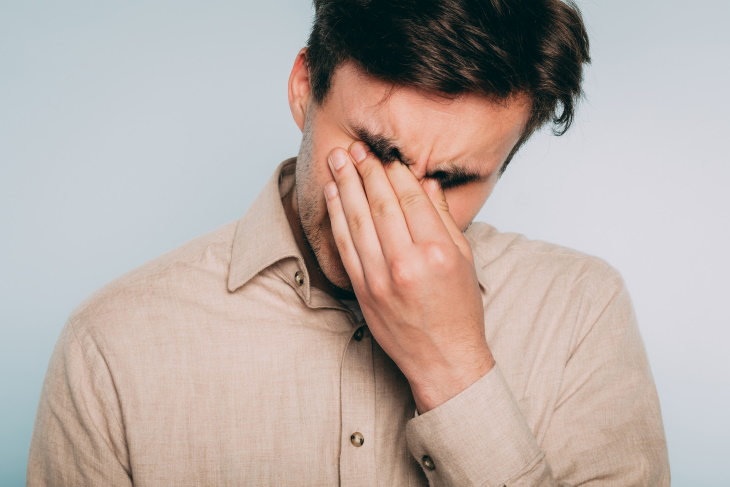
 Rubbing Your Eyes Man Rubbing Eyes
Dermatologists point out that the eye area has the thinnest and most delicate skin in your entire body. That’s why rubbing the skin around the eyes more than merely twice a day can have a detrimental effect on your skin’s appearance and health. 
 
Doctors encounter the following problems that result from frequent eye rubbing: 
 
1. Dark circles  
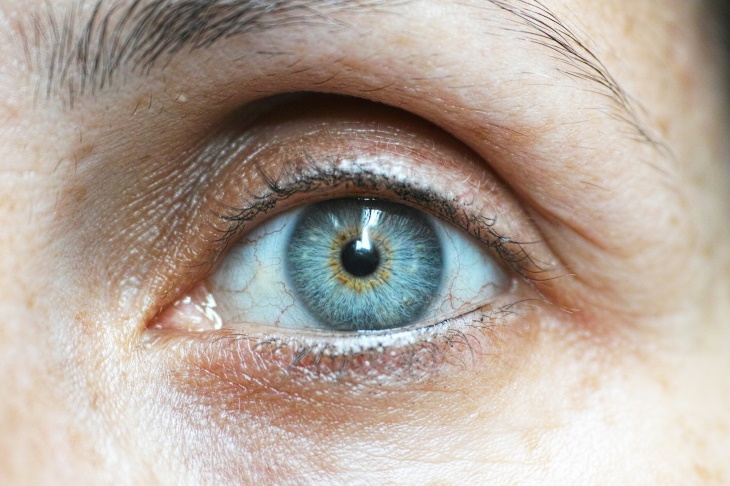
Rubbing Your Eyes Dark circles
Rubbing your eyes can lead to dark undereye circles. Friction damages tiny blood vessels under the skin, causing them to break and bleed. As a result, you’ll observe dark circles under the eyes called post-inflammatory hyperpigmentation. Fortunately, this is not permanent damage, but it can return if you get in the habit of eye rubbing again.


2. Corneal damage  
Chronic eye rubbing can cause damage beyond the skin too. Microscopic scratches to the cornea - the protective transparent layer that covers the iris and the pupil - and fairly common too. Gradually, scratches can lead to the thinning of the cornea, which, in turn, worsens your eyesight and causes blurry vision and astigmatism.
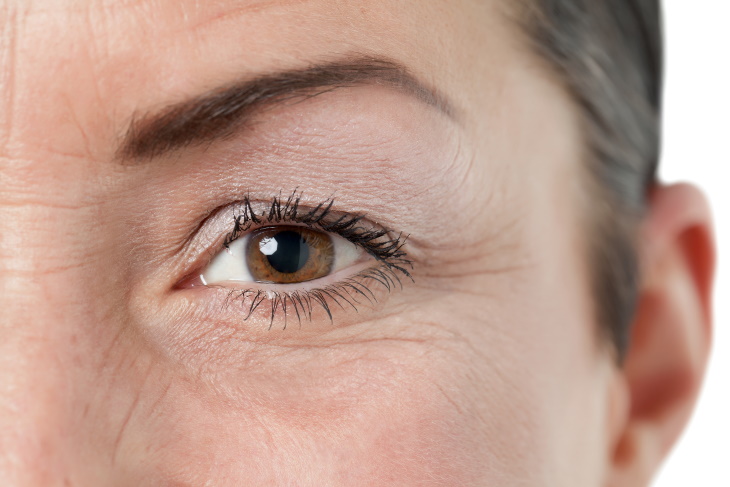
3. Wrinkles around the eyes 
Rubbing Your Eyes Wrinkles around the eyes
Wrinkles develop when the skin loses elasticity. And the thinner the skin, the higher the risk of developing wrinkles early on. Since the skin around the eyes is very delicate, even seemingly minor mechanical damage like rubbing the eyes can stretch the skin and lead to premature wrinkles. Repeated rubbing can also make the skin appear dry, which accentuates wrinkles.

4. Glaucoma gets worse  
Glaucoma is a disease where the optic nerve is damaged. Gradually, more and more patches of a person’s field of vision vanish, ultimately leading to blindness. In most cases, glaucoma treatment involves lowering intraocular pressure. Frequent eye rubbing can compromise the treatment and cause spikes in eye pressure, speeding up the progression of glaucoma. 
 
5. Red and watery eyes  
Do people often tell you that your eyes look red and tired? Rubbing can lead the tiny capillaries in the eyes to break and rupture, which gives that familiar bloodshot appearance to the eyes.

6. Increased risk of eye infection  
At this point, we’re all keenly aware that our hands need frequent washing and that germs are around us. So, why do we still think that it’s okay to rub our eyes with those dirty hands throughout the day? Realistically, it’s not, and each time you do so, you are potentially exposing the eyes to germs. Bacteria and viruses can enter the bloodstream through the eyes, and chronic eye rubbing is linked to an increased risk of pink eye and conjunctivitis. 
 
Here’s some good news to keep in mind. While rubbing the eyes is harmful, wearing swimming goggles and light tugging on the eyelid, such as when you put on contacts or apply eye makeup, causes no negative health effects. Likewise, a light patting or dabbing motion when you apply skincare products around the eye area will not cause harm.  
 
Why Do Eyes Get Itchy?
From dry eye disease to allergies, your eyes may get itchy for a variety of reasons. If the itchiness causes you to rub your eyes frequently, schedule an appointment with your physician to address the issue. A doctor can prescribe topical steroid drops, antihistamines, or hydrating drops to reduce itchiness.

Teach Yourself to Stop Rubbing Your Eyes 
In many cases, rubbing your eyes is just a harmful habit. Although it may take some time to break the habit, most negative effects of chronic eye rubbing are reversible, so you’ll be sure to notice a positive difference quickly. 
 
Here are several useful tips that can teach you to stop rubbing your eyes: 
 
Apply a cool compress by folding a damp clean cloth over your eyes when you get the urge to rub itchy eyes. 
 
If you wear contacts, switch back to your glasses for a few weeks. The glasses will help you be more mindful of how often you feel the need to rub your eyes and give you the opportunity to prevent it.

When you wash your eyes, avoid using sponges or washcloths. Instead, gently massage the cleanser with your fingers and rinse well. 
 
If your eyes feel swollen or irritated, use a face roller or eye patches to calm your eyelid skin and reduce puffiness. 
 
Whenever you feel like something got stuck in your eyes, flush it out using artificial tear drops or an eye wash solution instead of rubbing the eye. 
 
Treat the underlying cause of itchy eyes, be it allergies or dry eye disease. 
 
Wear sunglasses or protective eye-wear when you’re outside or engaged in activities like sports or repair work.


Labels: , , , , , , , , , , , , ,

Monday, May 11, 2020

Why smoking is so addictive

Smoking is the leading cause of lung cancer, heart disease, respiratory problems and stroke. Even then approximately 120 million people smoke in India, out of which 10 million lose their life to tobacco use every year.

Most people start smoking in their teens. Teenagers whose parents or friends smoke are more likely to start this habit as compared to others. Some just start accidentally as others think it looks cool. But there is one thing that we all know for sure, that it is not easy to quit smoking once you get habitual of it. 


​Smoking an addiction

A large number of people try to give up smoking, but not all succeed. They try nicotine, seek professionals help, but still can't resist their temptation to smoke. Many even regret starting this habit at the very first place. But why is it so difficult to quit smoking? Have you ever thought about it?

Cigarettes contain nicotine, which is highly addictive. It interferes with the functioning of your brain by altering the balance of two chemicals- dopamine and noradrenaline. Changes in the level of these chemicals affect your mood and concentration level, which smokers find enjoyable. They start feeling happy and stressfree within minutes after taking the first puff.

Nicotine reaches the brain quickly leading to nicotine rush, which smokers enjoy and with time starts becoming too much dependent on it.


​Effect of quitting on brain

When you suddenly quit smoking, the scarcity of nicotine changes the level of dopamine and noradrenaline in the brain. This makes you feel anxious, depressed and irritated. Due to these issues, many people start smoking again after quitting it.
 

How difficult is it to quit smoking?

2 out of 3 of smokers say they want to quit, but only 1 succeeds. This is because they become physically as well as emotionally dependant on cigarettes. Studies suggest that smoking is more addictive than using cocaine or opiates. In 2012, researchers closely observed 28 different studies carried out on people trying to quit the substance they were addicted to. It was found that about 18 per cent were able to quit drinking, and more than 40 per cent were able to quit opiates or cocaine, but only 8 per cent were able to quit smoking.
 

The bottom line

There are no health benefits of smoking. It can cause several health issues and if you are suffering from any disease, it will make the condition even more complicated. So, try to quit it. Taking professionals advice may help, but more that that, strong determination is important. 


This is only for your information, kindly take the advice of your doctor for medicines, exercises and so on.     

https://gscrochetdesigns.blogspot.com. one can see my crochet creations  
https://gseasyrecipes.blogspot.com. feel free to view for easy, simple and healthy recipes    
https://kneereplacement-stickclub.blogspot.com. for info on knee replacement

Labels: , , , , , , , , , , , , ,

Wednesday, January 29, 2020

5 common signs that indicate you are not eating enough calories

Look out for these signs!

Whether you are trying to shed kilos or maintaining your current weight, calorie count matters in all the situations. The amount of calories you consume in a day affects your weight, fitness level and energy to perform daily chores.

But in modern times, where everyone is so concerned about maintaining a healthy weight, people are constantly trying to create a calorie deficit, overlooking the fact that even under-eating can have a negative impact on the health. Eating fewer calories once in a blue moon does not affect much, but doing this regularly can cause mental, emotional and physical issues. Here are 5 signs that indicate that you are under-eating and need to increase your calorie intake.


Hair loss

Losing 3-4 strands of hair every day is normal. But if you notice an increased amount of hair loss, then it is a matter of concern. Excessive hair loss indicates that the person is not getting sufficient calories. Sufficient intake of calories, protein, biotin, iron and other nutrients are important for healthy and soft hair.


Low immunity
Do you feel sick more than often? If you start coughing and sneezing even with a slight change in the temperature, then you need to take care of your eating habit. Under-eating means your body is not getting enough nutrients to maintain a healthy immune system and fight off illnesses. As a result, you will fall sick more often and will even take longer to recover from any illness.


Constantly feeling cold

Yes, your calorie intake and your body temperature are also linked with each other. Your body needs to burn a certain amount of calories to produce heat, which helps to maintain body's internal temperature. When you eat less, the body does not get enough calorie and struggle to maintain the core body temperature. This the reason you may feel cold all the time.


Skin issues
Dry skin, cracks in the corners of the mouth and brittle nail all indicate nutrient deficiency. Mostly deficiency of Vitamin E leads to skin problems. If lately, you are noticing any major changes in your skin condition, then you need to take care of your eating habit.


Feeling irritated

Feeling annoying or irritated is another symptom of calorie deficiency. Eating less makes you feel hungry all the time, which in turn, can make your angry. You lose focus and feel irritated without any reason. 


This is only for your information, kindly take the advice of your doctor for medicines, exercises and so on.     
https://gscrochetdesigns.blogspot.com. one can see my crochet creations  
https://gseasyrecipes.blogspot.com. feel free to view for easy, simple and healthy recipes    
https://kneereplacement-stickclub.blogspot.com. for info on knee replacement
 

Labels: , , , , , , , ,

Wednesday, April 17, 2019

7 Silent Signs That Point to an Undiagnosed Allergy

Nowadays, allergies are more common than ever, with almost half of the population worldwide having experienced an allergic reaction at least once in their lifetime. Often, we can simply misattribute an allergy symptom as an age-related change in our body, a flu or some other health condition.
I myself suffer from allergies all the time, and know how a breakout or swelling can be easily blamed on hormonal changes or lack of sleep, even though it’s most likely my dust allergy acting out. That’s the main reason why it’s important to know how allergies can manifest themselves, and hopefully, you’ll be able to catch the culprit behind those swollen eyelids, itchy skin and fatigue, and get rid of it and the uncomfortable symptoms it triggers once and for all.
These are some silent signs of allergies that you might mistake for something else.

1. A (Kind Of) Stuffy Nose and Sore Throat

Do you know that feeling when you wake up in the morning with a stuffy nose, but then, in the morning, it seems to subside? It can be really frustrating, as you never know if it’s the beginning of a cold or nothing serious, especially when it’s accompanied by a dry or slightly sore throat.
If you know what we’re referring to and experience these symptoms all the time, no matter the temperature and humidity levels in the bedroom, you might be having an allergy.

2. Itchy, Irritated or Swollen Skin

Does your skin feel itchy and irritated, even though you’re moisturizing it and don’t see any rash or breakouts? Or do you wake up with a somewhat swollen face or eyelids in the morning? These signs may be a symptom of an allergy.
And though it is true that people with dry skin can also experience skin itching, especially in the winter, a constant itchiness should still be a warning sign for you. If swelling and itchiness is accompanied by other symptoms, such as headaches, a stuffed nose, or any other symptom we mention on this list, it may be caused by an allergy.
Foods, medications, supplements, fragrances, detergents, or anything else, really, can provoke these symptoms. You can be allergic to specific laundry detergents, for example, which can cause headaches, irritability, swelling and skin itching because we use it to clean our clothes, sheets and towels.

2. Experiencing Headaches, Fatigue and Irritability

Like many other physical conditions, allergies can take a toll on your mental health, too, causing irritability and nervousness. It makes sense, too, if you think about it, as it is very nerve-wracking indeed to feel slightly sick, itchy and swollen without a definite idea if it’s just a new normal for you, or a cause of concern. Other related symptoms are exhaustion, mental tiredness and headaches. These two symptoms make you feel less focused and alert, too, which can really affect your productivity and life satisfaction.

4. Persisting Rash or a Recurrent Flare Up

If you experience skin rashes that flare up from time to time, possibly every season, it may indicate that you have an undiagnosed allergy. It doesn’t have to be allergic hives either, rosacea, eczema, acne and other skin conditions can all worsen due to an allergy.
Also, keep in mind that allergies are often systemic, which means that a rash on your back or on the tops of your hands, for example, can be caused by a food allergy or even an allergy to cat fur, and not necessarily a product that contacted with your hands or back.

5. A Persisting Cold or Sinus Infection

A cold or sinus infection that doesn’t go away for a long time may be an allergy in disguise, especially when a treatment with antibiotics proves ineffective. This is especially true about seasonal allergies.
In fact, patients with serious undiagnosed allergies often mistake them for a respiratory infection and complain to the doctor about a cold or sinusitis, when in reality they just have an allergy.

6. Sensitive or Watery Eyes

One of the most common contact allergy symptoms are uncontrollably itchy eyes, but it rarely happens that you have such a strong reaction to an allergen that your eyes immediately turn red and start itching like crazy. If you feel that your eyes become more sensitive or watery when you’re outside and it’s windy, for example, it may indicate a dust allergy.
It is also often the case that some skincare or makeup products can make your eyes watery or red. As it is the case with all of these symptoms, you should observe and see if any other allergy symptoms accompany it, and if so, it may be worth a visit to a doctor.

7. Feeling Sick Only Outdoors or In a Specific Building

Are you experiencing headaches and itchiness only when you’re in a library? Or, on the other hand, you feel tired and your nose is runny only when you spend time outside? It can mean that you have an allergy to a specific object found outdoors or indoors, be it pollen, mold, animals or anything else.
If you’re lucky, it can be seasonal, especially if it’s an allergy to a specific pollen. If not, it may something more general, like dust, in my case, which can trigger an allergic reaction both indoors and outdoors.
The Bottom Line. If you experience a combination of the symptoms we outlined in this article for an extended period of time, try to look for patterns and understand what product, object or animal could be triggering these symptoms. We tried to provide you many pointers and examples, but it is up to you to understand your own body’s reactions.

You physician or an allergologist will also help you figure out what might be causing your allergy and if it’s maybe something else, as well as be able to prescribe a suitable treatment. In the end, it is important to treat even minor allergy symptoms, as they can really affect your daily life, confidence and life satisfaction.

THIS IS ONLY FOR INFORMATION, ALWAYS CONSULT YOU PHYSICIAN BEFORE HAVING ANY PARTICULAR FOOD/ MEDICATION/EXERCISE/OTHER REMEDIES.                                    PS- THOSE INTERESTED IN RECIPES ARE FREE TO  VIEW MY BLOG-                                                                                           https://gseasyrecipes.blogspot.com/    
                                                                                                                                                     FOR INFO ABOUT KNEE REPLACEMENT, YOU CAN VIEW MY BLOG-                                                  https:// kneereplacement-stickclub.blogspot.com/  
         
                   FOR CROCHET DESIGNS                                                                                                                                                                                                  https://gscrochetdesigns.blogspot.com  

Labels: , , , , , , , , , , , , , , , , , ,

Saturday, December 29, 2018

Appendicitis

Appendicitis occurs due to a blockage or obstruction in the appendix. The blockage may be due to a buildup of mucus, parasites, or most commonly, fecal matter. When an obstruction in the appendix occurs, bacteria can multiply quickly inside the organ causing the appendix to become irritated and swollen, thus leading to appendicitis. 
The appendix is located in the lower right side of your abdomen and is a narrow, tube-shaped pouch protruding from your large intestine. If you don't get treatment for an inflamed appendix quickly it can rupture and release dangerous bacteria into your abdomen.
This will result in an infection called peritonitis. It is a serious condition that requires immediate medical attention. A ruptured appendix is a life-threatening situation which rarely occurs within the first 24 hours of symptoms. However, the risk of rupture rises dramatically after 48 hours of the onset of symptoms. It is therefore essential that you recognize symptoms immediately: 
 
appendicitis
Symptoms of appendicitis
Appendicitis causes a variety of symptoms, including:
 1. Dull abdominal pain near the navel or the upper abdomen which becomes sharp as it moves to the lower right abdomen. This is usually the first sign. 
 2. Loss of appetite.
 3. Nausea and or vomiting soon after abdominal pain begins.
 4. Abdominal swelling.
 5. Fever of 99-102 degrees Fahrenheit.
 6. Inability to pass gas.
Almost half the time, other symptoms of appendicitis appear, which include:
 1. A dull or sharp pain anywhere in the upper or lower abdomen, back or rectum.
 2. Painful urination.
 3. Vomiting that preceded the abdominal pain.
 4. Severe cramps.
 5. Constipation or diarrhea with gas.
If you experience any of these symptoms, it is essential that you see a doctor immediately. A timely diagnosis and treatment are imperative. Do not eat, drink or use any pain medications, antacids, laxatives, or heating pads which can cause an inflamed appendix to rupture. It is vital that you take note of the below information:  

1. Abdominal pain
Appendicitis involves a gradual onset of dull, cramping or aching pain throughout the abdomen. As the appendix becomes more swollen and inflamed, it will irritate the lining of the abdominal wall. This will cause a localized, sharp pain in the right lower part of the abdomen. The pain can be described as constant and severe, as opposed to the dull, aching pain that occurs when symptoms start. Some people may have an appendix that lies behind the colon. In such people, this can cause lower back pain or pelvic pain. 
2. Mild fever
Appendicitis tends to cause a fever between 99°F (37.2°C) and 100.5°F (38°C). You may also experience chills. If the appendix bursts, this will result in an infection causing your fever to rise. A fever greater than 101°F (38.3°) and an increase in heart rate may mean that the appendix has ruptured.
3. Digestive upset
Appendicitis can cause nausea and vomiting. You may lose your appetite and may also become constipated or have severe diarrhea. If you have trouble passing gas it may indicate a sign of a partial or total obstruction of your bowel. This may be related to underlying appendicitis. 
What are the symptoms in children?
Children aged two and younger will often show the following symptoms:
1. Vomiting.
2. Abdominal bloating or swelling.
3. A tender Abdomen.
Older children and teenagers are likely to experience:
 1. Nausea.
 2. Vomiting.
 3. Pain in the lower right side of the abdomen. 
What are the symptoms in pregnant women?
Most appendicitis symptoms are similar to the discomforts of pregnancy which include stomach cramping, nausea, and vomiting. But, it is not always clear that you have the classic symptoms of appendicitis, especially in late pregnancy. The growing uterus pushes the appendix higher during pregnancy, which means that pain may occur in the upper abdomen instead of the lower right side of the abdomen. You may also experience heartburn, gas or alternating episodes of constipation and diarrhea. The Do's and Don'ts
Do: Go to the hospital immediately if you or anyone you know has the aforementioned symptoms of appendicitis. Bear in mind that no home remedies will help.
Don't: Avoid over-the-counter medication to treat the symptoms and bear in mind that enemas and laxatives can cause your appendix to rupture. Furthermore, pain medications that mask symptoms may also make it harder for your doctor to make a quick diagnosis. 

How is it treated?
A physical exam will be performed by your doctor asking you about your symptoms. Then, certain tests will be administered to help determine if you have appendicitis. These include blood tests to look for signs of an infection, urine tests to check for signs of a UTI or a kidney stone, an abdominal ultrasound or CT scan to see if the appendix is inflamed. Depending on your symptoms, your doctor may suggest immediate surgery in which case you will receive antibiotics before surgery. 
After the surgery, you may stay in the hospital until the pain is under control and you are able to consume liquids. If you develop an abscess or if a complication occurs, your doctor may prescribe antibiotics for another day or two. Always remember that while its possible for problems to arise, most people make a full recovery without complications. 
Risk factors and prevention
Appendicitis can happen at any time, though it is most likely to occur between the ages of 10 and 30. It is more common in men than in women. You can't prevent appendicitis, but you can lower the risk of developing it. It seems less likely if you have a diet rich in fiber, so opt for fresh fruits and vegetables whenever you can. Increasing your fiber intake can prevent constipation and subsequent stool buildup which is the most common cause of appendicitis. If you suffer from any condition that causes inflammation or infection of the bowels, it is vital that you work with your doctor to prevent appendicitis. 
THIS IS ONLY FOR INFORMATION, ALWAYS CONSULT YOU PHYSICIAN BEFORE HAVING ANY PARTICULAR FOOD/ MEDICATION/EXERCISE/OTHER REMEDIES.                                                                                
 PS- THOSE INTERESTED IN RECIPES ARE FREE TO  VIEW MY BLOG-                                                                                           https://gseasyrecipes.blogspot.com/                                                                                                                                                                             FOR INFO ABOUT KNEE REPLACEMENT, YOU CAN VIEW MY BLOG-                                               
     https:// kneereplacement-stickclub.blogspot.com/                                                                                     
  FOR CROCHET DESIGNS                                                                                                                                                                                                              https://gscrochetdesigns.blogspot.com


Labels: , , , , , , , , , , , , , , ,