Friday, March 22, 2024

Candida Infections

 Candida is a common health issue that occurs as a result of a weakened immune system or as a consequence of using treatments for various ailments. Although it may not be very serious, this condition can give rise to a number of symptoms that you may never have associated with an underlying fungal infection. These could be as common as bad breath, fatigue, hormone imbalances, or allergy issues. Here's all you need to know about candida. 


First of all, what is candida?
Candida treatment
Candida Albicans is a yeast infection that develops in the mouth, intestinal tract and vagina. It can affect the skin and other mucous membranes in the body and is generally not that worrying. However, there are cases where it spreads and reaches other areas of the body, including the blood and membranes around the heart or brain, especially if immune system function is low. To avoid this, we should look out for the following symptoms: 
 
1. Exhaustion 
 
2. Cravings for sweets 
 
3. Bad breath 
 
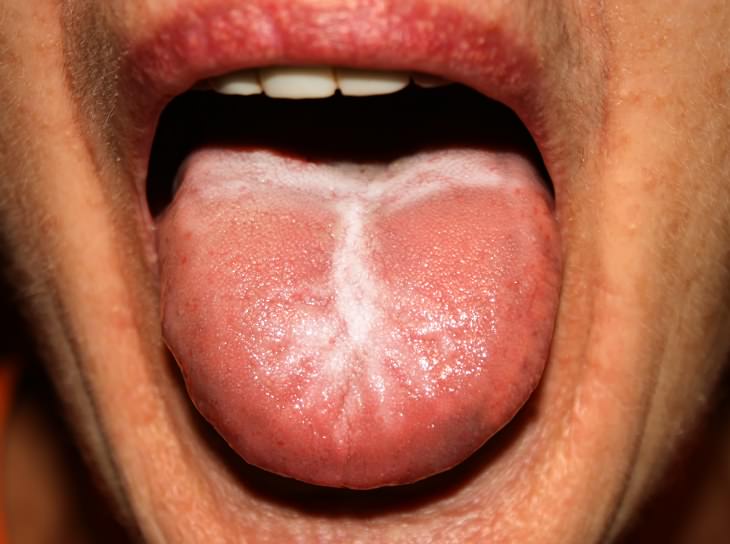
4. White coat on tongue 
 
5. Brain fog 
 
6. Hormone imbalance 
 
7. Joint pain
 
8. Loss of sex drive 
 
9. Chronic sinus and allergy issues 
 
10. Digestive problems (gas and bloating) 
 
11. Weak immune system 
 
12. UTI

If you're experiencing a number of the above symptoms in conjunction, you're likely to have candida. However, before you panic, telling your doctor that you're experiencing them might just be enough to put your mind at ease. This is because the individual symptoms can be attributed to a number of different things. In any case, candida is actually the most common type of fungal infection, and there are even natural remedies to treat it - they could start from a specific change in your diet.

The candida fungus is actually beneficial to your health when it's found in normal levels in the body - it aids digestion and nutrient absorption. The problem arises when there's overproduction of it, causing it to break down the walls of the intestinal lining and enter the blood stream, possibly leading to leaky gut syndrome. This overproduction can be triggered by changes in the body's natural pH balance, which can occur for several different reasons as outlined below. 
 
First and foremost, it is important not to confuse Candida Albicans with Candida Overgrowth Syndrome (COS). The latter is a chronic condition that is set off by the aforementioned overproduction. In that case, symptoms are markedly worse and could include the development of new sensitivities, allergies or intolerances to certain foods, such as eggs, dairy, gluten, and corn.

What are the causes of candida infections?
Candida infections can result from a range of causes, such as our choice of diet. Excessive consumption of sugar, refined carbohydrates and alcohol are possible contributors to yeast growth. Other causes include the following: 
 
1. Use of broad-spectrum antibiotics: This type of medication can kill off both good and bad bacteria in the body, especially if it's being overused. 
 
2. Use of birth control pills: Being on birth control while consuming a diet that's high in refined sugar makes you more susceptible to candida. 
 
3. Use of oral corticosteroids: If you suffer from asthma and use corticosteroid inhalers to treat it, make sure that you gargle after each time you use them to get rid of any leftover chemicals. Failing to do so increases the risk of candida. 
 
4. Use of cancer treatments: Cancer treatments such as chemotherapy and radiation can kill off good bacteria in the body that naturally fight candida. 
 
5. Diabetes: Candida is a type of yeast, and sugar feeds yeast. This means that diabetics are at higher risk of developing candida overgrowth syndrome. 
 
6. Weakened immune system: This includes anyone from infants to the elderly, as well as those who have been diagnosed with HIV/AIDS or any other inflammatory or autoimmune condition. 
 
What are the symptoms? 
People who have candida usually experience more than one symptom simultaneously, making it difficult for them to identify a definite underlying cause, as well as making it for harder for doctors to diagnose it definitively. While symptoms vary from one person to another, here is a list of the most prevalent ones:

1. Chronic fatigue 
People who suffer from Chronic Fatigue Syndrome are more susceptible to candida. They experience constant exhaustion that is impossible to overcome, regardless of how much sleep they get. It lasts for a minimum of six months, and it is often associated with joint pain, headaches, sore throats, concentration and memory problems. 
 
 2. Mood disorders 
 It's quite common for people suffering from candida to experience drastic mood swings. The infection can also cause irritability, anxiety, panic attacks, and even depression. Although these symptoms can be attributed to a variety of ailments, they are common in individuals that have candida. This is especially true if they experience them in conjunction with the other symptoms in this list.

3. Recurring vaginal and urinary tract infections  
The presence of candida can trigger infections in the vaginal and urinary tract. Visit your doctor if you happen to be experiencing them frequently - it could be candida that's triggering them. Candida can also be sexually transmitted, so ensure that your underwear or pantyhose isn't too tight. In addition, you should avoid hot baths if you're diagnosed with candida, because it can worsen the problem. 
 
4. Oral thrush 
 Oral thrush is a yeast infection that develops in the mouth, potentially affecting other mucous membranes in the body, such as the vaginal membrane. It can be brought on by the use of medications for other ailments, as aforementioned. It can also be transmitted through saliva and even when giving birth. If the problem is not treated promptly, it can spread to other organs such as the lungs, the liver, the digestive tract, and even the valves of the heart. 
 
To treat oral thrush, combine three drops of clove oil with a tablespoon coconut oil. Swish the mixture in your mouth for 20 minutes. You can also reap further benefits from doing this by adding lavender essential oil. The latter halts candida growth, thus stopping it from spreading. 
 
 5. Sinus infections 
Another symptom of candida can show up in your sinuses. Problems with your sinuses can trigger other symptoms, such as congestion, a persistent cough, seasonal allergies, postnasal drip, and general flu-like symptoms. If you frequently experience such problems, you should get checked by your doctor for a possible candida infection. 
 
 6. Intestinal distress 
If you happen to observe unusual intestinal changes in your body, such as burping, bloating, persistent flatulence, diarrhea, constipation, or stomach cramps, it's possible that the root cause is candida. These symptoms arise as a consequence of yeast disrupting intestinal function. Normally, individuals who suffer from candida feel a huge difference after it has been treated successfully.

7. Brain fog  
 Candida treatment
Although it's often omitted from lists of symptoms of candida overgrowth, brain fog, just like mood swings and chronic fatigue, can actually be one of the most pronounced effects of the infection. Brain fog is characterized by poor physical coordination, a lack of focus, poor memory and concentration difficulties. 
 
8. Skin and nail fungal infections 
Fungal infections on the skin or nails may be as a result of candida. These include athlete's foot, toenail fungus, and other common infections. If you observe these along with other common candida symptoms, especially over a prolonged period, make sure you get checked for candida by your doctor.

9. Hormonal imbalance One of the byproducts of candida can mimic estrogen, and an overproduction of this can potentially lead to hormonal imbalance. This means you might experience more migraines, mood swings, PMS, a low sex drive, water retention, endometriosis, difficulty losing weight, and in some cases, even early menopause. 
 
How can it be treated?
Candida treatment

Cure 1: The candida cleanse 

You can cleanse your body in one of two ways - either using liquids, or salads. These to provide you with enough bacteria to fight candida. 
 
Option 1: Liquids-only candida cleanse (1-2 days) Make a vegetable broth from organic onions, garlic, celery, kale, sea salt and pure water. Let it simmer and then strain, removing the vegetables. You may refrigerate and eat throughout the day. Drink plenty of water to get rid of unwanted toxins. 
 
Option 2: Raw salads and steamed vegetables (3-5 days) Eliminate grains, sugar, fruit, starch, and alcohol from your diet. Base your diet on fresh, organic steamed vegetables. Avoid starchy vegetables such as carrots, radishes, beets, sweet potatoes and white potatoes, as these may contain amounts of sugars that could feed the candida. Also, drink lots of water. 


Cure 2: The candida diet 
This remedy is designed to boost the immune system by substituting certain foods, which contribute to the growth of the infection, with healthier alternatives. 
 
Simply, eliminate sugar, alcohol and refined carbohydrates, and replace with organic vegetables, including carrots, sweet potatoes, spinach, kale, and asparagus. Eat fermented vegetables, such as Kimichi and sauerkraut. 
 
Add cultured dairy to your diet, such as goat milk kefir. This will help kill the candida infection in your system. Drink unsweetened cranberry juice. Doing so will create an acidic environment in your body, thus deterring candida growth.


Cure 3: Supplements, essential oils, and coconut oil  
This will guide you in using the right natural products to expunge or prevent candida growth in your body. 
 
Use coconut oil both as a dietary supplement or even as an ointment. This oil has antimicrobial properties that will help your body fight off candida growth. Include milk thistle in your diet to cleanse your liver of traces of any medical treatments such as steroids, birth control pills, chemotherapy and so on. Supply your body with a lot of vitamin C to bolster the adrenal glands and boost your immune system. The recommended daily intake of this vitamin is two doses of 1,000 milligrams. 
 
Use clove oil, oregano oil, and myrrh oil to help you quash the growth of fungi and other parasites, including candida. Lavender oil is also found to be useful here due to its antimicrobial properties. You can use a mixture of a few drops of clove oil or lavender oil combined with coconut oil. These essential oils are very powerful and effective, so it is recommended that they are taken internally for no more than 10 days.


This is only for your information, kindly take the advice of your doctor for medicines, exercises and so on.   

https://gscrochetdesigns.blogspot.com. one can see my crochet creations  
https://gseasyrecipes.blogspot.com. feel free to view for easy, simple and healthy recipes    
https://kneereplacement-stickclub.blogspot.com. for info on knee replacement
https://cancersupportindia.blogspot.com  for infor on cancer and health related topics
https://GSiyers home remedies.blogspot.com   is the latest addition to my blogs. I'm going to add posts there, do give me your valuable feed back on my blogs. Thanks a lot, take care, be healthy and be happy.
 

Labels: , , , , , , , , , ,

Friday, August 06, 2021

9 Symptoms of Candida and How to Treat Them

Candida is a common health issue that occurs as a result of a weakened immune system or as a consequence of using treatments for various ailments. Although it may not be very serious, this condition can give rise to a number of symptoms that you may never have associated with an underlying fungal infection. These could be as common as bad breath, fatigue, hormone imbalances, or allergy issues. Here's all you need to know about candida.  
 
First of all, what is candida?
Candida treatment
Candida Albicans is a yeast infection that develops in the mouth, intestinal tract and vagina. It can affect the skin and other mucous membranes in the body and is generally not that worrying. However, there are cases where it spreads and reaches other areas of the body, including the blood and membranes around the heart or brain, especially if immune system function is low. To avoid this, we should look out for the following symptoms: 
 
1. Exhaustion 
2. Cravings for sweets 
3. Bad breath 
4. White coat on tongue 
5. Brain fog 
6. Hormone imbalance 
7. Joint pain 
8. Loss of sex drive 
9. Chronic sinus and allergy issues 
10. Digestive problems (gas and bloating) 
11. Weak immune system 
12. UTI
 
If you're experiencing a number of the above symptoms in conjunction, you're likely to have candida. However, before you panic, telling your doctor that you're experiencing them might just be enough to put your mind at ease. This is because the individual symptoms can be attributed to a number of different things. In any case, candida is actually the most common type of fungal infection, and there are even natural remedies to treat it - they could start from a specific change in your diet.

The candida fungus is actually beneficial to your health when it's found in normal levels in the body - it aids digestion and nutrient absorption. The problem arises when there's overproduction of it, causing it to break down the walls of the intestinal lining and enter the blood stream, possibly leading to leaky gut syndrome. This overproduction can be triggered by changes in the body's natural pH balance, which can occur for several different reasons as outlined below. 
 
First and foremost, it is important not to confuse Candida Albicans with Candida Overgrowth Syndrome (COS). The latter is a chronic condition that is set off by the aforementioned overproduction. In that case, symptoms are markedly worse and could include the development of new sensitivities, allergies or intolerances to certain foods, such as eggs, dairy, gluten, and corn. Candida treatment
Candida treatment
What are the causes of candida infections? 
Candida infections can result from a range of causes, such as our choice of diet. Excessive consumption of sugar, refined carbohydrates and alcohol are possible contributors to yeast growth. Other causes include the following: 
 
1. Use of broad-spectrum antibiotics: This type of medication can kill off both good and bad bacteria in the body, especially if it's being overused. 
 
2. Use of birth control pills: Being on birth control while consuming a diet that's high in refined sugar makes you more susceptible to candida. 
 
3. Use of oral corticosteroids: If you suffer from asthma and use corticosteroid inhalers to treat it, make sure that you gargle after each time you use them to get rid of any leftover chemicals. Failing to do so increases the risk of candida. 
 
4. Use of cancer treatments: Cancer treatments such as chemotherapy and radiation can kill off good bacteria in the body that naturally fight candida. 
 
5. Diabetes: Candida is a type of yeast, and sugar feeds yeast. This means that diabetics are at higher risk of developing candida overgrowth syndrome. 
 
6. Weakened immune system: This includes anyone from infants to the elderly, as well as those who have been diagnosed with HIV/AIDS or any other inflammatory or autoimmune condition. 
 
What are the symptoms?  
People who have candida usually experience more than one symptom simultaneously, making it difficult for them to identify a definite underlying cause, as well as making it for harder for doctors to diagnose it definitively. While symptoms vary from one person to another, here is a list of the most prevalent ones: 
 
1. Chronic fatigue 
People who suffer from Chronic Fatigue Syndrome are more susceptible to candida. They experience constant exhaustion that is impossible to overcome, regardless of how much sleep they get. It lasts for a minimum of six months, and it is often associated with joint pain, headaches, sore throats, concentration and memory problems. 
 
2. Mood disorders  
It's quite common for people suffering from candida to experience drastic mood swings. The infection can also cause irritability, anxiety, panic attacks, and even depression. Although these symptoms can be attributed to a variety of ailments, they are common in individuals that have candida. This is especially true if they experience them in conjunction with the other symptoms in this list. 
 
3. Recurring vaginal and urinary tract infections 
The presence of candida can trigger infections in the vaginal and urinary tract. Visit your doctor if you happen to be experiencing them frequently - it could be candida that's triggering them. Candida can also be sexually transmitted, so ensure that your underwear or pantyhose isn't too tight. In addition, you should avoid hot baths if you're diagnosed with candida, because it can worsen the problem. 
 
4. Oral thrush 
Oral thrush is a yeast infection that develops in the mouth, potentially affecting other mucous membranes in the body, such as the vaginal membrane. It can be brought on by the use of medications for other ailments, as aforementioned. It can also be transmitted through saliva and even when giving birth. If the problem is not treated promptly, it can spread to other organs such as the lungs, the liver, the digestive tract, and even the valves of the heart. 
 
To treat oral thrush, combine three drops of clove oil with a tablespoon coconut oil. Swish the mixture in your mouth for 20 minutes. You can also reap further benefits from doing this by adding lavender essential oil. The latter halts candida growth, thus stopping it from spreading. 
 
5. Sinus infections 
Another symptom of candida can show up in your sinuses. Problems with your sinuses can trigger other symptoms, such as congestion, a persistent cough, seasonal allergies, postnasal drip, and general flu-like symptoms. If you frequently experience such problems, you should get checked by your doctor for a possible candida infection. 
 
6. Intestinal distress 
If you happen to observe unusual intestinal changes in your body, such as burping, bloating, persistent flatulence, diarrhea, constipation, or stomach cramps, it's possible that the root cause is candida. These symptoms arise as a consequence of yeast disrupting intestinal function. Normally, individuals who suffer from candida feel a huge difference after it has been treated successfully.
 
7. Brain fog  Candida treatment
Although it's often omitted from lists of symptoms of candida overgrowth, brain fog, just like mood swings and chronic fatigue, can actually be one of the most pronounced effects of the infection. Brain fog is characterized by poor physical coordination, a lack of focus, poor memory and concentration difficulties. 
 
8. Skin and nail fungal infections  
Fungal infections on the skin or nails may be as a result of candida. These include athlete's foot, toenail fungus, and other common infections. If you observe these along with other common candida symptoms, especially over a prolonged period, make sure you get checked for candida by your doctor. 
 
9. Hormonal imbalance 
One of the byproducts of candida can mimic estrogen, and an overproduction of this can potentially lead to hormonal imbalance. This means you might experience more migraines, mood swings, PMS, a low sex drive, water retention, endometriosis, difficulty losing weight, and in some cases, even early menopause. 
 
How can it be treated?  Candida treatment

Cure 1: The candida cleanse 
You can cleanse your body in one of two ways - either using liquids, or salads. These to provide you with enough bacteria to fight candida. 
 
Option 1: Liquids-only candida cleanse (1-2 days) 
 Make a vegetable broth from organic onions, garlic, celery, kale, sea salt and pure water. Let it simmer and then strain, removing the vegetables. You may refrigerate and eat throughout the day. Drink plenty of water to get rid of unwanted toxins. 
 
Option 2: Raw salads and steamed vegetables (3-5 days)  
Eliminate grains, sugar, fruit, starch, and alcohol from your diet. Base your diet on fresh, organic steamed vegetables. Avoid starchy vegetables such as carrots, radishes, beets, sweet potatoes and white potatoes, as these may contain amounts of sugars that could feed the candida. Also, drink lots of water.

Cure 2: The candida diet  
This remedy is designed to boost the immune system by substituting certain foods, which contribute to the growth of the infection, with healthier alternatives. Simply, eliminate sugar, alcohol and refined carbohydrates, and replace with organic vegetables, including carrots, sweet potatoes, spinach, kale, and asparagus. Eat fermented vegetables, such as Kimichi and sauerkraut. Add cultured dairy to your diet, such as goat milk kefir. This will help kill the candida infection in your system. Drink unsweetened cranberry juice. Doing so will create an acidic environment in your body, thus deterring candida growth. 
 
Cure 3: Supplements, essential oils, and coconut oil 
This will guide you in using the right natural products to expunge or prevent candida growth in your body. 
 
Use coconut oil both as a dietary supplement or even as an ointment. This oil has antimicrobial properties that will help your body fight off candida growth. Include milk thistle in your diet to cleanse your liver of traces of any medical treatments such as steroids, birth control pills, chemotherapy and so on. Supply your body with a lot of vitamin C to bolster the adrenal glands and boost your immune system. The recommended daily intake of this vitamin is two doses of 1,000 milligrams. 
 
Use clove oil, oregano oil, and myrrh oil to help you quash the growth of fungi and other parasites, including candida. Lavender oil is also found to be useful here due to its antimicrobial properties. You can use a mixture of a few drops of clove oil or lavender oil combined with coconut oil. These essential oils are very powerful and effective, so it is recommended that they are taken internally for no more than 10 days.

This is only for your information, kindly take the advice of your doctor for medicines, exercises and so on.   

https://gscrochetdesigns.blogspot.com. one can see my crochet creations  
https://gseasyrecipes.blogspot.com. feel free to view for easy, simple and healthy recipes    
https://kneereplacement-stickclub.blogspot.com. for info on knee replacement


Labels: , , , , , , , , , ,

Thursday, September 19, 2019

Kill Sinus Infections in Under 2 Minutes With Hydrogen Peroxide and Sea Salt Mixture

A sinus infection is basically an inflammation of the lining  of the sinuses that can cause severe headache, fever and facial pains.  Lucky though, there is a cheap alternative available  that can ease severe sinus infection and help relieve the pain and the  headache – Hydrogen Peroxide.

How to use hydrogen peroxide for a sinus infection:
A mixture of hydrogen peroxide and sea salt will help you to effectively treat a sinus infection.  

Hydrogen peroxide assist in thinning  the mucus and help clear the sinuses and air canals.

The mixture of these two ingredients has similar medicinal properties as a traditional saline rinse  but without its side-effects.

Sea salt helps restore the osmotic balance in the mucous membranes and hydrogen peroxide is a natural disinfecting agent that helps  remove infection.

How to prepare and use a hydrogen peroxide and sea-salt mixture:

In a glass jar mix 6 ounces of lukewarm water with half a tablespoon of hydrogen  peroxide,  next, add 1 tablespoon of the sea salt.
Mix thoroughly  until the sea  salt has disappeared completely. Transfer the mixture  into a nasal spray or neti pot.
Bend over a sink in the bathroom  and spray the mixture into your nasal passage allowing  it to drain through your mouth.
Repeat this procedure for three days straight or until  you feel completely relieved.

this is only for your information, kindly take the advice of your doctor for medicines, exercises and so on.   
https://gscrochetdesigns.blogspot.com. one can see my crochet creations 
https://gseasyrecipes.blogspot.com. feel free to view for easy, simple and healthy recipes    
https://kneereplacement-stickclub.blogspot.com. for info on knee replacement


Labels: , , , , , , , , , , , ,

Tuesday, May 07, 2019

12 Natural Remedies to Treat That Toothache!

There is nothing quite as painful and frustrating as a toothache.  The good news is that you can treat the toothache with a dozen natural home remedies to help alleviate the pain. There's also a very good chance that you have most of the items on the list inside your fridge or kitchen cabinet drawers.  
A toothache is the result of an irritated or inflamed pulp, which is situated within the central region of the tooth. The sensitive nerve endings inside the pulp can get triggered by foods or beverages that are either too cold or too hot. It's important to first get a better understanding of the most common causes and symptoms before you begin the home remedies.
NOTE: None of these are a replacement for an actual dentist. These remedies will help you pass the time until your dentist appointment or alleviate some of the pain after, but do not skip the dentist visits. Teeth problems are serious health problems and should be treated as such.

Causes of Tooth Pain: 
  • Abscessed tooth
  • Infected gums (gingivitis)
  • Tooth decay
  • Damaged fillings
  • Dental injuries, such as a chipped or fractured tooth
  • Sinus infection
  • Wisdom teeth
  • Temporomandibular Joint Syndrome (TMJ)                                                  
    Symptoms of Tooth Pain:
  • Swelling around the tooth
  • Fever
  • Headache
  • Foul-tasting drainage from the infected tooth
  • Sharp pain when pressure is applied to tooth
  • Sensitivity to hot or cold foods
12 Natural Home Remedies for a Toothache:
1. Cloves - When it comes to natural home remedies for tooth infections, there is nothing that ranks higher than cloves! Cloves contain extremely powerful antibacterial, anti-inflammatory, and anesthetic properties that help alleviate tooth pain. The anesthetic properties also help to fight off the infection. 
The Remedy:
  • Take a pair of cloves and grind them with a little mix of olive oil or vegetable oil.
  • Dab clove oil solution onto a cotton ball, and rub directly on the affected tooth. 
  • You can also mix a few drops of clove oil in half a glass of water, and use it as a mouthwash after the dabbing process.
2. Warm Salt Water - All it takes is a glass of warm water mixed with a bit of salt, and you can reduce the pain of a toothache. This homemade mouthwash solution will assist in fighting bacteria that causes tooth decay and infection.
The Remedy:
  • Mix half a spoon of common salt in a glass of very warm water. 
  • Gargle thoroughly with the warm salt water solution.
  • Repeat a few times, or until you feel better. 
3. Ice Cube - Head over to the freezer and pull out a couple of ice cubes. The ice cube helps numb the infected nerves that cause the horrible pain. Dentists use ice to test for sensitivity on teeth as well.

The Remedy:
  • Place an ice cube inside a Ziploc bag and wrap it in a thin cotton cloth. 
  • Hold the bag over your cheek near the aching tooth for a couple of minutes. 
  • The ice will then indicate the exposed nerves. Take a bit of caution when applying the ice. 
4. Salt and Pepper - The next remedy can be found on your kitchen table. Salt and pepper provide wonderful relief when combined together. The natural antibiotics inside the mouthwash can help ease the uncomfortable pain within the pulp region. 
The Remedy:
  • Mix equal amounts of regular table salt and pepper with a few drops of water. This will form a natural kind of paste.
  • Apply the paste directly on the tooth, and allow the paste to take effect for a couple of minutes.  
  • Repeat the process for a few days, or until tooth feels better.
5. Garlic - It's no secret that garlic is the "cure-all" when it comes to home remedies. Garlic is not only ideal for treating a common cold, but also for treating toothaches. Garlic contains a bunch of antibiotic properties that can help get rid of tooth pain.
The Remedy:
  • Mix a clove of crushed garlic or use some garlic powder together with a sprinkle of table salt, and apply to the painful tooth.
  • You can even chew on a few cloves of garlic for some quick relief.
  • Continue the garlic remedy for several days, or until pain stops.                          6. Asafetida - The powdered gum resin inside the Asafetida can help reduce pain during a toothache, and for bleeding gums. The odor of the Asafetida might not be too pleasant, but the natural pain remedy is worth the bad smell! 

    The Remedy:
  • Add a pinch of powdered Asafetida with lemon juice. 
  • Warm up the solution, and use a cotton pad to apply the mixture on the affected area. 
  • Asafetida can also be fried in clarified butter, and placed inside the tooth cavity for instant relief. 
7. Baking Soda - Baking soda helps whiten your teeth and acts as a natural painkiller for toothaches, when mixed together with a bit of water. Baking soda promotes quicker healing of painful or swollen gum tissue, which is the reason why many toothpastes feature the sodium bicarbonate on the labels. 
The Remedy:
  • Take a cotton swab and moisten it with a bit of water. 
  • Dip the wet cotton swab in baking soda. Coat the swab really well so that it absorbs the baking soda before applying to the infected tooth. 
  • A mouth rinse can be made by mixing a large spoonful of baking soda into a small glass of warm water. Let the baking soda dissolve before swishing the rinse in your mouth.
8. Guava Leaves - Guava leaves are used to heal mouth sores and aching teeth. The juice of the guava leaves contains many antibacterial properties that thwart off tooth decay or gingivitis. You should feel the effects of the guava leaves shortly after applying to the sensitive areas. 
The Remedy:
  • Chew on a couple of guava leaves until the juice begins to work on the affected tooth.
  • Place 4 to 5 guava leaves in water and let it boil. 
  • Allow the solution to cool off a bit before adding a pinch of salt, and rinse your mouth thoroughly with it. 
9. Vanilla Extract - Vanilla extract contains Eugenol, which has antiseptic and analgesic properties that are used to fight off tooth decay. The Eugenol helps get rid of that unwanted toothache, and provides a quick pain relief solution. 
The Remedy:
  • Saturate a cotton swab or cotton ball with 3-4 drops of vanilla extract, and place on the affected tooth. 
  • Use your finger to rub the vanilla extract on the affected area. Make sure you wash your hands thoroughly beforehand. 
  • Repeat process until pain goes away. 
10. Onion - Onions offer great pain relief to people suffering from tooth abscesses or sensitive gums. Onions are highly regarded by dentists for their natural and powerful antimicrobial properties. Onions have even been compared to taking 8 Advil capsules, or an entire bottle of Orajel! 
The Remedy:
  • Slice a piece of fresh onion and hold it inside your mouth.
  • Gently bite the onion until the juices come out for a few minutes to alleviate pain. 
  • You may also put a piece of onion on the painful tooth so that it absorbs the antiseptic and antimicrobial properties.
  • Continue the process until pain reduces.
     
11. Bayberry - The root bark of the bayberry is used to help strengthen gums. The berries are ideal for treating aching wisdom teeth as well. The natural antibiotics of the bayberry should go to work very quickly on your aching tooth.                     
The Remedy:
  • Mix the bayberry bark together with vinegar to form a natural paste.
  • Apply the paste on the affected tooth as a pain relief.
  • Use the paste when needed, or several times per day. 

12. Lime or Lime Juice  - The citric acid of the lime juice helps kill the germs that cause tooth infections. Lime juice also contains vitamin C, which keeps your teeth protected against decay. Mixing lime juice and baking soda can also help whiten teeth.
The Remedy:
Lime Juice
  • Combine the lime juice together with Asafetida to form a paste.
  • Apply the lime paste on the infected tooth. 
  • Keep your mouth slightly open to allow the paste to dry on the tooth.
  • Apply the paste 2-3 times a day to reduce the pain. 
Limes
  • Cut a lime wedge or slice, and bite directly into it. Try to extract some of the juice. 
  • Allow the lime to sit outside for a bit if you’re feeling any sensitivity to cold.
  • Repeat the process as needed, or until the pain goes away.  
     
    THIS IS ONLY FOR INFORMATION, ALWAYS CONSULT YOU PHYSICIAN BEFORE HAVING ANY PARTICULAR FOOD/ MEDICATION/EXERCISE/OTHER REMEDIES.                                    PS- THOSE INTERESTED IN RECIPES ARE FREE TO  VIEW MY BLOG-                                                                                           https://gseasyrecipes.blogspot.com/    
                                                                                                                                                         FOR INFO ABOUT KNEE REPLACEMENT, YOU CAN VIEW MY BLOG-                                                  https:// kneereplacement-stickclub.blogspot.com/  
             
                       FOR CROCHET DESIGNS                                                                                                                                                                                                  https://gscrochetdesigns.blogspot.com

Labels: , , , , , , , , , , , , , , ,