Friday, March 22, 2024

Candida Infections

 Candida is a common health issue that occurs as a result of a weakened immune system or as a consequence of using treatments for various ailments. Although it may not be very serious, this condition can give rise to a number of symptoms that you may never have associated with an underlying fungal infection. These could be as common as bad breath, fatigue, hormone imbalances, or allergy issues. Here's all you need to know about candida. 


First of all, what is candida?

Candida treatment
Candida Albicans is a yeast infection that develops in the mouth, intestinal tract and vagina. It can affect the skin and other mucous membranes in the body and is generally not that worrying. However, there are cases where it spreads and reaches other areas of the body, including the blood and membranes around the heart or brain, especially if immune system function is low. To avoid this, we should look out for the following symptoms: 
 
1. Exhaustion 
 
2. Cravings for sweets 
 
3. Bad breath 
 
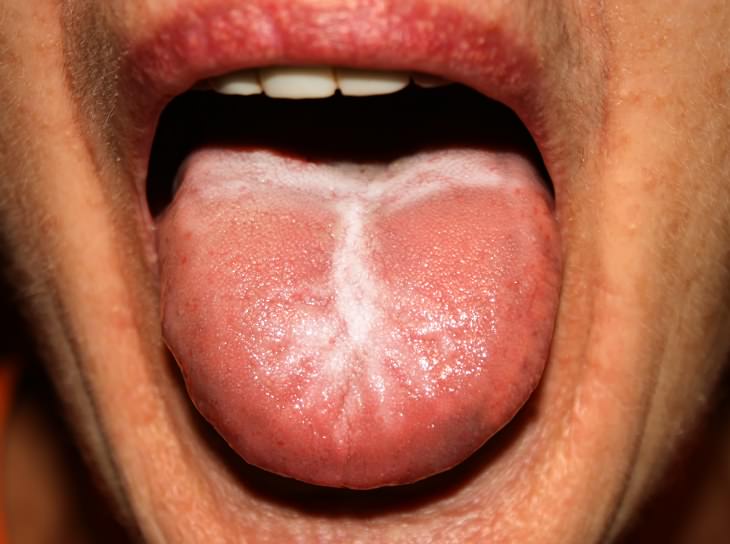
4. White coat on tongue 
 
5. Brain fog 
 
6. Hormone imbalance 
 
7. Joint pain
 
8. Loss of sex drive 
 
9. Chronic sinus and allergy issues 
 
10. Digestive problems (gas and bloating) 
 
11. Weak immune system 
 
12. UTI

If you're experiencing a number of the above symptoms in conjunction, you're likely to have candida. However, before you panic, telling your doctor that you're experiencing them might just be enough to put your mind at ease. This is because the individual symptoms can be attributed to a number of different things. In any case, candida is actually the most common type of fungal infection, and there are even natural remedies to treat it - they could start from a specific change in your diet.

The candida fungus is actually beneficial to your health when it's found in normal levels in the body - it aids digestion and nutrient absorption. The problem arises when there's overproduction of it, causing it to break down the walls of the intestinal lining and enter the blood stream, possibly leading to leaky gut syndrome. This overproduction can be triggered by changes in the body's natural pH balance, which can occur for several different reasons as outlined below. 
 
First and foremost, it is important not to confuse Candida Albicans with Candida Overgrowth Syndrome (COS). The latter is a chronic condition that is set off by the aforementioned overproduction. In that case, symptoms are markedly worse and could include the development of new sensitivities, allergies or intolerances to certain foods, such as eggs, dairy, gluten, and corn.

What are the causes of candida infections?
Candida infections can result from a range of causes, such as our choice of diet. Excessive consumption of sugar, refined carbohydrates and alcohol are possible contributors to yeast growth. Other causes include the following: 
 
1. Use of broad-spectrum antibiotics: This type of medication can kill off both good and bad bacteria in the body, especially if it's being overused. 
 
2. Use of birth control pills: Being on birth control while consuming a diet that's high in refined sugar makes you more susceptible to candida. 
 
3. Use of oral corticosteroids: If you suffer from asthma and use corticosteroid inhalers to treat it, make sure that you gargle after each time you use them to get rid of any leftover chemicals. Failing to do so increases the risk of candida. 
 
4. Use of cancer treatments: Cancer treatments such as chemotherapy and radiation can kill off good bacteria in the body that naturally fight candida. 
 
5. Diabetes: Candida is a type of yeast, and sugar feeds yeast. This means that diabetics are at higher risk of developing candida overgrowth syndrome. 
 
6. Weakened immune system: This includes anyone from infants to the elderly, as well as those who have been diagnosed with HIV/AIDS or any other inflammatory or autoimmune condition. 
 
What are the symptoms? 
People who have candida usually experience more than one symptom simultaneously, making it difficult for them to identify a definite underlying cause, as well as making it for harder for doctors to diagnose it definitively. While symptoms vary from one person to another, here is a list of the most prevalent ones:

1. Chronic fatigue 
People who suffer from Chronic Fatigue Syndrome are more susceptible to candida. They experience constant exhaustion that is impossible to overcome, regardless of how much sleep they get. It lasts for a minimum of six months, and it is often associated with joint pain, headaches, sore throats, concentration and memory problems. 
 
 2. Mood disorders 
 It's quite common for people suffering from candida to experience drastic mood swings. The infection can also cause irritability, anxiety, panic attacks, and even depression. Although these symptoms can be attributed to a variety of ailments, they are common in individuals that have candida. This is especially true if they experience them in conjunction with the other symptoms in this list.

3. Recurring vaginal and urinary tract infections  
The presence of candida can trigger infections in the vaginal and urinary tract. Visit your doctor if you happen to be experiencing them frequently - it could be candida that's triggering them. Candida can also be sexually transmitted, so ensure that your underwear or pantyhose isn't too tight. In addition, you should avoid hot baths if you're diagnosed with candida, because it can worsen the problem. 
 
4. Oral thrush 
 Oral thrush is a yeast infection that develops in the mouth, potentially affecting other mucous membranes in the body, such as the vaginal membrane. It can be brought on by the use of medications for other ailments, as aforementioned. It can also be transmitted through saliva and even when giving birth. If the problem is not treated promptly, it can spread to other organs such as the lungs, the liver, the digestive tract, and even the valves of the heart. 
 
To treat oral thrush, combine three drops of clove oil with a tablespoon coconut oil. Swish the mixture in your mouth for 20 minutes. You can also reap further benefits from doing this by adding lavender essential oil. The latter halts candida growth, thus stopping it from spreading. 
 
 5. Sinus infections 
Another symptom of candida can show up in your sinuses. Problems with your sinuses can trigger other symptoms, such as congestion, a persistent cough, seasonal allergies, postnasal drip, and general flu-like symptoms. If you frequently experience such problems, you should get checked by your doctor for a possible candida infection. 
 
 6. Intestinal distress 
If you happen to observe unusual intestinal changes in your body, such as burping, bloating, persistent flatulence, diarrhea, constipation, or stomach cramps, it's possible that the root cause is candida. These symptoms arise as a consequence of yeast disrupting intestinal function. Normally, individuals who suffer from candida feel a huge difference after it has been treated successfully.

7. Brain fog  
 Candida treatment
Although it's often omitted from lists of symptoms of candida overgrowth, brain fog, just like mood swings and chronic fatigue, can actually be one of the most pronounced effects of the infection. Brain fog is characterized by poor physical coordination, a lack of focus, poor memory and concentration difficulties. 
 
8. Skin and nail fungal infections 
Fungal infections on the skin or nails may be as a result of candida. These include athlete's foot, toenail fungus, and other common infections. If you observe these along with other common candida symptoms, especially over a prolonged period, make sure you get checked for candida by your doctor.

9. Hormonal imbalance One of the byproducts of candida can mimic estrogen, and an overproduction of this can potentially lead to hormonal imbalance. This means you might experience more migraines, mood swings, PMS, a low sex drive, water retention, endometriosis, difficulty losing weight, and in some cases, even early menopause. 
 
How can it be treated?

Candida treatment

Cure 1: The candida cleanse 

You can cleanse your body in one of two ways - either using liquids, or salads. These to provide you with enough bacteria to fight candida. 
 
Option 1: Liquids-only candida cleanse (1-2 days) Make a vegetable broth from organic onions, garlic, celery, kale, sea salt and pure water. Let it simmer and then strain, removing the vegetables. You may refrigerate and eat throughout the day. Drink plenty of water to get rid of unwanted toxins. 
 
Option 2: Raw salads and steamed vegetables (3-5 days) Eliminate grains, sugar, fruit, starch, and alcohol from your diet. Base your diet on fresh, organic steamed vegetables. Avoid starchy vegetables such as carrots, radishes, beets, sweet potatoes and white potatoes, as these may contain amounts of sugars that could feed the candida. Also, drink lots of water. 


Cure 2: The candida diet 
This remedy is designed to boost the immune system by substituting certain foods, which contribute to the growth of the infection, with healthier alternatives. 
 
Simply, eliminate sugar, alcohol and refined carbohydrates, and replace with organic vegetables, including carrots, sweet potatoes, spinach, kale, and asparagus. Eat fermented vegetables, such as Kimichi and sauerkraut. 
 
Add cultured dairy to your diet, such as goat milk kefir. This will help kill the candida infection in your system. Drink unsweetened cranberry juice. Doing so will create an acidic environment in your body, thus deterring candida growth.


Cure 3: Supplements, essential oils, and coconut oil  
This will guide you in using the right natural products to expunge or prevent candida growth in your body. 
 
Use coconut oil both as a dietary supplement or even as an ointment. This oil has antimicrobial properties that will help your body fight off candida growth. Include milk thistle in your diet to cleanse your liver of traces of any medical treatments such as steroids, birth control pills, chemotherapy and so on. Supply your body with a lot of vitamin C to bolster the adrenal glands and boost your immune system. The recommended daily intake of this vitamin is two doses of 1,000 milligrams. 
 
Use clove oil, oregano oil, and myrrh oil to help you quash the growth of fungi and other parasites, including candida. Lavender oil is also found to be useful here due to its antimicrobial properties. You can use a mixture of a few drops of clove oil or lavender oil combined with coconut oil. These essential oils are very powerful and effective, so it is recommended that they are taken internally for no more than 10 days.


This is only for your information, kindly take the advice of your doctor for medicines, exercises and so on.   

https://gscrochetdesigns.blogspot.com. one can see my crochet creations  
https://gseasyrecipes.blogspot.com. feel free to view for easy, simple and healthy recipes    
https://kneereplacement-stickclub.blogspot.com. for info on knee replacement
https://cancersupportindia.blogspot.com  for infor on cancer and health related topics
https://GSiyers home remedies.blogspot.com   is the latest addition to my blogs. I'm going to add posts there, do give me your valuable feed back on my blogs. Thanks a lot, take care, be healthy and be happy.
 

Labels: , , , , , , , , , ,

Thursday, October 10, 2019

Scientifically Proven Coconut Oil Uses and Benefits

Coconut oil is a natural oil that can benefit your health. There are many ways you can use coconut oil to improve your skin’s appearance, treat scalp conditions, lose weight, boost your intestinal health, and get rid of fungal infections. It is easy to apply coconut oil directly to your skin, add it to smoothies, or cook with it.


In this article, you will learn why coconut oil is good for you and how you can use coconut oil to treat skin ailments, moisturize your skin, and boost your metabolism

What is Coconut Oil?

Coconut oil is rich in fatty acids which have numerous health benefits. Coconut oil contains medium chain saturated fatty acids, or medium chain triglycerides (MCTs). Almost half of the fat content in coconut oil is lauric acid. In fact, coconut oil is the highest source of lauric acid that occurs naturally.
A 2016 review of the benefits of coconut oil reported that coconut oil has nutritional and functional properties. Research has found that coconut oil has many potential uses to protect against various diseases.
Of course, the consumption of saturated fat is generally not recommended. However, research has found that the body metabolizes MCTs differently from long-chain fatty acids. In fact, medium chain triglycerides have a protective effect on cardio health.

Virgin coconut oil vs. refined coconut oil

When using coconut oil for its health benefits, it is best to use organic unrefined virgin coconut oil. Virgin coconut oil is less processed than refined coconut oil and therefore contains more nutrients and antimicrobial properties.
If you are planning to fry with coconut oil, then refined coconut oil may be better for you. The smoke point of unrefined coconut oil is 350 °F (177 °C) whereas refined coconut oil smokes at 450 °F (232 °C).

The Benefits of Using Coconut Oil

Let’s look at how coconut oil can benefit your skin, hair, regulate blood glucose levels, and treat various types of infections.
Here are the best uses of coconut oil that are supported by scientific evidence:

1. Coconut Oil is Great for Cooking With

Coconut oil contains saturated fat and because of that, you can cook safely with it at high temperatures.
Researchers say that fats and oils with a smoke point below 392 °F (200 °C) release volatile aldehydes which can be toxic.  Research also shows that polyunsaturated oils are more harmful to cook with than oils rich in saturated fatty acids.
For deep frying, use refined coconut oil as this has a higher smoke point. You can also use it for baking – In fact, it can be used in almost all recipes instead of butter, oils, and other fats.

2. Coconut Oil Boosts Your Metabolism

The fatty acids in coconut oil cause sustained energy release and enhance energy expenditure.
One study found that medium chain fatty acids increased metabolism and helped to speed up fat loss.
The results of another study showed that consuming 10 grams of MCTs 3 times a day along with meals helped to increase calorie expenditure.

3. Coconut Oil Can Assist with Weight Loss, Suppress Appetite and Reduce Hunger

It may surprise to you learn that including healthy fats in your diet like coconut oil can actually help you lose weight because consuming MCTs increases satiety.
One clinical trial found that consuming 20 g of medium chain triglycerides with breakfast helped to suppress appetite. The MCTs affected appetite-regulating hormones and increased feelings of fullness in overweight men. This has the effect of reducing the amount of food consumed and assisted in losing weight.
Another study found that men who consumed more coconut oil ate less food during the day and lost weight.

4. Coconut Oil May Protect Your Skin from Sun Damage

Unrefined coconut oil contains compounds that offer some protection from the sun’s harmful UV rays.
Studies into the use of coconut oil as a partial sunblock have found that it has an SPF value of 8. In fact, coconut oil offers better UV protection than many other oils like almond oil, sesame oil, and castor oil.
You should remember that coconut oil doesn’t protect your skin from all of the harmful effects of UV rays like regular sunblock does.

5. Coconut Oil is a Natural Skin Moisturizer

The rich fatty acid content in virgin coconut oil means that you can apply coconut oil directly to your skin to hydrate it.
One randomized double-blind controlled trial found that using coconut oil as a skin moisturizer was just as good as mineral oil. Coconut oil was an effective natural solution for treating dry skin conditions.
Using coconut oil to moisturize your face or treat cracked heels also gives your skin a pleasant coconut scent. you can also combine coconut oil with other natural ingredients for the skin, such as this  DIY healing coconut oil and aloe vera gel lotion. 

6. Coconut Oil Removes Makeup Naturally

Put a small amount of organic unrefined coconut oil on a cotton pad to gently remove eye makeup before going to bed.
Coconut oil is gentle enough to be used around your eyes. For example, the International Journal of Dermatology reports that virgin coconut oil can be used on infants to treat dry skin conditions.

7. Coconut Oil Helps Treat Eczema and Psoriasis

Coconut oil is highly moisturizing and contains antimicrobial properties that make it great for treating inflammatory skin conditions.
Scientists have found that the emollient effects of virgin coconut oil help to moisturize dry skin that is associated with dermatitis. Also, applying coconut oil to cracked irritated skin helps to prevent secondary fungal or bacterial skin infections in people with eczema.
Other studies have shown that coconut oil can help skin conditions such as eczema and psoriasis  because it contains anti-inflammatory properties that also help reduce pain.

8. Coconut Oil Reduces the Appearance of Fine Lines and Wrinkles

The protective effect of coconut oil on your skin can help to reduce the visible signs of aging.
Researchers have found that fine lines and wrinkles can appear due to the effect of UVB radiation. Antioxidants in coconut oil can help to reduce the effects of oxidative stress on the skin. The anti-inflammatory effect of coconut oil also protects the skin from damage and has an anti-aging effect.
All you need to do is apply a little coconut oil to the skin around your eyes, the rest of the face and the back of your hands before going to bed to help prevent fine lines appearing.

9. Coconut Oil Helps to Treat Stretch Marks

The rich fatty acid content of coconut oil can also repair abdominal skin that has been damaged as the result of pregnancy or rapid weight loss.
Research published in 2016 found that massaging coconut oil on your belly can help to improve your skin’s condition and reduce stretch marks due to its anti-inflammatory properties.

10. Coconut Oil Accelerates Wound Healing

Regularly applying a little coconut oil to skin burns, grazes, or cuts can help wounds heal quicker  and prevent secondary skin infections from developing.
One study on rats found that topically applying virgin coconut oil helped wounds heal faster. The antioxidant properties of coconut oil repaired skin damage and increased collagen production.
Coconut oil also has healing properties that help treat skin tissue damage caused by heat, chemicals, or sunburn. One study found that coconut oil can be used as a burn wound healing remedy .

11. Coconut Oil Can Help Treat Acne

Even though coconut oil is rich in fatty acids, its antibacterial and anti-inflammatory properties mean that it is a good moisturizer for acne.
Coconut oil is rich in lauric acid and scientific research has found that lauric acid has an antibacterial effect on the bacteria Propionibacterium acnes. This is a strain of bacteria responsible for some forms of acne. Lauric acid has the potential for treating acne vulgaris.
A dermatology journal reported that coconut oil can be used as a good moisturizer for acne outbreaks.
When using coconut oil to help treat acne, remember that you only need a tiny amount of coconut oil to be an effective acne moisturizer and prevent clogging pores.

12. Coconut Oil as a Carrier Oil for Massage

Since essential oils are very concentrated, you need to add essential oils to a carrier oil to create a soothing, healing massage oil. Although you can use oils like sweet almond oil, olive oil, or grapeseed oil, research shows that coconut oil has many benefits.
Scientists have found that coconut oil readily penetrates the skin’s upper layer. Coconut oil alleviates itching, promotes healthy skin, protects the skin from various infections, and soothes inflammation.

13. Coconut Oil Can Improve Your Dental Health
The antibacterial properties of coconut oil can help to rid your mouth of plaque-forming bacteria and reduce your risk of gum disease.
A study from 2016 found that coconut oil was just as effective as chlorhexidine (a skin antiseptic) in killing off strains of Streptococcus mutans. This is the type of bacteria that cause tooth decay and gum disease.
Research has found that oil pulling with coconut oil can help to reduce incidences of plaque-related gingivitis. The use of coconut oil in oil pulling also helps to improve dental health because lauric acid helps treat mouth sores.

14. Coconut Oil Helps Balance Your Hormones

The MCT fat content of coconut oil can help nourish your body and balance hormone levels. Studies have shown that saturated fats like coconut oil prevent some of the effects of hormonal imbalances and estrogen deficiencies.

15. Coconut Oil Regulates Blood Glucose Levels

Consuming coconut oil with your food results in slow-releasing energy that won’t spike your blood glucose levels.
Researchers have found that medium chain fatty acids like lauric acid help to improve glucose tolerance levels and reduce insulin resistance.

16. Coconut Oil Boosts Brain Function and Reduces Stress

Using more coconut oil in your diet can also help to reduce the effects of stress and inflammation in your brain.
Studies have found that virgin coconut oil helps protect cognitive function by increasing the levels brain antioxidants. Researchers reported that virgin coconut oil has anti-stress and antidepressant potential.
Other studies have pointed to the fact that MCTs have benefits to brain health in helping to prevent neurological disorders like epilepsy and Alzheimer’s disease. The organic compounds called ketones in coconut oil nourish the brain.

17. Coconut Oil Has Antiviral Properties and Can Treat Cold Sores

Dabbing a little coconut oil on your lips at the first sign of a cold sore could prevent it from getting worse.
Research has found that lauric acid contains antiviral compounds, as well as helping to reduce skin inflammation and pain.
The moisturizing content of coconut oil also helps to moisturise chapped lips 

18. Coconut Oil is Antifungal and Can Treat Candida Overgrowth

Lauric acid in coconut oil helps combat fungal infections and can help to treat candidiasis.
Researchers have found that coconut oil’s antimicrobial properties can treat candida infections naturally. In fact, the study found that coconut oil was as effective as the antifungal treatment fluconazole.

19. Coconut Oil is Antibacterial and Can Help Fight Infections

The rich fatty acid content in pure coconut oil is effective in treating some bacterial infections.
One study found that coconut oil has an antibacterial effect against Clostridium difficile infections that can affect the gastrointestinal tract.

20. Coconut Oil is Anti-Inflammatory and Can Reduce Inflammation

Using more coconut oil in your diet can also help to reduce the effects of inflammation.
Clinical trials have found that a diet rich in coconut oil can reduce inflammatory markers in the body.  Other lab trials on rats have found that coconut oil has analgesic properties that can help to relieve pain.

21. Coconut Oil May Help Relieve Arthritis Symptoms

The anti-inflammatory and analgesic effect of consuming coconut oil can also help to manage painful symptoms of arthritis.
Coconut oil contains antioxidants called polyphenols. One study on rats found that polyphenolic fractions have an anti-arthritic effect. Coconut oil extracts helped to increase antioxidant enzymes and treat the effects of arthritis.

22. Coconut Oil Is Good for Your Scalp

Applying pure coconut oil can help to moisturize your scalp and keep it free from dandruff.

23. Coconut Oil May Promote Hair Growth

Using coconut oil as a leave-in conditioner can help to strengthen your hair and may even prevent hair loss.
Research has found that compounds in coconut oil penetrate hair shafts and provide nourishment. Lauric acid from coconut oil is good for damaged and undamaged hair.

24. Coconut Oil Conditions Dry Hair and Repairs Damaged Hair

If you have dry, brittle hair, you can use coconut oil on your hair to improve its appearance and give your hair luster.
One study showed that treating hair with coconut oil helps to increase the amount of moisture hair strands absorb.

25. Coconut Oil Can Reduce Belly Fat

The effect of coconut oil on your metabolism can also help to reduce your waistline and lose fat from your abdominal region.
According to the results of one open-label pilot study, obese men consumed 10 grams of coconut oil 30 minutes before their meal. After a 6-week period, the men on average had lost nearly an inch (2.86 cm) from their waistline.
Another study showed a similar result when women regularly consumed coconut oil had a reduction in abdominal obesity.

26. Coconut Oil Can Improve Bone Health

Consuming coconut oil regularly in your diet is good to strengthen your bones and prevent damage to bone cells.
The antioxidant properties in coconut oil positively affect your bone health. One study found that polyphenols in coconut oil prevent the negative effects of oxidative stress in bones. Other studies have found that coconut oil may help to prevent osteoporosis.

27. Coconut Oil Is Good for Your Liver Health

The antioxidant and anti-inflammatory effect of coconut oil may also have a positive impact on the health of your liver.
Coconut oil causes an increase of liver enzymes that help to protect the liver from toxins and inflammation.  One study even found that coconut oil also reduces the damaging effects of alcohol on the liver.

28. Coconut Oil and Essential Oils Repel Insects

One study found that combining coconut oil with ylang-ylang oil or lemongrass essential oil  was an effective insect repellent. Scientists discovered that the coconut oil combination gave nearly 99% protection from mosquitoes.If you do get bitten by an insect, you could apply a little coconut oil to the itchy bump to relieve itching and redness.

29. Coconut Oil as a Non-Toxic Treatment for Lice

Combining coconut oil, anise oil, and ylang-ylang oil can create an effective insecticide that can treat head lice. The coconut oil lice remedy was applied 3 times a day every 5 days. The researchers found that coconut oil was an effective lice treatment with no side effects.

30. Coconut Oil Can Kill Off Armpit Odor

The antibacterial properties in coconut oil mean that it can protect your underarm area from smelling of sweat.
You can combine coconut oil with other natural ingredients to boost its deodorizing power. For example, baking soda and tea tree oil have an antibacterial effect that can keep your underarm fresh without dangerous chemicals. I use rose water instead of tea tree oil, as I'm allergic to strong smell.

31. Coconut Oil May Help Improve Male Sexual Health

Studies conducted on rats have found that the high content of lauric acid in coconut oil can help to reduce the risk of an enlarged prostate. Scientists also noted increases in levels of testosterone when consuming coconut oil.

32. Coconut Oil and Tea Tree Oil Can Help Treat Athlete’s Foot

Mix a few drops of tea tree oil with a tablespoon of coconut oil and use as an antifungal treatment for athletes’ foot. The antimicrobial properties of coconut oil are boosted by tea tree oil which has antifungal properties.

33. Coconut Oil for Your Pets

The health benefits of coconut oil for humans have been well documented. However, not everyone knows about the health benefits of coconut oil for dogs and cats.
Ingesting coconut oil can make your pet’s fur shiny, and can improve your pet’s general health. You can also apply it topically on your pet’s skin to relieve itchy or dry skin or to soothe flea bites, as well as on minor cuts and wounds to help prevent infections.

How to Make Your Own Coconut Butter

One way to increase the amount of coconut you use in your diet is to make your own coconut butter.
Coconut butter contains all of the goodness that coconut oil has along with fiber that can help improve your digestive health.
All you have to do is put coconut flakes into your food processor or blender and blend until they become creamy smooth.
After you have made your delicious healthy coconut butter, you can add it to smoothies, spread it on toast, or add it to give your curries a delicious coconut taste.

source- healthy and natural world

for recipe, see my recipe blog, thanks

this is only for your information, kindly take the advice of your doctor for medicines, exercises and so on.   
https://gscrochetdesigns.blogspot.com. one can see my crochet creations  

https://gseasyrecipes.blogspot.com. feel free to view for easy, simple and healthy recipes    
https://kneereplacement-stickclub.blogspot.com. for info on knee replacement


Labels: , , , , , , , , , , , ,

Tuesday, August 13, 2019

8 reasons why you are running low on energy

You go to bed on time, and wake up on time. You also exercise effectively to boost your energy. Yet, you feel exhausted and dull all the time. Experts state that one out of 10 people all over the world experience this. Here are 8 reasons why you could have low energy levels:

1 . Adrenal Fatigue
Adrenal fatigue arises when the adrenal glands produce insufficient hormones to maintain equilibrium in your body. Signs of having adrenal fatigue include chronic stress, craving for sweets and salty food, feeling constantly tired among others. Approach a doctor if you experience these.

2. Vitamin B12 Deficiency
B12 is known to aid in proper functioning of your brain, in addition to synthesis of RBCs. Insufficient intake or absorption of B12 leads to weakness and fatigue. Include foods like eggs, fish and fortified coconut milk to maintain ideal requirements of B12. If required, take a dose of B12 supplements after consulting a doctor.

3. Candida
Overgrowth of candida, a fungus in your mouth that helps absorb nutrients, can lead to several kinds of infection. This can be due to a diet high in sugar, or processed carbohydrates, diabetes, a weakened immunity among others. Symptoms of candida include, but are not limited to exhaustion, joint pain and recurring infections. Get a comprehensive diagnosis done to look for Candidiasis.

4. Depression
Clinical depression is characterised by long periods of sadness and overwhelming feelings. A few symptoms include loss of appetite, inability to concentrate and suicidal thoughts among others. It tends to interrupt your sleep cycle and eventually results in a state of constant tiredness. Look for a counsellor if you experience signs or symptoms of clinical depression.

5. Iron Deficiency
Just like vitamin B12 deficiency, a deficiency in iron implies low generation of red blood cells. This results in low haemoglobin, which helps in carrying oxygenated blood in your body. Weakness, headache, frequent blackouts are a few of the symptoms indicative of iron deficiency anaemia. A blood test can determine if you’re anaemic or not.

6. Stress
Apart from mental effects, stress can also take a toll on your physical health. It can lead to diabetes, heart diseases, obesity among others. Chronic stress can be spotted by headache, short-term memory issues and blurry vision among other signs. Consult a therapist if you experience these frequently.

7. Underlying Disease
Sometimes, energy levels drop down due to an underlying disease. A few of these diseases include hepatitis, HIV, asthma, lupus, cancer, rheumatoid arthritis. Visit a health care professional in case of perpetual fatigue or tiredness.

8. Sugar Hangover
Getting high isn’t just about drinking alcohol. Apparently, consuming “too much” sugar can also lead to a hangover and low immunity levels. While this varies from person to person, the symptoms primarily include foggy thinking, bloating, mood swings and fatigue in addition to others.

THIS IS ONLY FOR INFORMATION, ALWAYS CONSULT YOU PHYSICIAN BEFORE HAVING ANY PARTICULAR FOOD/ MEDICATION/EXERCISE/OTHER REMEDIES.                                    PS- THOSE INTERESTED IN RECIPES ARE FREE TO  VIEW MY BLOG-                                                                                           https://gseasyrecipes.blogspot.com/                                                                                                                                                FOR INFO ABOUT KNEE REPLACEMENT, YOU CAN VIEW MY BLOG-                                                  https:// kneereplacement-stickclub.blogspot.com/                                                                      FOR CROCHET DESIGNS                                                                                                    
                                https://gscrochetdesigns.blogspot.com


Labels: , , , , , , , , , ,

Wednesday, February 20, 2019

Health Benefits of Papaya And Its Seeds

Papaya is a delicious fruit that has many health benefits because it is full of antioxidants, vitamins and minerals. Eating papaya fruit can help to strengthen your immune system and improve your digestive health. It can also help improve your eyesight, lower cholesterol levels, and give a boost to your skin’s health. Papaya fruit is also a good source of vitamins such a vitamin C, E, and A.

The high content of vitamin A in papaya fruit can help to offset vitamin A deficiencies.
Vitamin A and vitamin C are both powerful antioxidants, so the ‘fruit of the angels’, as Christopher Columbus called it, destroys free radicals in the body – the villains behind many chronic diseases, including cancer and cardiovascular disease.

Papaya fruit and extracts also contain important compounds that have medicinal benefits. For example, papaya contains a compound called papain which has been linked to digestive health and it also has anticancer properties.
Papaya seeds have anti parasitic properties and they have been shown to inhibit cancer.

Boost Digestion
Eating more papaya fruit and seeds can have a beneficial effect on your digestive system.
Like all fruits and vegetables, papaya contains fiber that is essential for healthy digestion and to prevent constipation. It also contains an enzyme called papain that helps digestion. The high vitamin and nutrient content of papaya also keeps your body healthy. However, it seems that papaya also contains compounds that specifically improve digestive health.

Rich in Antioxidants

One of the most important health benefits of papaya is that it is full of antioxidants. In fact, both the pulp from papaya fruit and the seeds have powerful antioxidants.
Carotenoids are antioxidants linked to good health, preventing disease, improving eye health, and cancer prevention. Researchers recommend a diet containing plenty of fruits and vegetables containing carotenoids.
Papaya also contains an important antioxidant called lycopene. Consuming papaya fruit helps to prevent oxidative stress and, therefore, protect against many chronic diseases.
Researchers have found that extracts of papaya seeds are also an important source of antioxidants and vitamin C.  

Strengthens Your Immune System

One trial found that eating papaya fruit increased immune cell function in the body. Researchers noted that after consuming papaya, there was a marked increase in white blood cells which play an important role in the immune system.

A study on rats found that papaya extracts boosted their immune system. For example, researchers found that levels of glutathione increased. Glutathione is an important antioxidant that helps to strengthen the immune system. 

Anti-Inflammatory Properties

In general, eating more fruits and vegetables help to lower the body’s inflammatory responses. But, it seems that papaya is especially effective in alleviating inflammatory conditions.
Research has shown that papaya stimulates certain cells in the body that have an anti-inflammatory effect.  Also, other studies have shown that carotenoid-rich fruits like papaya release proteins that help to lower inflammatory responses in the body. 

Help Prevent Cardiovascular Disease

An important benefit of consuming more fresh papaya fruit is that it helps to keep your cardiovascular system healthy. A study found that antioxidants in papaya like lycopene help to prevent cardiovascular disease.
Other studies on rats have shown that extracts from papaya fruit increase beneficial enzymes in the blood that help to lower blood pressure and reduce oxidative stress. These results had an overall protective effect on the cardiovascular system.
One study found that drinking papaya juice could help to significantly lower blood pressure.

Benefits Your Skin

The high levels of antioxidants and vitamins in papaya fruit mean that papaya is an excellent skin care product. For example, papaya contains vitamins A, C, and E – all of which are used in many skincare products.
Dermatologists report that papaya contains lycopene and beta-carotene (β-carotene). Consuming fruits and vegetables containing these antioxidants help to boost the production of collagen in the skin. 

Help Wounds Heal Quicker

Papaya also contains the enzymes chymopapain and papain that could help your skin heal faster. In fact, papaya is currently used as a major component in burns dressings.
Papaya contains many antioxidants that promote wound healing. However, one study showed that papaya fruit and seeds also have antibacterial properties. A paste of mashed papaya fruit and ground seeds helped to prevent bacterial infections when applied to open wounds.
The researchers suggested that applying skin preparations containing papaya could help to treat chronic skin ulcers.

Strengthens Bones

Including more papaya as part of a healthy, well-balanced diet can help strengthen bones and may prevent osteoporosis.
Among the fruits scientists found to be the best for boosting bone health were papayas, citrus fruits, apples, bananas, and mangoes.  

Protects Your Eyesight

Papaya fruit can help protect your eyesight because it contains lutein, beta-carotene, and vitamin A. All of these antioxidants have been connected with protecting eyesight, especially in advanced age.
In a review of necessary nutrients to protect eyesight in advanced age, researchers found that papaya is a rich source of eyesight-protecting antioxidants. The researchers found that a diet rich in vegetables and fruits like papaya can protect against macular degeneration (an eye disease that causes vision loss).
 Papaya benefits your eyesight because it contains nutrients that are important for your vision such as vitamin C, omega-3 fatty acids, beta-carotene, zinc, and zeaxanthin. 

Help Reduce Symptoms Related to Diabetes

You can also use extracts from the papaya plant to help reduce the symptoms of diabetes.
Research on rats found that papaya leaf extract preparations were able to significantly lower blood glucose levels. The study revealed that the leaf extracts of papaya also lowered cholesterol and increased levels of antioxidants in diabetic subjects.
Interestingly, researchers also noted that the papaya leaf extracts improved liver and pancreas function in all subjects.

Leaf Extracts Can Increase Red Blood Cell Count (RBC)

Extracts from papaya leaves also have a positive effect on blood and can increase the number of red blood cells.
Scientists discovered that, in a 3-week period, papaya helped to increase platelet and red blood cell count. They summarized that papaya leaf extract could be used to treat conditions that result in fewer than normal red blood cells.
Extracts of the papaya plant have an anticancer effect and may prove useful in helping to treat certain types of cancer.
For example, in 2017 scientists found that papaya leaf extracts can help to inhibit the spread of breast cancer. In some cases, the papaya extracts even killed off cancerous cells.
Most doctors agree that a diet containing fruits and vegetables with high levels of antioxidants can help to protect against various cancers.

Benefits of Papaya Seeds

When you cut a papaya, the insides look very inviting, and the seeds can easily be scooped out.
Papaya seeds are high in fat and protein, and contain plenty of calcium, magnesium and phosphorus.
The seeds have a distinct, slightly peppery flavor. They can be eaten as they are, or you can sprinkle them over salads and other dishes, just as you would use pumpkin seeds. Those who are not afraid of the spicy flavor, can try them in a smoothie.
Papaya seeds also have many health benefits.

Seed Extracts Can Kill Off Intestinal Parasites

One of the many medicinal uses of papaya seeds is to eliminate intestinal parasites (anthelmintic and anti-amoebic properties).
One study on the use of dried papaya seed extracts found that they were effective in treating human parasites. Children who had intestinal parasitic infections took 20 ml of papaya seed extract per day. After 7 days results showed that around 71% of the children no longer showed signs of parasites.

Can Help to Treat Gastric Ulcers

Papaya seeds can also help treat gastric ulcers because they have a protective effect on the stomach lining.
A 2015 study on rats found that papaya seed extracts were effective in treating gastric ulcers. The results of the study showed that the seed extract of papaya reduced ulcers by up to 84%. Papaya seed extract also stimulated mucus production in the stomach which also reduced levels of stomach acid.

Seeds Help Fight Bacterial Infections

Extracts from papaya seeds also have antibacterial activity and can help fight certain bacterial infections.
One study published in 2014 found that extracts of papaya seeds and papaya leaves can kill off certain bacterial pathogens. For example, papaya extracts were effective against strains of bacteria like Staphylococcus aureus, Pseudomonas aeruginosa, E. coli, and Salmonella typhi.

Can Help Protect Kidney Function

The antioxidant effect of papaya fruit and papaya seeds can help to protect your kidneys against kidney damage.
One trial on rats showed that papaya seed extracts helped to protect kidney function. After 8 days in the trial, blood test results showed that papaya seed extract prevented damage to kidneys.

Seeds Have Antifungal Activity

Extracts from papaya seeds can help to kill off fungal infections in the body.
Researchers found that components isolated from papaya seeds are effective enough to destroy strains of Candida albicans and other types of fungus.
Candida infections can occur in the body when there is an imbalance of healthy bacteria in your gut. This can cause various symptoms including vaginal thrush, oral thrush, and itching around the genitals.

THIS IS ONLY FOR INFORMATION, ALWAYS CONSULT YOU PHYSICIAN BEFORE HAVING ANY PARTICULAR FOOD/ MEDICATION/EXERCISE/OTHER REMEDIES.                                    PS- THOSE INTERESTED IN RECIPES ARE FREE TO  VIEW MY BLOG-                                                                                           https://gseasyrecipes.blogspot.com/                                                                                                                                                         FOR INFO ABOUT KNEE REPLACEMENT, YOU CAN VIEW MY BLOG-                                                  https:// kneereplacement-stickclub.blogspot.com/           

                                                                           FOR CROCHET DESIGNS                                                                                                                                                                                                  https://gscrochetdesigns.blogspot.com


Labels: , , , , , , , , , , , , , , , ,