Saturday, January 18, 2025

8 Things You Use Everyday That Can Damage Your Health

While you might take extra care to double clean items that you use regularly, there are certain chemicals that you simply cannot avoid. How come? Well, it’s because they’re ingrained in many of the everyday products that you never think twice about.


1. Store receipts
 8 Things You Use Everyday That Can Damage Your Health
Though it’s second nature to crumple up your receipt and toss it in your wallet or pocket, Will Bulsiewicz, MD, MSCI, board-certified gastroenterologist, warns against touching this proof of purchase. Many receipts are printed on thermal paper, which means that they’re covered in a thin coating of powder that develops the dye needed for the type. He says that “this powder contains BPA, an endocrine-disrupting chemical which has been linked to breast cancer, diabetes, and hormone abnormalities in children.” 
 
He goes on to say that many studies have shown that BPA can be absorbed through the skin, making it important to limit your interaction with this chemical. “If you don’t need a receipt, ask the cashier not to print if it is possible. If you do need it, ask for it to be placed in the bag; don’t place the receipt in a bag with food items, particularly items that are consumed raw. Finally be sure you wash your hands well after handling receipts,” he advises. 
 
2. Bug Sprays and Repellents 
Though they might prevent bug bites, infectious disease specialist and clinical assistant professor Alexea M. Gaffney-Adams, MD, says that some of the ingredients found in bug sprays may raise an eyebrow, specifically, “organophosphates,” found in herbicides, nerve agents, chemical agents, and pesticides. They’re also known as plasticizers, which are about as scary as it sounds. 
 
Gaffney-Adams explains that “these compounds are readily absorbed through the skin and inhaled. They poison insects – and humans – by disrupting neurotransmitters necessary for proper body functions. They can affect breathing and muscle function and can cause cardiovascular collapse and death in large amounts.” Prolonged exposure to these chemicals has been linked to lung and heart disease, delayed reflexes, and cancers. 
 
3. Laundry Detergent
8 Things You Use Everyday That Can Damage Your Health

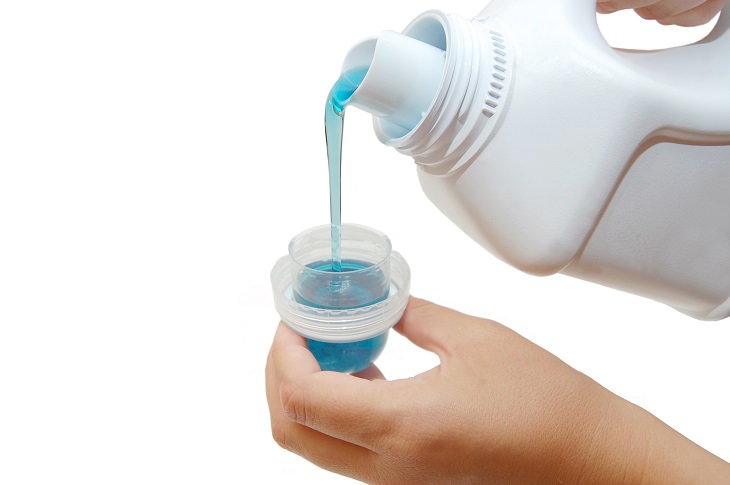
According to family physician and general practitioner Maskfika N. Alam, MD, you might be surprised to know that washing your clothes can actually be dangerous. In addition to being full of harsh chemicals, “many detergents contain phenol, which can be easily absorbed through your skin and can cause renal and hepatic dysfunction,” she says. 
 
When you’re in doubt, go with an organic brand of laundry detergent, especially if you have eczema, allergies, or sensitive skin.


4. Fire Retardants 
Meant to keep us safe, fire retardants have actually been linked to infertility, cancer, and other disorders, according to Dr. Bulsiewicz. “They are used in most infant clothing and can be found in foam cushions in sofas and chairs, as well as children’s car seats, nursing pillows, and other upholstered products,” he says. 
 
To avoid coming into contact with fire retardants, make sure that you buy only natural fiber clothing, particularly for children and infants. Furthermore, if you’re looking to upgrade your living room, Bulsiewicz recommends only opting for newer furniture products that contain foam, as most furniture made in America after 2005 does not contain fire retardants. 
 
 
5. Non-Stick Coated Cookware
8 Things You Use Everyday That Can Damage Your Health
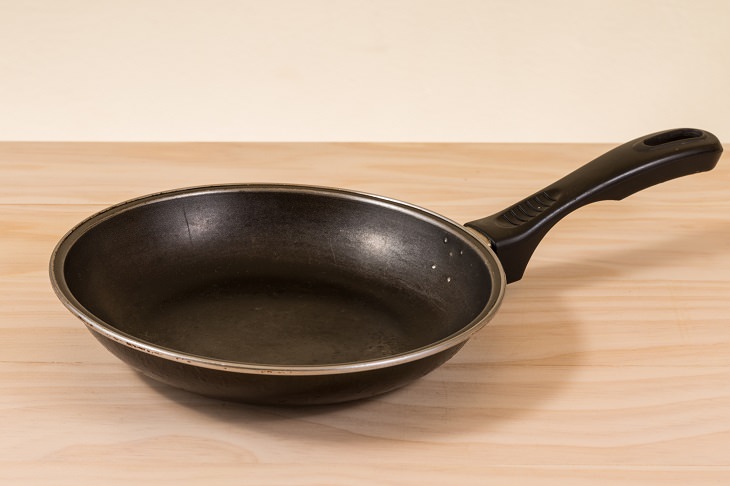
If you need to whip up some miracle recipes, you should opt for non-stick coated cookware pans or casserole dishes. However, Adam S. Gropper, MD, explains that these non-stick coatings can melt when they’re overheated, revealing aluminum that’s super unhealthy when digested. 
 
“Ingested aluminum has been linked to Alzheimer’s disease and several cancers. If you see flaking or gauging in your coated cookware, it’s time to replace it,” he advises. 
 
 6. Deodorant/Antiperspirant 
Though they are meant to keep you feeling fresh, Dr. Gropper says many formulas utilize aluminum to clot your pores and prevent excessive sweating. Since absorbing aluminum is linked to Alzheimer’s diseases and both prostate and breast cancers, Dr. Gropper recommends trying out natural deodorants instead. 
 
 
7. Air Fresheners 

 8 Things You Use Everyday That Can Damage Your Health
They might get rid of the stench from the bathroom, but inhaling these chemicals isn’t safe for anyone in your family. The artificial fragrances that are added to air fresheners can irritate your eyes and cause inflammation. Dr. Alam says that “chronic inhalation of phthalates can cause asthma and can damage your lungs.” 
 
 
8. Hand Sanitizers and Antibacterial Soap 
You might think that these products are helping you stay healthy, but they can do more harm than good in the long run. The compound triclosan is found in more than 75% of hand sanitizers and antibacterial soaps, as well as in linens, underwear, gym equipment, and plastic products. “This is another endocrine buster resulting in reproductive toxicity through alterations in hormone regulation according to the FDA,” Dr. Gaffney-Adams explains. 
 
Tricoslan has been linked to allergies, asthma, eczema, and thyroid disease. Furthermore, it’s also a suspected carcinogen, and when you overuse these products, you might build an antibiotic resistance to bacteria, making infections more difficult to treat.


This is only for your information, kindly take the advice of your doctor for medicines, exercises and so on.   

https://gscrochetdesigns.blogspot.com. one can see my crochet creations  
https://gseasyrecipes.blogspot.com. feel free to view for easy, simple and healthy recipes    
https://kneereplacement-stickclub.blogspot.com. for info on knee replacement
https://GSiyers home remedies.blogspot.com   is the latest addition to my blogs. I'm going to add posts there, do give me your valuable feed back on my blogs. Thanks a lot, take care, be healthy and be happy.

Labels: , , , , , , ,

Saturday, May 28, 2022

6 Steps for Odorless Feet

When the hot summer months pick up, sweaty and smelly feet can be impossible to ignore. One of the first things you need to see to is understanding why they smell in the first place. Since sweat is virtually odorless, what causes your feet to smell? Bacteria eats away at dead skin cells. It thrives, especially, in hot, enclosed environments creating a smell that may be hard to ignore. 
 
One method you should always bear in mind is to wash your toes and dry them well before inserting them into your favorite pair of shoes. If this method does not solve your problem, here are six other steps you could take to keep your feet feeling and smelling fresh.  
 
1. Use deodorant
Antiperspirants prevent sweat, eliminating bacteria from forming. While most brands will do the job, Dr.Scholl's not only destroys odor, it instantly dries the feet.  
 
2. Use porous leather soles
foot
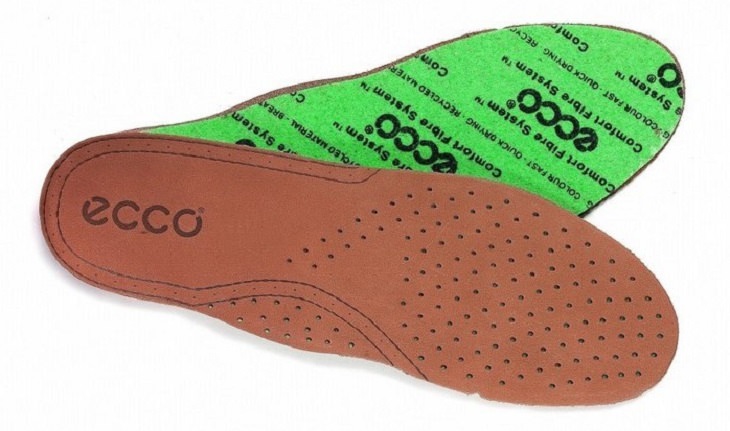
These breathable soles will allow your feet to air out. Leather will also never smell, unlike synthetic products like a poly-cotton blend. Opt for one which provides an antibacterial treatment, such as Ecco.  
 
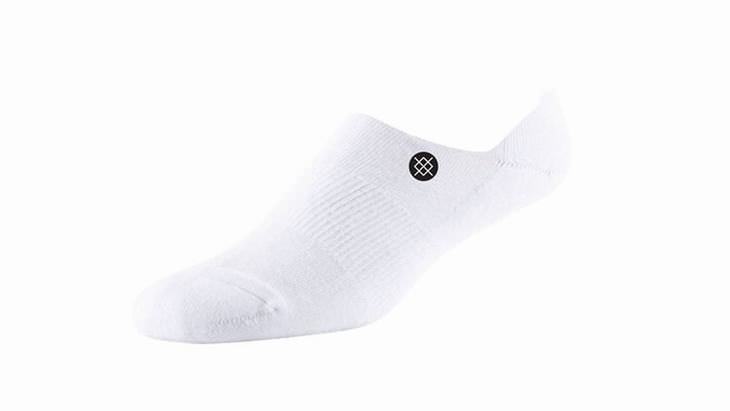
3. Wear invisible sockskeep your feet fresh
Invisible socks or loafer liners (such as the ones depicted in the image above) will soak up extra moisture. 
 
4. Use a cedar shoe tree
keep your feet fresh
Cedar shoe trees help keep shoes in shape. They act as a moisture wicker, naturally soaking up any excess sweat. Occasionally give your shoes a rest, allowing the cedar to freshen your shoes up. 
 
5. Use dryer sheets
Dryer sheets work well with freshening up the smell of the shoes and soaking up excess moisture. If you do not have cedar shoe trees available, this option is your next best bet.

6. Use powder keep your feet fresh
Talcum powder or corn starch works exceptionally well. It'll keep your feet dry, preventing bacteria.


This is only for your information, kindly take the advice of your doctor for medicines, exercises and so on.   

https://gscrochetdesigns.blogspot.com. one can see my crochet creations  
https://gseasyrecipes.blogspot.com. feel free to view for easy, simple and healthy recipes    
https://kneereplacement-stickclub.blogspot.com. for info on knee replacement

Labels: , , , , , ,

Thursday, September 30, 2021

Your Next Deodorant May Already Be Part of Your Skincare Routine

Let's break down the two kinds of deodorants: there are antiperspirants, and there are plain deodorants. The former, as their name suggests, prevent you from perspiring. They do so by blocking your sweat glands and keeping your armpits dry. They can be fragrance-free, which is the best and least irritating form. The latter will not prevent you from sweating but will help with body odor simply by masking it with nice scents, allowing you to still sweat through. 
 
The natural deodorizers in the following article will NOT prevent perspiration, but they will help fight body odor, and some can even be used in addition to your everyday deodorant for an extra boost, in case they don't last you the guaranteed 24-hours (Do they ever? Not in my experience). 
 
Facial AHA Toners  toner with cotton rounds
If the previous passage seems like Chinese to you, allow us to translate. What are toners? Toners are a skin treatment that is usually used for cosmetic benefits as part of a skincare routine. They have a runny liquid consistency and are used for many purposes: some are hydrating toners, some are exfoliating toners, some treat spots, and so on. You usually soak a generous amount on a cotton pad and spread it evenly across your face. 
 
What are AHAs? Now we're getting to the deodorant part. Alpha Hydroxy Acids is a group of water-soluble exfoliating ingredients, naturally found in fruits. They break down the bonds in dead skin cells on your skin, helping to reveal a smoother, brighter surface. The two most researched AHAs are Glycolic acid and Lactic acid. 
 
You can use a fragrance-free Lactic Acid toner or a Glycolic acid toner as a natural deodorant! 
 
Simply soak a cotton ball in the toner, rub it on your armpits and let them dry. If you don't want to use a disposable cotton pad you can use reusables and wash them after every use or use your hands, but make sure to wash them! 
 
Remember, this will not prevent you from sweating, but you can use it under your regular deodorant to further combat body odor. AHAs are essentially scentless on their own, so if you choose a fragrance-free toner, it won't overpower your perfume or cause any headaches. 
 
A Little Chemistry 
How does it all work? AHAs have a low pH profile. This means they both eliminate odor-causing bacteria that naturally live on our skin, and create an acidic environment that prevents that same bacteria from growing. 
 
Now is a good place to address dosage: since these are acids, after all, a slight tingling sensation is possible. Make sure to choose a toner without fragrance to lower chances of irritation to the skin, and gradually build up your concentration, starting from 5% acid toners to no more than 10% for the armpits.
Additional benefits of using AHAs as deodorizers:  
AHAs can treat rough dry skin and even pigmentation and discoloration!  Our armpits can be darker than the rest of the body for many reasons: thick hair roots, thick dead skin layer due to repetitive scrubbing and hair removal, and even post-inflammatory hyperpigmentation. 
 
Glycolic acid disperses melanin (pigment of our skin) and smooths out the surface of our skin. 
 
Lactic acid is a better option for sensitive skin as it does not penetrate as deep into the skin, and it is also a powerful humectant, meaning it keeps moisture within the skin.

Tea Tree Essential Oil
tea tree oil
The method of use with this essential oil is similar to how you would use AHA toners: you rub it on the skin as a natural deodorizer. As for using it under your antiperspirant, we recommend a small patch test as tea tree oil is a very potent substance that could easily irritate the skin. We would also suggest using a cotton round for this one, as tea tree oil has a very strong earthy aroma that's hard to get off your hands. You should only use it if you like the smell. 
 
Tea tree oil is an immensely powerful natural antiseptic. It kills both bacteria and fungus that may live on your skin and cause body odor. It has innumerable other benefits and uses, some of which are listed here, so know that keeping a small bottle of it is always a good idea.  
 
CAUTION: Do not ingest the oil under any circumstances. While it does have the word tea in the name, the oil is not derived from the same plants used to make traditional teas. 
 
A Natural DIY Deodorant
We would advise sticking to store-bought toners or essential oils. These are professionally formulated by chemists to be applied to your skin. That being said, there are low-risk recipes for DIY deodorants containing ingredients that are beneficial in treating body odor, such as shea butter (a soothing moisturizer), baking soda (a known natural deodorizer), arrowroot or corn starch (moisture absorbing), and tea tree oil. 
 
Here's a good stick deodorant recipe from Houseful of Handmade: 
 
Ingredients: 
3/4 oz beeswax 
2 oz coconut oil 
3/4 oz Shea butter 
2 Tbsp baking soda 
2 Tbsp cornstarch 
1/4 cup arrowroot powder 
10-20 drops tea tree oil (or other essential oil) 
 
Instructions: 
Place beeswax, coconut oil, and Shea butter in a small saucepan with some water and simmer until the oils are completely melted. 
Remove from heat and stir in the baking soda, cornstarch, and arrowroot powder. Then stir in the tea tree oil. 
Pour into 2 empty stick deodorant containers. 
Allow to harden before use.


This is only for your information, kindly take the advice of your doctor for medicines, exercises and so on.   

https://gscrochetdesigns.blogspot.com. one can see my crochet creations  
https://gseasyrecipes.blogspot.com. feel free to view for easy, simple and healthy recipes    
https://kneereplacement-stickclub.blogspot.com. for info on knee replacement


Labels: , , , , , , , , , , , ,