Saturday, January 18, 2025

8 Things You Use Everyday That Can Damage Your Health

While you might take extra care to double clean items that you use regularly, there are certain chemicals that you simply cannot avoid. How come? Well, it’s because they’re ingrained in many of the everyday products that you never think twice about.


1. Store receipts
 8 Things You Use Everyday That Can Damage Your Health
Though it’s second nature to crumple up your receipt and toss it in your wallet or pocket, Will Bulsiewicz, MD, MSCI, board-certified gastroenterologist, warns against touching this proof of purchase. Many receipts are printed on thermal paper, which means that they’re covered in a thin coating of powder that develops the dye needed for the type. He says that “this powder contains BPA, an endocrine-disrupting chemical which has been linked to breast cancer, diabetes, and hormone abnormalities in children.” 
 
He goes on to say that many studies have shown that BPA can be absorbed through the skin, making it important to limit your interaction with this chemical. “If you don’t need a receipt, ask the cashier not to print if it is possible. If you do need it, ask for it to be placed in the bag; don’t place the receipt in a bag with food items, particularly items that are consumed raw. Finally be sure you wash your hands well after handling receipts,” he advises. 
 
2. Bug Sprays and Repellents 
Though they might prevent bug bites, infectious disease specialist and clinical assistant professor Alexea M. Gaffney-Adams, MD, says that some of the ingredients found in bug sprays may raise an eyebrow, specifically, “organophosphates,” found in herbicides, nerve agents, chemical agents, and pesticides. They’re also known as plasticizers, which are about as scary as it sounds. 
 
Gaffney-Adams explains that “these compounds are readily absorbed through the skin and inhaled. They poison insects – and humans – by disrupting neurotransmitters necessary for proper body functions. They can affect breathing and muscle function and can cause cardiovascular collapse and death in large amounts.” Prolonged exposure to these chemicals has been linked to lung and heart disease, delayed reflexes, and cancers. 
 
3. Laundry Detergent
8 Things You Use Everyday That Can Damage Your Health

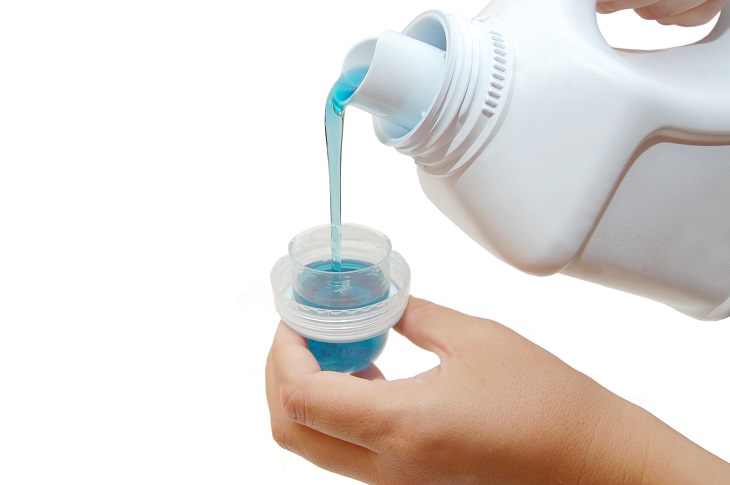
According to family physician and general practitioner Maskfika N. Alam, MD, you might be surprised to know that washing your clothes can actually be dangerous. In addition to being full of harsh chemicals, “many detergents contain phenol, which can be easily absorbed through your skin and can cause renal and hepatic dysfunction,” she says. 
 
When you’re in doubt, go with an organic brand of laundry detergent, especially if you have eczema, allergies, or sensitive skin.


4. Fire Retardants 
Meant to keep us safe, fire retardants have actually been linked to infertility, cancer, and other disorders, according to Dr. Bulsiewicz. “They are used in most infant clothing and can be found in foam cushions in sofas and chairs, as well as children’s car seats, nursing pillows, and other upholstered products,” he says. 
 
To avoid coming into contact with fire retardants, make sure that you buy only natural fiber clothing, particularly for children and infants. Furthermore, if you’re looking to upgrade your living room, Bulsiewicz recommends only opting for newer furniture products that contain foam, as most furniture made in America after 2005 does not contain fire retardants. 
 
 
5. Non-Stick Coated Cookware
8 Things You Use Everyday That Can Damage Your Health
If you need to whip up some miracle recipes, you should opt for non-stick coated cookware pans or casserole dishes. However, Adam S. Gropper, MD, explains that these non-stick coatings can melt when they’re overheated, revealing aluminum that’s super unhealthy when digested. 
 
“Ingested aluminum has been linked to Alzheimer’s disease and several cancers. If you see flaking or gauging in your coated cookware, it’s time to replace it,” he advises. 
 
 6. Deodorant/Antiperspirant 
Though they are meant to keep you feeling fresh, Dr. Gropper says many formulas utilize aluminum to clot your pores and prevent excessive sweating. Since absorbing aluminum is linked to Alzheimer’s diseases and both prostate and breast cancers, Dr. Gropper recommends trying out natural deodorants instead. 
 
 
7. Air Fresheners 
 8 Things You Use Everyday That Can Damage Your Health
They might get rid of the stench from the bathroom, but inhaling these chemicals isn’t safe for anyone in your family. The artificial fragrances that are added to air fresheners can irritate your eyes and cause inflammation. Dr. Alam says that “chronic inhalation of phthalates can cause asthma and can damage your lungs.” 
 
 
8. Hand Sanitizers and Antibacterial Soap 
You might think that these products are helping you stay healthy, but they can do more harm than good in the long run. The compound triclosan is found in more than 75% of hand sanitizers and antibacterial soaps, as well as in linens, underwear, gym equipment, and plastic products. “This is another endocrine buster resulting in reproductive toxicity through alterations in hormone regulation according to the FDA,” Dr. Gaffney-Adams explains. 
 
Tricoslan has been linked to allergies, asthma, eczema, and thyroid disease. Furthermore, it’s also a suspected carcinogen, and when you overuse these products, you might build an antibiotic resistance to bacteria, making infections more difficult to treat.


This is only for your information, kindly take the advice of your doctor for medicines, exercises and so on.   

https://gscrochetdesigns.blogspot.com. one can see my crochet creations  
https://gseasyrecipes.blogspot.com. feel free to view for easy, simple and healthy recipes    
https://kneereplacement-stickclub.blogspot.com. for info on knee replacement
https://GSiyers home remedies.blogspot.com   is the latest addition to my blogs. I'm going to add posts there, do give me your valuable feed back on my blogs. Thanks a lot, take care, be healthy and be happy.

Labels: , , , , , , ,

Thursday, August 17, 2023

8 Things You Use Everyday That Can Damage Your Health

While you might take extra care to double clean items that you use regularly, there are certain chemicals that you simply cannot avoid. How come? Well, it’s because they’re ingrained in many of the everyday products that you never think twice about.

1. Store receipts
 
Though it’s second nature to crumple up your receipt and toss it in your wallet or pocket, Will Bulsiewicz, MD, MSCI, board-certified gastroenterologist, warns against touching this proof of purchase. Many receipts are printed on thermal paper, which means that they’re covered in a thin coating of powder that develops the dye needed for the type. He says that “this powder contains BPA, an endocrine-disrupting chemical which has been linked to breast cancer, diabetes, and hormone abnormalities in children.” 
 
He goes on to say that many studies have shown that BPA can be absorbed through the skin, making it important to limit your interaction with this chemical. “If you don’t need a receipt, ask the cashier not to print if it is possible. If you do need it, ask for it to be placed in the bag; don’t place the receipt in a bag with food items, particularly items that are consumed raw. Finally be sure you wash your hands well after handling receipts,” he advises

2. Bug Sprays and Repellents  
 
Though they might prevent bug bites, infectious disease specialist and clinical assistant professor Alexea M. Gaffney-Adams, MD, says that some of the ingredients found in bug sprays may raise an eyebrow, specifically, “organophosphates,” found in herbicides, nerve agents, chemical agents, and pesticides. They’re also known as plasticizers, which are about as scary as it sounds. 
 
Gaffney-Adams explains that “these compounds are readily absorbed through the skin and inhaled. They poison insects – and humans – by disrupting neurotransmitters necessary for proper body functions. They can affect breathing and muscle function and can cause cardiovascular collapse and death in large amounts.” Prolonged exposure to these chemicals has been linked to lung and heart disease, delayed reflexes, and cancers.

3. Laundry Detergent 
 8 Things You Use Everyday That Can Damage Your Health
According to family physician and general practitioner Maskfika N. Alam, MD, you might be surprised to know that washing your clothes can actually be dangerous. In addition to being full of harsh chemicals, “many detergents contain phenol, which can be easily absorbed through your skin and can cause renal and hepatic dysfunction,” she says. 
 
When you’re in doubt, go with an organic brand of laundry detergent, especially if you have eczema, allergies, or sensitive skin. 
 
4. Fire Retardants 
  Meant to keep us safe, fire retardants have actually been linked to infertility, cancer, and other disorders, according to Dr. Bulsiewicz. “They are used in most infant clothing and can be found in foam cushions in sofas and chairs, as well as children’s car seats, nursing pillows, and other upholstered products,” he says. 
 
To avoid coming into contact with fire retardants, make sure that you buy only natural fiber clothing, particularly for children and infants. Furthermore, if you’re looking to upgrade your living room, Bulsiewicz recommends only opting for newer furniture products that contain foam, as most furniture made in America after 2005 does not contain fire retardants.  
 
5. Non-Stick Coated Cookware
8 Things You Use Everyday That Can Damage Your Health
If you need to whip up some miracle recipes, you should opt for non-stick coated cookware pans or casserole dishes. However, Adam S. Gropper, MD, explains that these non-stick coatings can melt when they’re overheated, revealing aluminum that’s super unhealthy when digested. “Ingested aluminum has been linked to Alzheimer’s disease and several cancers. If you see flaking or gauging in your coated cookware, it’s time to replace it,” he advises. 
 
6. Deodorant/Antiperspirant  
Though they are meant to keep you feeling fresh, Dr. Gropper says many formulas utilize aluminum to clot your pores and prevent excessive sweating. Since absorbing aluminum is linked to Alzheimer’s diseases and both prostate and breast cancers, Dr. Gropper recommends trying out natural deodorants instead. 
 
7. Air Fresheners
They might get rid of the stench from the bathroom, but inhaling these chemicals isn’t safe for anyone in your family. The artificial fragrances that are added to air fresheners can irritate your eyes and cause inflammation. Dr. Alam says that “chronic inhalation of phthalates can cause asthma and can damage your lungs.” 
 
 8. Hand Sanitizers and Antibacterial Soap 
 You might think that these products are helping you stay healthy, but they can do more harm than good in the long run. The compound triclosan is found in more than 75% of hand sanitizers and antibacterial soaps, as well as in linens, underwear, gym equipment, and plastic products. “This is another endocrine buster resulting in reproductive toxicity through alterations in hormone regulation according to the FDA,” Dr. Gaffney-Adams explains. 
 
Tricoslan has been linked to allergies, asthma, eczema, and thyroid disease. Furthermore, it’s also a suspected carcinogen, and when you overuse these products, you might build an antibiotic resistance to bacteria, making infections more difficult to treat.

This is only for your information, kindly take the advice of your doctor for medicines, exercises and so on.   

https://gscrochetdesigns.blogspot.com. one can see my crochet creations  
https://gseasyrecipes.blogspot.com. feel free to view for easy, simple and healthy recipes    
https://kneereplacement-stickclub.blogspot.com. for info on knee replacement
https://cancersupportindia.blogspot.com  for infor on cancer and health related topics
https://GSiyers home remedies.blogspot.com   is the latest addition to my blogs. I'm going to add posts there, do give me your valuable feed back on my blogs. Thanks a lot, take care, be healthy and be happy.


Labels: , , , , , , , , , , ,

Thursday, February 11, 2021

Relieve Skin Itching and Dryness With These Eczema Remedies

The itchy and inflamed skin that accompanies an eczema flareup is one of the most bothersome feelings a person can experience. An eczema rash can be triggered by even minor stress and appear on any part of the body, the face, and even on your scalp, especially in the dry and cold winter months.

There are many types of causes of this condition, but they are all characterized by skin itching, dryness, redness, and flakiness. If you’re experiencing an eczema flareup and nothing seems to help, consider adding these home remedies and following these tips in addition to what you’ve been already prescribed by your dermatologist.

Eczema Tips and Remedies itchy skin
Eczema-prone skin is super sensitive and is deficient in the natural skin barrier that helps seal in moisture in the skin. That’s exactly why those who suffer from this condition have to baby their skin and be extra mindful of everything that makes contact with their skin, be it the body care you use, clothing, and even fabric softener and detergent. 
 
In this article, we suggest several practical tips that help alleviate eczema symptoms, including a few useful home remedies you can try. 
 
1. Moisturize immediately after taking a shower or bath
Skin that’s prone to eczema is chronically dry, and the best way to protect your skin from becoming even flakier, itchier, and more inflamed is to cover it with an occlusive moisturizer, balm, or ointment. Moisturize right after a shower or bath, don’t wait for your skin to become drier. 
 
Ideally, you should quickly pat-dry your skin with a towel and moisturize within 3 minutes after getting out of the shower with a moisturizer rich in oils. You will need to do this every time you take a bath or shower, and if your eczema shows up on your hands, it’s also a good idea to moisturize your hands after you wash them throughout the day. Moisturizing will help prevent flareups and will also make a rash go away sooner. 
 
2. Try colloidal oatmeal baths Eczema Tips and Remedies oatmeal
If you’re experiencing a flareup that spreads on larger areas of the body and face, taking colloidal oatmeal baths for a few days in a row is scientifically-proven to reduce skin itchiness, calm down the redness, and heal the flakes or cracks in your skin. Colloidal oatmeal, or Avena sativa, is a powder made from finely-ground and boiled oats. 
 
Preparing a colloidal oatmeal bath is easy: simply pour an appropriate amount of the colloidal oatmeal in lukewarm water and soak for 10-15 minutes in the bath, making sure that all the affected areas are submerged in water. You can also make your own oatmeal powder by grinding 1 cup of oats in a spice grinder until completely fine and smooth. 
 
Colloidal oatmeal is also present in some creams and ointments, and these moisturizers are almost always fragrance- and irritant-free, so they will work well for eczema-prone skin. You can ask a shopping assistant at your local drugstore to help you find a moisturizer with colloidal oatmeal.
 
3. Bathe strategically 
Bathing can really help you reduce eczema flareups, as one of the common causes of a flareup is the accumulation of sweat on the skin or exposure to allergens, such as pet dander. In addition, baths can help rehydrate your skin. With that said, excessive bathing often has the opposite effect, and it can make your eczema worse in the following cases: 
 
When you’re using water that is too hot or too cold 
 
You’re bathing too frequently
 
Showering or bathing for too long. 
 
Therefore, you should be strategic with your bathing routine. The National Eczema Association recommends following these tips: 
 
1. Use exclusively lukewarm water. 
 
2. Bathe or shower once a day, more if you’re going to the gym or sweating. 
 
3. Limit bathing time to 10–15 minutes. 
 
4. Be aware of the cosmetic ingredients you should avoid 
Eczema-prone skin is a lot more sensitive to irritating skin ingredients than other people’s skin. This is exactly why you should be wary of the cosmetic products you’re using, be it your shampoo, shower gel, or moisturizer. First and foremost, avoid ingredients and products that strip the skin of its natural oils too much, such as alcohol, sodium lauryl sulfate, soap, and scrubs. 
 
Also, stick to fragrance-free, dye-free, and essential oil-free cosmetic products, as both of these ingredients can irritate the skin. Seeking out hypoallergenic products or even products sold for babies is a good tip.
 
5. Try natural oils
While essential oils can be quite drying and irritating for eczema-prone skin, moisturizing carrier oils are actually quite beneficial for those who suffer from eczema. Here are the 3 natural oils known to help eczema: 
 
1. Virgin coconut oil contains antibacterial and anti-inflammatory ingredients. It also helps seal the skin and protects it from environmental stressors. 
 
2. Evening primrose oil is favored by many eczema sufferers due to its anti-inflammatory properties. 
 
3. Sunflower oil also protects the skin from outside stressors and helps keep moisture in the skin. 
 
All of these oils can be applied topically to the body or the scalp, before or in place of a moisturizer. We advise against putting these oils on the face and parts of the body where you may experience acne, however, as they can block your pores. 
 
6. Be mindful of the laundry detergents you use
The laundry detergent you use can also have an effect on your skin's health. Opt for a gentle, fragrance-free detergent, as the fragrant components of the detergent can be transferred onto the skin and cause a rash. For identical reasons, we recommend you stop using fabric softener as well.

7. Watch your diet
Certain foods are known to trigger eczema flareups, too, especially in children. Be mindful of how your body reacts when you consume such foods as dairy, soy and soy products, eggs, and wheat. If you suspect that any of these foods are making your eczema worse, try eliminating it from the diet and see if it helps reduce your symptoms. 
 
In addition, nutritionists recommend eating more anti-inflammatory foods, such as those we listed in the article No More Inflammation With these 10 Food Combos. Since eczema is an inflammatory skin condition, enriching your diet with fruits, vegetables, herbs, and leafy greens can really improve your well-being. 
 
8. Avoid certain fabrics and clothing fits
Wearing tight-fitting clothing when you're having eczema can make your skin itchier and can lead to skin infections, so wear loose-fitting clothing in the affected areas of the skin. Certain fabrics can also lead to eczema flareups. Wool is the most notorious offender, but fabrics that don't allow the skin to breathe, like polyester, are also best avoided. 
 
Extra tip: for some people, nickel can also cause skin rashes. If you notice that your skin is becoming red and inflamed around the fingers, the neck, and behind the ears, it may be due to the jewelry you're wearing.

9. Extreme temperatures are your enemy
Climate is the last topic we will cover in this article. Unfortunately, eczema-prone skin is significantly more sensitive to changes in humidity and temperature, and traveling or going outside when it's cold or hot outside can easily lead to a rash. This is exactly why most people tend to experience flareups during the winter when the weather is cold outside and the central heating is drying out the air indoors. 
 
Bundle up, wear a scarf and gloves when you go outside to prevent a rash from appearing on your hands, neck, and face. At the same time, try not to sit next to a heater or radiator to avoid dry air. Many eczema sufferers swear by an indoor air humidifier in the cold months, but you can easily just put a wet towel near the radiator to get a similar effect in a pinch, too.

This is only for your information, kindly take the advice of your doctor for medicines, exercises and so on.     

https://gscrochetdesigns.blogspot.com. one can see my crochet creations  
https://gseasyrecipes.blogspot.com. feel free to view for easy, simple and healthy recipes    
https://kneereplacement-stickclub.blogspot.com. for info on knee replacement

Labels: , , , , , , , , , , , ,