Thursday, February 25, 2021

Emergency Tips: What To Do When The Power Goes Out

In the past century or so, we’ve come to depend on electricity for nearly all our basic needs: cooking, working, and functioning after sundown, in general. So, when the power is down, it can severely disrupt our daily lives and even pose a danger to our well-being. Power outages can happen due to extreme weather conditions, natural disasters, or problems with the electrical grid.

In these unfortunate scenarios, it’s important to know how to keep yourself, your home, and your pets safe. Here are a few essential tips on what to do when the power goes out.
 
1. Extreme temperatures -Staying warm 
If the power happens to go out when it’s cold outside, your first concern should be to save as much heat as possible in your home. Firstly, cover all the windows and doors with blankets and put plastic tape over them to keep out drafts and conserve the heat in your home.Emergency Tips: What To Do When The Power Goes Out, blankets
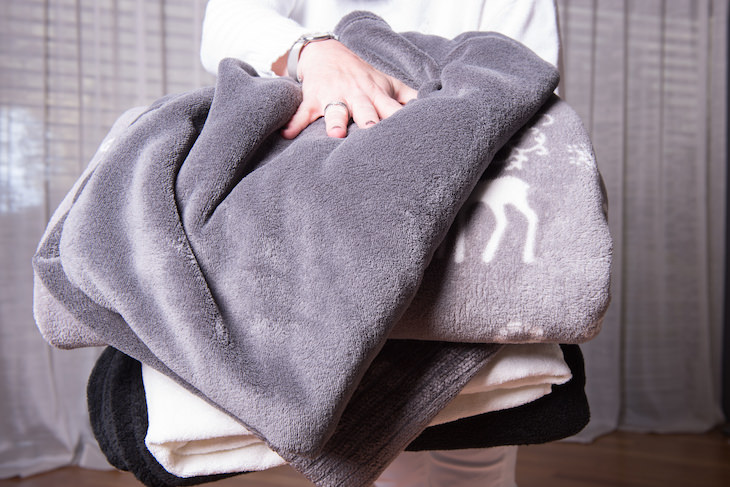
The next step is choosing a “warming room”, in which you will spend most of your time until the power comes back on. After all, one room is much easier to keep warm than the entire house. Choose a small room with few or no windows, as it will be the easiest to keep warm. Have everyone in your household, including the pets, bundle up in that room with blankets and hot water bottles. Body heat is helpful, too.

One important warning: Do NOT use gas ovens, grills, or heaters indoors to stay warm! You’re sealed up in a room without proper air circulation, and doing so can cause a potentially deadly buildup of noxious gases. 
 
Staying cool
The risk of heat exhaustion or a heat stroke isn’t to be taken lightly. Staying cool in hot weather is just as important as staying warm in cold weather. The first step to take if the power goes out in the summer is to cover the windows that directly face the sun with curtains or blankets. Here are a few more tips: 
 
Stay hydrated! Water is essential for the body to cool itself. 
 
Open the windows that are in the shade to let in a breeze. 
 
Take a cool shower or a bath. If the water coming out of the cold tap is warm, add ice to your bath. 
 
Cook outside on a grill instead of using the stove to keep your home cool. 
 
Wear a wet bandana or cloth around your neck or head, and chill it occasionally with a magazine or a battery-powered fan.

2. Keeping food fresh
Emergency Tips: What To Do When The Power Goes Out, food cooler
If the power is out for a long period of time, the food in your fridge and freezer is at risk of becoming too warm and starting to grow dangerous bacteria. Here’s what you can do to ensure that your food stays chilled during a power outage: 
 
According to the FDA, food needs to be kept below 40 degrees Fahrenheit (4 degrees Celsius) to prevent it from spoiling, so the temperature in your refrigerator should not exceed that. Your freezer should be at zero degrees Fahrenheit (-17.80 degrees Celsius) or below. Make sure that there is a thermometer in your refrigerator and freezer. This way, you can monitor the exact temperature. 
 
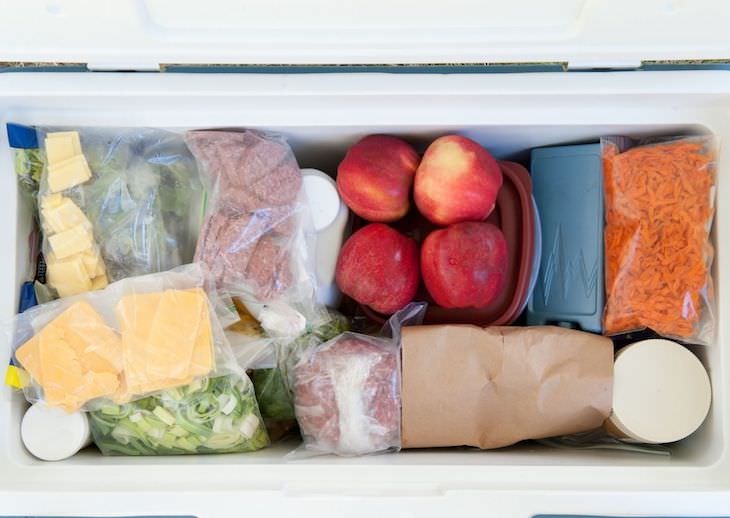
If you can plan ahead, have some coolers on hand to store refrigerated food. Freeze containers with water like gallon jugs, as well as ice cubes and gel packs. Another option is to buy dry ice and block ice. These will help keep the temperature in the coolers low. 
 
Keep the doors of your refrigerator and freezer closed as much as possible. An average refrigerator is capable of maintaining the cold temperature for about 4 hours without power. A full freezer will hold its temperature for about 48 hours, but only 24 hours if it is half full. 
 
If the food is left at temperatures above those recommended above, throw it out. Do not rely on the food’s appearance or smell, and certainly do not taste it to determine if it's safe. Eating food that wasn't kept at the proper temperature could cause illness, even if it was thoroughly cooked. Frozen food that still has ice crystals can be refrozen or cooked, but when in doubt, it’s better not to take any chances and dispose of it. 
 
Keep a three-day supply of dry nonperishable food that doesn’t require refrigeration or cooking, like canned goods and boxed milk. Stock up on bottled water, too, just in case.

3. Water problems
Emergency Tips: What To Do When The Power Goes Out, faucet
When the power is out at your home, there's also a chance that it's out at the municipal water center. This means that you will be out of running water for some time. If you have a bathtub, fill it to stock up on water. 
 
The electricity outage may also render the water unsafe for you and your pets. Even if it looks clean, do check with the local authorities whether or not there is a boil alert in effect. If so, Diane Vukovic, a disaster preparedness expert, advises bringing the water to a full rolling boil for one minute. Continue boiling the water for 3 minutes, if you live at an elevation of 6,500 feet or more. 
 
If your home uses well water, you will not have running water until the power is back on. One possible solution is to hook your well-pump to a gas-powered generator. Your local equipment rental service will usually offer these generators. 
 
4. Frozen pipes
Emergency Tips: What To Do When The Power Goes Out, frozen pipe
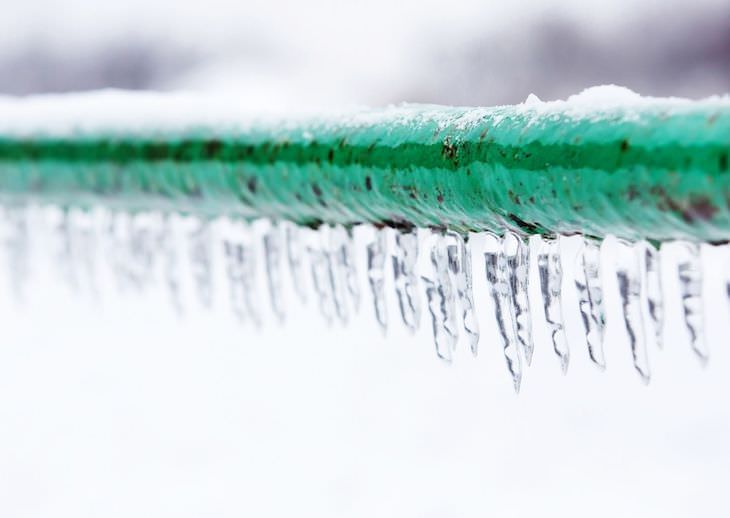
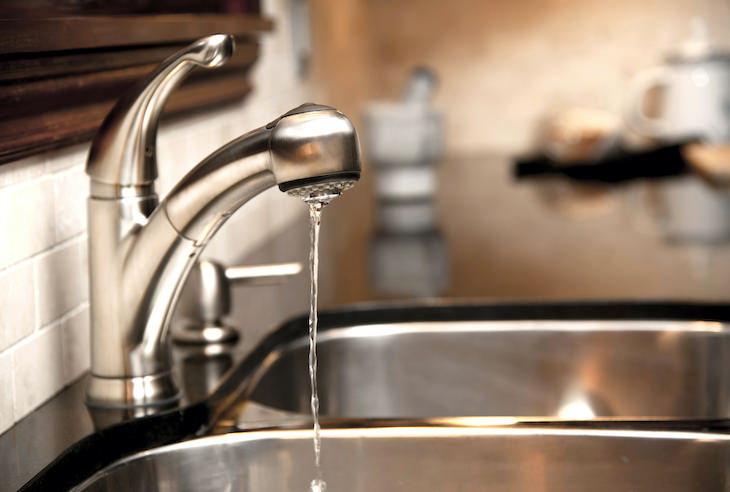
When the power goes out in very cold weather, pipes can easily become frozen, and they could even burst. To prevent it, you can leave all the cold water taps in the house on so that they are dripping. Even this small amount of water flowing through the pipes can prevent them from freezing solid. 
 
However, this isn’t a good solution when running water is also a concern. In that case, “you’ll need to completely shut off your water at the main and drain water in the pipes. Collect it in clean buckets and pots so you can use it later,” says Vukociv.

5. Protect your appliances
If you're expecting a power outage, remember to unplug all your electronics and appliances: TVs, computers, microwaves, and the like. When the power returns, there may be a power surge, which can damage anything that is still plugged in. It may also be a good idea to have a fully-charged power bank on hand so that you are able to call someone in case of an emergency.


This is only for your information, kindly take the advice of your doctor for medicines, exercises and so on.     

https://gscrochetdesigns.blogspot.com. one can see my crochet creations  
https://gseasyrecipes.blogspot.com. feel free to view for easy, simple and healthy recipes    
https://kneereplacement-stickclub.blogspot.com. for info on knee replacement


Labels: , , , , , , , , ,

Thursday, February 11, 2021

Relieve Skin Itching and Dryness With These Eczema Remedies

The itchy and inflamed skin that accompanies an eczema flareup is one of the most bothersome feelings a person can experience. An eczema rash can be triggered by even minor stress and appear on any part of the body, the face, and even on your scalp, especially in the dry and cold winter months.

There are many types of causes of this condition, but they are all characterized by skin itching, dryness, redness, and flakiness. If you’re experiencing an eczema flareup and nothing seems to help, consider adding these home remedies and following these tips in addition to what you’ve been already prescribed by your dermatologist.

Eczema Tips and Remedies itchy skin
Eczema-prone skin is super sensitive and is deficient in the natural skin barrier that helps seal in moisture in the skin. That’s exactly why those who suffer from this condition have to baby their skin and be extra mindful of everything that makes contact with their skin, be it the body care you use, clothing, and even fabric softener and detergent. 
 
In this article, we suggest several practical tips that help alleviate eczema symptoms, including a few useful home remedies you can try. 
 
1. Moisturize immediately after taking a shower or bath
Skin that’s prone to eczema is chronically dry, and the best way to protect your skin from becoming even flakier, itchier, and more inflamed is to cover it with an occlusive moisturizer, balm, or ointment. Moisturize right after a shower or bath, don’t wait for your skin to become drier. 
 
Ideally, you should quickly pat-dry your skin with a towel and moisturize within 3 minutes after getting out of the shower with a moisturizer rich in oils. You will need to do this every time you take a bath or shower, and if your eczema shows up on your hands, it’s also a good idea to moisturize your hands after you wash them throughout the day. Moisturizing will help prevent flareups and will also make a rash go away sooner. 
 
2. Try colloidal oatmeal baths Eczema Tips and Remedies oatmeal
If you’re experiencing a flareup that spreads on larger areas of the body and face, taking colloidal oatmeal baths for a few days in a row is scientifically-proven to reduce skin itchiness, calm down the redness, and heal the flakes or cracks in your skin. Colloidal oatmeal, or Avena sativa, is a powder made from finely-ground and boiled oats. 
 
Preparing a colloidal oatmeal bath is easy: simply pour an appropriate amount of the colloidal oatmeal in lukewarm water and soak for 10-15 minutes in the bath, making sure that all the affected areas are submerged in water. You can also make your own oatmeal powder by grinding 1 cup of oats in a spice grinder until completely fine and smooth. 
 
Colloidal oatmeal is also present in some creams and ointments, and these moisturizers are almost always fragrance- and irritant-free, so they will work well for eczema-prone skin. You can ask a shopping assistant at your local drugstore to help you find a moisturizer with colloidal oatmeal.
 
3. Bathe strategically 
Bathing can really help you reduce eczema flareups, as one of the common causes of a flareup is the accumulation of sweat on the skin or exposure to allergens, such as pet dander. In addition, baths can help rehydrate your skin. With that said, excessive bathing often has the opposite effect, and it can make your eczema worse in the following cases: 
 
When you’re using water that is too hot or too cold 
 
You’re bathing too frequently
 
Showering or bathing for too long. 
 
Therefore, you should be strategic with your bathing routine. The National Eczema Association recommends following these tips: 
 
1. Use exclusively lukewarm water. 
 
2. Bathe or shower once a day, more if you’re going to the gym or sweating. 
 
3. Limit bathing time to 10–15 minutes. 
 
4. Be aware of the cosmetic ingredients you should avoid 
Eczema-prone skin is a lot more sensitive to irritating skin ingredients than other people’s skin. This is exactly why you should be wary of the cosmetic products you’re using, be it your shampoo, shower gel, or moisturizer. First and foremost, avoid ingredients and products that strip the skin of its natural oils too much, such as alcohol, sodium lauryl sulfate, soap, and scrubs. 
 
Also, stick to fragrance-free, dye-free, and essential oil-free cosmetic products, as both of these ingredients can irritate the skin. Seeking out hypoallergenic products or even products sold for babies is a good tip.
 
5. Try natural oils
While essential oils can be quite drying and irritating for eczema-prone skin, moisturizing carrier oils are actually quite beneficial for those who suffer from eczema. Here are the 3 natural oils known to help eczema: 
 
1. Virgin coconut oil contains antibacterial and anti-inflammatory ingredients. It also helps seal the skin and protects it from environmental stressors. 
 
2. Evening primrose oil is favored by many eczema sufferers due to its anti-inflammatory properties. 
 
3. Sunflower oil also protects the skin from outside stressors and helps keep moisture in the skin. 
 
All of these oils can be applied topically to the body or the scalp, before or in place of a moisturizer. We advise against putting these oils on the face and parts of the body where you may experience acne, however, as they can block your pores. 
 
6. Be mindful of the laundry detergents you use
The laundry detergent you use can also have an effect on your skin's health. Opt for a gentle, fragrance-free detergent, as the fragrant components of the detergent can be transferred onto the skin and cause a rash. For identical reasons, we recommend you stop using fabric softener as well.

7. Watch your diet
Certain foods are known to trigger eczema flareups, too, especially in children. Be mindful of how your body reacts when you consume such foods as dairy, soy and soy products, eggs, and wheat. If you suspect that any of these foods are making your eczema worse, try eliminating it from the diet and see if it helps reduce your symptoms. 
 
In addition, nutritionists recommend eating more anti-inflammatory foods, such as those we listed in the article No More Inflammation With these 10 Food Combos. Since eczema is an inflammatory skin condition, enriching your diet with fruits, vegetables, herbs, and leafy greens can really improve your well-being. 
 
8. Avoid certain fabrics and clothing fits
Wearing tight-fitting clothing when you're having eczema can make your skin itchier and can lead to skin infections, so wear loose-fitting clothing in the affected areas of the skin. Certain fabrics can also lead to eczema flareups. Wool is the most notorious offender, but fabrics that don't allow the skin to breathe, like polyester, are also best avoided. 
 
Extra tip: for some people, nickel can also cause skin rashes. If you notice that your skin is becoming red and inflamed around the fingers, the neck, and behind the ears, it may be due to the jewelry you're wearing.

9. Extreme temperatures are your enemy
Climate is the last topic we will cover in this article. Unfortunately, eczema-prone skin is significantly more sensitive to changes in humidity and temperature, and traveling or going outside when it's cold or hot outside can easily lead to a rash. This is exactly why most people tend to experience flareups during the winter when the weather is cold outside and the central heating is drying out the air indoors. 
 
Bundle up, wear a scarf and gloves when you go outside to prevent a rash from appearing on your hands, neck, and face. At the same time, try not to sit next to a heater or radiator to avoid dry air. Many eczema sufferers swear by an indoor air humidifier in the cold months, but you can easily just put a wet towel near the radiator to get a similar effect in a pinch, too.

This is only for your information, kindly take the advice of your doctor for medicines, exercises and so on.     

https://gscrochetdesigns.blogspot.com. one can see my crochet creations  
https://gseasyrecipes.blogspot.com. feel free to view for easy, simple and healthy recipes    
https://kneereplacement-stickclub.blogspot.com. for info on knee replacement

Labels: , , , , , , , , , , , ,

Wednesday, December 12, 2018

11 Signs You Might Be Headed For a Heart Attack

Try to notice if you've any of these symptoms, then you can change your habits and thus prevent heading for a heart attack.

1) You get angry over the littlest things.
Tend to morph into the Hulk when you’re upset? Those fiery emotions can drastically increase your risk for a heart attack. Researchers  questioned 313 patients who had suffered suspected heart attacks about their anger levels before the onset of symptoms. They found that patients were 8.5 times more likely to have a heart attack in the two hours following an intense outburst of anger, defined as “very angry, body tense, clenching fists or teeth.” The more often you’re angry, the higher your chances for a heart attack.

2) You spend most of your time in front of the screen.
Yes, that includes working on your computer. A study reports that people who watch TV or work on a computer for four or more hours a day increase their risk of an event associated with cardiovascular disease, like a heart attack, by 125 percent. Long periods of sitting deplete the body’s supply of lipoprotein lipase, an enzyme that breaks down fat and prevents clogged arteries. If you spend most of your day plopped behind a desk, take a brief walk after every 20 minutes or try a standing desk. You can burn 30 percent more calories when you stand than when you sit. 

3) You sleep less than 6 hours each night.
Many adults struggle to get the recommended seven to nine hours of sleep each night, but consistently missing that mark could be deadly. A study found that Japanese men who got less than six hours of sleep were five times more likely to have a heart attack than men who slept seven or eight hours a night. Another study  found the same risk applied to Japanese women who got less than six hours of sleep.

4) You live in a highly polluted place-
Smog is just as bad for your heart as it is for your lungs. Researchers used hourly air pollution measurements to determine how exposure to particulate matter (small combustion particles that come from fuel burning and vehicle emissions) affected patients in this area who had heart attacks. They found that exposure to high concentrations of air pollution increased the likelihood of a heart attack by 48 percent in the two hours before patients first experienced heart attack symptoms. The risk went up to 69 percent when people were exposed to high levels of air pollution for 24 hours before the onset of symptoms. 

5) It’s Daylight Saving Time-
When researchers examined three years of a hospital records to track the number of heart attacks that required stent insertions, they found that the frequency of these procedures fluctuated when Daylight Saving Time started and ended. On the Monday after “springing ahead” an hour, there was an 24 percent increase in heart attacks. (However, on the Tuesday after “falling back,” there were 21 percent fewer daily heart attacks). Since the total heart attack counts for those weeks were not drastically different from other weeks, researchers determined that the time changes didn’t necessarily make the heart attacks happen, but rather made them likely to occur sooner than they otherwise would have. This is probably due to disrupted sleep-wake cycles and increased stress at the start of a new week of work.

6) You're divorced
Divorce can cause literal heartache. Researchers conducted an 18-year-study of nearly 16,000 men and women between the ages of 45 and 80 who had been married at least once. Every two years, researchers assessed the participants’ marital status and overall health. Divorced women were 25 percent more likely to have a heart attack than those who stayed married. Women who had two or more divorces were 77 percent more likely to have a heart attack. As for the men, the risk of heart attack stayed the same regardless of whether they were married or divorced—at first. But if they divorced at least twice, their heart attack risk increased by 30 percent. 

7) You live in a place which has extreme temperatures
 Studies show that both extreme cold and extreme heat can put people at risk for heart attacks. Using data from cardiac patients , scientists found that exposure to temperatures lower than 17º F in the two days prior to a heart attack increased patients’ risk by 36 percent. On the other end of the spectrum,  researchers found that once the temperature reaches 68º F, each increase of 1.8º F increased the risk of heart attack by 2 percent over the next one to six hours. On the first day of a hot spell, that risk jumps up to 6.5 percent per 1.8º F increase.

8) You experienced a natural disaster-
Experiencing a hurricane or earthquake devastate your hometown not only affects you mentally and emotionally but physically as well. Researchers studied the number of patients that were admitted with heart-related problems in the years after Hurricane Katrina hit the area in 2005. They found that the number of people admitted to the hospital for heart attacks increased three-fold in the ten years after Katrina, compared to the number of admissions in 2003 and 2004. Patients were also more likely to have heart attack risk factors after the hurricane, including high blood pressure, coronary artery disease, and diabetes. 

9) You didn't go to a college-
The four or more years you spend in college may be good for more than a diploma. A study published , analyzed data from more than 267,000 Australian men and women. The results showed that people with no certifications or degrees were more than twice at risk of a heart attack compared to those with a university degree or higher. Bottom line: The more time you spend in school, the lower your risk for a heart attack.

10) You're down with flu-
The cardiologist has long recommended that those with heart disease get annual flu shots, but new research shows just how important that shot is. New research published looked at 364 people hospitalized for heart attacks and found that they were six times more likely to have a heart attack in the week after being infected with the flu. If you're feeling under the weather, look out for these signs of a heart attack.

11) Your mother had a heart attack-
Or maybe it was your father, or grandparent, or siblings. No matter which relative it was, the doctor says that heart disease and risk factors for heart disease are strongly linked to family history. There are at least 67 sites in the DNA sequence, or variants, that can increase your risk of a heart attack, and as a Dr. said, "Each of these variants raises the relative risk of cardiovascular disease by about 10%. But if you have a number of them, it adds up." The good news is, having a family history of heart attacks don't guarantee you will have one. Actively maintaining a healthy lifestyle can lower your overall risk. 

THIS IS ONLY FOR INFORMATION, ALWAYS CONSULT YOU PHYSICIAN BEFORE HAVING ANY PARTICULAR FOOD/ MEDICATION/EXERCISE/OTHER REMEDIES.                                                                                                                                                                                                                                                                                        PS- THOSE INTERESTED IN RECIPES ARE FREE TO  VIEW MY BLOG-                                                                                           https://gseasyrecipes.blogspot.com/                                                                                                                                                                             FOR INFO ABOUT KNEE REPLACEMENT, YOU CAN VIEW MY BLOG-                                                                                                                             https:// kneereplacement-stickclub.blogspot.com/                                                                                       FOR CROCHET DESIGNS                                                                                                                                                                                                                                 https://gscrochetdesigns.blogspot.com     

Labels: , , , , , , , , , ,