Wednesday, August 06, 2025

8 everyday toxins that could be silently damaging your gut, liver, and hormones

We spend hours obsessing over clean eating, fitness routines, and gut-boosting supplements. But according to Dr. Saurabh Sethi, a gastroenterologist and liver specialist, the real damage to your health might be coming from something far more basic, the products you use every single day. In a recent post that’s gone viral, he listed 8 common household items that are quietly messing with your gut, liver, hormones and immune system. And no, this isn’t a feat-mongering detox checklist, it’s a science-backed reminder that some of our most “normal” habits are far from harmless. Let’s break down the full list and what you should be doing instead.

8 common household items to ditch for better health

Scratched or chipped non-stick pans.
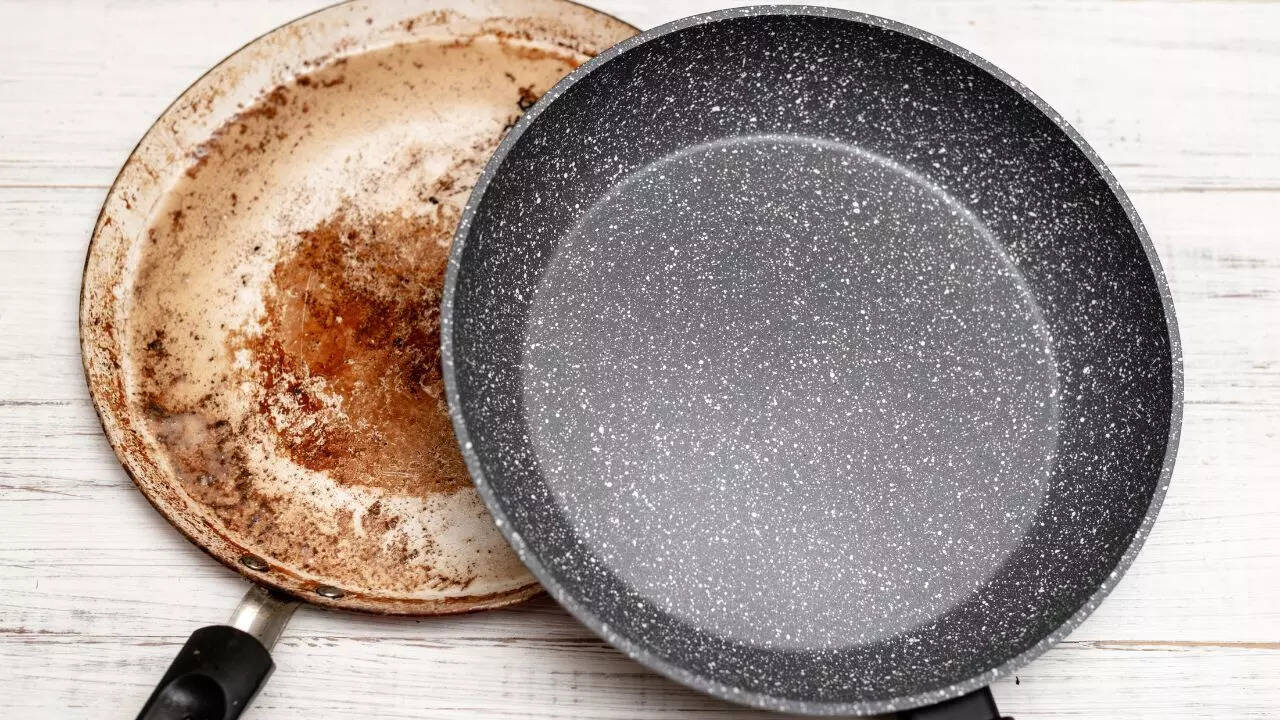
 Scratched or chipped non-stick pans

Non-stick cookware may feel like a kitchen essential, but once it’s scratched, it can leach PFAS (per-and polyfluoroalkyl substances’) aka “forever chemicals” into your food. These chemicals have been linked to liver damage, hormone disruption, infertility, thyroid disease and even cancer.

What to do instead: Ditch damaged non-stick pans and switch to ceramic, stainless steel or cast-iron options for safer cooking.

Artificial sweeteners

Dr. Sethi warns that sweetneners like aspartame, sucralose, and saccharin can negatively affect your gut microbiome, lead to poor glucose control, and trigger sugar cravings.

Some studies even suggest they can alter the way your body responds to actual sugar.

What to do instead: Use natural options like stevia ( in its purest form), raw honey or jaggery but in moderation.

Single use plastic bottles
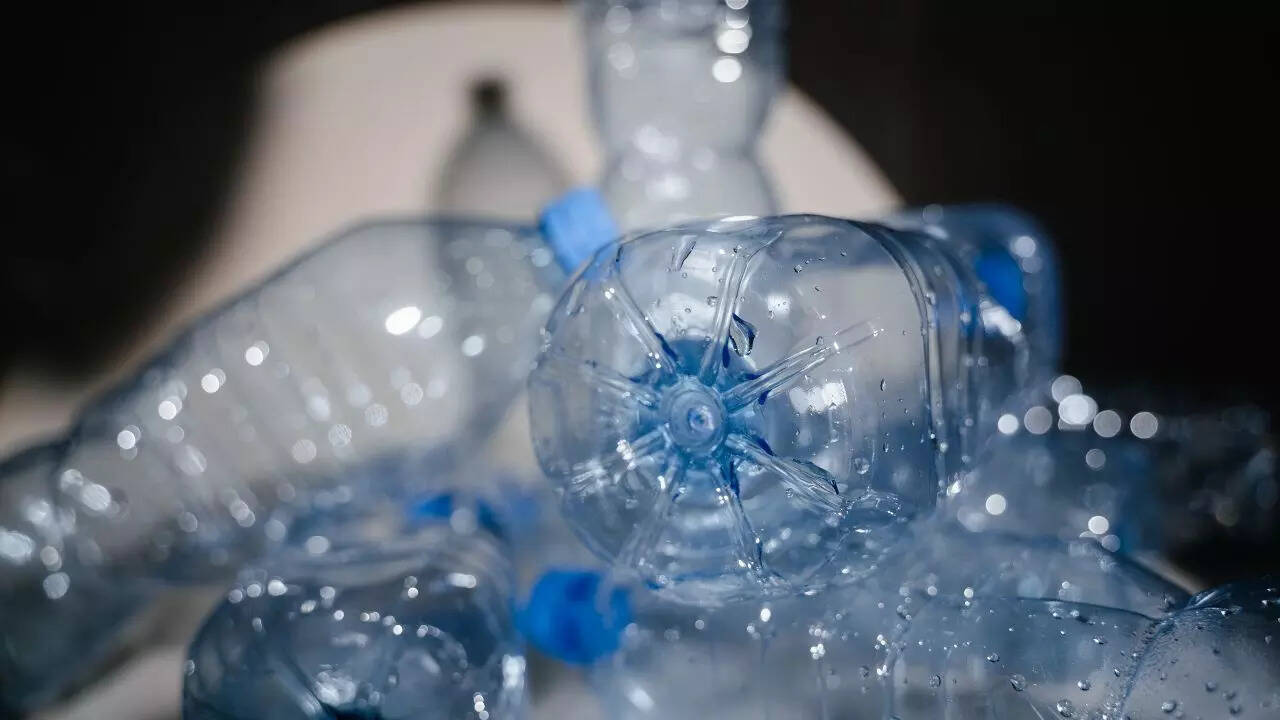
 Single-use plastic bottles

Drinking water from disposable plastic bottle, especially when exposed to heat ir sunlight, can cause microplastics and BPA to leach into the water.  These compounds act as endocrine disturbances, throwing your hormones out of balances and potentially affecting metabolism, fertility and gut health.

What to do instead: Switch to a stainless steel or glass water bottle. It’s better for your health and the planet.

Ultra-processed packaged foods

 Ultra-processed packaged foods

It’s not just about calories. Ultra-processed foods contain a cocktail of preservatives, refined oils, additives and synthetic flavourings that wreak havoc on your gut lining. Dr. Sethi explains that these can cause chronic inflammation, microbiome imbalances and even “ leaky gut syndrome”.

What to instead: Cook with whole foods as much as possible. Avoid ingredient lists you can’t pronounce.

Air fresheners and scented candles

 Air fresheners and scented candles

They may smell like lavender or “ fresh cotton”, but most commercial air fresheners and candles release VOCs ( volatile organic compounds) and phthalates, both of which are linked to respiratory problems, hormone disruptions, and possible long-term damage to the liver and reproductive system.

What to do instead” Use essential oil diffusers, open windows for ventilation or opt for non-toxic soy/ beeswax candles.

Deli-meats

 Deli meats

Cold cuts like salami, bacon, ham and sausages often contain nitrates, nitrites and high levels of sodium and preservatives. These have been directly associated with gut inflammation, insulin resistance and increased risk of colorectal cancer.

What to instead: Eat freshly cooked meats, eggs, paneer, tofu or plant-based proteins instead of processed deli slices.


Antibacterial soaps
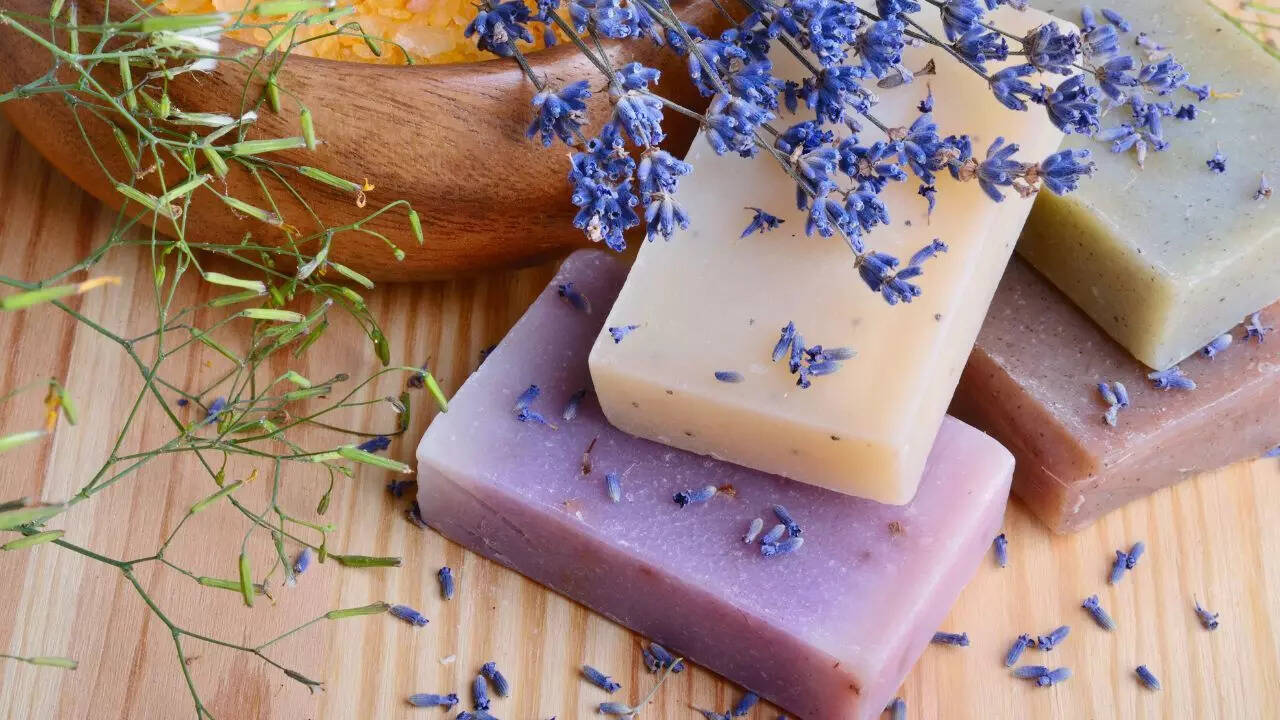
Antibacterial soaps 

Antibacterial soaps, especially those containing triclosan, have been banned in several countries due to their negative health impact. Triclosan not only disrupts your skin’s natural microbiome, but also contributes to antibiotic resistance and hormonal issues.

What to instead” Stick to plain, gentle soaps with no antibacterial marketing hype. Your body knows how to protect itself without harsh chemicals.

Fragrance-heavy laundry detergents and dryer sheets
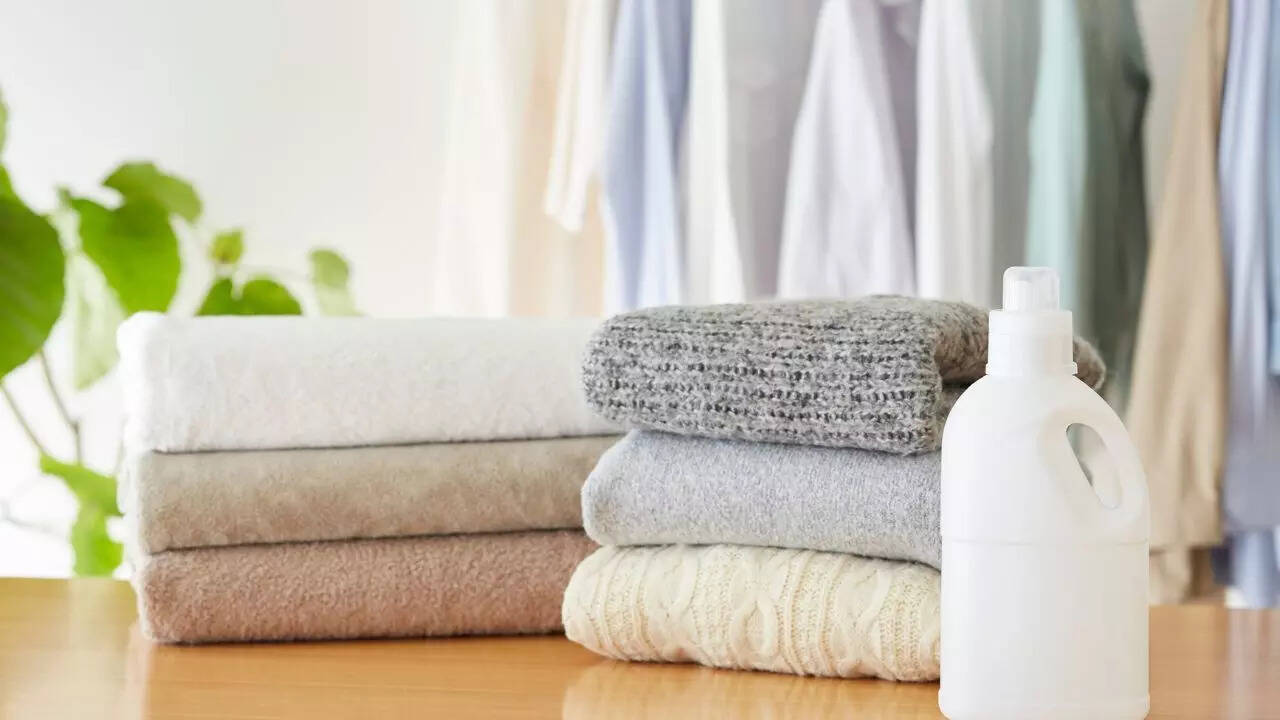
 Fragrance-heavy laundry detergents and dryer sheets

The “ fresh scent” left behind by laundry products often comes from a mix of synthetic chemicals that cling to our clothes and are absorbed through your skin. Over time, they may contribute to skin irritation, hormonal disruption, and low-grade inflammation.

What to do instead” Use fragrance-free or eco-friendly laundry detergents, and skip dryer sheets altogether or replace them with reusable wool dryer balls.

We live in a time when chronic gut issues, bloating, fatigue, skin flare-ups, poor digestion are at an all-time high. And while many of us look to diets and supplements to “fix” the problem, the truth is: The root cause might be your environment. These hidden toxins, while subtle on their own, build up over time, quietly affecting your gut, hormones and immune system. By simply swapping but the most harmful items you can start, cleaner environment that allows your body to heal.

You don’t need to go on a shopping spree or throw out everything today. But you do need to stay aware. These small changes, like replacing a pan, switching a soap, or ditching that artificial sweetener can create real, lasting change in your health. As Dr. Sethi says, “ The first step to healing your gut isn’t adding more, it’s removing what’s harming you”. So next time you’re restocking your kitchen or laundry, read the label. Think twice. Your gut will thank you for it.


This is only for your information, kindly take the advice of your doctor for medicines, exercises and so on.   


Labels: , , , , , , ,

Thursday, August 17, 2023

8 Things You Use Everyday That Can Damage Your Health

While you might take extra care to double clean items that you use regularly, there are certain chemicals that you simply cannot avoid. How come? Well, it’s because they’re ingrained in many of the everyday products that you never think twice about.

1. Store receipts
 
Though it’s second nature to crumple up your receipt and toss it in your wallet or pocket, Will Bulsiewicz, MD, MSCI, board-certified gastroenterologist, warns against touching this proof of purchase. Many receipts are printed on thermal paper, which means that they’re covered in a thin coating of powder that develops the dye needed for the type. He says that “this powder contains BPA, an endocrine-disrupting chemical which has been linked to breast cancer, diabetes, and hormone abnormalities in children.” 
 
He goes on to say that many studies have shown that BPA can be absorbed through the skin, making it important to limit your interaction with this chemical. “If you don’t need a receipt, ask the cashier not to print if it is possible. If you do need it, ask for it to be placed in the bag; don’t place the receipt in a bag with food items, particularly items that are consumed raw. Finally be sure you wash your hands well after handling receipts,” he advises

2. Bug Sprays and Repellents  
 
Though they might prevent bug bites, infectious disease specialist and clinical assistant professor Alexea M. Gaffney-Adams, MD, says that some of the ingredients found in bug sprays may raise an eyebrow, specifically, “organophosphates,” found in herbicides, nerve agents, chemical agents, and pesticides. They’re also known as plasticizers, which are about as scary as it sounds. 
 
Gaffney-Adams explains that “these compounds are readily absorbed through the skin and inhaled. They poison insects – and humans – by disrupting neurotransmitters necessary for proper body functions. They can affect breathing and muscle function and can cause cardiovascular collapse and death in large amounts.” Prolonged exposure to these chemicals has been linked to lung and heart disease, delayed reflexes, and cancers.

3. Laundry Detergent 
 8 Things You Use Everyday That Can Damage Your Health
According to family physician and general practitioner Maskfika N. Alam, MD, you might be surprised to know that washing your clothes can actually be dangerous. In addition to being full of harsh chemicals, “many detergents contain phenol, which can be easily absorbed through your skin and can cause renal and hepatic dysfunction,” she says. 
 
When you’re in doubt, go with an organic brand of laundry detergent, especially if you have eczema, allergies, or sensitive skin. 
 
4. Fire Retardants 
  Meant to keep us safe, fire retardants have actually been linked to infertility, cancer, and other disorders, according to Dr. Bulsiewicz. “They are used in most infant clothing and can be found in foam cushions in sofas and chairs, as well as children’s car seats, nursing pillows, and other upholstered products,” he says. 
 
To avoid coming into contact with fire retardants, make sure that you buy only natural fiber clothing, particularly for children and infants. Furthermore, if you’re looking to upgrade your living room, Bulsiewicz recommends only opting for newer furniture products that contain foam, as most furniture made in America after 2005 does not contain fire retardants.  
 
5. Non-Stick Coated Cookware
8 Things You Use Everyday That Can Damage Your Health
If you need to whip up some miracle recipes, you should opt for non-stick coated cookware pans or casserole dishes. However, Adam S. Gropper, MD, explains that these non-stick coatings can melt when they’re overheated, revealing aluminum that’s super unhealthy when digested. “Ingested aluminum has been linked to Alzheimer’s disease and several cancers. If you see flaking or gauging in your coated cookware, it’s time to replace it,” he advises. 
 
6. Deodorant/Antiperspirant  
Though they are meant to keep you feeling fresh, Dr. Gropper says many formulas utilize aluminum to clot your pores and prevent excessive sweating. Since absorbing aluminum is linked to Alzheimer’s diseases and both prostate and breast cancers, Dr. Gropper recommends trying out natural deodorants instead. 
 
7. Air Fresheners
They might get rid of the stench from the bathroom, but inhaling these chemicals isn’t safe for anyone in your family. The artificial fragrances that are added to air fresheners can irritate your eyes and cause inflammation. Dr. Alam says that “chronic inhalation of phthalates can cause asthma and can damage your lungs.” 
 
 8. Hand Sanitizers and Antibacterial Soap 
 You might think that these products are helping you stay healthy, but they can do more harm than good in the long run. The compound triclosan is found in more than 75% of hand sanitizers and antibacterial soaps, as well as in linens, underwear, gym equipment, and plastic products. “This is another endocrine buster resulting in reproductive toxicity through alterations in hormone regulation according to the FDA,” Dr. Gaffney-Adams explains. 
 
Tricoslan has been linked to allergies, asthma, eczema, and thyroid disease. Furthermore, it’s also a suspected carcinogen, and when you overuse these products, you might build an antibiotic resistance to bacteria, making infections more difficult to treat.

This is only for your information, kindly take the advice of your doctor for medicines, exercises and so on.   

https://gscrochetdesigns.blogspot.com. one can see my crochet creations  
https://gseasyrecipes.blogspot.com. feel free to view for easy, simple and healthy recipes    
https://kneereplacement-stickclub.blogspot.com. for info on knee replacement
https://cancersupportindia.blogspot.com  for infor on cancer and health related topics
https://GSiyers home remedies.blogspot.com   is the latest addition to my blogs. I'm going to add posts there, do give me your valuable feed back on my blogs. Thanks a lot, take care, be healthy and be happy.


Labels: , , , , , , , , , , ,

Thursday, April 09, 2020

Are antibacterial soaps better than regular soaps? We tell you

The coronavirus pandemic has everyone washing their hands and covering their faces with a tissue paper as they sneeze and cough. Sadly, it is something we should all have been practising even without a looming fear of falling prey to COVID19 - as handwashing is the most effective way to reduce the spread of bacteria and viruses. As the hand sanitizers and toilet papers continue to fly off the shelves, people have also begun stocking the good, old soap.

When you shop for soaps and handwash, you must have noticed that there is a variety of soaps. Some fancy ones claim of providing with enough moisture to make your skin as soft as rose petals, while the others boast of antibacterial properties. While we cannot vouch for the claims of either, it is the latter which is problematic.

​What do the antibacterial soaps contain?
Your typical antibacterial soap is said to be more effective in getting rid of the germs and keeping you and your family safe. While the most common antibacterial ingredient in these soaps is said to be triclosan, some may also contain alcohol, benzalkonium chloride and other antibacterial agents. As a result, there is no dearth of people who gravitate towards antibacterial soaps and handwash in a quest to keep the virus and bacteria at bay.

Is there any difference between the regular soap and the antibacterial soap?
The antibacterial soaps and handwashes seem like good options when it comes to lowering the risk of getting sick, spreading germs and getting infected. However, there is a catch. According to the U.S. Food and Drug Administration (FDA), there is “no evidence” that these antibacterial soaps are more effective than the regular ones. Yes, to date there has been no intensive study or research which can prove the benefits of antibacterial soaps and that they do a better job at keeping the germs and microbes away.

Besides the effectiveness of the antimicrobial soaps, the FDA was also concerned whether or not the chemicals and the ingredients present in the soaps were fit for daily use over a long period of time. When manufacturers couldn’t prove either, FDA issued a final rule deeming these ingredients in antibacterial soaps unsafe.

The soap story
The statement read, “The Food and Drug Administration (FDA, we, or the Agency) is issuing this final rule establishing that certain active ingredients used in over-the-counter (OTC) consumer antiseptic products intended for use with water (referred to throughout this document as consumer antiseptic washes) are not generally recognized as safe and effective (GRAS/GRAE) and are misbranded”

Another important factor to be noted that both antibacterial and regular soaps are most effective when warm water is used to build a lather. So, why should we choose a costlier alternative?
 

​The takeaway
While using antibacterial soap may provide you with peace of mind, the golden rule still remains the same i.e. you have to wash your hands thoroughly for at least 30 seconds to get rid of the dirt, grime and germs. If soap and water are not readily available, you can use an alcohol-based hand sanitizer that contains at least 60 per cent alcohol.


This is only for your information, kindly take the advice of your doctor for medicines, exercises and so on.     

https://gscrochetdesigns.blogspot.com. one can see my crochet creations  
https://gseasyrecipes.blogspot.com. feel free to view for easy, simple and healthy recipes    
https://kneereplacement-stickclub.blogspot.com. for info on knee replacement

Labels: , , , , , , ,

Thursday, January 16, 2020

Dangerous Household Items You Should Quit Using Immediately

While you might take extra care to double clean items that you use regularly, there are certain chemicals that you simply cannot avoid. How come? Well, it’s because they’re ingrained in many of the everyday products that you never think twice about.

1. Store Receipts
Though it’s second nature to crumple up your receipt and toss it in your wallet or pocket, Will Bulsiewicz, MD, MSCI, board-certified gastroenterologist, warns against touching this proof of purchase. Many receipts are printed on thermal paper, which means that they’re covered in a thin coating of powder that develops the dye needed for the type. He says that “this powder contains BPA, an endocrine-disrupting chemical which has been linked to breast cancer, diabetes, and hormone abnormalities in children.”

He goes on to say that many studies have shown that BPA can be absorbed through the skin, making it important to limit your interaction with this chemical. “If you don’t need a receipt, ask the cashier not to print if it is possible. If you do need it, ask for it to be placed in the bag; don’t place the receipt in a bag with food items, particularly items that are consumed raw. Finally be sure you wash your hands well after handling receipts,” he advises.


2. Bug Sprays and Repellents

Though they might prevent bug bites, infectious disease specialist and clinical assistant professor Alexea M. Gaffney-Adams, MD, says that some of the ingredients found in bug sprays may raise an eyebrow, specifically, “organophosphates,” found in herbicides, nerve agents, chemical agents, and pesticides. They’re also known as plasticizers, which are about as scary as it sounds.

Gaffney-Adams explains that “these compounds are readily absorbed through the skin and inhaled. They poison insects – and humans – by disrupting neurotransmitters necessary for proper body functions. They can affect breathing and muscle function and can cause cardiovascular collapse and death in large amounts.” Prolonged exposure to these chemicals has been linked to lung and heart disease, delayed reflexes, and cancers.


3. Laundry Detergent

According to family physician and general practitioner Maskfika N. Alam, MD, you might be surprised to know that washing your clothes can actually be dangerous. In addition to being full of harsh chemicals, “many detergents contain phenol, which can be easily absorbed through your skin and can cause renal and hepatic dysfunction,” she says.

When you’re in doubt, go with an organic brand of laundry detergent, especially if you have eczema, allergies, or sensitive skin.

4. Fire Retardants

Meant to keep us safe, fire retardants have actually been linked to infertility, cancer, and other disorders, according to Dr. Bulsiewicz. “They are used in most infant clothing and can be found in foam cushions in sofas and chairs, as well as children’s car seats, nursing pillows, and other upholstered products,” he says.

To avoid coming into contact with fire retardants, make sure that you buy only natural fiber clothing, particularly for children and infants. Furthermore, if you’re looking to upgrade your living room, Bulsiewicz recommends only opting for newer furniture products that contain foam, as most furniture made in America after 2005 does not contain fire retardants.


5. Non-Stick Coated Cookware

If you need to whip up some miracle recipes, you should opt for non-stick coated cookware pans or casserole dishes. However, Adam S. Gropper, MD, explains that these non-stick coatings can melt when they’re overheated, revealing aluminum that’s super unhealthy when digested.

“Ingested aluminum has been linked to Alzheimer’s disease and several cancers. If you see flaking or gauging in your coated cookware, it’s time to replace it,” he advises.

6. Deodorant/Antiperspirant

Though they are meant to keep you feeling fresh, Dr. Gropper says many formulas utilize aluminum to clot your pores and prevent excessive sweating. Since absorbing aluminum is linked to Alzheimer’s diseases and both prostate and breast cancers, Dr. Gropper recommends trying out natural deodorants instead.


7. Air Fresheners

They might get rid of the stench from the bathroom, but inhaling these chemicals isn’t safe for anyone in your family. The artificial fragrances that are added to air fresheners can irritate your eyes and cause inflammation. Dr. Alam says that “chronic inhalation of phthalates can cause asthma and can damage your lungs.”

8. Hand Sanitizers and Antibacterial Soap

You might think that these products are helping you stay healthy, but they can do more harm than good in the long run. The compound triclosan is found in more than 75% of hand sanitizers and antibacterial soaps, as well as in linens, underwear, gym equipment, and plastic products. “This is another endocrine buster resulting in reproductive toxicity through alterations in hormone regulation according to the FDA,” Dr. Gaffney-Adams explains.

Tricoslan has been linked to allergies, asthma, eczema, and thyroid disease. Furthermore, it’s also a suspected carcinogen, and when you overuse these products, you might build an antibiotic resistance to bacteria, making infections more difficult to treat.

9. Mothballs. Naphthalene, found in mothballs and products alike, can destroy red blood cells and has been proven to cause cancer in animals but has not yet been proven to cause cancer in humans.


10. Oven Cleaner. Many of these cleaners contain corrosive alkalis, which can have grave effects on your gastrointestinal track and respiratory system if inhaled or ingested.


11. Furniture Polish and Stain. Non-vegetable, oil-based stains and polishes are not only extremely flammable but contain the chemicals phenol and nitrobenzene, which can be absorbed by your skin and can cause skin cancer.

12. Toilet Bowl Cleaner. The corrosive ingredients that make acidic toilet bowl cleaners clean so well are the same ingredients that can cause burns on skin and eyes. They are also extremely dangerous when mixed with other types of cleaners. 

13. Gas Space Heaters. Gas powered anything releases toxins and using them indoors is extremely dangerous and can lead to carbon monoxide poisoning —a condition that presents very little warning symptoms.

14. Cleaning Solutions. As the biggest offenders on the list, and the most commonly used, it's no secret household cleaners contains hazardous toxins. What's most concerning is it's not required for cleaners to list their ingredients on the bottle, leaving consumers in the dark. Even those claiming to be "green" or "natural."

15. Extension Cords. While an extension cord itself isn't dangerous. The way they are commonly used is. Many people don't realize there is a voltage capacity, and plug in as much as they can—creating a huge fire hazard. This, coupled with using warn out cords and running them under furniture and carpets, is why extension cords are a leading cause of fire in the US.


12. Flaking Paint. Homes built as recently as the late 70s can have interiors covered in lead-based paints—hazardous when the paint starts to flake AND when it's time to repaint. Inhaling these particles can lead to lead poisoning.

This is only for your information, kindly take the advice of your doctor for medicines, exercises and so on.     
https://gscrochetdesigns.blogspot.com. one can see my crochet creations  
https://gseasyrecipes.blogspot.com. feel free to view for easy, simple and healthy recipes    
https://kneereplacement-stickclub.blogspot.com. for info on knee replacement


Labels: , , , , , , , , , , , ,