Thursday, July 29, 2021

7 Common Items Contaminated by Toxic Forever Chemicals

Less than a week ago - on July 22, 2021, the US House passed bipartisan legislation regulating toxic PFAS chemicals in drinking water. The PFAS Action Act of 2021 is the first bill that mandates the regulation of these hazardous chemicals in the environment. But despite their toxic impact on human health, these chemicals can still be found in many common household items. Read on to learn more about the places in your home where you can find these toxic “forever chemicals.”

What are “forever chemicals,” or PFAS? 
 PFAS is the acronym for "polyfluoroalkyl substances," which is a group of 5,000-7,000 artificial substances known for their chemical stability. PFAS don’t break down in contact with oil, water, and heat, which is why so many industries use these chemicals to add stain-resistant, water-resistant, and non-stick coatings to their products. But this stability is also a major bane for living creatures because these materials don’t break down in the environment and end up in the drinking water. 
 
PFAS can cause an abundance of serious health problems in humans, such as cancer, hormonal and reproductive issues, liver and kidney conditions, and immune deficiencies.
 
Unfortunately, many household items, clothing, and self-care items can contain PFAS, which can leech out of these items and be absorbed into the body. Here are 7 places in your home you can expect to find these hazardous “forever chemicals.” 
 
1. Nonstick cookware Items Contaminated by PFAS Nonstick pan

At first glance, nonstick pots and pans, panini presses, and cookie sheets seem like a godsend. But the ease of use of these items may come with unpleasant surprises. PFOA (or as most of us know it - Teflon) was the most common nonstick coating for cookware for decades until it was found that it raises the risk of certain cancers, weakens the immune system, and results in low birth weight. 
 
Teflon is no longer produced, but there are thousands of new PFAS used in its place. Some of those new alternatives have already been found to pose similar health hazards. 
 
Overheating nonstick cookware to a temperature above 570°F (300°C) releases PFAS particles into the air. Inhaling these particles causes polymer fume fever, or "Teflon flu," a condition that manifests itself through fever, weakness, shivering, and a sore throat. 
 
2. Oil-resistant takeout containers and food packaging

Items Contaminated by PFAS takeout
As if many restaurant takeouts and fast food weren’t unhealthy as they are, research from 2020 showed that grease-resistant packaging used at popular fast-food chains like Wendy's, McDonald's, and Burger King also contain PFAS. 
 
Similar concerns have popped up across the globe regarding disposable food packaging and tableware containing forever chemicals. Anything from microwave popcorn to parchment paper to salami was found to contain traces of PFAS. Reduce the amount of these toxic chemicals in your food by reheating foods on your own plates instead of the PFAS packaging they came in.
 
3. Stain-proof furniture and carpeting

Items Contaminated by PFAS dog on carpeting
Be wary of the new trend of stain-resistant carpets and upholstery. The sellers are probably not lying to you - the new rug or couch you bought may very well be super easy to clean - but the price of a clean home may be your health. According to the CDC, fabric coatings that promise to turn your textiles stainproof are often laden with PFAS. 
 
These forever chemicals chip off over time and become part of the house dust you clean, touch, and inhale. Regular cleaning with a damp cloth and preventing pets and kids from chewing on these stainproof textiles will reduce your and your family’s exposure to PFAS.

4. Waterproof outerwear and shoes

Items Contaminated by PFAS outerwear
Water-repellent raincoats, hats, pants, and shoes are often covered by a PFAS coating too. Gore-Tex is famous for producing waterproof camping gear and outerwear, for example, and their fabrics are still using PFAS. Luckily, many clothing brands are producing PFAS-free rainwear and camping gear these days, which is beneficial both for your health and the environment. 
 
5. Cosmetics
Items Contaminated by PFAS mascara
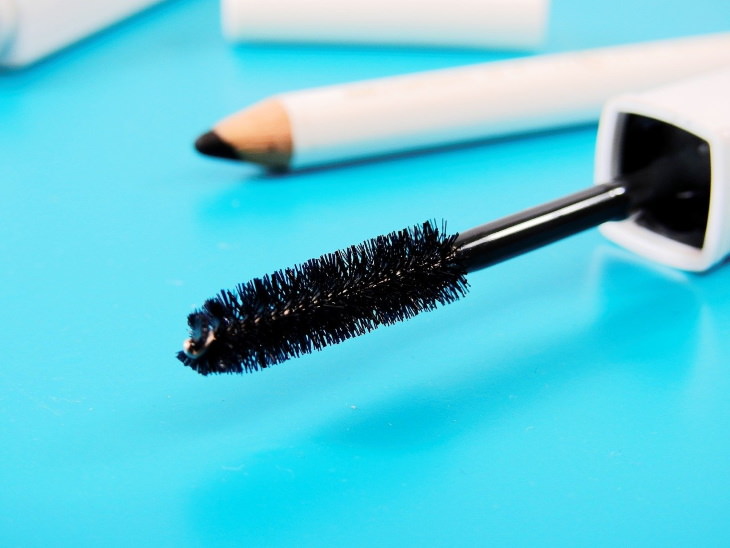
A recent study tested 231 various makeup products, including mascaras, lipsticks, and foundations, and found that more than half of the products contained forever chemicals. Those makeup products that were marketed as waterproof and long-wearing wore more likely to contain PFAS. For example, over 75% of waterproof mascaras tested had indicators of PFAS. 
 
Even more alarmingly, the vast majority of products were not labeled to contain PFAS, which means that companies were keeping consumers completely in the dark about the dangerous substances in their products. 
 
6. Fertilizers

Yes, it’s true, even garden fertilizers are known to contain PFAS. Those who grow plants for food should be especially careful about the type of fertilizer they use in plants, as the forever chemicals can leech into fruits and vegetables. But how does PFAS get into home fertilizers? 
 
Researchers are sure that the chemicals can pile up in the sewers. And since sewage sludge is often the basis for so-called “eco” or “organic” fertilizers, it’s not surprising that a toxicology report from Maine that tested 9 common fertilizers from stores like Lowe's, Home Depot, and Ace, found that eight of them had high amounts of PFAS. 
 
To prevent exposure to PFAS through fertilizers, avoid products that contain the following ingredients: biosolids, residuals, and municipal waste. 
 
7. Paint and varnish
Items Contaminated by PFAS varnish
Last but not least, PFAS are used in abundance in building supplies. The stain- and water resistance of these materials makes them very useful, but this utility comes at the high (and often hidden) cost of one’s wellbeing. Waterproof and washable paint, floor and furniture varnishes, caulking, adhesives, and countless other materials used in construction contain PFAS to improve their spreadability, finish, and longevity. 
 
This is why every construction project should be conducted using proper protective gear, such as gloves and respirators. It’s also the reason why you should clean the home thoroughly to prevent inhaling dust particles contaminated with PFAS.


This is only for your information, kindly take the advice of your doctor for medicines, exercises and so on.   

https://gscrochetdesigns.blogspot.com. one can see my crochet creations  
https://gseasyrecipes.blogspot.com. feel free to view for easy, simple and healthy recipes    
https://kneereplacement-stickclub.blogspot.com. for info on knee replacement


Labels: , , , , , , , , ,

Thursday, January 16, 2020

Dangerous Household Items You Should Quit Using Immediately

While you might take extra care to double clean items that you use regularly, there are certain chemicals that you simply cannot avoid. How come? Well, it’s because they’re ingrained in many of the everyday products that you never think twice about.

1. Store Receipts
Though it’s second nature to crumple up your receipt and toss it in your wallet or pocket, Will Bulsiewicz, MD, MSCI, board-certified gastroenterologist, warns against touching this proof of purchase. Many receipts are printed on thermal paper, which means that they’re covered in a thin coating of powder that develops the dye needed for the type. He says that “this powder contains BPA, an endocrine-disrupting chemical which has been linked to breast cancer, diabetes, and hormone abnormalities in children.”

He goes on to say that many studies have shown that BPA can be absorbed through the skin, making it important to limit your interaction with this chemical. “If you don’t need a receipt, ask the cashier not to print if it is possible. If you do need it, ask for it to be placed in the bag; don’t place the receipt in a bag with food items, particularly items that are consumed raw. Finally be sure you wash your hands well after handling receipts,” he advises.


2. Bug Sprays and Repellents

Though they might prevent bug bites, infectious disease specialist and clinical assistant professor Alexea M. Gaffney-Adams, MD, says that some of the ingredients found in bug sprays may raise an eyebrow, specifically, “organophosphates,” found in herbicides, nerve agents, chemical agents, and pesticides. They’re also known as plasticizers, which are about as scary as it sounds.

Gaffney-Adams explains that “these compounds are readily absorbed through the skin and inhaled. They poison insects – and humans – by disrupting neurotransmitters necessary for proper body functions. They can affect breathing and muscle function and can cause cardiovascular collapse and death in large amounts.” Prolonged exposure to these chemicals has been linked to lung and heart disease, delayed reflexes, and cancers.


3. Laundry Detergent

According to family physician and general practitioner Maskfika N. Alam, MD, you might be surprised to know that washing your clothes can actually be dangerous. In addition to being full of harsh chemicals, “many detergents contain phenol, which can be easily absorbed through your skin and can cause renal and hepatic dysfunction,” she says.

When you’re in doubt, go with an organic brand of laundry detergent, especially if you have eczema, allergies, or sensitive skin.

4. Fire Retardants

Meant to keep us safe, fire retardants have actually been linked to infertility, cancer, and other disorders, according to Dr. Bulsiewicz. “They are used in most infant clothing and can be found in foam cushions in sofas and chairs, as well as children’s car seats, nursing pillows, and other upholstered products,” he says.

To avoid coming into contact with fire retardants, make sure that you buy only natural fiber clothing, particularly for children and infants. Furthermore, if you’re looking to upgrade your living room, Bulsiewicz recommends only opting for newer furniture products that contain foam, as most furniture made in America after 2005 does not contain fire retardants.


5. Non-Stick Coated Cookware

If you need to whip up some miracle recipes, you should opt for non-stick coated cookware pans or casserole dishes. However, Adam S. Gropper, MD, explains that these non-stick coatings can melt when they’re overheated, revealing aluminum that’s super unhealthy when digested.

“Ingested aluminum has been linked to Alzheimer’s disease and several cancers. If you see flaking or gauging in your coated cookware, it’s time to replace it,” he advises.

6. Deodorant/Antiperspirant

Though they are meant to keep you feeling fresh, Dr. Gropper says many formulas utilize aluminum to clot your pores and prevent excessive sweating. Since absorbing aluminum is linked to Alzheimer’s diseases and both prostate and breast cancers, Dr. Gropper recommends trying out natural deodorants instead.


7. Air Fresheners

They might get rid of the stench from the bathroom, but inhaling these chemicals isn’t safe for anyone in your family. The artificial fragrances that are added to air fresheners can irritate your eyes and cause inflammation. Dr. Alam says that “chronic inhalation of phthalates can cause asthma and can damage your lungs.”

8. Hand Sanitizers and Antibacterial Soap

You might think that these products are helping you stay healthy, but they can do more harm than good in the long run. The compound triclosan is found in more than 75% of hand sanitizers and antibacterial soaps, as well as in linens, underwear, gym equipment, and plastic products. “This is another endocrine buster resulting in reproductive toxicity through alterations in hormone regulation according to the FDA,” Dr. Gaffney-Adams explains.

Tricoslan has been linked to allergies, asthma, eczema, and thyroid disease. Furthermore, it’s also a suspected carcinogen, and when you overuse these products, you might build an antibiotic resistance to bacteria, making infections more difficult to treat.

9. Mothballs. Naphthalene, found in mothballs and products alike, can destroy red blood cells and has been proven to cause cancer in animals but has not yet been proven to cause cancer in humans.


10. Oven Cleaner. Many of these cleaners contain corrosive alkalis, which can have grave effects on your gastrointestinal track and respiratory system if inhaled or ingested.


11. Furniture Polish and Stain. Non-vegetable, oil-based stains and polishes are not only extremely flammable but contain the chemicals phenol and nitrobenzene, which can be absorbed by your skin and can cause skin cancer.

12. Toilet Bowl Cleaner. The corrosive ingredients that make acidic toilet bowl cleaners clean so well are the same ingredients that can cause burns on skin and eyes. They are also extremely dangerous when mixed with other types of cleaners. 

13. Gas Space Heaters. Gas powered anything releases toxins and using them indoors is extremely dangerous and can lead to carbon monoxide poisoning —a condition that presents very little warning symptoms.

14. Cleaning Solutions. As the biggest offenders on the list, and the most commonly used, it's no secret household cleaners contains hazardous toxins. What's most concerning is it's not required for cleaners to list their ingredients on the bottle, leaving consumers in the dark. Even those claiming to be "green" or "natural."

15. Extension Cords. While an extension cord itself isn't dangerous. The way they are commonly used is. Many people don't realize there is a voltage capacity, and plug in as much as they can—creating a huge fire hazard. This, coupled with using warn out cords and running them under furniture and carpets, is why extension cords are a leading cause of fire in the US.


12. Flaking Paint. Homes built as recently as the late 70s can have interiors covered in lead-based paints—hazardous when the paint starts to flake AND when it's time to repaint. Inhaling these particles can lead to lead poisoning.

This is only for your information, kindly take the advice of your doctor for medicines, exercises and so on.     
https://gscrochetdesigns.blogspot.com. one can see my crochet creations  
https://gseasyrecipes.blogspot.com. feel free to view for easy, simple and healthy recipes    
https://kneereplacement-stickclub.blogspot.com. for info on knee replacement


Labels: , , , , , , , , , , , ,