Thursday, July 29, 2021

7 Common Items Contaminated by Toxic Forever Chemicals

Less than a week ago - on July 22, 2021, the US House passed bipartisan legislation regulating toxic PFAS chemicals in drinking water. The PFAS Action Act of 2021 is the first bill that mandates the regulation of these hazardous chemicals in the environment. But despite their toxic impact on human health, these chemicals can still be found in many common household items. Read on to learn more about the places in your home where you can find these toxic “forever chemicals.”

What are “forever chemicals,” or PFAS? 
 PFAS is the acronym for "polyfluoroalkyl substances," which is a group of 5,000-7,000 artificial substances known for their chemical stability. PFAS don’t break down in contact with oil, water, and heat, which is why so many industries use these chemicals to add stain-resistant, water-resistant, and non-stick coatings to their products. But this stability is also a major bane for living creatures because these materials don’t break down in the environment and end up in the drinking water. 
 
PFAS can cause an abundance of serious health problems in humans, such as cancer, hormonal and reproductive issues, liver and kidney conditions, and immune deficiencies.
 
Unfortunately, many household items, clothing, and self-care items can contain PFAS, which can leech out of these items and be absorbed into the body. Here are 7 places in your home you can expect to find these hazardous “forever chemicals.” 
 
1. Nonstick cookware Items Contaminated by PFAS Nonstick pan

At first glance, nonstick pots and pans, panini presses, and cookie sheets seem like a godsend. But the ease of use of these items may come with unpleasant surprises. PFOA (or as most of us know it - Teflon) was the most common nonstick coating for cookware for decades until it was found that it raises the risk of certain cancers, weakens the immune system, and results in low birth weight. 
 
Teflon is no longer produced, but there are thousands of new PFAS used in its place. Some of those new alternatives have already been found to pose similar health hazards. 
 
Overheating nonstick cookware to a temperature above 570°F (300°C) releases PFAS particles into the air. Inhaling these particles causes polymer fume fever, or "Teflon flu," a condition that manifests itself through fever, weakness, shivering, and a sore throat. 
 
2. Oil-resistant takeout containers and food packaging

Items Contaminated by PFAS takeout
As if many restaurant takeouts and fast food weren’t unhealthy as they are, research from 2020 showed that grease-resistant packaging used at popular fast-food chains like Wendy's, McDonald's, and Burger King also contain PFAS. 
 
Similar concerns have popped up across the globe regarding disposable food packaging and tableware containing forever chemicals. Anything from microwave popcorn to parchment paper to salami was found to contain traces of PFAS. Reduce the amount of these toxic chemicals in your food by reheating foods on your own plates instead of the PFAS packaging they came in.
 
3. Stain-proof furniture and carpeting

Items Contaminated by PFAS dog on carpeting
Be wary of the new trend of stain-resistant carpets and upholstery. The sellers are probably not lying to you - the new rug or couch you bought may very well be super easy to clean - but the price of a clean home may be your health. According to the CDC, fabric coatings that promise to turn your textiles stainproof are often laden with PFAS. 
 
These forever chemicals chip off over time and become part of the house dust you clean, touch, and inhale. Regular cleaning with a damp cloth and preventing pets and kids from chewing on these stainproof textiles will reduce your and your family’s exposure to PFAS.

4. Waterproof outerwear and shoes

Items Contaminated by PFAS outerwear
Water-repellent raincoats, hats, pants, and shoes are often covered by a PFAS coating too. Gore-Tex is famous for producing waterproof camping gear and outerwear, for example, and their fabrics are still using PFAS. Luckily, many clothing brands are producing PFAS-free rainwear and camping gear these days, which is beneficial both for your health and the environment. 
 
5. Cosmetics
Items Contaminated by PFAS mascara
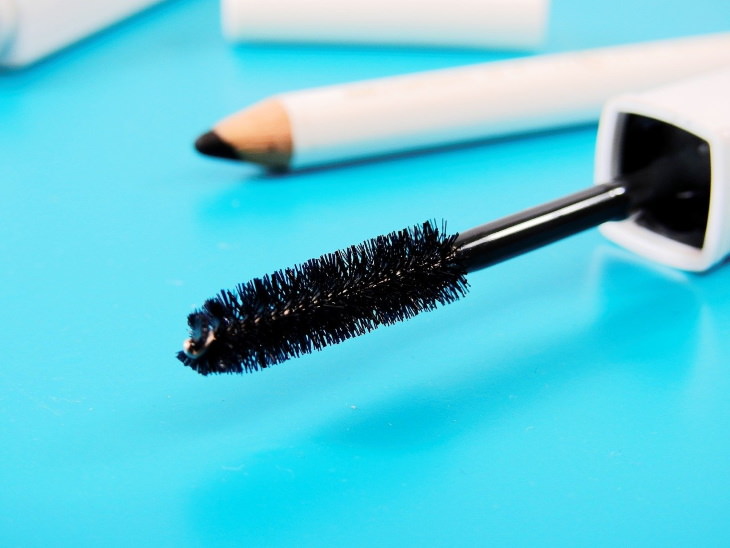
A recent study tested 231 various makeup products, including mascaras, lipsticks, and foundations, and found that more than half of the products contained forever chemicals. Those makeup products that were marketed as waterproof and long-wearing wore more likely to contain PFAS. For example, over 75% of waterproof mascaras tested had indicators of PFAS. 
 
Even more alarmingly, the vast majority of products were not labeled to contain PFAS, which means that companies were keeping consumers completely in the dark about the dangerous substances in their products. 
 
6. Fertilizers

Yes, it’s true, even garden fertilizers are known to contain PFAS. Those who grow plants for food should be especially careful about the type of fertilizer they use in plants, as the forever chemicals can leech into fruits and vegetables. But how does PFAS get into home fertilizers? 
 
Researchers are sure that the chemicals can pile up in the sewers. And since sewage sludge is often the basis for so-called “eco” or “organic” fertilizers, it’s not surprising that a toxicology report from Maine that tested 9 common fertilizers from stores like Lowe's, Home Depot, and Ace, found that eight of them had high amounts of PFAS. 
 
To prevent exposure to PFAS through fertilizers, avoid products that contain the following ingredients: biosolids, residuals, and municipal waste. 
 
7. Paint and varnish
Items Contaminated by PFAS varnish
Last but not least, PFAS are used in abundance in building supplies. The stain- and water resistance of these materials makes them very useful, but this utility comes at the high (and often hidden) cost of one’s wellbeing. Waterproof and washable paint, floor and furniture varnishes, caulking, adhesives, and countless other materials used in construction contain PFAS to improve their spreadability, finish, and longevity. 
 
This is why every construction project should be conducted using proper protective gear, such as gloves and respirators. It’s also the reason why you should clean the home thoroughly to prevent inhaling dust particles contaminated with PFAS.


This is only for your information, kindly take the advice of your doctor for medicines, exercises and so on.   

https://gscrochetdesigns.blogspot.com. one can see my crochet creations  
https://gseasyrecipes.blogspot.com. feel free to view for easy, simple and healthy recipes    
https://kneereplacement-stickclub.blogspot.com. for info on knee replacement


Labels: , , , , , , , , ,

Thursday, January 16, 2020

The Dangers of Aluminum Exposure and 9 Ways To Prevent It

Aluminum is all around us, but it’s when it builds up in excess in the human body, it can become a health threat. Unfortunately, scientific evidence shows that most people are still exposed to too much aluminum, despite the efforts of international regulations to lower global human aluminum exposure. But how does aluminum get into our bodies anyway? Scientists say that the culprit lies in our foods and self-care items, and in this article, we explain how to avoid it.

How Can Aluminum Affect the Health?
tips on how to lower aluminum exposure
Complete avoidance of aluminum is impossible, as this metal is one of the most widespread ones on the planet and it can be found in the soil, water, the food we eat, and even in the air we breathe. Usually, our body is good at washing out excess aluminum through urine, but when exposure to the metal rises, some of the excess aluminum ends up accumulating in the body, which is when it can become dangerous to human health.


This is why many international regulatory bodies, such as the World Health Organization and European Food Safety Authority determined a tolerable weekly aluminum intake of 1 milligram per kilogram (2.2 lbs) of body weight per week. So, for example, if you weight 65 kg (143 lbs), your intake of aluminum should not exceed 65 mg a week

.
Although there is too little evidence regarding the effects of excessive aluminum intake on human health, studies have linked it to the following conditions:
Neurotoxicity, adverse effects on the nervous system.
Alzheimer's disease, with unusually high levels of aluminum found in Alzheimer's patients' brains.
IBD, but only in animal models and in vitro studies.
Breast cancer.


​In a recent large scale study conducted in Germany, researchers found that people typically consume twice the amount of aluminum they should be from food and cosmetics alone, so we thought it might be useful to learn about the ways you can lower your aluminum intake and prevent the development of any potential adverse reactions.


Here are 9 ways that will help you significantly lower your weekly aluminum intake:
1. Cosmetic and Self Care Products
Look at the ingredients in your cosmetic products, especially toothpaste and antiperspirants, as these two categories of products often contain aluminum. In antiperspirants, aluminum is used as an agent that can prevent you from sweating by blocking your pores, but it may be absorbed into your body as well.


The same German study we mentioned earlier even suggested that antiperspirants containing aluminum alone may exceed the recommended weekly exposure to the metal.
On a slightly different note, certain medications, such as antacids, for example, can contain high levels of aluminum, but usually, the benefits of these medications outweigh their risks, so we wouldn't recommend avoiding them, especially if they were prescribed to you by a doctor.


2. Cooking Utensils

Avoid cooking and storing food in uncoated aluminum pots or aluminum foil, as aluminum particles can seep into your food, and then travel into your body. This is particularly true when it comes to highly acidic foods, such as tomato sauces, soups, etc., as well as salty foods, as both salt and plant-derived acids will eat through the foil and utensils faster and aluminum particles will travel into the food.


3. Drinking-Water
As previously mentioned, water can be another source of aluminum exposure, with some areas containing higher levels of aluminum in the soil and water than others. If you know that the water in your area contains high quantities of aluminum, you'll be better off investing in some type of water purification system, i.e. water filters, to protect yourself from the dangers of excessive exposure.


4. Takeaway Boxes
Metal takeaway boxes are so popular, but the thing is that all of them are made of aluminum, so they're not the best way to store food, being pretty much equal to using aluminum foil to wrap up your foods. Try to avoid these boxes and opt for paper takeaway boxes. These are not only biodegradable and kinder to the planet, but they're also better for your health than aluminum or plastic ones.


5. Store-Bought Foods
Buying food in supermarkets is tricky, as you will never know how the food was prepared, what kind of water was used to make the product, and how it was stored. To minimize your aluminum exposure from store-bought products, your best bet is NOT to stick to one brand. Even if some of the foods you buy will contain aluminum, by switching them up with those that potentially don't contain it will help you lower your overall exposure to the metal.


6. Fruit and Vegetables
Most fruit and vegetables will have some aluminum in them naturally, but farmers also add pesticides containing aluminum when they grow plant produce, so make sure to wash all the fruit and veggies you buy thoroughly before adding them to dishes or eating. Apart from that, certain foods, such as spinach, tea leaves, mushrooms, and radishes tend to absorb more aluminum than others, so it's best to either purchase these organic or consume them in moderation.


7. Aluminum Foil and Single-Use Aluminum Baking Pans
Heat is another factor that will cause aluminum particles to seep into your foods, so using aluminum foil or those single-use aluminum tins that are so often used in baking is not the greatest idea if you're planning on minimizing your aluminum intake.


This doesn't mean that you have to forget about grilling meat or vegetables in aluminum foil forever, but do be mindful of the tools you use when you're cooking and don't abuse aluminum cooking equipment.


8. Processed Foods
Another reason why you should stay away from store-bought snacks and processed, packaged foods is because of the chemicals they use to make food last longer and look better. Aluminum is routinely used in food coloring, thickeners and anti-caking ingredients in commercially produced foods. For this reason, get in the habit of preparing homemade snacks and desserts, such as cookies, as commercial products have been suggested in studies to contain more aluminum than homemade foods due to these additives.


9. No Need to Be Afraid of Canned Foods and Drinks
There are plenty of reasons to avoid canned soft drinks, but aluminum exposure is not one of them. There was a study conducted on the quantity of aluminum in canned drinks, and it found that even after 12 months of storage, the concentration of aluminum in the drink was negligible compared to the exposure we get from foods.


Needless to say, we're not urging you to start consuming canned sugary drinks. Instead, we'd just like to say that consuming foods and drinks that come in aluminum cans is safe for your health in terms of their risks of aluminum exposure.


This is only for your information, kindly take the advice of your doctor for medicines, exercises and so on.     
https://gscrochetdesigns.blogspot.com. one can see my crochet creations  
https://gseasyrecipes.blogspot.com. feel free to view for easy, simple and healthy recipes    
https://kneereplacement-stickclub.blogspot.com. for info on knee replacement


Labels: , , , , , , , , , ,

Monday, January 13, 2020

Lead exposure linked to Alzheimer’s disease: ICMR study

Lead exposure can lead to Alzheimer’s - a progressive disease that destroys memory and other important mental function, scientists at the Indian Council of Medical Research-led National Institute of Nutrition (ICMR-NIN) have established through laboratory-based studies.

Lead is a common pollutant that can get into environment from a number of commonly used materials like paints, cosmetics, batteries, glass and low grade toys, and is known to affect the central nervous system after prolonged exposure.

Its role as a risk factor in development of neurodegenerative diseases is also established through various studies globally.

“Recent lab-based studies conducted at ICMR-NIN have now established the possible link between lead exposure and Alzheimer’s disease,” said ICMR in a statement.

A team led by ICMR- NIN’s senior scientist Dr Suresh Challa has shown the molecular mechanism involved in the development of lead induced Alzheimer’s disease through in vitro studies.

“In fact, Alzheimer’s Disease has a complex pathophysiology which involves initially formation of beta amyloid plaques and tangles in the brain. In addition, oxidative stress and inflammation are known to be involved in the progression of the disease, with loss of memory and neuronal cell death. In this scenario, our study investigated the basic molecular mechanism behind the involvement of lead in Alzheimer’s disease,” said Dr Challa

The scientists simulated brain cells in vitro with beta amyloid peptides like in Alzheimer’s disease and the effect of lead exposure was then studied. It showed increased cell death and increased levels of pro-apoptotic marker proteins.

Also, the proteins involved in neurodevelopment and regeneration have depleted. Such effects led to decreased expression levels of synaptophysin (membrane protein), finally leading to loss of memory as in Alzheimer’s disease.

“Maternal exposure to lead during pregnancy can cause developmental reprogramming which can lead to higher risk and early onset of Alzheimer’s disease in later life of the child. Since lead exposure is an important public health concern, the current findings could be another piece in solving the puzzle towards understanding the intracellular mechanism of Alzheimer’s disease. Such findings may as well help in developing preventive and management strategies for elderly,” said Dr R Hemalatha, director, ICMR-NIN.

this is only for your information, kindly take the advice of your doctor for medicines, exercises and so on.     
https://gscrochetdesigns.blogspot.com. one can see my crochet creations  
https://gseasyrecipes.blogspot.com. feel free to view for easy, simple and healthy recipes    
https://kneereplacement-stickclub.blogspot.com. for info on knee replacement
 

Labels: , , , , , , , , , , , , ,

Saturday, January 04, 2020

Why some creams and cosmetics lead to skin rashes

Several different chemical compounds found in creams and cosmetics can cause allergic reactions on the skin, but how the reaction gets triggered has been a mystery. However, now  a study has suggested possible reasons why some chemicals trigger dermatitis.

The researchers explained the way some chemicals displace natural fat-like molecules ( called lipids) in skin cells.


Poison ivy is a common known trigger for allergic contact dermatitis, an itchy skin rash. But many ingredients found in non-prescription topical products can trigger a similar type of rash.


An allerrgic reaction begins when the immune system's T-cells recognise a chemical as foreign. 


T-cells do not directly recognise small chemicals and research suggests that these compounds need to undergo a chemical reaction with larger proteins in order to make themselves visible to T cells.

However, many small compounds in skincare products that trigger allergic contact dermatitis lack the chemical groups needed for this reaction to occur, says a researcher.


These small chemicals should be invisible to T cells, but they're not, he added.


The research team suspects a molecule- CD1a, which is abundant on Langerhans cells ( immune cells in the skin's outer layer), might be responsible for making these chemicals visible to T cells.


In the current study, the researchers found that several common chemicals known to trigger allergic contact dermatitis were able to bind to CD1a molecules on the surface of Langerhans cells and activate T cells.


These chemicals included Balsam of Peru and farnesol, which are found in many personal care products, such as skin creams, toothpaste and fragrances.


Our work shows how these chemicals can activate T cells in tissue culture, but we have to eb cautious about claiming that this is definitively how it works in allergic patients, he said.


 He further stated, the study does pave the way for follow-up studies to confirm he mechanism in allergic patients and design inhibitors of the response.


The only solution that is currently found to stop allergic contact dermatitis is to identify and avoid contact with the offending chemical. If prone to rashes, topical ointments can help soothe the rashes, which usually clears up in less than a month.


In severe cases, physicians may prescribe oral corticosteroids, anti-inflammatory agents that suppress the immune system, increasing the risk of infections and other side-effects.


this is only for your information, kindly take the advice of your doctor for medicines, exercises and so on.     
https://gscrochetdesigns.blogspot.com. one can see my crochet creations  
https://gseasyrecipes.blogspot.com. feel free to view for easy, simple and healthy recipes    
https://kneereplacement-stickclub.blogspot.com. for info on knee replacement
 

Labels: , , , , , , ,

Saturday, November 30, 2019

9 Common Myths about Ovarian Cancer

When it comes down to your gynecologic health, you want to stay informed, and with so many resources online, not to mention the opinions of family members and friends, there’s a lot of information available out there. However, common wisdom can be dangerous if it’s wrong and leads you to ignore symptoms or give up hope after diagnosis. Below are 9 ovarian cancer myths that you really need to ignore.

1. Talcum Powder or Cosmetics Cause Ovarian Cancer

You have probably heard about lawsuits that allege that products containing talc cause ovarian cancer, but you shouldn’t get drawn into the hype, says Steve Vasilev, MD, medical director of integrative gynecologic oncology at Providence Saint John’s Health Center and a professor at the John Wayne Cancer Institute. He explains that “this current scare is based on observational and case studies alone. There really isn’t any good science showing that talc causes ovarian cancer.” So, while we’re waiting for better research to be carried out, it’s fine to steer clear of talc products if it makes you feel better, but there’s no need to give up your favorite face powder yet if you don’t want to.


2. If You Have a Family History of Ovarian Cancer Then You’re Doomed to Get It
Much is made of a woman’s family history when it comes down to ovarian and breast cancer – so much so that some women with a strong family history might feel that it’s their destiny to get it, so there isn’t really any point in trying to prevent it. However, Dr. Vasilev says that heredity only accounts for a mere 10% of cases. The biggest risk factor for ovarian cancer? Having ovaries. This is why all women need to be aware of ovarian cancer symptoms and keep current on check-ups.

3. If There’s No Family History of Ovarian Cancer Then You Don’t Have to Worry
If genetics only account for 10% of the most common type of ovarian cancer, then that means 90% are “sporadic.” Rather than simply look at family history, Dr. Vasilev says that women need to be aware of all potential ovarian cancer risk factors. Diabetes, obesity, not breastfeeding, never being pregnant, eating a diet high in fat, and smoking can all increase your risk of getting ovarian cancer. However, the biggest number one risk factor is your age – more than half of all ovarian cancer cases are diagnosed in women over the age of 60.


4. An Annual Pap Smear Test Will Catch Ovarian Cancer
Dr. Vasilev says that “pap smears are only designed to catch cervical cancer.” In other words, there’s not a single screening test for ovarian cancer. “Right now the CA125 blood test and a pelvic ultrasound are the standard but they’re unreliable,” he explains, adding that there are a number of promising new tests in development that will hopefully be available in the next few years.

5. There Are No Early Symptoms of Ovarian Cancer
There are early symptoms of ovarian cancer, but the problem is they’re pretty generic, often leading to women being diagnosed with gastrointestinal issues or menstrual cramps. These misdiagnoses are the reason that this cancer isn’t often caught until it’s stage 3, meaning it has spread throughout the body. So, if you have any symptoms of ovarian cancer, including chronic bloating, sudden changes in bowel or urine habits, abdominal or pelvic pain, pain during sex, rapid weight loss, or indigestion, insist on getting your ovaries tested just to be on the safe side.

6. You Cannot Prevent Ovarian Cancer
“There’s a lot a good diet and exercise can do to prevent ovarian cancer and many other cancers,” says Dr. Vasilev. Eating nutritious food – he suggests a Mediterranean diet based around fresh fruits and vegetables, whole grains, and fish – and getting a daily workout can boost your immune system and decrease inflammation, helping to protect you against cancer. Furthermore, these will help reduce obesity, which is another major risk factor for cancer that is under your control.


7. Ovarian Cancer is a Death Sentence
Dr. Vasilev says that “some women hear ‘ovarian cancer’ and just give up without trying to treat it, but even though most of the time it’s advanced, there are still things we can. Treatments have come a long way in the past few years.” Since this particular type of cancer is difficult to detect in the early stages, it’s often not found until it’s stage 3, which usually translates to a 15% survival rate. However, this is misleading because surgery, chemotherapy, and new biological treatments can raise the survival rate to 50%.

8. Ovarian Cysts Can Turn into Cancer
Having a growth on your ovary, even if you’re told that it’s benign, can be scary, but rest assured as Dr. Vasilev says that cysts almost never turn cancerous, nor do conditions such as polycystic ovarian syndrome increase your risk of cancer.

9. The HPV Vaccine Protects against Ovarian Cancer
The HPV vaccine protects against the most common strains of the HPV, which are all unrelated to ovarian cancer. However, it’s still a good vaccine to get, especially for teenagers, as it protects against cervical cancer.

this is only for your information, kindly take the advice of your doctor for medicines, exercises and so on.     
https://gscrochetdesigns.blogspot.com. one can see my crochet creations  
https://gseasyrecipes.blogspot.com. feel free to view for easy, simple and healthy recipes    
https://kneereplacement-stickclub.blogspot.com. for info on knee replacement


Labels: , , , , , , , , , , , ,