Sunday, August 02, 2026

Smoking Is NOT The Only Thing To Affect Your Lungs: 5 Shocking Habits That Cause Lung Disease

When people talk about diseases of the lung, including lung cancer, chronic obstructive pulmonary disease, etc, the mention of smoking as a leading cause is mandatory. While smoking is the number one risk factor for chronic lung disease, pulmonologists are now seeing an increasing number of people with decreased lung capacity who have never been smokers. Scientific evidence points out that a variety of factors associated with contemporary lifestyle, exposure and routine activities might have an influence on lung functioning without any noticeable symptoms like coughing or shortness of breath. 

Healthy lungs are not only reliant on refraining from smoking cigarettes. Respiratory health is also impacted by multiple factors like indoor air, the substances we burn at home, physical activity, workplace exposures, and even newer habits like vaping. As more research is being carried out to reveal previously unknown reasons that are behind lung injury, it's also becoming clearer that the lungs' protection starts with everyday decisions we make. Dr Shivaraj A L, Lead Consultant and HOD - Pulmonology, Aster Whitefield Hospital, shares 5 lifestyle-related causes of lung damage that deserve far more attention.



While most pay attention to outdoor air pollution, they are not aware about indoor air pollution, which affects them as 90% of their time is spent indoors. There have been several studies pointing out the presence of dangerous particulate matter levels, as well as volatile organic compounds, formaldehyde, and nitrogen dioxide – produced from indoor cooking, incense sticks, candles, mosquito  coils, aerosol sprays, and poor ventilation systems. 

Some recent systematic reviews have established an increased risk of lung cancer due to long-term exposure to these indoor air pollutants, even among non-smokers. The simple steps to take to reduce the risk include increasing cross-ventilation during cooking, using a chimney exhaust system if there is one available, and not burning incense or mosquito coils in closed rooms. It is recommended to reduce the number of aerosol cleaning products as well.
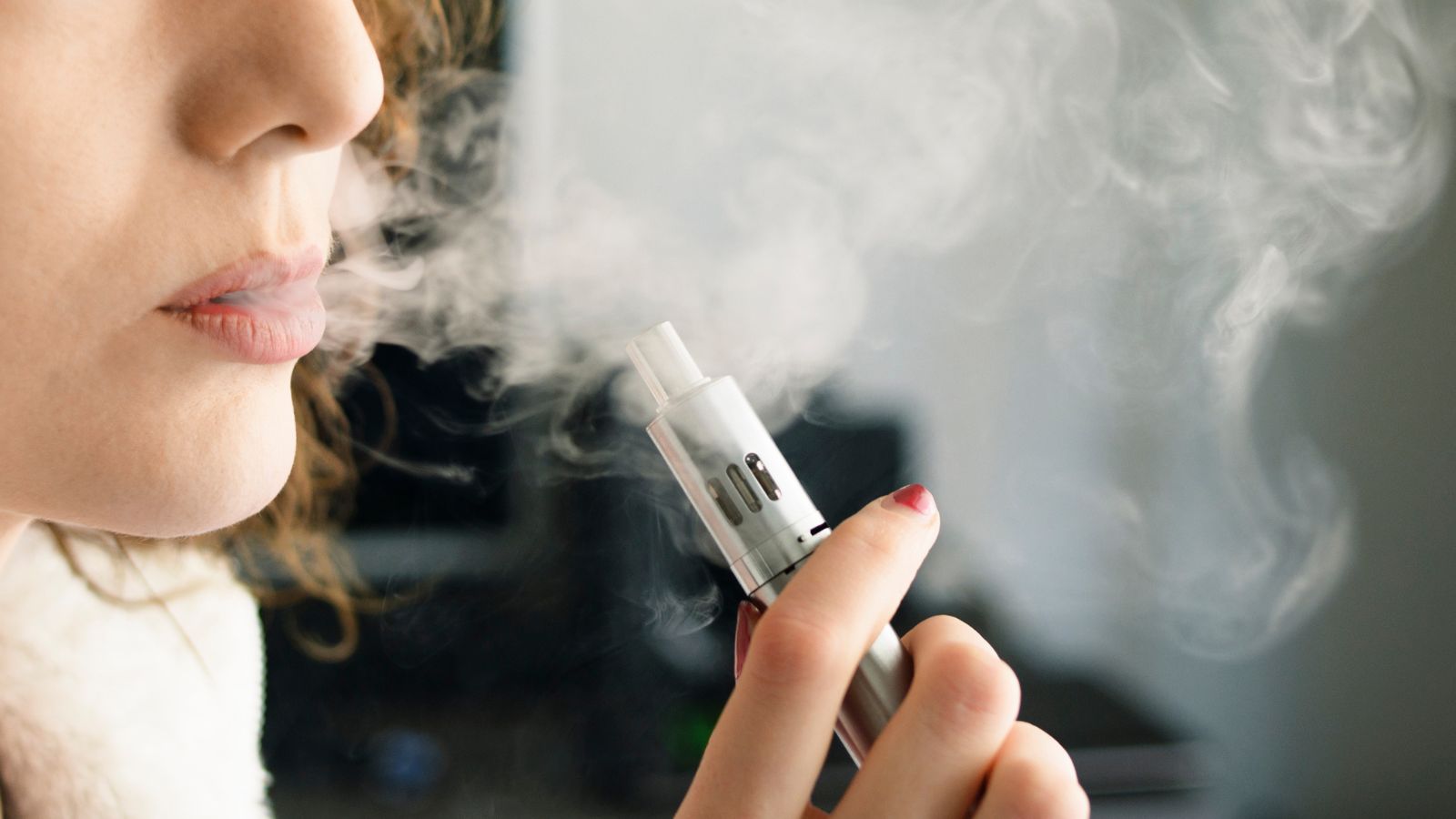
 Thailand prohibits e-cigarettes, with violators facing heavy fines and the possibility of up to five years in prison in serious cases.

 Vaping Because It "Feels Safer"
Smoking a cigarette is on a decline, but vaping is taking its place, mainly among the younger generation. Vaping still results in lung damage. A study published in January 2025 looked at data from 119 articles and reported that vaping increases the likelihood of respiratory symptoms, airway inflammation and asthmatic complications. Those who vaped and smoked cigarettes together have an even higher risk of developing respiratory diseases. What's more, vapors of e-cigarettes have microscopic particles, heavy metals, and flavoring chemicals that can get into the lower lobes of the lungs. An easy solution: The healthiest decision is not to smoke or vape at all.

Living a Sedentary Lifestyle
Physical inactivity is usually not a lung health topic that comes up often when people are talking about it. But staying physically active, in particular doing a mix of different types of workouts, can help maintain the respiratory muscles' capacity; it can expand your lungs, enhance your breathing ability so that you are better able to take in and give out oxygen, and it can also clear your airways from mucus, among other things. 
Conversely, long periods where you are seated or having a sedentary lifestyle result in worsening cardiovascular and lung fitness, making breathing feel inefficient and uncomfortable, which in turn increases the risks of chronic illnesses that have a lung-damaging effect through an indirect mechanism. In those with asthma or COPD, inactivity commonly results in rapid physical deconditioning such that breathlessness, the ability to exercise, and ultimately the movement all get progressively worse to form that miserable loop. Easiest way out? Simply try to reach a moderate-level physical activity goal of at least 150 minutes once in a week. To be honest and sincere, even fast walking can be very beneficial for improving lung capacity, breathing, and overall physical fitness.


 Burning Incense, Scented Candles and Mosquito Coils
Incense sticks are often used after prayers or scented candles to keep a pleasant aroma in the house. Since these products smell good, people generally don't consider them as hazardous. There is another side of the story that research reveals. Burning incense can be a source of fine particulate matter such as PM2.5, carbon monoxide, benzene, formaldehyde and other VOCs that can reach deep into the lungs. New findings have explained that long-term exposure to such pollutants can bring the development of asthma, allergies, airway inflammation and lung cancer with high probability, mostly in homes that are not properly ventilated.

 
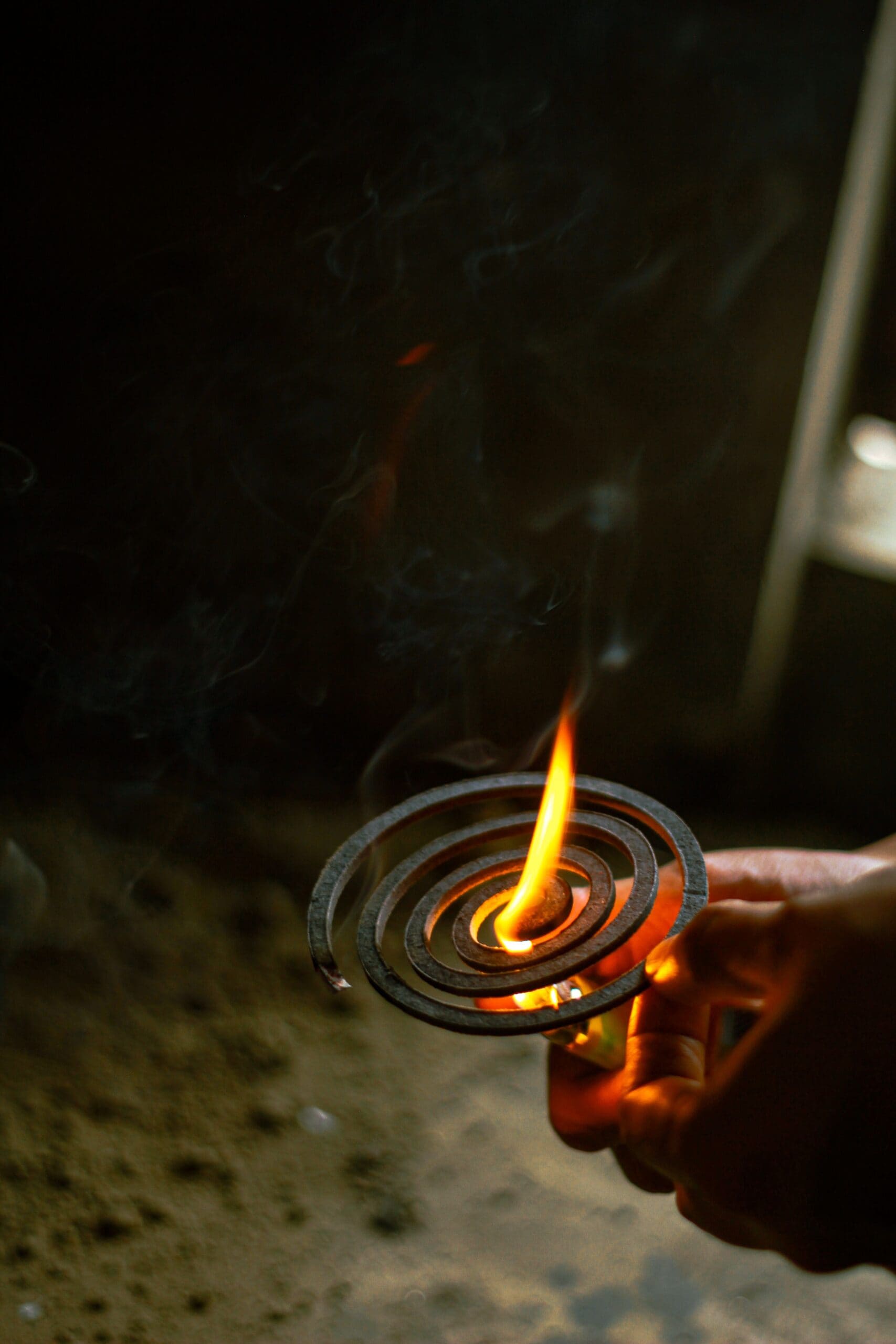
Studies show that mosquito coils generate an amount of particulate matter similar to that of dozens of cigarettes during a single evening, which makes the issue of prolonged exposure another respiratory hazard not to be overlooked. So simple solution: use these things occasionally and don't forget to get good enough air circulation. 
 
 Delhi Police Issues Traffic Advisory For AI Impact Summit 2026: Routes To Avoid
 
Ignoring Occupational Exposure Outside Traditional High-Risk Jobs
The average construction worker and miner has recognised occupational lung disease and is at no risk. But virtually any profession that appears to be "safe" may have workers who have sustained chronic dust exposure, diesel exhaust, solvents, disinfectants, welding fumes, silica, etc. People in the salon breathe in the chemicals they are spraying in aerosol; professional cleaners breathe in the disinfectant sprays, bakers breathe in the flour dust, and even traffic policemen and delivery people take in a lot of emissions from vehicles.  

 Repeated low-intensity exposures lead to chronic inflammation of the airways and are thought to result in disease states like asthma, chronic bronchitis and eventually lead to irreversible lung damage. A simple fix is to use the proper respiratory protection, better ventilation at the workplace and a monthly check-up should be the norm.


This is only for your information, kindly take the advice of your doctor for food, medicines, exercises and so on.   


Labels: , , , , , , ,

Wednesday, August 06, 2025

8 everyday toxins that could be silently damaging your gut, liver, and hormones

We spend hours obsessing over clean eating, fitness routines, and gut-boosting supplements. But according to Dr. Saurabh Sethi, a gastroenterologist and liver specialist, the real damage to your health might be coming from something far more basic, the products you use every single day. In a recent post that’s gone viral, he listed 8 common household items that are quietly messing with your gut, liver, hormones and immune system. And no, this isn’t a feat-mongering detox checklist, it’s a science-backed reminder that some of our most “normal” habits are far from harmless. Let’s break down the full list and what you should be doing instead.

8 common household items to ditch for better health

Scratched or chipped non-stick pans.

 Scratched or chipped non-stick pans

Non-stick cookware may feel like a kitchen essential, but once it’s scratched, it can leach PFAS (per-and polyfluoroalkyl substances’) aka “forever chemicals” into your food. These chemicals have been linked to liver damage, hormone disruption, infertility, thyroid disease and even cancer.

What to do instead: Ditch damaged non-stick pans and switch to ceramic, stainless steel or cast-iron options for safer cooking.

Artificial sweeteners

Dr. Sethi warns that sweetneners like aspartame, sucralose, and saccharin can negatively affect your gut microbiome, lead to poor glucose control, and trigger sugar cravings.

Some studies even suggest they can alter the way your body responds to actual sugar.

What to do instead: Use natural options like stevia ( in its purest form), raw honey or jaggery but in moderation.

Single use plastic bottles

 Single-use plastic bottles

Drinking water from disposable plastic bottle, especially when exposed to heat ir sunlight, can cause microplastics and BPA to leach into the water.  These compounds act as endocrine disturbances, throwing your hormones out of balances and potentially affecting metabolism, fertility and gut health.

What to do instead: Switch to a stainless steel or glass water bottle. It’s better for your health and the planet.

Ultra-processed packaged foods

 Ultra-processed packaged foods

It’s not just about calories. Ultra-processed foods contain a cocktail of preservatives, refined oils, additives and synthetic flavourings that wreak havoc on your gut lining. Dr. Sethi explains that these can cause chronic inflammation, microbiome imbalances and even “ leaky gut syndrome”.

What to instead: Cook with whole foods as much as possible. Avoid ingredient lists you can’t pronounce.

Air fresheners and scented candles

 Air fresheners and scented candles

They may smell like lavender or “ fresh cotton”, but most commercial air fresheners and candles release VOCs ( volatile organic compounds) and phthalates, both of which are linked to respiratory problems, hormone disruptions, and possible long-term damage to the liver and reproductive system.

What to do instead” Use essential oil diffusers, open windows for ventilation or opt for non-toxic soy/ beeswax candles.

Deli-meats

 Deli meats

Cold cuts like salami, bacon, ham and sausages often contain nitrates, nitrites and high levels of sodium and preservatives. These have been directly associated with gut inflammation, insulin resistance and increased risk of colorectal cancer.

What to instead: Eat freshly cooked meats, eggs, paneer, tofu or plant-based proteins instead of processed deli slices.


Antibacterial soaps

Antibacterial soaps 

Antibacterial soaps, especially those containing triclosan, have been banned in several countries due to their negative health impact. Triclosan not only disrupts your skin’s natural microbiome, but also contributes to antibiotic resistance and hormonal issues.

What to instead” Stick to plain, gentle soaps with no antibacterial marketing hype. Your body knows how to protect itself without harsh chemicals.

Fragrance-heavy laundry detergents and dryer sheets

 Fragrance-heavy laundry detergents and dryer sheets

The “ fresh scent” left behind by laundry products often comes from a mix of synthetic chemicals that cling to our clothes and are absorbed through your skin. Over time, they may contribute to skin irritation, hormonal disruption, and low-grade inflammation.

What to do instead” Use fragrance-free or eco-friendly laundry detergents, and skip dryer sheets altogether or replace them with reusable wool dryer balls.

We live in a time when chronic gut issues, bloating, fatigue, skin flare-ups, poor digestion are at an all-time high. And while many of us look to diets and supplements to “fix” the problem, the truth is: The root cause might be your environment. These hidden toxins, while subtle on their own, build up over time, quietly affecting your gut, hormones and immune system. By simply swapping but the most harmful items you can start, cleaner environment that allows your body to heal.

You don’t need to go on a shopping spree or throw out everything today. But you do need to stay aware. These small changes, like replacing a pan, switching a soap, or ditching that artificial sweetener can create real, lasting change in your health. As Dr. Sethi says, “ The first step to healing your gut isn’t adding more, it’s removing what’s harming you”. So next time you’re restocking your kitchen or laundry, read the label. Think twice. Your gut will thank you for it.


This is only for your information, kindly take the advice of your doctor for medicines, exercises and so on.   


Labels: , , , , , , ,