Sunday, August 02, 2026

Smoking Is NOT The Only Thing To Affect Your Lungs: 5 Shocking Habits That Cause Lung Disease

When people talk about diseases of the lung, including lung cancer, chronic obstructive pulmonary disease, etc, the mention of smoking as a leading cause is mandatory. While smoking is the number one risk factor for chronic lung disease, pulmonologists are now seeing an increasing number of people with decreased lung capacity who have never been smokers. Scientific evidence points out that a variety of factors associated with contemporary lifestyle, exposure and routine activities might have an influence on lung functioning without any noticeable symptoms like coughing or shortness of breath. 

Healthy lungs are not only reliant on refraining from smoking cigarettes. Respiratory health is also impacted by multiple factors like indoor air, the substances we burn at home, physical activity, workplace exposures, and even newer habits like vaping. As more research is being carried out to reveal previously unknown reasons that are behind lung injury, it's also becoming clearer that the lungs' protection starts with everyday decisions we make. Dr Shivaraj A L, Lead Consultant and HOD - Pulmonology, Aster Whitefield Hospital, shares 5 lifestyle-related causes of lung damage that deserve far more attention.
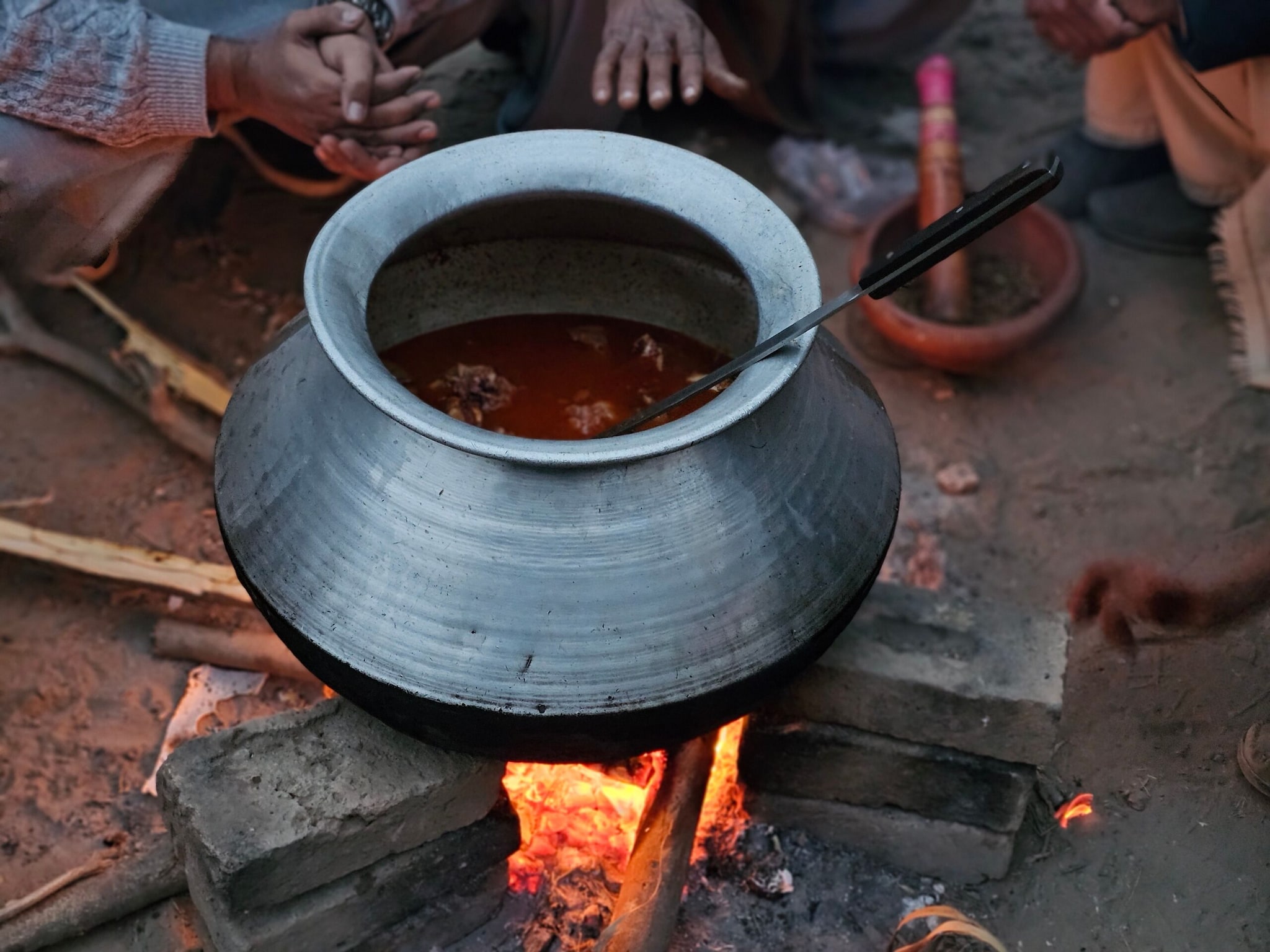


While most pay attention to outdoor air pollution, they are not aware about indoor air pollution, which affects them as 90% of their time is spent indoors. There have been several studies pointing out the presence of dangerous particulate matter levels, as well as volatile organic compounds, formaldehyde, and nitrogen dioxide – produced from indoor cooking, incense sticks, candles, mosquito  coils, aerosol sprays, and poor ventilation systems. 

Some recent systematic reviews have established an increased risk of lung cancer due to long-term exposure to these indoor air pollutants, even among non-smokers. The simple steps to take to reduce the risk include increasing cross-ventilation during cooking, using a chimney exhaust system if there is one available, and not burning incense or mosquito coils in closed rooms. It is recommended to reduce the number of aerosol cleaning products as well.
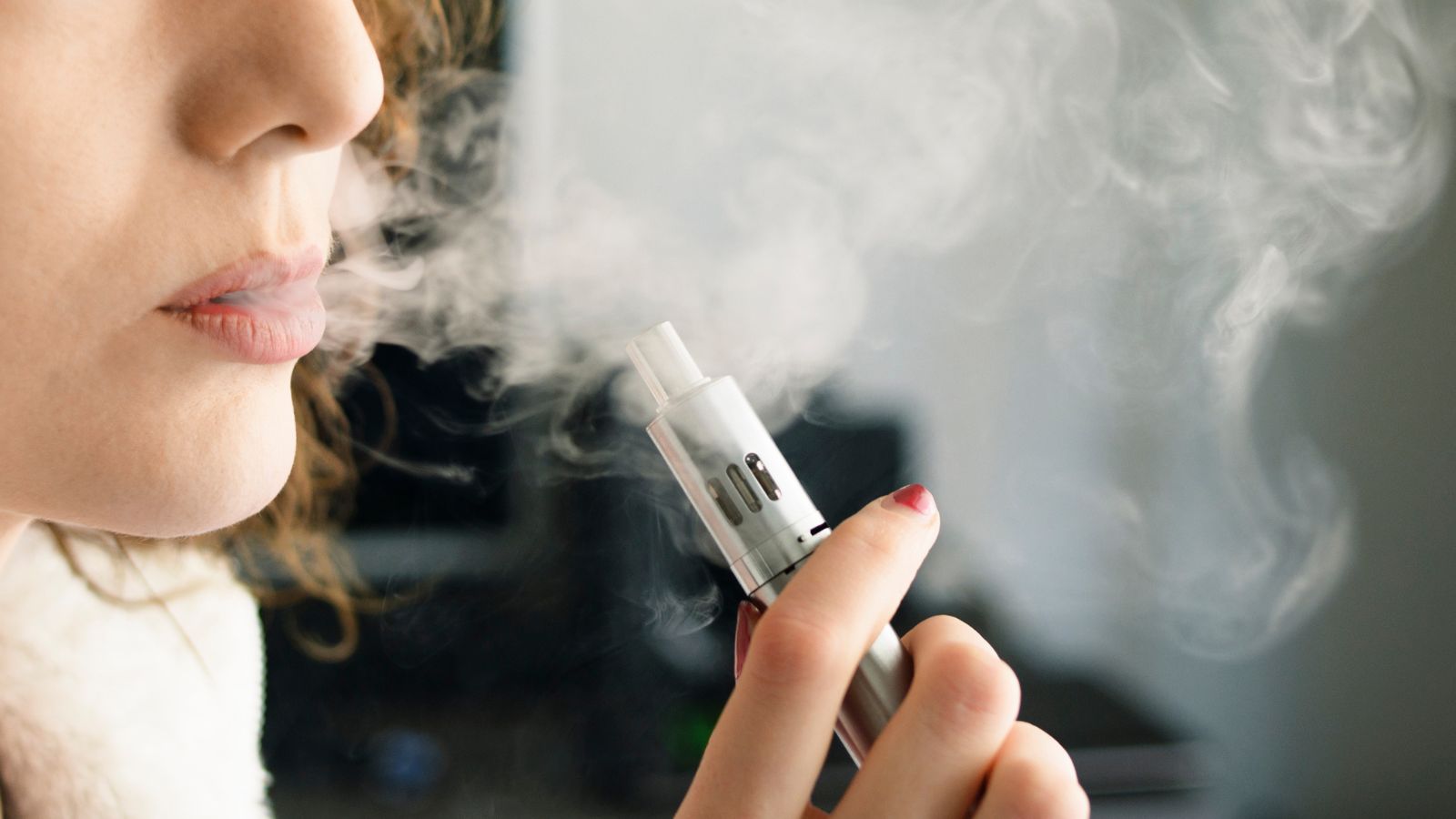
 Thailand prohibits e-cigarettes, with violators facing heavy fines and the possibility of up to five years in prison in serious cases.

 Vaping Because It "Feels Safer"
Smoking a cigarette is on a decline, but vaping is taking its place, mainly among the younger generation. Vaping still results in lung damage. A study published in January 2025 looked at data from 119 articles and reported that vaping increases the likelihood of respiratory symptoms, airway inflammation and asthmatic complications. Those who vaped and smoked cigarettes together have an even higher risk of developing respiratory diseases. What's more, vapors of e-cigarettes have microscopic particles, heavy metals, and flavoring chemicals that can get into the lower lobes of the lungs. An easy solution: The healthiest decision is not to smoke or vape at all.

Living a Sedentary Lifestyle
Physical inactivity is usually not a lung health topic that comes up often when people are talking about it. But staying physically active, in particular doing a mix of different types of workouts, can help maintain the respiratory muscles' capacity; it can expand your lungs, enhance your breathing ability so that you are better able to take in and give out oxygen, and it can also clear your airways from mucus, among other things. 
Conversely, long periods where you are seated or having a sedentary lifestyle result in worsening cardiovascular and lung fitness, making breathing feel inefficient and uncomfortable, which in turn increases the risks of chronic illnesses that have a lung-damaging effect through an indirect mechanism. In those with asthma or COPD, inactivity commonly results in rapid physical deconditioning such that breathlessness, the ability to exercise, and ultimately the movement all get progressively worse to form that miserable loop. Easiest way out? Simply try to reach a moderate-level physical activity goal of at least 150 minutes once in a week. To be honest and sincere, even fast walking can be very beneficial for improving lung capacity, breathing, and overall physical fitness.


 Burning Incense, Scented Candles and Mosquito Coils
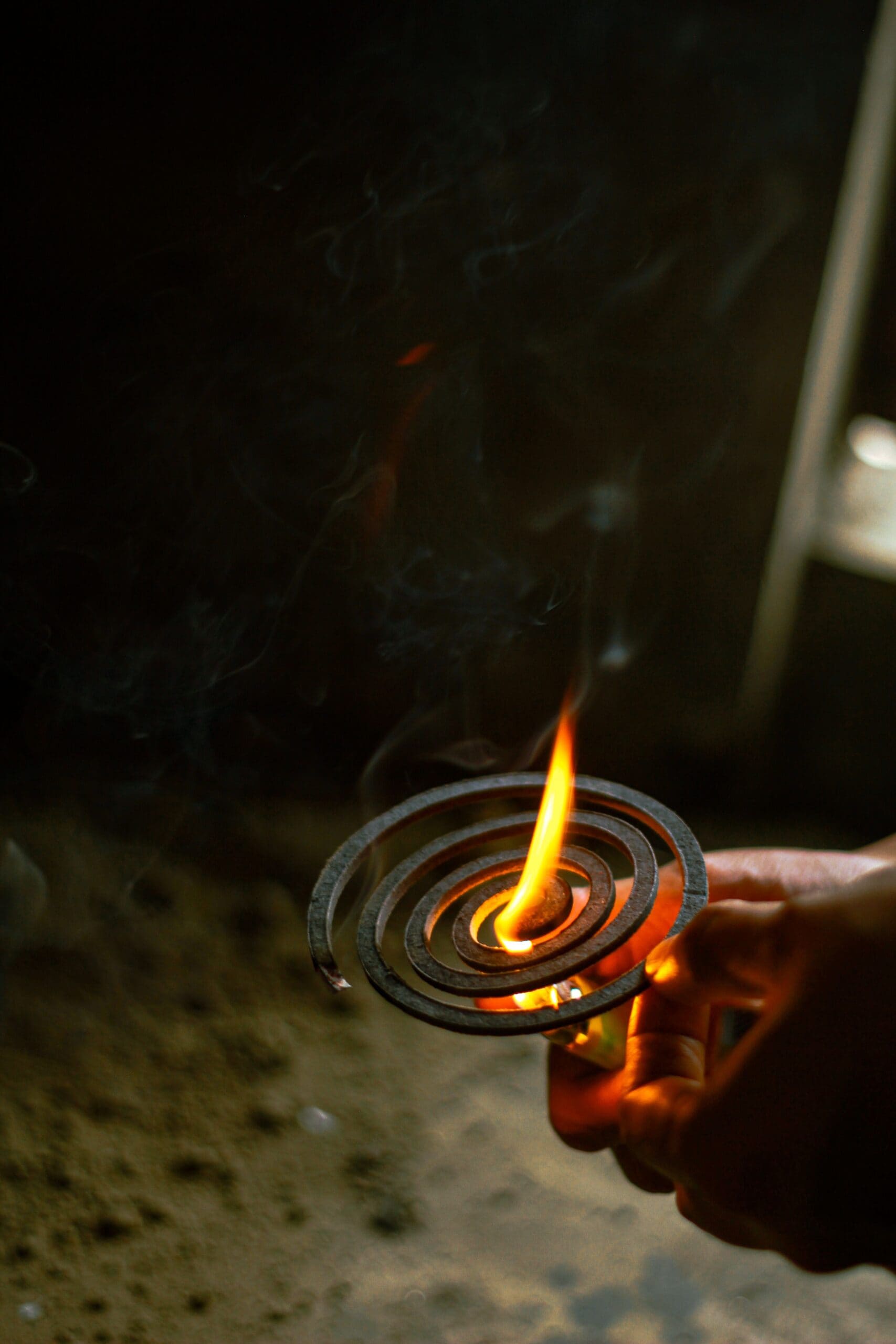
Incense sticks are often used after prayers or scented candles to keep a pleasant aroma in the house. Since these products smell good, people generally don't consider them as hazardous. There is another side of the story that research reveals. Burning incense can be a source of fine particulate matter such as PM2.5, carbon monoxide, benzene, formaldehyde and other VOCs that can reach deep into the lungs. New findings have explained that long-term exposure to such pollutants can bring the development of asthma, allergies, airway inflammation and lung cancer with high probability, mostly in homes that are not properly ventilated.
 
Studies show that mosquito coils generate an amount of particulate matter similar to that of dozens of cigarettes during a single evening, which makes the issue of prolonged exposure another respiratory hazard not to be overlooked. So simple solution: use these things occasionally and don't forget to get good enough air circulation. 
 
 Delhi Police Issues Traffic Advisory For AI Impact Summit 2026: Routes To Avoid
 
Ignoring Occupational Exposure Outside Traditional High-Risk Jobs
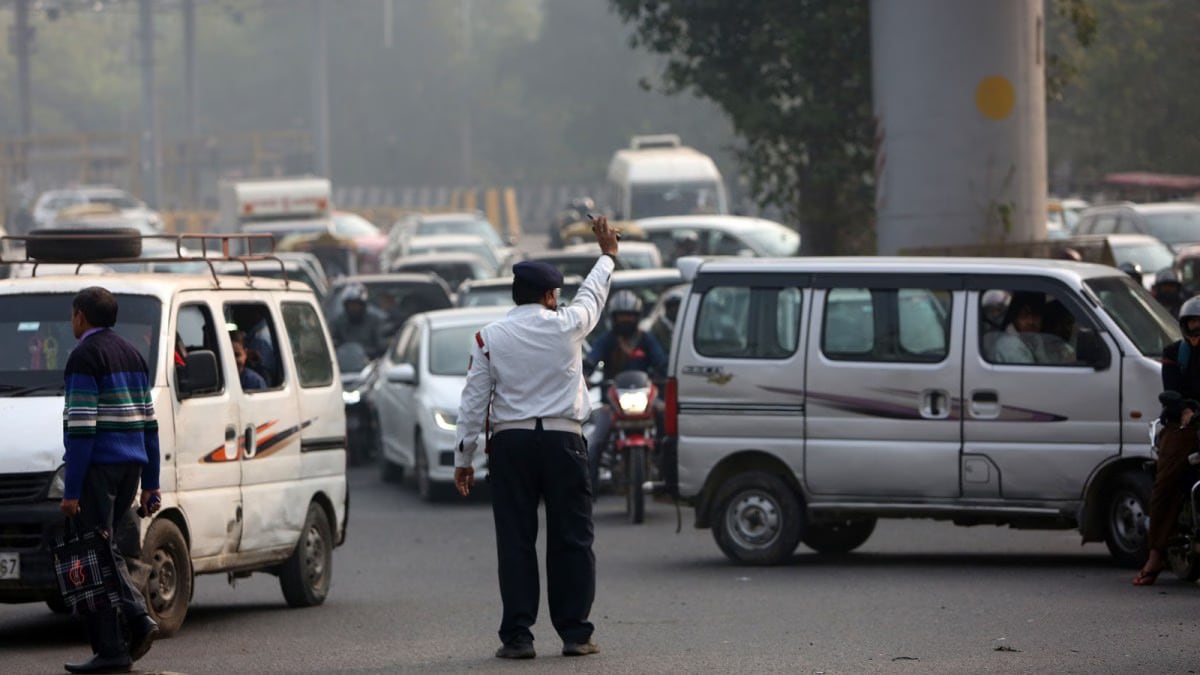
The average construction worker and miner has recognised occupational lung disease and is at no risk. But virtually any profession that appears to be "safe" may have workers who have sustained chronic dust exposure, diesel exhaust, solvents, disinfectants, welding fumes, silica, etc. People in the salon breathe in the chemicals they are spraying in aerosol; professional cleaners breathe in the disinfectant sprays, bakers breathe in the flour dust, and even traffic policemen and delivery people take in a lot of emissions from vehicles.  

 Repeated low-intensity exposures lead to chronic inflammation of the airways and are thought to result in disease states like asthma, chronic bronchitis and eventually lead to irreversible lung damage. A simple fix is to use the proper respiratory protection, better ventilation at the workplace and a monthly check-up should be the norm.


This is only for your information, kindly take the advice of your doctor for food, medicines, exercises and so on.   


Labels: , , , , , , ,

Thursday, November 17, 2016

Chronic Obstructive Pulmonary Disease (COPD)

Chronic Obstructive Pulmonary Disease (COPD) is a term used to describe a group of lung diseases which includes chronic bronchitis, emphysema and asthma. The main symptom that patients suffering from COPD complain about is breathlessness and coughing.  COPD can, however, develop over the years without any noticeable symptoms. But symptoms which appear later include tightness in the chest, persistent cough and wheezing other than breathlessness.

According to the World Health Organization (WHO), globally around 65 million people suffer from moderate to severe COPD. Out of this, 3 million succumbed to COPD in 2005 and experts estimate that by 2030 it will be the third most common cause of deaths.

 Biomass smoke and mosquito coils are major risk factors for COPD in India

The sad truth is that despite how fast cities are growing in India, 70% of the homes in rural and urban areas still use biomass fuel for cooking and heating purposes in poorly ventilated kitchens .  In fact, studies have found that 90% of rural households and 32% of urban households still cook their meals on a biomass stove. As only 25% of cooking is done with cleaner gases in India, exposure to biomass smoke is a major risk factor for COPD in the country.
However, just because you use LPG gas for cooking purposes, it does not mean you are safe from COPD. Another source of exposure in Indian houses is mosquito coils. In fact burning even one mosquito coil in the night to get rid of mosquitoes is capable of emitting particulate matter equivalent to around 100 cigarettes . Switch to mosquito repellent lotions or other eco-friendly measures to keep your lungs healthy.

Bidi smokers are at the highest risk of COPD
It’s a known fact that smokers are at a far greater risk of suffering from lung diseases as compared to non-smokers. Doctors say that smokers are thrice as likely at the risk of developing COPD. However, bidi smokers were at a much higher risk of developing COPD (8.2%) as compared to those who smoke cigarettes (5.9%) .
 COPD patients are at an increased risk of tuberculosis and vice versa
Studies have found that COPD patients are at a higher risk of developing active TB compared to the general population. This is because COPD and TB have common risk factors like smoking and poor living conditions.

COPD patients could suffer from depression
Other than tuberculosis, COPD patients are also prone to depressive symptoms. A study published in the journal Chest in 2016 reported that one in four patients with COPD also suffer from depression. If depression goes undiagnosed in these COPD patients, it can reduce the effectiveness of their treatment. Another study conducted by researchers from the University of Texas found that 22.3% of patients had one or more psychological disorders.

Yoga and walking can benefit patients with COPD
If you’re a COPD patient, you can reduce the risk of hospitalisation and improve the overall quality of your life by walking three to six kilometres a day. The study was published in the journal Respirology in 2016. Another study found that practising yoga can help COPD patients.
 
this is only for your information, kindly take the advice of your doctor for medicines, exercises and so on.
https://gscrochetdesigns.blogspot.com. one can see my crochet creations
https://gseasyrecipes.blogspot.com. feel free to view for easy, simple and healthy recipes

https://kneereplacement-stickclub.blogspot.com. for info on knee replacement

Labels: , , , , , , , , , ,