Sunday, August 02, 2026

Smoking Is NOT The Only Thing To Affect Your Lungs: 5 Shocking Habits That Cause Lung Disease

When people talk about diseases of the lung, including lung cancer, chronic obstructive pulmonary disease, etc, the mention of smoking as a leading cause is mandatory. While smoking is the number one risk factor for chronic lung disease, pulmonologists are now seeing an increasing number of people with decreased lung capacity who have never been smokers. Scientific evidence points out that a variety of factors associated with contemporary lifestyle, exposure and routine activities might have an influence on lung functioning without any noticeable symptoms like coughing or shortness of breath. 

Healthy lungs are not only reliant on refraining from smoking cigarettes. Respiratory health is also impacted by multiple factors like indoor air, the substances we burn at home, physical activity, workplace exposures, and even newer habits like vaping. As more research is being carried out to reveal previously unknown reasons that are behind lung injury, it's also becoming clearer that the lungs' protection starts with everyday decisions we make. Dr Shivaraj A L, Lead Consultant and HOD - Pulmonology, Aster Whitefield Hospital, shares 5 lifestyle-related causes of lung damage that deserve far more attention.
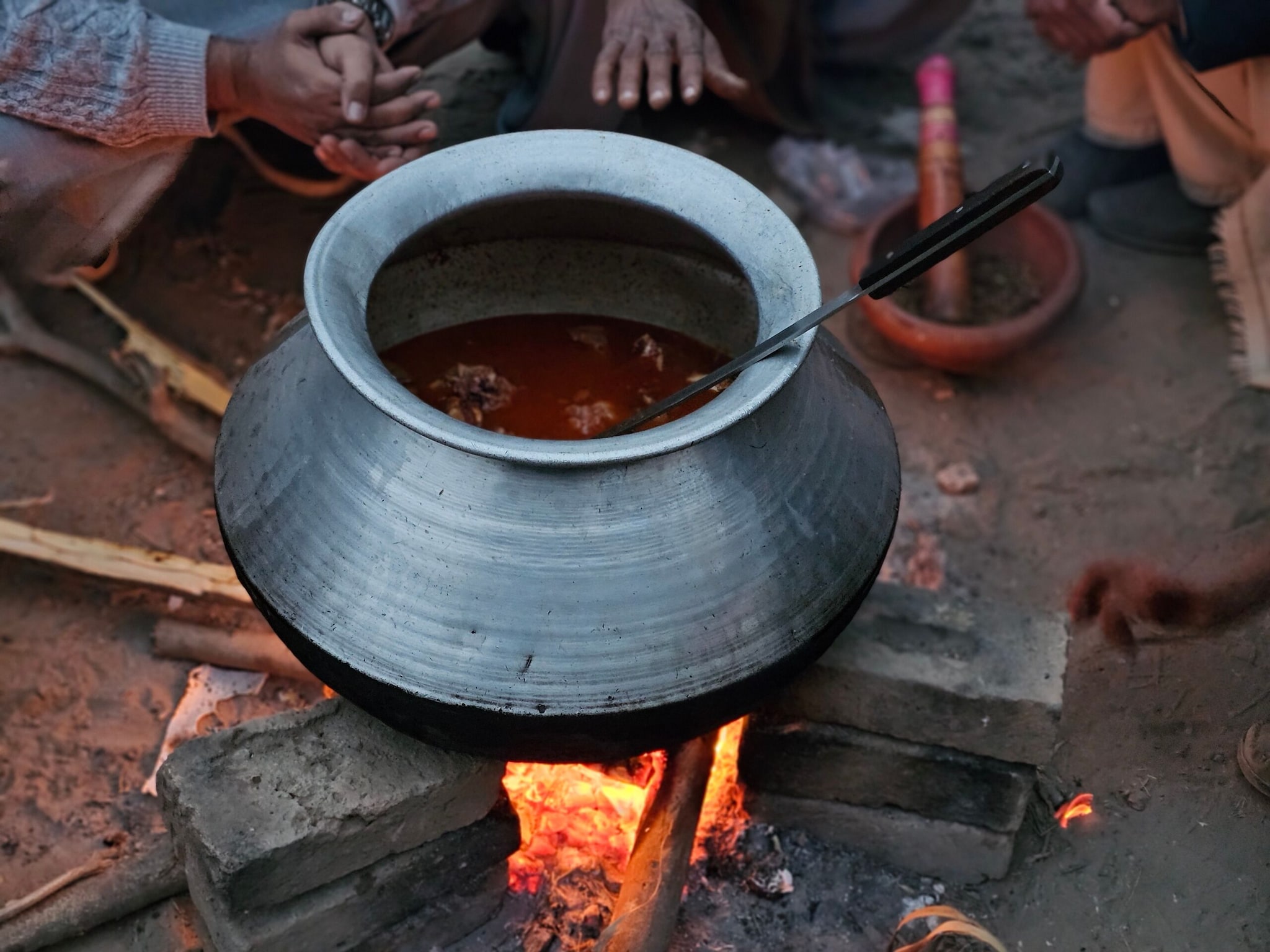


While most pay attention to outdoor air pollution, they are not aware about indoor air pollution, which affects them as 90% of their time is spent indoors. There have been several studies pointing out the presence of dangerous particulate matter levels, as well as volatile organic compounds, formaldehyde, and nitrogen dioxide – produced from indoor cooking, incense sticks, candles, mosquito  coils, aerosol sprays, and poor ventilation systems. 

Some recent systematic reviews have established an increased risk of lung cancer due to long-term exposure to these indoor air pollutants, even among non-smokers. The simple steps to take to reduce the risk include increasing cross-ventilation during cooking, using a chimney exhaust system if there is one available, and not burning incense or mosquito coils in closed rooms. It is recommended to reduce the number of aerosol cleaning products as well.
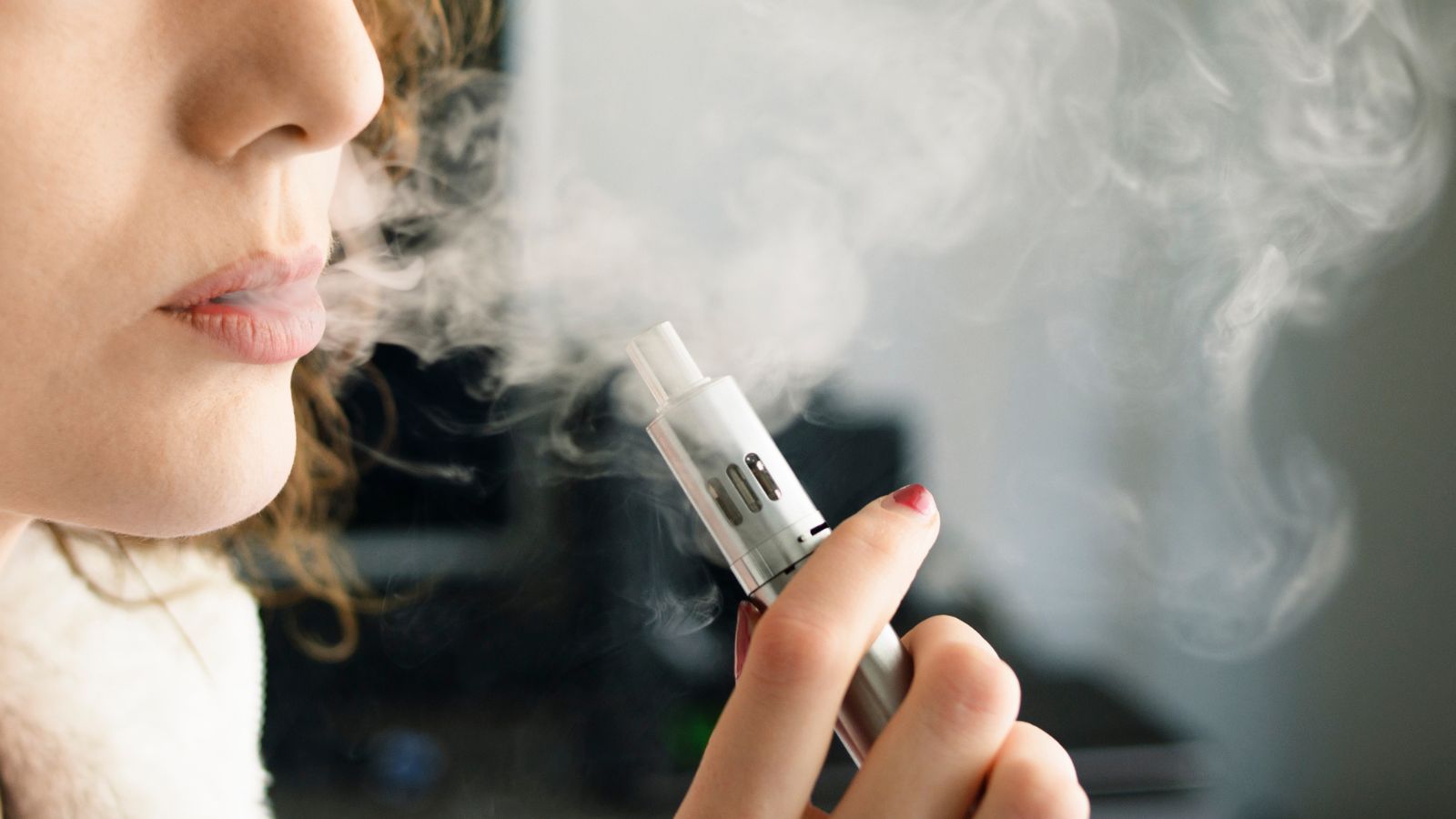
 Thailand prohibits e-cigarettes, with violators facing heavy fines and the possibility of up to five years in prison in serious cases.

 Vaping Because It "Feels Safer"
Smoking a cigarette is on a decline, but vaping is taking its place, mainly among the younger generation. Vaping still results in lung damage. A study published in January 2025 looked at data from 119 articles and reported that vaping increases the likelihood of respiratory symptoms, airway inflammation and asthmatic complications. Those who vaped and smoked cigarettes together have an even higher risk of developing respiratory diseases. What's more, vapors of e-cigarettes have microscopic particles, heavy metals, and flavoring chemicals that can get into the lower lobes of the lungs. An easy solution: The healthiest decision is not to smoke or vape at all.

Living a Sedentary Lifestyle
Physical inactivity is usually not a lung health topic that comes up often when people are talking about it. But staying physically active, in particular doing a mix of different types of workouts, can help maintain the respiratory muscles' capacity; it can expand your lungs, enhance your breathing ability so that you are better able to take in and give out oxygen, and it can also clear your airways from mucus, among other things. 
Conversely, long periods where you are seated or having a sedentary lifestyle result in worsening cardiovascular and lung fitness, making breathing feel inefficient and uncomfortable, which in turn increases the risks of chronic illnesses that have a lung-damaging effect through an indirect mechanism. In those with asthma or COPD, inactivity commonly results in rapid physical deconditioning such that breathlessness, the ability to exercise, and ultimately the movement all get progressively worse to form that miserable loop. Easiest way out? Simply try to reach a moderate-level physical activity goal of at least 150 minutes once in a week. To be honest and sincere, even fast walking can be very beneficial for improving lung capacity, breathing, and overall physical fitness.


 Burning Incense, Scented Candles and Mosquito Coils
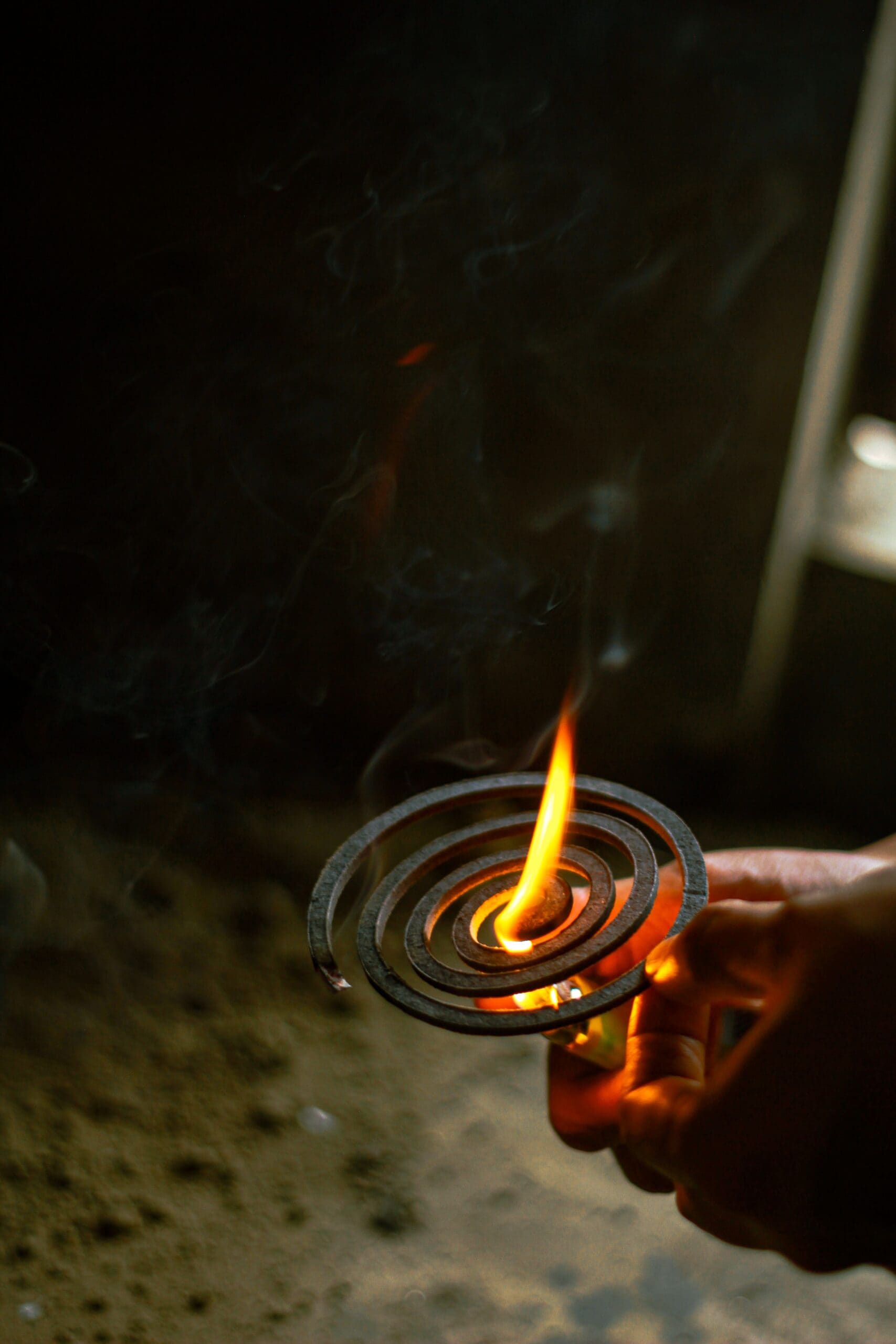
Incense sticks are often used after prayers or scented candles to keep a pleasant aroma in the house. Since these products smell good, people generally don't consider them as hazardous. There is another side of the story that research reveals. Burning incense can be a source of fine particulate matter such as PM2.5, carbon monoxide, benzene, formaldehyde and other VOCs that can reach deep into the lungs. New findings have explained that long-term exposure to such pollutants can bring the development of asthma, allergies, airway inflammation and lung cancer with high probability, mostly in homes that are not properly ventilated.
 
Studies show that mosquito coils generate an amount of particulate matter similar to that of dozens of cigarettes during a single evening, which makes the issue of prolonged exposure another respiratory hazard not to be overlooked. So simple solution: use these things occasionally and don't forget to get good enough air circulation. 
 
 Delhi Police Issues Traffic Advisory For AI Impact Summit 2026: Routes To Avoid
 
Ignoring Occupational Exposure Outside Traditional High-Risk Jobs
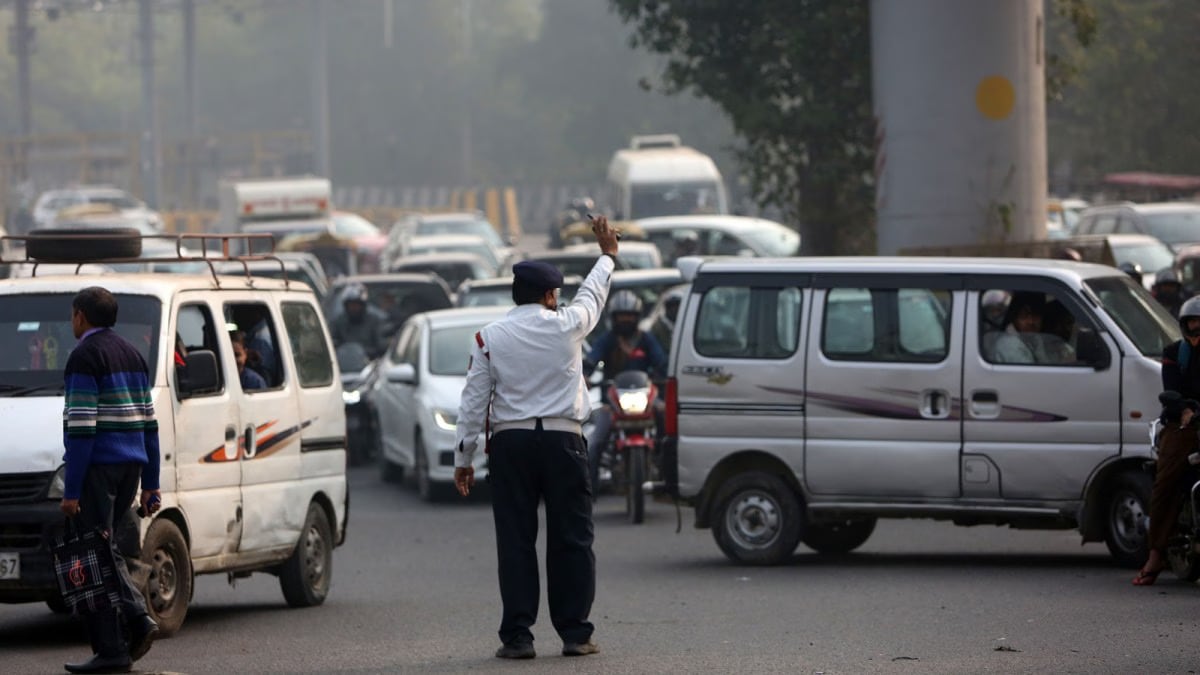
The average construction worker and miner has recognised occupational lung disease and is at no risk. But virtually any profession that appears to be "safe" may have workers who have sustained chronic dust exposure, diesel exhaust, solvents, disinfectants, welding fumes, silica, etc. People in the salon breathe in the chemicals they are spraying in aerosol; professional cleaners breathe in the disinfectant sprays, bakers breathe in the flour dust, and even traffic policemen and delivery people take in a lot of emissions from vehicles.  

 Repeated low-intensity exposures lead to chronic inflammation of the airways and are thought to result in disease states like asthma, chronic bronchitis and eventually lead to irreversible lung damage. A simple fix is to use the proper respiratory protection, better ventilation at the workplace and a monthly check-up should be the norm.


This is only for your information, kindly take the advice of your doctor for food, medicines, exercises and so on.   


Labels: , , , , , , ,

Wednesday, November 17, 2021

Lung damaging activities associated with cancer

Lung cancer is a disease in which abnormal cells in the lungs proliferate uncontrollably, resulting in a tumor. The most common cancer in 2020 according to WHO was lung cancer which 2.21 million deaths after breast cancer which reported 2.26 million deaths. 

The exact reason why lung cancer happens can be classically defined as ‘multifactorial’. This can be environmental factors and then some genetic factors as well. A slight increase of prevalence is noted recently in young women, and cause of it remains an enigma. We as Oncologist, regularly deal with cancer of the lung, head and neck and even gastric, bladder etc., primarily caused by excessive tobacco (smokeless/ smoked/ hooka/ second-hand smoke) intake. In most cases, what begins as a fad turns into an obsession leading to the life-threatening disease before the victim realizes it. Smoking is the most critical risk factor for lung cancer development. Two-thirds of all lung cancers are associated with smoking. But lung cancers in non- smokers remain a unique separate entity(fewer than 100 cigarettes in a lifetime). According to one data, 19% of all women lung cancers in US were non-smokers.


Some other factors that lead to lung cancer include:
Radon, a radioactive gas found naturally in soil and rocks. Radon is a gaseous decay product of uranium-238 and radium-226 which damages lung epithelium by emitting alpha- particles. Aizawl distt, Mizoram has the highest concentration of indoor radon/ thoron and also the highest incidence of lung cancer in India.

Occupational Exposure:
Commonly associated toxins include asbestos, chromium, and arsenic and Occupational exposure to organic dust (mining industry).

Arsenic has implicated as a cause of lung cancer where it contaminates drinking water. Whole-genome sequencing of the lung cancer of a never smoking patient with arsenic exposure revealed unusual tumor protein p53 (TP53) mutation.

Dietary factors: Higher intake of fruits and vegetables and low fat food may be protective against lung cancer (healthiest dietary pattern).

Indoor air pollutants such as vapors from cooking oil and the smoke from burning coal have been linked to lung cancer in women, particularly in Asia (India).
Outdoor air pollution is also associated with lung cancer risk. Using ambient fine particulate matter (PM2.5) as a measure of air pollution, there was a 15 to 27 percent increase in lung cancer mortality in never smokers.

Underlying lung disease and treatment- Idiopathic Pulmonary Fibrosis, previous exposure to radiation or chemotherapy.

Cancer Causing Viruses (oncogenic Viruses) like Human Papilloma Virus type 16 and 18. Also there is increased association with HIV infection.

Genetic factors: lung cancer was significantly more common among those with a positive family history, particularly of early-onset lung cancer (<50 years). Certain Chromosomal abnormalities have been identified and specific germline mutations have been identified in limited numbers of families with high rates of non-small cell lung cancer (NSCLC) in never smokers.

Estrogens — The role of estrogens and other female hormones in lung cancer risk in women is uncertain, regardless of smoking status. Studies show that the majority of NSCLCs express the estrogen receptor beta. Relationship of lung cancer incidence to early menopause, use of hormone therapy (like tamoxifen or HRT), age at first birth and number of children. However the results are not consistent.

Inflammation and other benign lung disease-The risk of lung cancer was elevated in patients with a history of emphysema, chronic bronchitis, pneumonia, and tuberculosis. The increased risk involve all histologic types of lung cancer (adenocarcinoma, squamous cell, small cell).

Genetic conditions like alpha-1 antitrypsin deficiency

Body mass index — there is an inverse relationship between body mass index (BMI) and lung cancer (especially small cell lung cancer),however it could be associated comorbidities or other factors.

Certain vitamin and beta carotene supplements have shown confounding results.

Opium use (illicit drug derived from the poppy plantis associated with an increased, dose-dependent risk of developing lung cancer .

Screening is a method of detecting cancer when there are no symptoms in a high-risk case: Low-dose helical CT scanning is the only early detection screening technique proven to reduce mortality in people at high risk of lung cancer. High risk individuals who require lung CT screening are long term smokers. Lung cancer screening by chest radiography and sputum cytology has not been shown to reduce lung cancer mortality rates.

Remember that ‘Cancer’ is importantly a “lifestyle disease”. Cancer may be curable if diagnosed early enough. Even if it isn't, the treatment should improve one’s quality of life and help you live longer. Also, we as oncologist want to convey to every individual to make their lifestyle choices wisely. Each person has a right to his/her life and health, and the decision about it solely lies upon themselves.

The article has been authored by Dr Niti Raizada, Director, Medical Oncology and Hemato Oncology, Fortis hospital Bannerghatta Road.

This is only for your information, kindly take the advice of your doctor for medicines, exercises and so on.   

https://gscrochetdesigns.blogspot.com. one can see my crochet creations  
https://gseasyrecipes.blogspot.com. feel free to view for easy, simple and healthy recipes    
https://kneereplacement-stickclub.blogspot.com. for info on knee replacement


Labels: , , , , , , , , , , , ,