Friday, May 02, 2025

Warning! Make Sure Your Pets Aren't Making You Sick

All those hugs, kisses and snuggles with your favorite animal companion have been proven scientifically to help lower stress levels and improve overall mental health. However, getting too close to your beloved pet can also cause you to contract an unfortunate illness if you're not careful. What follows are 6 different ways in which your pet can make you sick.

1. Irritation and allergies
 Animal Diseases
 
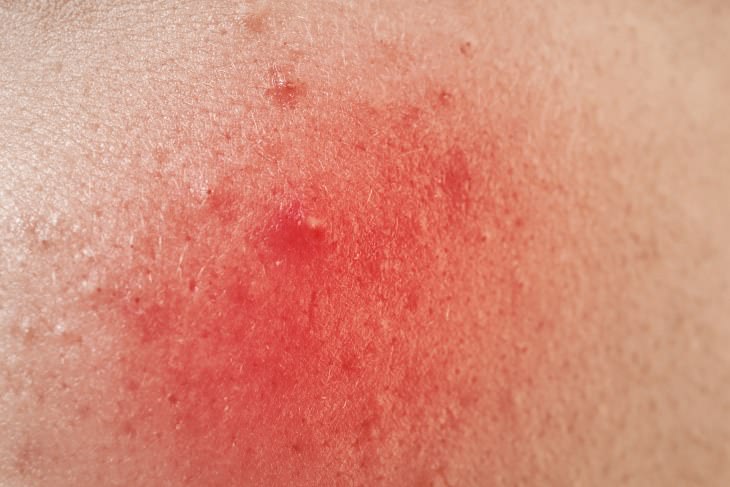
Pet hair or dandruff can cause skin irritations, asthma attacks or other kinds of allergic reactions in humans. If you know that you are vulnerable, you can try using a hypoallergenic shampoo on your furry friend to see if it makes a difference. You may want to consider looking for a hypoallergenic animal for your next pet though, to prevent future issues.


2. Parasites
Animal Diseases
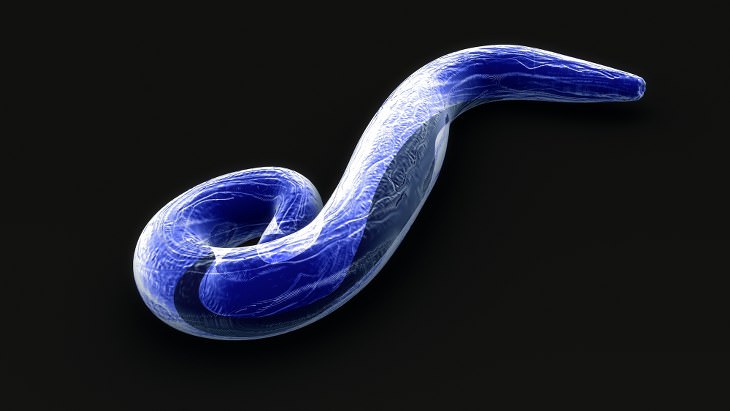
Your pets could be hosting a whole variety of parasites inside of their bodies, such as roundworms and hookworms, which they can then pass on to you. The best way to avoid such transmission is to wash your hands regularly, especially after touching an animal, and to encourage your family members to the same. 
 
 
3. Skin Infections

 Animal Diseases
 
Dr. Satesh Bidaisee, a professor at St. George’s University, claims that "sometimes dogs will lick open wounds. There’s a likelihood of infection setting into the human because it’s an instance where humans are exposed to a particular strain of organisms which have survived in a harsh environment, and that can lead to potential risk.” This is why you should never let any animal lick your wounds. 
 
4. Bird Flu
Animal Diseases
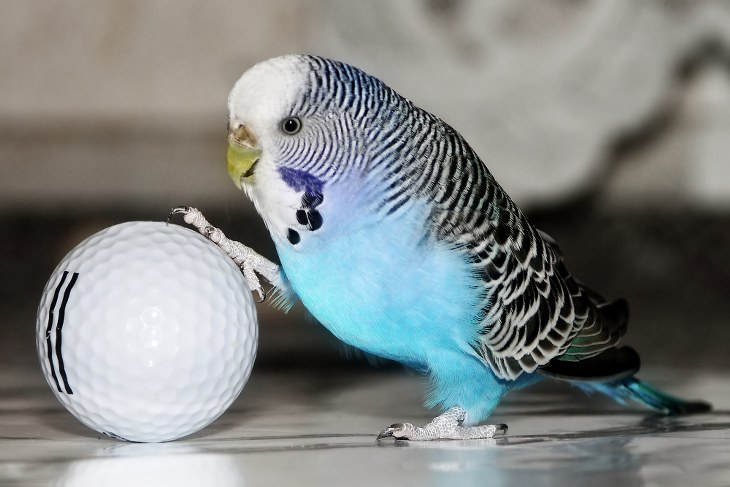
While bird flu outbreaks always make headlines, your pet budgie is unlikely to cause you any harm. However, people who like to trap wild birds should be particularly cautious, since placing a wild bird in a cage will likely stress them out, allowing any harmful organisms in their bodies to proliferate and make transmission easier.


5. Salmonella
Animal Diseases 
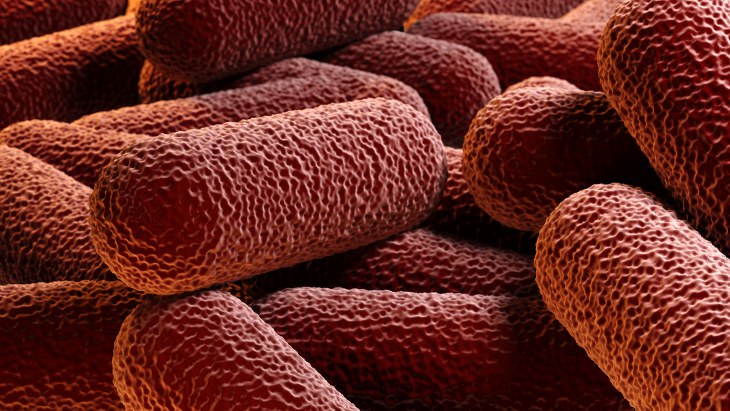
 Any reptile or amphibian owners need to watch out for salmonella since it is a cause of fever, nausea, diarrhea, and gastrointestinal issues. The Centers for Disease Control and Prevention (CPC) recommend that such pets are kept away from the kitchen and dining table, as well as out of sight of any kids under five. 
 
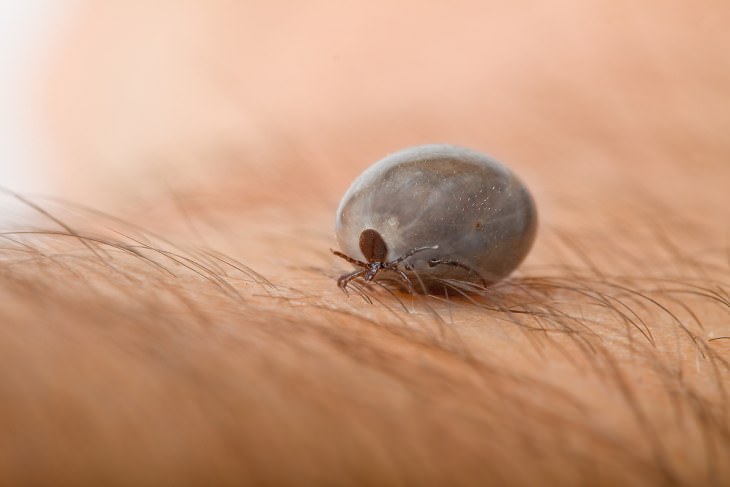
6. Lyme Disease
Animal Diseases
This tick-borne disease is always an issue when you're hiking or camping with your dog. If your canine companion doesn't contract the disease itself, ticks can still make their way onto your own flesh transferring it to you. This is why it's important to always inspect your dog's coat and dispose of any ticks you find after spending time outdoors.


This is only for your information, kindly take the advice of your doctor for medicines, exercises and so on.   


Labels: , , , ,

Thursday, January 20, 2022

The Effects of Drinking Contaminated Water

We've all been told to avoid drinking dirty and/or contaminated water. But how well informed are we about the consequences of doing so? Water contamination can occur in city water supplies, well water supplies and fresh water sources, such as lakes, streams, and rivers. Read through this guide to discover more.

1. What could the water be contaminated with?  
Bacteria or chemicals, such as nitrates can contaminate the water. When a water test shows the presence of bacteria, it is considered to be unsafe to drink. Total coliform organisms, a group of bacteria found in the environment, are an indicator of the safety of your water. If present, it indicates that disease-causing organisms, including bacteria, viruses, and parasites, could potentially be present in your water supply. 
 
In addition, if any amount of E.coli bacteria is found in a water sample (E. coli generally lives in the intestines of warm-blooded animals and humans) it is known that human sewage or animal feces have contaminated the water supply. The presence of nitrates in well water is usually the result of farming activities like fertilizing. Consequently, if nitrates are at levels above 10 milligrams per liter of water, an infant may suffer from a condition known as 'blue baby syndrome' - caused by nitrates interfering with the blood's ability to carry oxygen throughout the body.
2. What are the signs of drinking contaminated water? 
When drinking contaminated water, the health effects people experience may or may not present themselves immediately. In addition, the overall health, age and physical condition of the persona are other factors which determine the extent of what is experienced. Some of the more common problems experienced from drinking impure water include, but are not limited to: 
• Gastrointestinal Problems 
• Diarrhea 
• Nausea 
• Intestinal or Stomach Cramping 
• Intestinal or Stomach Aches and Pains 
• Dehydration 
• Death 
 
However, if no signs or symptoms are experienced, it does not mean that there are no potential long-term effects. In fact, if water sources have been contaminated with radium or radon gas, it is likely that you will not notice immediate health effects. However, long-term exposure has been linked to others. In addition to this, other possible contaminants found in tainted water sources include: 
 
• E. coli Bacteria 
• Coliform Bacteria 
• Nitrates 
• Lead 
• Fluoride 
• Arsenic 
• Radium 
• Radon 
• Pharmaceuticals 
• Herbicides 
• Pesticides 
• Chemicals 
• Fecal Matter 
• Microbial Pathogens 
• Parasites 
• Viruses 
• Petrochemicals

What causes water to become contaminated?  
Contaminants can enter water supplies through various means, including being absorbed into the ground and contaminated ground water sources, broken pipes, and excess water run-off during heavy rain periods. 
 
Does dirty/contaminated water smell? 
There are instances where the water could smell or taste different. But in most cases, contaminants have no taste or odor, leaving no indication of contamination. 
 
Will boiling the water help make it safe? 
When boiling the water, it does kill most types of parasites, bacteria, and viruses. However, it can cause increased concentrations of other contaminants due to evaporation of water. 
 
How can I tell if my water is safe to drink? 
The best way to test if your water is safe and free from bacteria is to get it tested by an experienced water purification company in your area. The results will let you know exactly what is in your water and what steps you can take to improve it - such as getting quality water softeners and filters installed in your home or business.

This is only for your information, kindly take the advice of your doctor for medicines, exercises and so on.   

https://gscrochetdesigns.blogspot.com. one can see my crochet creations  
https://gseasyrecipes.blogspot.com. feel free to view for easy, simple and healthy recipes    
https://kneereplacement-stickclub.blogspot.com. for info on knee replacement

Labels: , , , , , , , , , , ,

Wednesday, August 18, 2021

Childhood Diet Has Lifelong Impact – You Are What You Eat AND What You Ate as a Child

Effects of unhealthy food followed young mice into adulthood.

Eating too much fat and sugar as a child can alter your microbiome for life, even if you later learn to eat healthier, a new study in mice suggests.

The study by UC Riverside researchers is one of the first to show a significant decrease in the total number and diversity of gut bacteria in mature mice fed an unhealthy diet as juveniles.

“We studied mice, but the effect we observed is equivalent to kids having a Western diet, high in fat and sugar and their gut microbiome still being affected up to six years after puberty,” explained UCR evolutionary physiologist Theodore Garland. 

A paper describing the study has recently been published in the Journal of Experimental Biology.

The microbiome refers to all the bacteria as well as fungi, parasites, and viruses that live on and inside a human or animal. Most of these microorganisms are found in the intestines, and most of them are helpful, stimulating the immune system, breaking down food and helping synthesize key vitamins. 

In a healthy body, there is a balance of pathogenic and beneficial organisms. However, if the balance is disturbed, either through the use of antibiotics, illness, or unhealthy diet, the body could become susceptible to disease. 

In this study, Garland’s team looked for impacts on the microbiome after dividing their mice into four groups: half fed the standard, ‘healthy’ diet, half fed the less healthy ‘Western’ diet, half with access to a running wheel for exercise, and half without. 

After three weeks spent on these diets, all mice were returned to a standard diet and no exercise, which is normally how mice are kept in a laboratory. At the 14-week mark, the team examined the diversity and abundance of bacteria in the animals.

They found that the quantity of bacteria such as Muribaculum intestinale was significantly reduced in the Western diet group. This type of bacteria is involved in carbohydrate metabolism

Analysis also showed that the gut bacteria are sensitive to the amount of exercise the mice got. Muribaculum bacteria increased in mice fed a standard diet who had access to a running wheel and decreased in mice on a high-fat diet whether they had exercise or not. 

Researchers believe this species of bacteria, and the family of bacteria that it belongs to, might influence the amount of energy available to its host. Research continues into other functions that this type of bacteria may have. 

One other effect of note was the increase in a highly similar bacteria species that were enriched after five weeks of treadmill training in a study by other researchers, suggesting that exercise alone may increase its presence.

Overall, the UCR researchers found that early-life Western diet had more long-lasting effects on the microbiome than did early-life exercise. 

Garland’s team would like to repeat this experiment and take samples at additional points in time, to better understand when the changes in mouse microbiomes first appear, and whether they extend into even later phases of life. 

Regardless of when the effects first appear, however, the researchers say it’s significant that they were observed so long after changing the diet, and then changing it back. 

The takeaway, Garland said, is essentially, “You are not only what you eat, but what you ate as a child!”

This is only for your information, kindly take the advice of your doctor for medicines, exercises and so on.   

https://gscrochetdesigns.blogspot.com. one can see my crochet creations  
https://gseasyrecipes.blogspot.com. feel free to view for easy, simple and healthy recipes    
https://kneereplacement-stickclub.blogspot.com. for info on knee replacement


Labels: , , , , , , , , , , ,