Monday, July 13, 2026

12 Things that Harm Your Lungs

 We are all aware of the dangers of smoking to our lung health, but it turns out there are many other hazards lurking in our homes and work environments. From seemingly harmless items like carpets and candles, through beloved pets, to environmental factors such as mold and radon gas – all of these can significantly impact our lung health, almost as much as cigarettes. To protect your lungs, it is recommended to familiarize yourself with 12 factors that harm them and learn how to protect yourself.

1. Mold

Mold is a type of fungus that releases spores into the air that are dangerous to breathe. These spores can cause serious problems and infections in the lungs, including chronic obstructive pulmonary diseases (COPD), which are also caused by heavy smoking and exposure to smoke and air pollution. They also weaken the immune system, making us more vulnerable to bacteria. If you are sensitive to mold, it is highly recommended to ensure your home and all its rooms are well-ventilated to prevent its development. 

2. Pet Birds
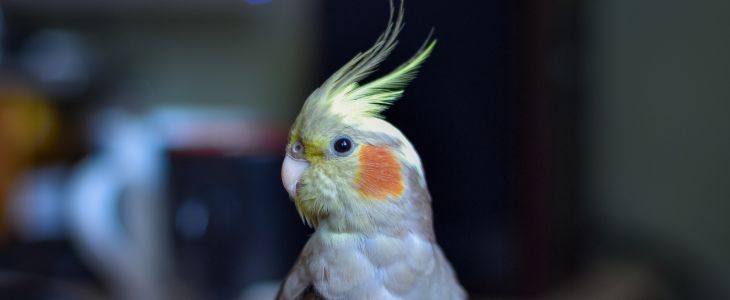
Things Dangerous to Lungs: Parrot
If you keep a bird at home, you should know that particles released from their feathers and droppings can cause lung inflammation if inhaled. These particles are as harmful as mold spores and cause pulmonary fibrosis, which can destroy lung tissue in sensitive individuals. If you have a bird at home and have recently been experiencing breathing problems, it is advisable to consult a doctor to check if this is the cause. 

3. Humidifiers

Things Dangerous to Lungs: Humidifier
While this device is recommended for increasing indoor humidity, especially in winter, overuse can raise humidity levels excessively and promote the proliferation of dust mites and mold. Moreover, mold can develop inside the device itself if it is not cleaned, dried, and stored properly. Therefore, it is important to exercise caution when using it and ensure it is completely clean before operating. 

4. Cockroaches
The problem is not necessarily the cockroaches themselves but their droppings, which turn into dust that soils floors and even furniture, depending on the level of infestation. Exposure to this dust occurs mainly when sweeping the floor or vacuuming, causing breathing problems—especially in young children, who may develop asthma as a result. What can be done? It is crucial to address cockroach problems if they exist in your home and eliminate them as quickly as possible, whether through homemade methods or with the help of a pest control professional. 

5. Carpets
Carpets can develop mold but may also be a fertile ground for dust mites and cockroach droppings, all of which can harm the lungs. Harmful particles trapped in the fibers are released into the air when walking on or vacuuming the carpet. It is recommended to clean carpets periodically outside the house and use steam cleaning at least once a year. 

6. Radon Gas
This gas cannot be smelled, yet it is considered the second leading cause of cancer after smoking. It seeps from the ground and may enter homes through cracks, accumulating in unventilated basements. It is also found in building materials like cement, which can release it from walls containing high amounts of concrete. These radioactive particles harm the lungs during breathing. To prevent its buildup at home, ensure proper airflow from outside to inside by installing ventilation devices and making sure basements are well-sealed. 

7. Pesticides
This is not just about pesticides that should be washed off fruits and vegetables we eat, but also those you might use in your garden or home. They can cause health problems, including to nerves, hormone production, eyes, and skin. Pest control professionals use masks when applying pesticides, and if you spray your home or garden with pesticides approved for public use, it is highly recommended to do so as well. 

8. Airbags in Vehicles
Airbags contain a chemical called sodium azide, which helps them deploy instantly during a collision. It has no smell, but it can be seen as a white powder that, when inhaled, can worsen asthma and existing breathing problems. In high amounts, it can even cause fluid buildup in the lungs and damage the lung cavity walls. If you have been in an accident where your car’s airbag deployed and you start experiencing breathing issues, it is highly recommended to consult a doctor.

9. Flour

 People who work in bakeries tend to suffer from more coughing and sneezing than others, and the main culprit is the flour they work with. This phenomenon has even been given its own name—Baker’s Asthma—and over time, it worsens and severely damages the lungs. This can happen not only to those who work in a bakery but also to those who work extensively with flour at home. To avoid this, wear a mask when working with flour and try to minimize flour dust in the air as much as possible. 

10. Agriculture
Here is another issue that has a name associated with the profession it originates from—Farmer’s Lung—a type of pneumonia caused by hypersensitivity to materials found in hay and grain. Our immune system reacts to mold growing in them by creating lung inflammation, which is worse for farmers working with cattle and dairy production because they are exposed to it more. The only way to get rid of this problem is to reduce exposure to the substances that exacerbate it. In severe cases, some people are even advised to change professions, as the problem may eventually lead to a need for a lung transplant. 

11. Jacuzzi
If you have your own jacuzzi, be aware that it can become a breeding ground for bacteria that may enter your lungs when the water evaporates. This is why some people may develop fever, coughing, and breathing problems after spending time in a jacuzzi. Make sure to clean it thoroughly. Wash its filters every one to two weeks, and empty, clean, and refill it with fresh water every four months. 

12. Candles
The most common candles are made from paraffin, which releases chemicals that can worsen allergy symptoms and breathing problems like asthma, and even increase the risk of cancer. There’s no issue with using candles occasionally, but if you tend to light them daily to create a pleasant atmosphere at home, you might want to reconsider this habit. At the very least, switch from paraffin candles to beeswax or soy candles and ensure your home is well-ventilated when you light them.


This is only for your information, kindly take the advice of your doctor for food, medicines, exercises and so on.   


Labels: , , , , , , , , , , , , , ,

Monday, September 29, 2025

12 Things that Harm Your Lungs

We are all aware of the dangers of smoking to our lung health, but it turns out there are many other hazards lurking in our homes and work environments. From seemingly harmless items like carpets and candles, through beloved pets, to environmental factors such as mold and radon gas – all of these can significantly impact our lung health, almost as much as cigarettes. To protect your lungs, it is recommended to familiarize yourself with 12 factors that harm them and learn how to protect yourself.


1. Mold Things Dangerous to Lungs: Mold
 
Mold is a type of fungus that releases spores into the air that are dangerous to breathe. These spores can cause serious problems and infections in the lungs, including chronic obstructive pulmonary diseases (COPD), which are also caused by heavy smoking and exposure to smoke and air pollution. They also weaken the immune system, making us more vulnerable to bacteria. If you are sensitive to mold, it is highly recommended to ensure your home and all its rooms are well-ventilated to prevent its development.

2. Pet birds
 Things Dangerous to Lungs: Parrot
 
If you keep a bird at home, you should know that particles released from their feathers and droppings can cause lung inflammation if inhaled. These particles are as harmful as mold spores and cause pulmonary fibrosis, which can destroy lung tissue in sensitive individuals. If you have a bird at home and have recently been experiencing breathing problems, it is advisable to consult a doctor to check if this is the cause. 
 
 
3. Humidifiers
Things Dangerous to Lungs: Humidifier
While this device is recommended for increasing indoor humidity, especially in winter, overuse can raise humidity levels excessively and promote the proliferation of dust mites and mold. Moreover, mold can develop inside the device itself if it is not cleaned, dried, and stored properly. Therefore, it is important to exercise caution when using it and ensure it is completely clean before operating. 
 
4. Cockroaches
The problem is not necessarily the cockroaches themselves but their droppings, which turn into dust that soils floors and even furniture, depending on the level of infestation. Exposure to this dust occurs mainly when sweeping the floor or vacuuming, causing breathing problems—especially in young children, who may develop asthma as a result. What can be done? It is crucial to address cockroach problems if they exist in your home and eliminate them as quickly as possible, whether through homemade methods or with the help of a pest control professional. 
 
5. Carpets
Things Dangerous to Lungs: Carpet
Carpets can develop mold but may also be a fertile ground for dust mites and cockroach droppings, all of which can harm the lungs. Harmful particles trapped in the fibers are released into the air when walking on or vacuuming the carpet. It is recommended to clean carpets periodically outside the house and use steam cleaning at least once a year. 
 
6. Radon Gas
This gas cannot be smelled, yet it is considered the second leading cause of cancer after smoking. It seeps from the ground and may enter homes through cracks, accumulating in unventilated basements. It is also found in building materials like cement, which can release it from walls containing high amounts of concrete. These radioactive particles harm the lungs during breathing. To prevent its buildup at home, ensure proper airflow from outside to inside by installing ventilation devices and making sure basements are well-sealed. 
 
 
7. Pesticides
This is not just about pesticides that should be washed off fruits and vegetables we eat, but also those you might use in your garden or home. They can cause health problems, including to nerves, hormone production, eyes, and skin. Pest control professionals use masks when applying pesticides, and if you spray your home or garden with pesticides approved for public use, it is highly recommended to do so as well. 
 
8. Airbags in Vehicles
Things Dangerous to Lungs: Airbags

Airbags contain a chemical called sodium azide, which helps them deploy instantly during a collision. It has no smell, but it can be seen as a white powder that, when inhaled, can worsen asthma and existing breathing problems. In high amounts, it can even cause fluid buildup in the lungs and damage the lung cavity walls. If you have been in an accident where your car’s airbag deployed and you start experiencing breathing issues, it is highly recommended to consult a doctor.

9. Flour
 Things Dangerous to Lungs: Flour
 
People who work in bakeries tend to suffer from more coughing and sneezing than others, and the main culprit is the flour they work with. This phenomenon has even been given its own name—Baker’s Asthma—and over time, it worsens and severely damages the lungs. This can happen not only to those who work in a bakery but also to those who work extensively with flour at home. To avoid this, wear a mask when working with flour and try to minimize flour dust in the air as much as possible. 
 
 
10. Agriculture
Things Dangerous to Lungs: Farmer 
 Here is another issue that has a name associated with the profession it originates from—Farmer’s Lung—a type of pneumonia caused by hypersensitivity to materials found in hay and grain. Our immune system reacts to mold growing in them by creating lung inflammation, which is worse for farmers working with cattle and dairy production because they are exposed to it more. The only way to get rid of this problem is to reduce exposure to the substances that exacerbate it. In severe cases, some people are even advised to change professions, as the problem may eventually lead to a need for a lung transplant. 
 
11. Jacuzzi
If you have your own jacuzzi, be aware that it can become a breeding ground for bacteria that may enter your lungs when the water evaporates. This is why some people may develop fever, coughing, and breathing problems after spending time in a jacuzzi. Make sure to clean it thoroughly. Wash its filters every one to two weeks, and empty, clean, and refill it with fresh water every four months. 
 
 
12. Candles
Things Dangerous to Lungs: Candles
The most common candles are made from paraffin, which releases chemicals that can worsen allergy symptoms and breathing problems like asthma, and even increase the risk of cancer. There’s no issue with using candles occasionally, but if you tend to light them daily to create a pleasant atmosphere at home, you might want to reconsider this habit. At the very least, switch from paraffin candles to beeswax or soy candles and ensure your home is well-ventilated when you light them.


This is only for your information, kindly take the advice of your doctor for medicines, exercises and so on.   


Labels: , , , , , , , , , , ,

Monday, June 16, 2025

11 Uses for Bleach Other than Bleaching

One of the most common household cleaning detergent is bleach, which is the commercial name for a number of chemicals that whiten, remove color and disinfect. The chemical we’ll be referring to in this article is chlorine. Bleach is mainly used to whiten fabrics and disinfect toilets, among other things, but bleach can do much more. WARNING: When dealing with bleach, make sure you wear gloves, avoid any contact with the eyes, and use it only in well-ventilated areas.

1. Herbicides 
Bleach is harmful to plants and can thus be used as a highly effective herbicide. Use it on areas where you don’t want plants to grow or where weeds are a problem. Be careful to not overdo it – spray a 1/1 mixture of water and bleach, or use a few drops directly on the plant you wish to kill.

2. Pesticide and insect repellent  
If you’re suffering from an infestation, it can be easily treated with bleach. Most insects breathe through their exoskeleton, so spraying them with bleach is an effective eradication method. During mosquito season, leaving a cup with a 1/1 mixture of water and bleach keeps the little biters away. Bleach can also get rid of insect eggs, as well as disrupt the chemical trails some bugs (like ants) use to find their way into your home. 
 
3. Extend the life of flowers in a vase 
If you love decorating your house with fresh flowers but are having a hard time keeping them alive, simply add a very small amount of bleach to the water. This will destroy any bacteria and fungus in the water and allow your plants to flourish, as well as prevent water and algae stains in the vase. Be careful not to add more than ¼ teaspoon to 1 cup of water.


4. Remove moss and mold 
To get rid of moss and mold from tiles, pour half a cup of bleach into ½ gallon of water, then use an old broom to scrub the tiles with the mixture. The bleach will remove any and all of the moss and mold, leaving your tiles clean and non-slippery. This is also effective on concrete surfaces, sidewalks, pavement and even roofing shingles. 
 
5. Polishing china and glassware 
Mix a teaspoon of bleach in a cup of water, then use a white, damp kitchen towel to polish and disinfect them. It can also be used to polish silverware but be sure to wash them thoroughly afterwards.

6. Treating foot fungus and malodorous feet  
If you’re suffering from a bad case of smelly feet or any kind of foot fungus, you know the embarrassment and social stigmas that go along with them. While exposing your skin to a high concentration of bleach is very bad for it, soaking your feet in a tub filled with a gallon of hot water and ¼ cup of plain, non-concentrated bleach will do wonders for your feet. Don’t soak your feet for more than 5 minutes, and then rinse them and scrub them clean. (Do not do this if you have open wounds or sores on your feet!) 
 
7. Powerful disinfectant 
If you like to buy things at thrift stores or garage sales, or want to use something that has been stored for a while in a musty garage, you may want to get them cleaned up before you start using them. Make sure they’re safe to use with bleach, then leave them in a tub filled with a gallon of water and a ¼ cup of bleach. Leave them there for 10 minutes and then rinse them, and they’ll be as clean as a whistle.
 
 
8. Disinfect gardening tools 
You wouldn’t want a doctor to use tools that were used on a sick person without disinfecting them, right? The same goes for gardening tools. You use them to cut and remove sick or rotting plants, and if you don’t disinfect them afterwards, you can infect healthy plants when you use it on them next. Get a bucket and fill it with about ½ gallon of water, and then add ½ a cup of bleach. Soak your garden tools in it, and then let them air dry. This is also effective at preventing them from rusting.

 
9. Cleaning your garbage cans 
Even the sturdiest of garbage bags can rip and leak nasty substances into your bin, leaving it foul and smelly. When you notice that your trash can is starting to reek, mix some bleach with hot water, wear some gloves and scrub the walls of the bin, then pour the remnants into the toilet (bleaching it too) and give the bin a good rinse.


10. Polishing plastic furniture 
Plastic furniture often is susceptible to grime and bacteria build-up in their nooks and crannies, making them very hard to clean. The solution is to wear a pair of gloves, mix ½ a cup of bleach into ½ a gallon of water and use a brush or a towel to scrub them clean. 
 
11. Disinfecting towels  
Got white towels that are turning beige or starting to smell funky? Soak them in water with a small amount of bleach, effectively killing any bacteria or mold that may have formed in the fibers. This is also a good thing to do when a family member is sick, and you need to disinfect the towels to reduce the likeliness of infection. Make sure you only use white, 100% cotton towels, otherwise they’ll turn yellowish.


This is only for your information, kindly take the advice of your doctor for medicines, exercises and so on.   


Labels: , , , , , , , , , ,