Monday, July 13, 2026

12 Things that Harm Your Lungs

 We are all aware of the dangers of smoking to our lung health, but it turns out there are many other hazards lurking in our homes and work environments. From seemingly harmless items like carpets and candles, through beloved pets, to environmental factors such as mold and radon gas – all of these can significantly impact our lung health, almost as much as cigarettes. To protect your lungs, it is recommended to familiarize yourself with 12 factors that harm them and learn how to protect yourself.

1. Mold

Mold is a type of fungus that releases spores into the air that are dangerous to breathe. These spores can cause serious problems and infections in the lungs, including chronic obstructive pulmonary diseases (COPD), which are also caused by heavy smoking and exposure to smoke and air pollution. They also weaken the immune system, making us more vulnerable to bacteria. If you are sensitive to mold, it is highly recommended to ensure your home and all its rooms are well-ventilated to prevent its development. 

2. Pet Birds
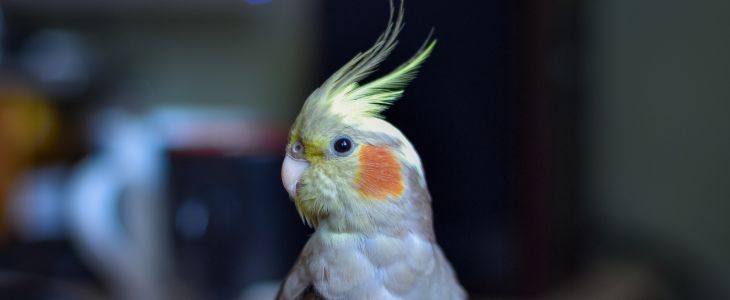
Things Dangerous to Lungs: Parrot
If you keep a bird at home, you should know that particles released from their feathers and droppings can cause lung inflammation if inhaled. These particles are as harmful as mold spores and cause pulmonary fibrosis, which can destroy lung tissue in sensitive individuals. If you have a bird at home and have recently been experiencing breathing problems, it is advisable to consult a doctor to check if this is the cause. 

3. Humidifiers

Things Dangerous to Lungs: Humidifier
While this device is recommended for increasing indoor humidity, especially in winter, overuse can raise humidity levels excessively and promote the proliferation of dust mites and mold. Moreover, mold can develop inside the device itself if it is not cleaned, dried, and stored properly. Therefore, it is important to exercise caution when using it and ensure it is completely clean before operating. 

4. Cockroaches
The problem is not necessarily the cockroaches themselves but their droppings, which turn into dust that soils floors and even furniture, depending on the level of infestation. Exposure to this dust occurs mainly when sweeping the floor or vacuuming, causing breathing problems—especially in young children, who may develop asthma as a result. What can be done? It is crucial to address cockroach problems if they exist in your home and eliminate them as quickly as possible, whether through homemade methods or with the help of a pest control professional. 

5. Carpets
Carpets can develop mold but may also be a fertile ground for dust mites and cockroach droppings, all of which can harm the lungs. Harmful particles trapped in the fibers are released into the air when walking on or vacuuming the carpet. It is recommended to clean carpets periodically outside the house and use steam cleaning at least once a year. 

6. Radon Gas
This gas cannot be smelled, yet it is considered the second leading cause of cancer after smoking. It seeps from the ground and may enter homes through cracks, accumulating in unventilated basements. It is also found in building materials like cement, which can release it from walls containing high amounts of concrete. These radioactive particles harm the lungs during breathing. To prevent its buildup at home, ensure proper airflow from outside to inside by installing ventilation devices and making sure basements are well-sealed. 

7. Pesticides
This is not just about pesticides that should be washed off fruits and vegetables we eat, but also those you might use in your garden or home. They can cause health problems, including to nerves, hormone production, eyes, and skin. Pest control professionals use masks when applying pesticides, and if you spray your home or garden with pesticides approved for public use, it is highly recommended to do so as well. 

8. Airbags in Vehicles
Airbags contain a chemical called sodium azide, which helps them deploy instantly during a collision. It has no smell, but it can be seen as a white powder that, when inhaled, can worsen asthma and existing breathing problems. In high amounts, it can even cause fluid buildup in the lungs and damage the lung cavity walls. If you have been in an accident where your car’s airbag deployed and you start experiencing breathing issues, it is highly recommended to consult a doctor.

9. Flour

 People who work in bakeries tend to suffer from more coughing and sneezing than others, and the main culprit is the flour they work with. This phenomenon has even been given its own name—Baker’s Asthma—and over time, it worsens and severely damages the lungs. This can happen not only to those who work in a bakery but also to those who work extensively with flour at home. To avoid this, wear a mask when working with flour and try to minimize flour dust in the air as much as possible. 

10. Agriculture
Here is another issue that has a name associated with the profession it originates from—Farmer’s Lung—a type of pneumonia caused by hypersensitivity to materials found in hay and grain. Our immune system reacts to mold growing in them by creating lung inflammation, which is worse for farmers working with cattle and dairy production because they are exposed to it more. The only way to get rid of this problem is to reduce exposure to the substances that exacerbate it. In severe cases, some people are even advised to change professions, as the problem may eventually lead to a need for a lung transplant. 

11. Jacuzzi
If you have your own jacuzzi, be aware that it can become a breeding ground for bacteria that may enter your lungs when the water evaporates. This is why some people may develop fever, coughing, and breathing problems after spending time in a jacuzzi. Make sure to clean it thoroughly. Wash its filters every one to two weeks, and empty, clean, and refill it with fresh water every four months. 

12. Candles
The most common candles are made from paraffin, which releases chemicals that can worsen allergy symptoms and breathing problems like asthma, and even increase the risk of cancer. There’s no issue with using candles occasionally, but if you tend to light them daily to create a pleasant atmosphere at home, you might want to reconsider this habit. At the very least, switch from paraffin candles to beeswax or soy candles and ensure your home is well-ventilated when you light them.


This is only for your information, kindly take the advice of your doctor for food, medicines, exercises and so on.   


Labels: , , , , , , , , , , , , , ,

Friday, January 24, 2020

The Health Effects of Lead in Drinking Water

Drinking tap water is convenient and economical, however, it also comes with a downside - the possibility of lead contamination. Just recently, the city of Flint in the US state of Michigan was faced with serious water contamination problems due to the leaching of this toxic heavy metal, exposing thousands of people to high levels of it and resulting in the ongoing health problems the city is dealing with. Although this may be an extreme case, lead can easily find its way into the water you drink, and there are several reasons why you wouldn't want it to end up there. Allow us to inform you on the matter:

First of all, what is lead and where is it found?

Lead is an element, which means it does not break down into less harmful substances. Despite its poisoning effects, its presence cannot be picked up by our senses. However, it is surprisingly found in a number of objects and materials that may be present in your home. Common sources include:

    House paint from before 1978
    Metal pipes and sink faucets
    Paint sets and art supplies
    Jewelry and pottery
    Storage batteries
    Kohl or kajol eyeliners
    Soil polluted by car exhaust fumes, outdated pesticides or chipping house paint


How does it enter our water supply?

Considering lead sources like metal pipes, soil and house paint, it's easy to understand how such an element could end up in your water. The chances of this happening are higher if you live in an area where the soil is contaminated by lead due to pesticide use in previous decades, or if you live in an old house that has old pipes, fixtures, or paint. Although laws in many countries now restrict the use of these materials, they could still be present in some homes.

Another contributor to lead leaching into a water supply is water corrosivity. The use of soft water, which is water that is low in dissolved solids like calcium and magnesium, as well as warm water, both increase the risk of lead corrosion. This kind of problem is common in Pennsylvania, where 65% of water samples tested were found to be potentially corrosive.

If the municipal water supply in your town and your plumbing system at home do not incorporate lead pipes, lead solder or brass fixtures, you probably shouldn't worry about dangerous lead levels in your water. You might want to contact your water company to inquire about this, or get your tap water tested to determine whether it's safe to drink or not.

What are the health effects?

First of all, the presence of lead in drinking water is never a good sign, even if this is found at low levels. In fact, EPA has set its maximum contaminant level goal (MCLG) at zero, since even as little as 5 micrograms per deciliter in the blood can signify lead poisoning, which is a huge threat to our health. Lead is a persistent element that can accumulate in the body over time, leading to serious health issues, especially in young children.

Note that lead can only have adverse effects on your body if it is ingested. This means that using water containing the presence of lead for bathing is safe for you and your children.

Here are some of its health effects:

1. It can damage brain development in children.

Lead is toxic enough to hinder brain development if sufficient amounts of it are ingested. Erik Olson, director of the health and environmental program at the National Resources Defense Council (NRDC), says that this could have an alarming effect on children exposed to it, as they may begin to exhibit unusual behavior.

Low IQ levels, poor learning abilities, stunted growth, hearing problems and anemia could all be signs of lead exposure in children. In extreme cases, there have been occurrences of seizures, comas, and even deaths.

2. Lead accumulates in your bones and can stay in your body for years.

If you're exposed to lead, chances are you'll have it lingering in your system for the rest of your life. Of course, this exposes you to an increased risk of cancer, stroke, memory problems, kidney disease, and high blood pressure. One place where it is bound to gather is in your bones, from where it can possibly be released over time due to stress or even pregnancy.

With the above being said, a pregnant mother that has previously been exposed to excessive levels of lead may transfer any lead lingering in her bones to her unborn baby as maternal calcium. This can result in developmental problems, such as a premature birth or stunted growth.

3. It triggers violent crime.

Although it might sound far-fetched, lead exposure has actually been linked with increased incidences of vital crime. Children who are exposed to excessive levels of lead have an increased likelihood of committing a crime when they reach adulthood. According to Erik Olson, some of the crime we are faced with today could be a consequence of the lack of lead regulations from three decades ago.

4. Its exposure may be asymptomatic for years.

According to the Agency for Toxic Substances & Disease Registry, the health effects of lead aren't all identified yet. This is due to the fact that the effects could remain asymptomatic for a very long time. While lead has been shown to increase the risk of certain diseases (as previously mentioned), it could also trigger vague symptoms that include fatigue, impotence, and cardiovascular issues such as hypertension. Of course, these depend on factors such as age, diet, and weight. Basically, lead can cause trouble in every single organ in your body, and may intensify any problems that were already present.

5. You can suffer from lead poisoning.

If you've been exposed to lead for an extended period of time, it will gradually build up in your body, putting you at an increased risk of lead poisoning. Note that it is highly unlikely for this to happen after just a single event of lead ingestion. The signs of lead toxicity may include:

    Abdominal pain or cramps
    Aggressive behavior
    Constipation
    Sleep problems
    Headaches
    Irritability
    Fatigue
    Numbness or tingling in the extremities
    High blood pressure
    Memory loss
    Anemia
    Kidney dysfunction

In severe cases, these emergency symptoms may also be present:

    Vomiting
    Muscle weakness
    Stumbling when walking
    Seizures
    Coma
    Encephalopathy, which manifests as confusion, coma and, seizures

In the event that you experience these symptoms, you should call your local health department to learn about how to remove the lead and how to prevent the effects of its toxicity. If the person is severely poisoned, a treatment known as chelation therapy would probably be recommended to remove the lead as efficiently as possible.

How can I prevent lead exposure?

There are some measures you should take to avoid lead exposure as much as possible. Here are some tips:

    Avoid painted toys and canned goods from foreign countries.
    Keep your home as clear of dust as possible.
    Use cold instead of warm water when preparing meals and drinks.
    Encourage family members to wash their hands before eating.
 

Get your water tested for lead levels. If they are high, consider using a filtering device, or switching to bottled water.
    Make sure you get your faucets and aerators cleaned regularly.
    Clean children's toys and bottles regularly.
    Use lead-free paint in your home.
    Get your children screened for blood lead levels.
    Stay away from areas where lead-based paint may have been used.
    Follow the EPA's guide on how you can protect your family from lead exposures.


This is only for your information, kindly take the advice of your doctor for medicines, exercises and so on.     
https://gscrochetdesigns.blogspot.com. one can see my crochet creations  
https://gseasyrecipes.blogspot.com. feel free to view for easy, simple and healthy recipes    
https://kneereplacement-stickclub.blogspot.com. for info on knee replacement
 

Labels: , , , , , , , , , , , , , , ,

Saturday, March 09, 2019

Can Food Cause Cancer?

The food you eat is critical for your overall well-being as a number of cancers that affect the human body are of gastrointestinal origin. Stick to organic and chemical free foods to live a healthier life since they reduce the risk of cancer substantially.

Regular consumption of the food items mentioned below increase your risk of developing cancer, as well as many other conditions and should be avoided at all costs.

1. Microwave Popcorn-
Most microwave-popcorn bags are lined with c8, also known as perfluorooctanoic acid (PFOA) which increases the risk of certain cancers such as kidney, testicular, bladder, pancreas and liver cn notably. Microwave popcorn also contains an artificial or synthetic butter flavoring called diacetyl which is extremely toxic and obstructs breathing.

2. Canned Tomatoes- While tomatoes are considered to be cancer fighting foods, their canned counterparts are extremely unhealthy and may cause cancer. This is mainly due to the lining of the cans they are put in which contains a chemical known as bisphenol-A or BPA that has been proven to elevate the risk of infertility as well as prostate and breast cancer. Due to their (tomatoes) high acidity, BPA leaks from the lining of the cans and penetrates into the fruit. Tomatoes should be cooked fresh or stored in glass jars.
3. Processed/Grilled Red Meat- Processed meats such as sausages, prosciutto, bacon, pimento loaf, bologna, hot dogs etc., contain various chemicals and preservatives such as sodium nitrate. This is added to make the meat look fresh and appealing but are, in fact, carcinogenic in nature. Moreover, you should also avoid grilling meat since it releases a carcinogen known as heterocyclic aromatic amines. Another dangerous food item includes smoked meat since it picks up tar from the smoking process. 
4. Farmed Salmon- It is imperative to avoid farmed salmon because they are fed unnatural diets that are contaminated with carcinogens, antibiotics, chemicals, pesticides and so on. They also harbor sea lice, 30 times greater in amount than wild salmon. High levels of PCBs, cancer causing dioxins, and mercury have been found in them. It is advisable to opt for wild sockeye salmon instead of farmed salmon.

THIS IS ONLY FOR INFORMATION, ALWAYS CONSULT YOU PHYSICIAN BEFORE HAVING ANY PARTICULAR FOOD/ MEDICATION/EXERCISE/OTHER REMEDIES.                                    PS- THOSE INTERESTED IN RECIPES ARE FREE TO  VIEW MY BLOG-                                                                                           https://gseasyrecipes.blogspot.com/                                                                                                                                                         FOR INFO ABOUT KNEE REPLACEMENT, YOU CAN VIEW MY BLOG-                                                  https:// kneereplacement-stickclub.blogspot.com/           

                                                                           FOR CROCHET DESIGNS                                                                                                                                                                                                  https://gscrochetdesigns.blogspot.com

Labels: , , , , , , , , , , ,