Tuesday, February 23, 2021

9 Foods That Shouldn't Be Consumed Raw

We're all very well aware that eating raw meat can be really dangerous for our health, but we're still in the dark when it comes to many other food items. This is especially true in regard to plant-based foods, as most people think that all veggies and fruit can be safely consumed raw, which is just not true. Some surprising examples of plant foods that should never be eaten raw are eggplants, potatoes, and beans. Find out why these and several other ordinary foods can be dangerous when consumed uncooked below.
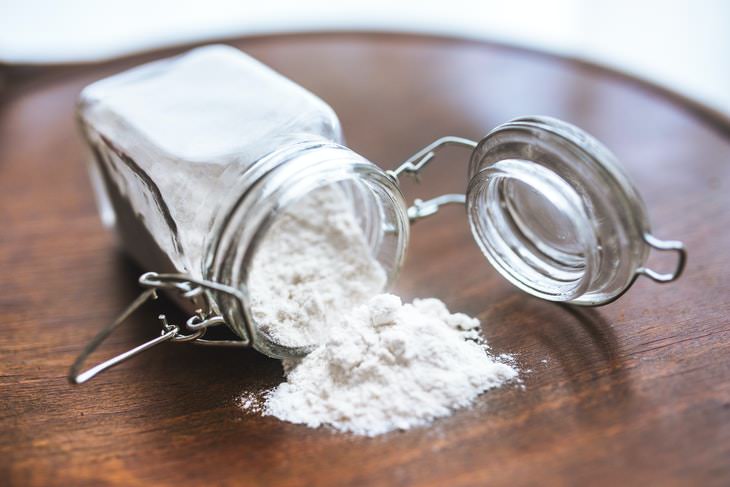
1. Flour
Foods You Should Never Eat Raw Flour
Are your kids or grandkids fans of eating raw cookie dough? Many kids and even adults are, and we can hardly blame them, as that stuff is absolutely delicious. That said, no one should be eating raw dough, really, for several reasons. For one, it contains raw eggs (more on that later), but the raw flour that's another essential ingredient is no less harmful either, as it turns out. The Center for Disease Control and Prevention point out on their website that raw flour may become contaminated with dangerous bacteria like E.coli during transportation and storage, and so consuming flour raw could lead to bacterial infections. Cooking kills off all the germs lurking in flour. 
 
2. Potatoes
Foods You Should Never Eat Raw Potatoes
Potatoes are, without a doubt, one of the most common kitchen staples in existence, but it turns out that they are more finicky than they appear. For one, you shouldn't try eating potatoes raw, as they contain certain starches that our digestive system cannot handle. As a result, eating uncooked potatoes can result in bloating and other stomach issues. Cooked potatoes don’t cause the same adverse effects because heat breaks down these starches. 
 
You should also beware of green spots on potatoes and throw them away immediately.
 
3. Milk
Most people are largely unaware of the potential dangers raw milk poses to health because we're so used to buying pasteurized milk in stores these days. When raw, milk could contain many dangerous bacteria like E. coli and Salmonella. Data by the American Food and Drug Administration suggests that raw milk is 150 times more likely to cause digestive issues compared to all other dairy products. 
 
So, if you'll ever have the chance to drink or purchase fresh cows milk, make sure it has been boiled before drinking or using it in foods, as drinking raw milk can cause food-borne illnesses. 
 
4. Forest Mushrooms
Foods You Should Never Eat Raw Forest Mushrooms
The main problem with forest mushrooms, even when you know that it's the edible variety and not the poisonous one, is that they have been growing in an uncontrolled environment and may harbor dangerous pathogens, so cleaning, washing, and cooking them thoroughly is a must. We'd recommend staying away from picking any wild mushrooms, though, if you or someone with you isn't a seasoned professional at spotting the poisonous mushroom varieties since as much as touching certain poisonous mushrooms can pose a danger to one's health. 
 
As for store-bought mushrooms, they are most often safe to consume raw, but foodies point out that cooking them up with some spices may result in a much tastier meal.


5. Certain Beans
Foods You Should Never Eat Raw beans
Beans are certainly some of the most nutritious and healthy foods out there, but you should always cook them thoroughly before eating. Uncooked kidney beans, for example, have the toxin phytohemagglutinin that causes symptoms similar to food poisoning when consumed. 
 
Raw Lima beans (pictured above), on the other hand, contain compounds called cyanogenic glycosides, a natural protective mechanism for the plant, that produce hydrogen cyanide when chewed on. Therefore, make sure to cook or at least boil all beans thoroughly before adding them to foods.
 
6. Eggs Foods You Should Never Eat Raw Eggs
Raw eggs were once considered good pre-workout food, but we must point out that eating raw eggs alone or in a meal is risky due to its potential contamination with Salmonella. Eggs should be cooked at the temperature of at least 145°F (63°C) for the bacterium to die. When eggs are combined with other ingredients, in turn, the necessary cooking temperature should be increased to 160°F (71°C). 
 
7. Hot dogs 
Foods You Should Never Eat Raw Hot dogs
Most of us wouldn't dare to eat raw meat, but some people believe it's safe to eat raw hot dogs because they have been pre-cooked and smoked, which is just wrong. According to the FDA, hot dogs, even when packaged and sealed, can become the breeding ground for the bacterium called Listeria that causes foodborne illness. Therefore, it's crucial to boil or at least microwave the hot dogs before eating. 
 
8. Eggplant
 Foods You Should Never Eat Raw Eggplant
Consuming raw eggplant can be toxic, especially when they've been picked young. This is because raw eggplants contain the toxin called solanine. One average eggplant contains around 11mg of solanine, so you’d have to eat a lot of eggplants to experience any symptoms (eating 12 raw eggplants would is the lethal dose). Still, it's better to be safe than sorry, especially since some people are allergic to eggplant. 
 
9. Sprouts
Foods You Should Never Eat Raw Sprouts
Adding alfalfa and radish sprouts into fresh salads was a trend not so long ago, but it turns out that you should always cook sprouts before consuming them, too. The sprouts themselves may be healthy to eat, but they grow in warm and humid conditions that are essentially a petri dish for bacteria like E.coli, Salmonella, and Listeria, all common foodborne illnesses that are present in most crops and seeds you can buy at the supermarket. 
 
The contamination issue is so widespread that many restaurants have stopped using sprouts altogether. Therefore, it's best to cook the sprouts before eating or avoid them altogether.

This is only for your information, kindly take the advice of your doctor for medicines, exercises and so on.     

https://gscrochetdesigns.blogspot.com. one can see my crochet creations  
https://gseasyrecipes.blogspot.com. feel free to view for easy, simple and healthy recipes    
https://kneereplacement-stickclub.blogspot.com. for info on knee replacement


Labels: , , , , , , , , , , ,

Friday, January 24, 2020

The Health Effects of Lead in Drinking Water

Drinking tap water is convenient and economical, however, it also comes with a downside - the possibility of lead contamination. Just recently, the city of Flint in the US state of Michigan was faced with serious water contamination problems due to the leaching of this toxic heavy metal, exposing thousands of people to high levels of it and resulting in the ongoing health problems the city is dealing with. Although this may be an extreme case, lead can easily find its way into the water you drink, and there are several reasons why you wouldn't want it to end up there. Allow us to inform you on the matter:

First of all, what is lead and where is it found?

Lead is an element, which means it does not break down into less harmful substances. Despite its poisoning effects, its presence cannot be picked up by our senses. However, it is surprisingly found in a number of objects and materials that may be present in your home. Common sources include:

    House paint from before 1978
    Metal pipes and sink faucets
    Paint sets and art supplies
    Jewelry and pottery
    Storage batteries
    Kohl or kajol eyeliners
    Soil polluted by car exhaust fumes, outdated pesticides or chipping house paint


How does it enter our water supply?

Considering lead sources like metal pipes, soil and house paint, it's easy to understand how such an element could end up in your water. The chances of this happening are higher if you live in an area where the soil is contaminated by lead due to pesticide use in previous decades, or if you live in an old house that has old pipes, fixtures, or paint. Although laws in many countries now restrict the use of these materials, they could still be present in some homes.

Another contributor to lead leaching into a water supply is water corrosivity. The use of soft water, which is water that is low in dissolved solids like calcium and magnesium, as well as warm water, both increase the risk of lead corrosion. This kind of problem is common in Pennsylvania, where 65% of water samples tested were found to be potentially corrosive.

If the municipal water supply in your town and your plumbing system at home do not incorporate lead pipes, lead solder or brass fixtures, you probably shouldn't worry about dangerous lead levels in your water. You might want to contact your water company to inquire about this, or get your tap water tested to determine whether it's safe to drink or not.

What are the health effects?

First of all, the presence of lead in drinking water is never a good sign, even if this is found at low levels. In fact, EPA has set its maximum contaminant level goal (MCLG) at zero, since even as little as 5 micrograms per deciliter in the blood can signify lead poisoning, which is a huge threat to our health. Lead is a persistent element that can accumulate in the body over time, leading to serious health issues, especially in young children.

Note that lead can only have adverse effects on your body if it is ingested. This means that using water containing the presence of lead for bathing is safe for you and your children.

Here are some of its health effects:

1. It can damage brain development in children.

Lead is toxic enough to hinder brain development if sufficient amounts of it are ingested. Erik Olson, director of the health and environmental program at the National Resources Defense Council (NRDC), says that this could have an alarming effect on children exposed to it, as they may begin to exhibit unusual behavior.

Low IQ levels, poor learning abilities, stunted growth, hearing problems and anemia could all be signs of lead exposure in children. In extreme cases, there have been occurrences of seizures, comas, and even deaths.

2. Lead accumulates in your bones and can stay in your body for years.

If you're exposed to lead, chances are you'll have it lingering in your system for the rest of your life. Of course, this exposes you to an increased risk of cancer, stroke, memory problems, kidney disease, and high blood pressure. One place where it is bound to gather is in your bones, from where it can possibly be released over time due to stress or even pregnancy.

With the above being said, a pregnant mother that has previously been exposed to excessive levels of lead may transfer any lead lingering in her bones to her unborn baby as maternal calcium. This can result in developmental problems, such as a premature birth or stunted growth.

3. It triggers violent crime.

Although it might sound far-fetched, lead exposure has actually been linked with increased incidences of vital crime. Children who are exposed to excessive levels of lead have an increased likelihood of committing a crime when they reach adulthood. According to Erik Olson, some of the crime we are faced with today could be a consequence of the lack of lead regulations from three decades ago.

4. Its exposure may be asymptomatic for years.

According to the Agency for Toxic Substances & Disease Registry, the health effects of lead aren't all identified yet. This is due to the fact that the effects could remain asymptomatic for a very long time. While lead has been shown to increase the risk of certain diseases (as previously mentioned), it could also trigger vague symptoms that include fatigue, impotence, and cardiovascular issues such as hypertension. Of course, these depend on factors such as age, diet, and weight. Basically, lead can cause trouble in every single organ in your body, and may intensify any problems that were already present.

5. You can suffer from lead poisoning.

If you've been exposed to lead for an extended period of time, it will gradually build up in your body, putting you at an increased risk of lead poisoning. Note that it is highly unlikely for this to happen after just a single event of lead ingestion. The signs of lead toxicity may include:

    Abdominal pain or cramps
    Aggressive behavior
    Constipation
    Sleep problems
    Headaches
    Irritability
    Fatigue
    Numbness or tingling in the extremities
    High blood pressure
    Memory loss
    Anemia
    Kidney dysfunction

In severe cases, these emergency symptoms may also be present:

    Vomiting
    Muscle weakness
    Stumbling when walking
    Seizures
    Coma
    Encephalopathy, which manifests as confusion, coma and, seizures

In the event that you experience these symptoms, you should call your local health department to learn about how to remove the lead and how to prevent the effects of its toxicity. If the person is severely poisoned, a treatment known as chelation therapy would probably be recommended to remove the lead as efficiently as possible.

How can I prevent lead exposure?

There are some measures you should take to avoid lead exposure as much as possible. Here are some tips:

    Avoid painted toys and canned goods from foreign countries.
    Keep your home as clear of dust as possible.
    Use cold instead of warm water when preparing meals and drinks.
    Encourage family members to wash their hands before eating.
 

Get your water tested for lead levels. If they are high, consider using a filtering device, or switching to bottled water.
    Make sure you get your faucets and aerators cleaned regularly.
    Clean children's toys and bottles regularly.
    Use lead-free paint in your home.
    Get your children screened for blood lead levels.
    Stay away from areas where lead-based paint may have been used.
    Follow the EPA's guide on how you can protect your family from lead exposures.


This is only for your information, kindly take the advice of your doctor for medicines, exercises and so on.     
https://gscrochetdesigns.blogspot.com. one can see my crochet creations  
https://gseasyrecipes.blogspot.com. feel free to view for easy, simple and healthy recipes    
https://kneereplacement-stickclub.blogspot.com. for info on knee replacement
 

Labels: , , , , , , , , , , , , , , ,

Saturday, May 11, 2019

Arsenic poisoning increases risk of heart problems

Arsenic contamination in water has been a long standing problem since the start of industrial revolution. Arsenic poisoning in our bodies can lead to heart problems, darker skin, and even cancer.
But now a new study has revealed that arsenic can even change the structure of the heart. If arsenic-laced-water is consumed, the heart’s main pumping chamber can be thickened by up to 50 per cent, revealed the news. Thicker artery walls put the person at risk of hypertension, heart attacks and strokes.

Several parts of a country are showing symptoms of arsenic poisoning due to consumption of contaminated water. The symptoms start showing only after several years of consumption. WHO’s guideline for acceptable levels of arsenic in drinking water is 0.01mg/litre.

Immediate effects of drinking contaminated water is stomach pain, diarrhoea and vomiting. Long term effects like cardiovascular diseases and diabetes have been observed in people.

The study, found that a two-fold increase in arsenic levels in urine resulted in nearly 50 per cent chances of the heart’s chamber thickening. A 2017 study revealed that around 2.1 million people in the US source their drinking water from private wells and they have dangerously high levels of arsenic.

For the study, urine samples were taken from more than 1,300 adults and the arsenic levels in them were measured. Then, electrocardiograms were done on these adults to determine the shape, size and function of their hearts. This study was done over a five year period and none of the participants suffered from diabetes at the start of the study.

In the study period, the research team discovered that the arsenic levels in the water increased two-fold and the left ventricle of the heart thickened by a whopping 47 per cent. The participants who had hypertension prior to the start of the study recorded a 60 per cent thickening of the ventricle. A thicker heart chamber means it can’t pump enough blood, thus possible resulting in a heart attack or a stroke.

 This study is important as cardiovascular disease till today is a leading cause of adult premature death around the world, and millions of individuals today are exposed to arsenic and other metal contaminants.

THIS IS ONLY FOR INFORMATION, ALWAYS CONSULT YOU PHYSICIAN BEFORE HAVING ANY PARTICULAR FOOD/ MEDICATION/EXERCISE/OTHER REMEDIES.                                    PS- THOSE INTERESTED IN RECIPES ARE FREE TO  VIEW MY BLOG-                                                                                           https://gseasyrecipes.blogspot.com/    
                                                                                                                                                     FOR INFO ABOUT KNEE REPLACEMENT, YOU CAN VIEW MY BLOG-                                                  https:// kneereplacement-stickclub.blogspot.com/  
         
                   FOR CROCHET DESIGNS                                                                                                                                                                                                  https://gscrochetdesigns.blogspot.com

Labels: , , , , , , , , , , , , , , ,

Thursday, December 20, 2018

Alzheimer protein can be transmitted

A study into proteins linked to Alzheimer’s disease has flagged the contamination of surgical instruments during brain operations, after researchers found that the proteins could potentially be transmitted.

The current study, done by a team, follows up on one conducted in 2015 when researchers examined brains of individuals who had died due to Creutzfeldt-Jakob Disease (CJD). These individuals had been treated with growth hormones in their childhood, and until 1985, such hormones were derived from the brains of deceased persons.

The 2015 findings found links between the growth hormone injections and deposits of beta-amyloid proteins in the individuals. Such deposits are regarded as a hallmark of the Alzheimer’s disease.

For the current study, the researchers tracked down old stocks of the growth hormone and found some of the samples to contain significant levels of beta-amyloid proteins and tau proteins — presence of both these proteins is crucial for diagnosis of Alzheimer’s disease. In further experiments, the team injected the contaminated hormones into the brain of mice that had been genetically modified. The mice brain later developed clumps of protein typical of Alzheimer’s.

Groups of the same mice that had been injected with synthetic growth hormone showed no such patterns. These findings support the hypothesis that beta-amyloid proteins were accidentally transmitted to patients through this medical treatment, which is now defunct.

"It is well known that the abnormal proteins seen in Creutzfeldt-Jakob disease have been transmitted between patients by certain medical and surgical procedures. We have been investigating whether the same can be true for amyloid beta," says one of the authors of the study.

“We have found new evidence that amyloid beta pathology may be transmissible. This does not mean that Alzheimer's disease can be transmitted, as we did not find any significant amount of pathological tau protein which is the other hallmark protein of Alzheimer's disease. Our findings relate to neurosurgical procedures done a long time ago. Nevertheless, the possibility of pathological protein transmission, while rare, should factor into reviews of sterilisation and safety practices for surgical procedures."

One of the authors, adds in a press note: “It is most important to emphasise that there is no suggestion in our work that you can catch Alzheimer’s disease (or CJD) by contact with a person with the disease. Our findings highlight the need to do further research in this area.”

He says further: “We suggested that the human growth hormone—which prior to 1985 was prepared from human tissue—may have been contaminated with seeds of this material as well as the prions causing CJD… We have now provided experimental evidence to support our hypothesis that amyloid beta pathology can be transmitted to people from contaminated materials.

We cannot yet confirm whether medical or surgical procedures have ever caused Alzheimer’s disease itself in people, or how common it might be to acquire amyloid pathology in this way. It will be important to review risks of transmission of amyloid pathology by other medical procedures still done today, including instruments used in brain surgery, drawing on other research and what we already know about accidental CJD transmission.”

THIS IS ONLY FOR INFORMATION, ALWAYS CONSULT YOU PHYSICIAN BEFORE HAVING ANY PARTICULAR FOOD/ MEDICATION/EXERCISE/OTHER REMEDIES.                                                                                 PS- THOSE INTERESTED IN RECIPES ARE FREE TO  VIEW MY BLOG-                                                                                           https://gseasyrecipes.blogspot.com/                                                                                                                                                                             FOR INFO ABOUT KNEE REPLACEMENT, YOU CAN VIEW MY BLOG-                                               
     https:// kneereplacement-stickclub.blogspot.com/                                                                                     
  FOR CROCHET DESIGNS                                                                                                                                                                                                                                 https://gscrochetdesigns.blogspot.com

Labels: , , , , , , , , , , , ,