Tuesday, May 27, 2025

6 Toxic Chemicals We’re Exposed to and How to Avoid Them

From your morning coffee to the cleaning products you use, the modern world seems filled with convenience. But hidden beneath that glossy exterior can lurk a silent threat: toxic chemicals. A recent study by the Silent Spring Institute and UC Berkeley lays bare the shocking truth – Americans are exposed to tons of these harmful substances every year, simply by using everyday products.

While regulations attempt to establish "safe" levels for some chemicals, the long-term health impacts remain a question mark. Many of these substances persist in our environment for years after they've been used, raising concerns about their lasting effects. Furthermore, the sheer volume of chemicals in circulation – over 84,000, with only a fraction tested for safety – paints a worrying picture. 
 
So, how can we navigate this unseen minefield? The answer lies in awareness and understanding. Let's take a look at the six common toxic chemicals that we are exposed to on a daily basis and what can we do to avoid them. 
 
1. Phthalates 
Harmful Toxins You Didn’t Know You Encounter Daily

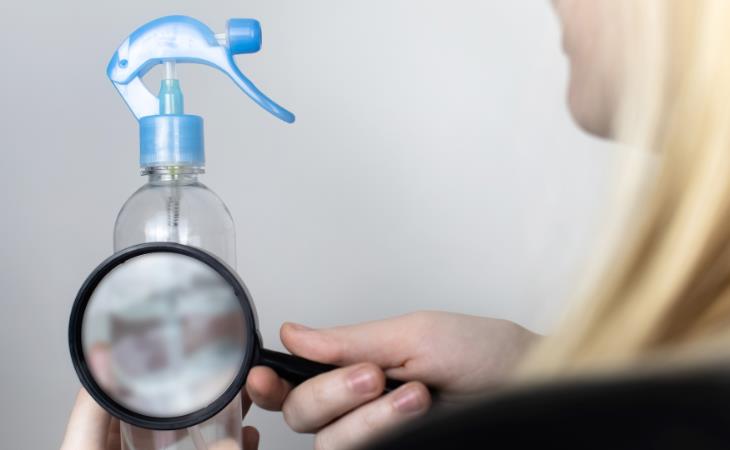
Phthalates are a group of chemicals hidden in many everyday products. Often added to plastics to make them more flexible and durable, these chemicals have been linked to lower IQ levels. Look out for them in shampoos, conditioners, and various beauty products like sprays, perfumes, and nail polish. They can also be found in household items like shower curtains, medical tubing, and even food packaging. 
 
Reducing your exposure to these chemicals is very much possible.! Opt for unscented lotions and laundry detergents. When heating food, choose glass containers over plastic. Skip air fresheners and avoid plastics labeled with numbers 3, 6, or 7. By making these simple switches, you can minimize your contact with phthalates.
 
 
2. Bisphenol A (BPA)
Harmful Toxins You Didn’t Know You Encounter Daily

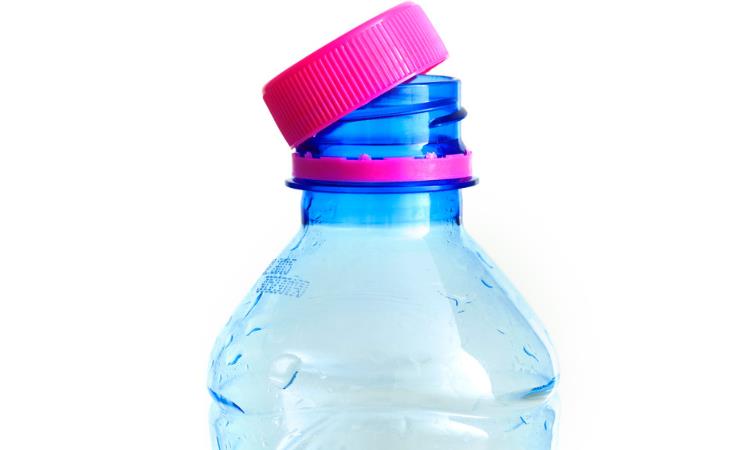
Bisphenol A, commonly called BPA, is a chemical used to create hard plastics like water bottles and food containers. It's also found in the lining of some canned goods. The issue? BPA may interfere with hormones in our bodies. 
 
Here's the concern: BPA can disrupt hormone function in the body. The European Union even classified BPA as harmful to reproduction, prompting some companies to remove it from their products. But the replacements weren't necessarily safer, just different. Companies simply switched to similar chemicals called Bisphenols, often advertised as "BPA-free" alternatives. However, these substitutes likely have similar health risks as BPA, with studies suggesting potential concerns. 
 
How to avoid them? Be cautious of quick fixes and look out for all types of Bisphenols, including BPB, BPF, BPS, BPAF, BHPF, and BPZ. 
 
 
3. Flame retardants
Harmful Toxins You Didn’t Know You Encounter Daily
 
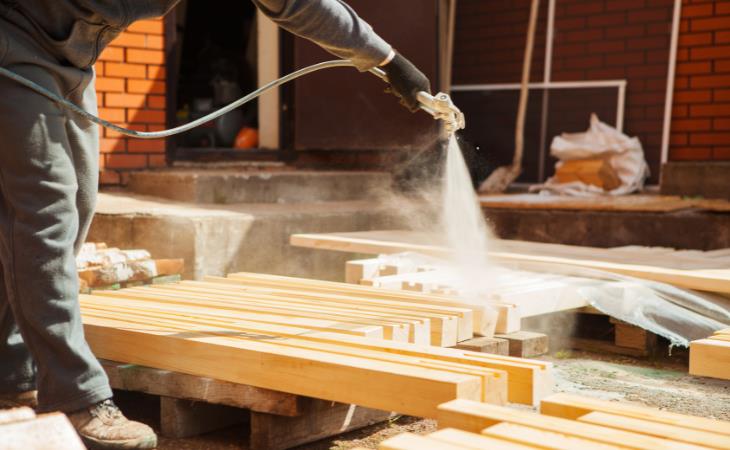
Flame retardants are chemicals added to various products to slow the spread of flames. You'll find them in electronics, insulation materials, and even foam products like children's toys and baby pillows. A concern with these flame retardants is that they can break down and release chemicals called ethers that contaminate dust. Studies suggest exposure to these ethers might be linked to thyroid problems. 
 
While there's no central list of products containing these chemicals, you can take steps to reduce exposure. Look for items labeled "flame retardant free." Since older foam products are more likely to contain them, consider replacing furniture with exposed foam, like sofas and pillows. Regularly cleaning dust with a high-efficiency HEPA filter vacuum can also help minimize exposure.


4. Per-and poly-fluoroalkyl substances (PFAS)
 
Harmful Toxins You Didn’t Know You Encounter Daily

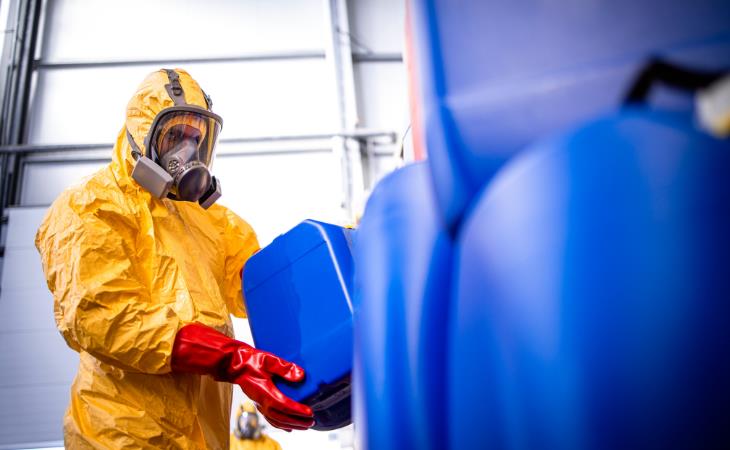
PFAS, or per- and polyfluoroalkyl substances, are a group of man-made chemicals used in a surprising number of everyday products. You'll find them in non-stick cookware coatings like Teflon, water-resistant food packaging, and stain-repellent fabrics. These chemicals are known for their exceptional durability, lasting for a very long time. In fact, they're nicknamed "forever chemicals" because they don't break down easily. This durability comes at a cost. PFAS can linger in the environment and even in our bodies for decades. Contaminated water, soil, and even food packaging can expose us to these chemicals, which have been linked to hormonal problems, various cancers, and reproductive issues. 
 
To avoid PFAS, start by ditching non-stick pans. Opt for cast iron, ceramic, or stainless steel cookware. Avoid heavily processed, pre-packaged foods. Look for unlined popcorn bags and skip microwave popcorn entirely. Choose fresh or frozen fruits and vegetables over pre-treated options. Drink filtered water whenever possible. Research healthy alternatives to stain-resistant clothing and carpets. 
 
 
5. Air pollutants
 
Harmful Toxins You Didn’t Know You Encounter Daily

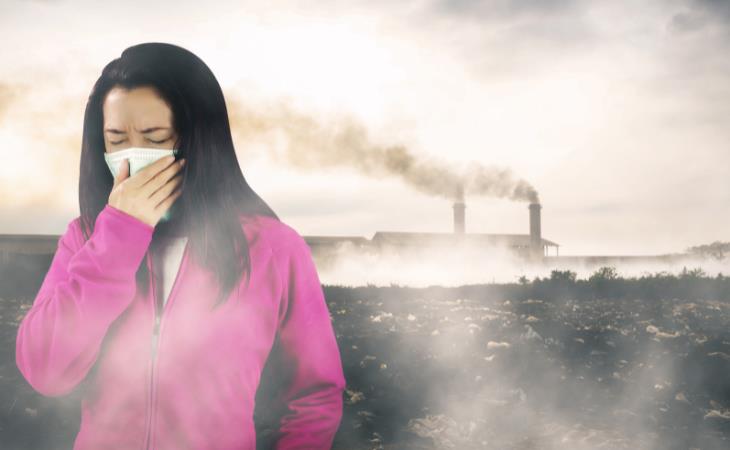
We know that air pollution from burning fossil fuels like coal, oil, and gas harms our lungs. But the dangers go beyond breathing problems. These pollutants can also include nitrogen dioxide, formaldehyde, and benzene. Studies have linked higher exposure to these pollutants with lower birth weights, premature births, and heart defects in newborns. The World Health Organization even considers exposure to benzene a significant public health concern. 
 
So, what can you do? Limiting time in polluted areas is important. Inside your home, consider buying furniture and products labeled "formaldehyde-free." Avoid particleboard, plywood, or pressed wood furniture, as the glues used in these materials often contain formaldehyde. 
 
6. Lead
Harmful Toxins You Didn’t Know You Encounter Daily

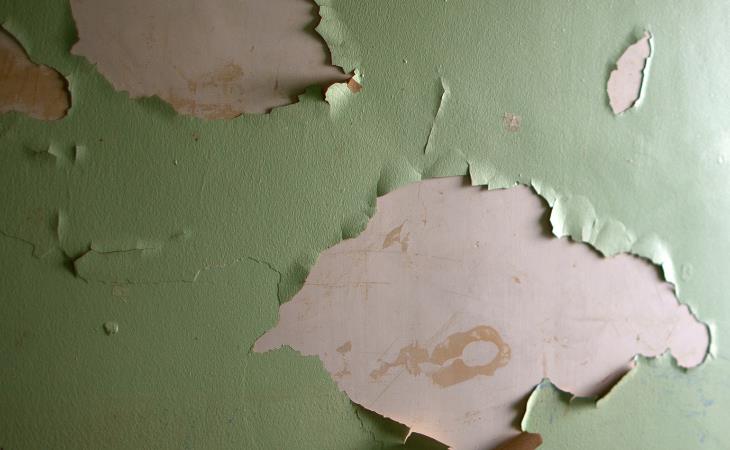
Lead, a naturally occurring metal, lurks in unexpected places. While lead was banned from gasoline decades ago, it can still be found in lead-based paint used in older homes. This paint chips and creates dust, a hidden danger for young children, who often put their hands and toys in their mouths. Lead can also contaminate water supplies due to corrosion in old pipes. Beyond paint and pipes, lead finds its way into industrial paints, car batteries, and even wheel weights. Exposure to lead has been linked to ADHD, lower IQs, and developmental delays in children. 
 
How to minimize risk?  
Test your water with a home kit or by contacting your water supplier. If your home predates 1978, consider lead testing for paint, especially if it's chipping or peeling. For paint removal or remediation, hiring a lead-safe certified professional is highly recommended. Parents concerned about potential exposure can discuss lead testing with their child's doctor. 
 
How else can I stay safe from dangerous chemicals hiding in everyday products?
The good news is you have options! To limit your exposure to these harmful chemicals, start by choosing products free of them or with safer alternatives. Read labels carefully and check ingredient databases online. Look for certifications from trusted organizations like the Environmental Working Group (EWG) that indicate a product is less likely to contain these substances. Consider using water filters at home for extra peace of mind. When cooking with non-stick pans, keep the heat low to minimize fumes potentially containing toxic chemicals. Finally, stay up-to-date on the latest research in chemical safety.


This is only for your information, kindly take the advice of your doctor for medicines, exercises and so on.   


Labels: , , , , , ,

Thursday, January 20, 2022

The Effects of Drinking Contaminated Water

We've all been told to avoid drinking dirty and/or contaminated water. But how well informed are we about the consequences of doing so? Water contamination can occur in city water supplies, well water supplies and fresh water sources, such as lakes, streams, and rivers. Read through this guide to discover more.

1. What could the water be contaminated with?  
Bacteria or chemicals, such as nitrates can contaminate the water. When a water test shows the presence of bacteria, it is considered to be unsafe to drink. Total coliform organisms, a group of bacteria found in the environment, are an indicator of the safety of your water. If present, it indicates that disease-causing organisms, including bacteria, viruses, and parasites, could potentially be present in your water supply. 
 
In addition, if any amount of E.coli bacteria is found in a water sample (E. coli generally lives in the intestines of warm-blooded animals and humans) it is known that human sewage or animal feces have contaminated the water supply. The presence of nitrates in well water is usually the result of farming activities like fertilizing. Consequently, if nitrates are at levels above 10 milligrams per liter of water, an infant may suffer from a condition known as 'blue baby syndrome' - caused by nitrates interfering with the blood's ability to carry oxygen throughout the body.
2. What are the signs of drinking contaminated water? 
When drinking contaminated water, the health effects people experience may or may not present themselves immediately. In addition, the overall health, age and physical condition of the persona are other factors which determine the extent of what is experienced. Some of the more common problems experienced from drinking impure water include, but are not limited to: 
• Gastrointestinal Problems 
• Diarrhea 
• Nausea 
• Intestinal or Stomach Cramping 
• Intestinal or Stomach Aches and Pains 
• Dehydration 
• Death 
 
However, if no signs or symptoms are experienced, it does not mean that there are no potential long-term effects. In fact, if water sources have been contaminated with radium or radon gas, it is likely that you will not notice immediate health effects. However, long-term exposure has been linked to others. In addition to this, other possible contaminants found in tainted water sources include: 
 
• E. coli Bacteria 
• Coliform Bacteria 
• Nitrates 
• Lead 
• Fluoride 
• Arsenic 
• Radium 
• Radon 
• Pharmaceuticals 
• Herbicides 
• Pesticides 
• Chemicals 
• Fecal Matter 
• Microbial Pathogens 
• Parasites 
• Viruses 
• Petrochemicals

What causes water to become contaminated?  
Contaminants can enter water supplies through various means, including being absorbed into the ground and contaminated ground water sources, broken pipes, and excess water run-off during heavy rain periods. 
 
Does dirty/contaminated water smell? 
There are instances where the water could smell or taste different. But in most cases, contaminants have no taste or odor, leaving no indication of contamination. 
 
Will boiling the water help make it safe? 
When boiling the water, it does kill most types of parasites, bacteria, and viruses. However, it can cause increased concentrations of other contaminants due to evaporation of water. 
 
How can I tell if my water is safe to drink? 
The best way to test if your water is safe and free from bacteria is to get it tested by an experienced water purification company in your area. The results will let you know exactly what is in your water and what steps you can take to improve it - such as getting quality water softeners and filters installed in your home or business.

This is only for your information, kindly take the advice of your doctor for medicines, exercises and so on.   

https://gscrochetdesigns.blogspot.com. one can see my crochet creations  
https://gseasyrecipes.blogspot.com. feel free to view for easy, simple and healthy recipes    
https://kneereplacement-stickclub.blogspot.com. for info on knee replacement

Labels: , , , , , , , , , , ,

Monday, November 01, 2021

Ways to prevent heavy metals in your baby's food

Ways to prevent heavy metals in your baby's food

Heavy metals like arsenic, lead, cadmium and mercury are everywhere in our environment and it's almost impossible to avoid them in your baby's diet. These metals have even been found in store-bought baby foods, including organic brands in unsafe levels.

But there are ways to lower the likelihood of your baby ingesting them. Here is what you can do.

​Why are metals present in baby food?

All the food, including baby food, contains some heavy metals. Metals are naturally present in water, soil and air. But metals also enter our food through pesticides and pollution. It has been found that some of America's biggest baby food manufacturers have been selling food with high levels of these metals. An analysis of 168 baby foods was done in the year 2019, it was found that 95 per cent of them had toxic metals in them. All the products have a measurable amount of at least one heavy metal, about one-third has worrisome levels of these metals and 15 per cent has health risk if eaten once a day.

Excessive consumption of these heavy metals can cause health issues and damage a child's developing brain. Public health experts have suggested that the Food and Drug Administration set safety standards for baby foods and provide more transparent labels. Currently, the FDA does not regulate the heavy metals in most baby foods.

How to avoid metal in baby's food?

It is not possible to completely avoid heavy metals lurking in your baby's food and snacks. But here are a few steps you can take to lower your baby's risk of ingesting too many metals in their diet.

- Serve them a wide variety of food that is rich in nutrients. Feeding them with a wide variety of nutrients help limit the risk of long-term exposure to heavy metals. You can start with pureed vegetables and fruits.

- Limit the rice cereals and snacks made with rice flour. Rice absorbs 10 times more arsenic than other grains. Go for whole grains instead, like barley and oats.

- Instead of processed snacks, give your child whole foods as much as possible. Snacks that are low in heavy metals include apples, unsweetened applesauce, avocados, bananas, barley with vegetables, cheese, grapes, beans, hard-boiled eggs, peaches, strawberries and yoghurt.

- Choose to breastfeed over formula milk if possible.

- Get your home's water tested for lead, if you use it for preparing the formula or cereals. Metals can get in tap water, especially if it comes through older pipes. You can use bottled water to make your baby's food.

- Avoid giving them fruit juice. No juice at all for infants and no more than 4 ounces per day for 1-3 years old, recommends the American Academy of Pediatrics.

- Limit their carrot and sweet potato intake. These two usually have heavier metals than other ground vegetables. This is because they are grown in the ground. 

​Can heavy metal in food harm the baby?

It is a bit unlikely but not impossible. As per the American Academy of Pediatrics, the heavy metals found in baby foods pose a small risk to children. But the exposure should be minimised as it can be harmful to the developing brain.

Many other things like the environment and genetics put them at risk, metal from food is just one of these factors.

Our government must regulate and set rigorous safety standards for baby food.

Should you make baby food instead of buying it?

Heavy metals are present in the products we buy, so even making homemade baby food will not make much difference. But making it at home is still a better option as they will avoid the manufacturing and packaging chemicals.  


This is only for your information, kindly take the advice of your doctor for medicines, exercises and so on.   

https://gscrochetdesigns.blogspot.com. one can see my crochet creations  
https://gseasyrecipes.blogspot.com. feel free to view for easy, simple and healthy recipes    
https://kneereplacement-stickclub.blogspot.com. for info on knee replacement


Labels: , , , , , , , , , , , , , , ,