Tuesday, May 27, 2025

6 Toxic Chemicals We’re Exposed to and How to Avoid Them

From your morning coffee to the cleaning products you use, the modern world seems filled with convenience. But hidden beneath that glossy exterior can lurk a silent threat: toxic chemicals. A recent study by the Silent Spring Institute and UC Berkeley lays bare the shocking truth – Americans are exposed to tons of these harmful substances every year, simply by using everyday products.

While regulations attempt to establish "safe" levels for some chemicals, the long-term health impacts remain a question mark. Many of these substances persist in our environment for years after they've been used, raising concerns about their lasting effects. Furthermore, the sheer volume of chemicals in circulation – over 84,000, with only a fraction tested for safety – paints a worrying picture. 
 
So, how can we navigate this unseen minefield? The answer lies in awareness and understanding. Let's take a look at the six common toxic chemicals that we are exposed to on a daily basis and what can we do to avoid them. 
 
1. Phthalates 
Harmful Toxins You Didn’t Know You Encounter Daily

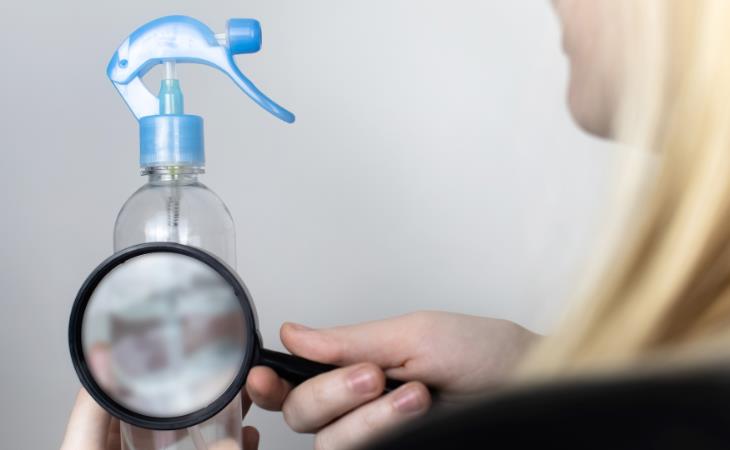
Phthalates are a group of chemicals hidden in many everyday products. Often added to plastics to make them more flexible and durable, these chemicals have been linked to lower IQ levels. Look out for them in shampoos, conditioners, and various beauty products like sprays, perfumes, and nail polish. They can also be found in household items like shower curtains, medical tubing, and even food packaging. 
 
Reducing your exposure to these chemicals is very much possible.! Opt for unscented lotions and laundry detergents. When heating food, choose glass containers over plastic. Skip air fresheners and avoid plastics labeled with numbers 3, 6, or 7. By making these simple switches, you can minimize your contact with phthalates.
 
 
2. Bisphenol A (BPA)
Harmful Toxins You Didn’t Know You Encounter Daily

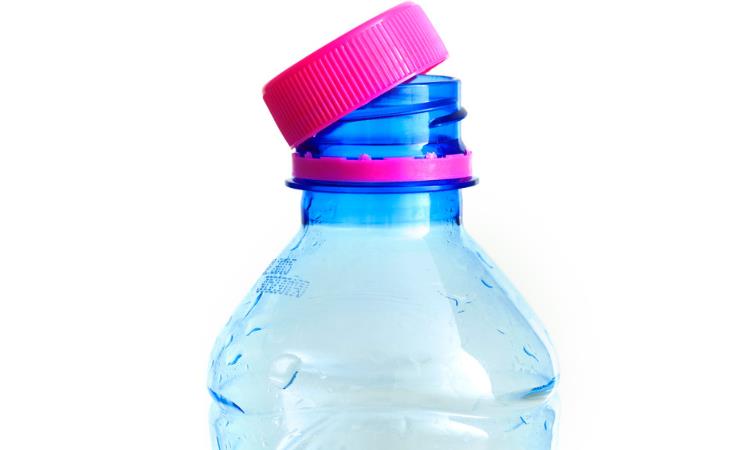
Bisphenol A, commonly called BPA, is a chemical used to create hard plastics like water bottles and food containers. It's also found in the lining of some canned goods. The issue? BPA may interfere with hormones in our bodies. 
 
Here's the concern: BPA can disrupt hormone function in the body. The European Union even classified BPA as harmful to reproduction, prompting some companies to remove it from their products. But the replacements weren't necessarily safer, just different. Companies simply switched to similar chemicals called Bisphenols, often advertised as "BPA-free" alternatives. However, these substitutes likely have similar health risks as BPA, with studies suggesting potential concerns. 
 
How to avoid them? Be cautious of quick fixes and look out for all types of Bisphenols, including BPB, BPF, BPS, BPAF, BHPF, and BPZ. 
 
 
3. Flame retardants

Harmful Toxins You Didn’t Know You Encounter Daily
 
Flame retardants are chemicals added to various products to slow the spread of flames. You'll find them in electronics, insulation materials, and even foam products like children's toys and baby pillows. A concern with these flame retardants is that they can break down and release chemicals called ethers that contaminate dust. Studies suggest exposure to these ethers might be linked to thyroid problems. 
 
While there's no central list of products containing these chemicals, you can take steps to reduce exposure. Look for items labeled "flame retardant free." Since older foam products are more likely to contain them, consider replacing furniture with exposed foam, like sofas and pillows. Regularly cleaning dust with a high-efficiency HEPA filter vacuum can also help minimize exposure.


4. Per-and poly-fluoroalkyl substances (PFAS)
 
Harmful Toxins You Didn’t Know You Encounter Daily

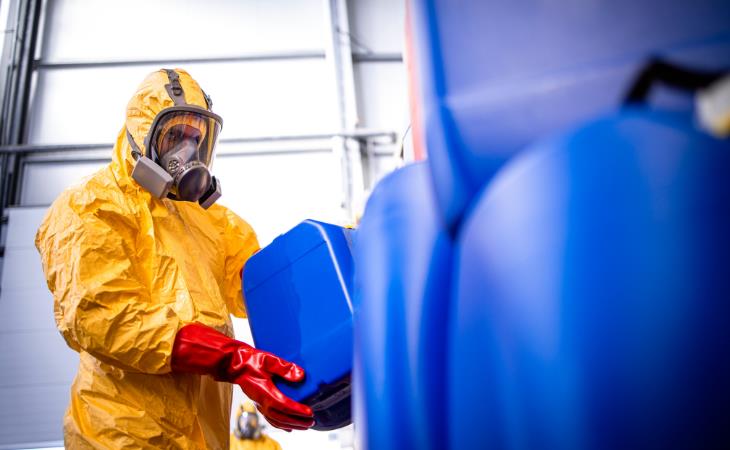
PFAS, or per- and polyfluoroalkyl substances, are a group of man-made chemicals used in a surprising number of everyday products. You'll find them in non-stick cookware coatings like Teflon, water-resistant food packaging, and stain-repellent fabrics. These chemicals are known for their exceptional durability, lasting for a very long time. In fact, they're nicknamed "forever chemicals" because they don't break down easily. This durability comes at a cost. PFAS can linger in the environment and even in our bodies for decades. Contaminated water, soil, and even food packaging can expose us to these chemicals, which have been linked to hormonal problems, various cancers, and reproductive issues. 
 
To avoid PFAS, start by ditching non-stick pans. Opt for cast iron, ceramic, or stainless steel cookware. Avoid heavily processed, pre-packaged foods. Look for unlined popcorn bags and skip microwave popcorn entirely. Choose fresh or frozen fruits and vegetables over pre-treated options. Drink filtered water whenever possible. Research healthy alternatives to stain-resistant clothing and carpets. 
 
 
5. Air pollutants
 
Harmful Toxins You Didn’t Know You Encounter Daily

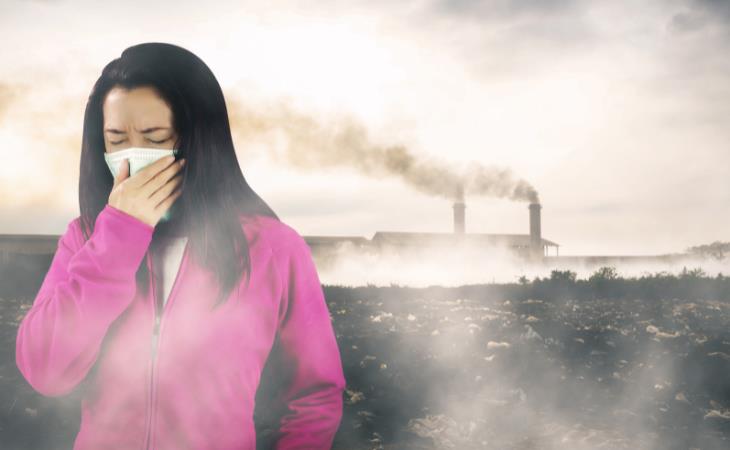
We know that air pollution from burning fossil fuels like coal, oil, and gas harms our lungs. But the dangers go beyond breathing problems. These pollutants can also include nitrogen dioxide, formaldehyde, and benzene. Studies have linked higher exposure to these pollutants with lower birth weights, premature births, and heart defects in newborns. The World Health Organization even considers exposure to benzene a significant public health concern. 
 
So, what can you do? Limiting time in polluted areas is important. Inside your home, consider buying furniture and products labeled "formaldehyde-free." Avoid particleboard, plywood, or pressed wood furniture, as the glues used in these materials often contain formaldehyde. 
 
6. Lead
Harmful Toxins You Didn’t Know You Encounter Daily

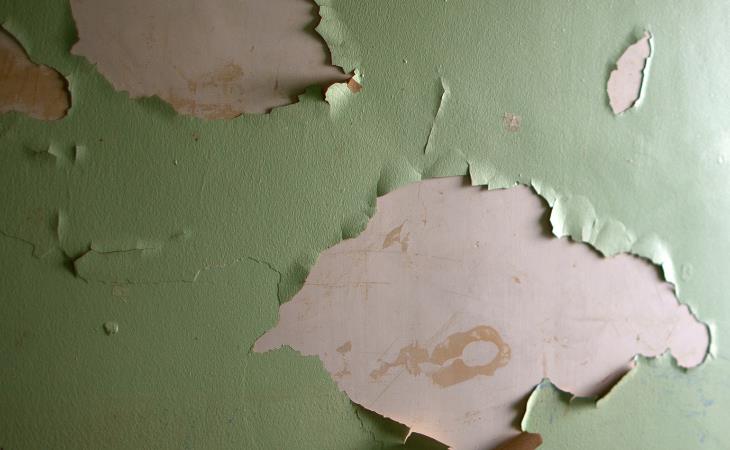
Lead, a naturally occurring metal, lurks in unexpected places. While lead was banned from gasoline decades ago, it can still be found in lead-based paint used in older homes. This paint chips and creates dust, a hidden danger for young children, who often put their hands and toys in their mouths. Lead can also contaminate water supplies due to corrosion in old pipes. Beyond paint and pipes, lead finds its way into industrial paints, car batteries, and even wheel weights. Exposure to lead has been linked to ADHD, lower IQs, and developmental delays in children. 
 
How to minimize risk?  
Test your water with a home kit or by contacting your water supplier. If your home predates 1978, consider lead testing for paint, especially if it's chipping or peeling. For paint removal or remediation, hiring a lead-safe certified professional is highly recommended. Parents concerned about potential exposure can discuss lead testing with their child's doctor. 
 
How else can I stay safe from dangerous chemicals hiding in everyday products?
The good news is you have options! To limit your exposure to these harmful chemicals, start by choosing products free of them or with safer alternatives. Read labels carefully and check ingredient databases online. Look for certifications from trusted organizations like the Environmental Working Group (EWG) that indicate a product is less likely to contain these substances. Consider using water filters at home for extra peace of mind. When cooking with non-stick pans, keep the heat low to minimize fumes potentially containing toxic chemicals. Finally, stay up-to-date on the latest research in chemical safety.


This is only for your information, kindly take the advice of your doctor for medicines, exercises and so on.   


Labels: , , , , , ,

Wednesday, May 25, 2022

Scientists Say Pollutants Are Helping Fuel Weight Gain

According to a new study, environmental pollution is worsening global obesity rates. But how are the two related? A major scientific review says that pollutants can upset the human body’s "metabolic thermostat" and even cause obesity to be passed on to children.

The concept that toxins are known as "obesogens" can affect how the body regulates weight is not yet widely accepted. However, the hundreds of scientists involved in this study argue that the evidence is now so strong that it cannot be overlooked. 
 
They further mention that the most alarming facet of the proof is that some chemical effects that cause weight gain are likely to be passed on through generations by altering gene function. The researchers attribute obesity to pollutants like bisphenol A (BPA), which is often added to plastics, a few pesticides, flame retardants, and air pollution. 
 
Global obesity has tripled since 1975. Today, more people are obese or overweight than underweight. Disturbingly, the obesity rates are rising in every nation analyzed and data shows that almost 2 billion people and 40 million children under the age of five are either overweight or fat.

Dr. Jerrold Heindel, the lead author of one of the three review papers, says that the focus of the clinical people is on calories - if you consume more calories, you'll gain weight. So, they wait until you get overweight, and then start providing you with weight-reduction plans, remedies, or surgical procedures. “If that really worked, we should see a decline in the rates of obesity,” he said. “But we don’t – obesity continues to rise, especially in children. The real question is, why do people eat more? The obesogenic paradigm focuses on that and provides data that indicate that these chemicals are what can do that.” 
 
Furthermore, the scientists involved in the study say that the approach can prevent obesity by limiting pollution exposure, especially in pregnant women and newborns.

Various Supporting Studies 
 
More than 40 scientists submitted three review papers in the peer-reviewed journal Biochemical Pharmacology and citing 1,400 studies. They note that these compounds may be found in water as well as dust, food packaging, personal hygiene products, home cleaners, furniture, and electronics. 
 
Based on investigations of human cells and animals and epidemiological studies of people, the review identified about 50 chemical compounds as having solid evidence of obesogenic effects. These include BPA, a plastic additive, and phthalates. A 2020 analysis of 15 studies discovered a major connection between BPA levels and obesity in adults in 12 of them.

Pesticides, such as DDT and tributyltin, outdated flame retardants and their new substitutes, dioxins, PCBs, and air pollution are all different kinds of obesogens. The latest research has linked childhood exposure to filthy air to obesity. 
 
The review also labels PFAS compounds (also called “forever chemicals”) as obesogens because of their long-term persistence in the environment. These are typically found in food packaging, kitchenware, and furnishings, as well as some kid car seats. A two-year, randomized scientific trial published in 2018 discovered that people with the highest PFAS levels, especially women, gained more weight after dieting. 
 
It has been well documented that antidepressants can also cause weight gain. Heindel added that this is a proof drugs designed for one purpose can have uncomfortable side effects that intervene with our metabolism. Different artificial sweeteners and triclosan, an antibacterial agent banned from some usage in the United States in 2017, have also been identified as obesogens.

How It Works 
 
The study further states that obesogens work by disrupting the body's "metabolic thermostat”. This makes it easier to gain weight and harder to lose it. 
 
The scientists mentioned that pollutants can directly impact the number and size of fat cells, change the signals that make people feel full, and change thyroid function and the dopamine reward system. They can also affect the gut flora (the microbiome within the intestine) and cause weight gain by making the absorption of calories from the intestines easier. 
 
Prof Robert Lustig at the University of California, San Francisco, and lead author of another of the reviews, says that the chemicals dumped in the environment have these side effects as they make the cells do things they would not do in any other case, and one of those things is laying down fat. 
 
The researchers further state that we've got four or five chemicals that will also cause transgenerational epigenetic obesity. They are referring to the inherited alterations in gene expression. A 2021 study found that a woman's exposure to DDT could affect her granddaughter's obesity levels today. This, despite the fact that the granddaughters were never directly exposed to the long-banned pesticide.

What Can Be Done?  
 
As of now, it’s not known exactly much of the obesity pandemic may be caused by obesogens. However, Heindel says that “obesogens will account for about 15% to 20% of the obesity epidemic”. This is an excessive amount, he says, and attributes the remaining to processed meal diets, which themselves contain some obesogens. 
 
Unfortunately, cutting exposure to obesogens is difficult. This is because there are now 350,000 artificial chemical compounds and many of which are widespread within the environment. Nonetheless, those known to be harmful can be removed from sale.

Additionally, expectant moms can modify what they eat and keep a close watch on what their kids play with during their first 12 months. “Studies have shown modifying diets can within a week or so cause a significant drop in several obesogens,” Heindel mentions. 
 
The researchers say that the cause is quite common and is also profitable for a lot of chemical firms. However, they feel that the “knowledge gap” among doctors, regulators, and policymakers must be addressed. 
 
It remains to be seen how other researchers react to this study. But if the data is strong enough, obesity researchers and clinicians would certainly need to start paying serious attention to the issue.


This is only for your information, kindly take the advice of your doctor for medicines, exercises and so on.   

https://gscrochetdesigns.blogspot.com. one can see my crochet creations  
https://gseasyrecipes.blogspot.com. feel free to view for easy, simple and healthy recipes    
https://kneereplacement-stickclub.blogspot.com. for info on knee replacement


Labels: , , , , , , , , ,