Saturday, October 10, 2026

Air Pollution May Increase the Risk of Alzheimer’s Disease

It is common knowledge that a high level of pollutants in the air can affect the respiratory system of those frequently exposed to it, but it might not be the only system affected. With the increasing number of cars taking to the streets and factories burning chemicals and churning out smog, air pollution across the globe is at a new all-time high and continuing to rise. Even the air in your own home may not be safe.

This raises a great number of concerns about the effects of this pollution on the environment and the numerous illnesses and ailments that can be caused by this rise in air pollution. A recent study has now shown another major concern of air pollution, namely, the devastating effects it has on the brain, increasing the risk of dementia and possibly contributing to the development of Alzheimer’s Disease. 

The Subject Matter

This study was published by a team of 22 scientists on November 20th, 2019, in Oxford academic’s Brain, A Journal of Neurology. The study sought to determine whether increased exposure to particulate matter (the sum of all solid and liquid particles suspended in the air that can be hazardous to human health) would result in a higher risk of Alzheimer’s disease and other forms of dementia. 

Similar studies linking poor air quality and dementia have been carried out in the past. However, this study was carried out by taking frequent brain scans to determine the changes to brain structures, as well as periodic memory assessments to assess the effects on memory.

Who were the test subjects?

 Participants were women between 73 years and 87 years of age. The residential history of the possible test subjects was looked into, as well as environmental data collected through years of air monitoring and atmospheric chemistry. 

The particulate matter in the air had to have a specified aerodynamic diameter in order for it to be considered truly polluted. The test subjects were then selected based on their average exposure to that particular level and size of particulate matter for the past 3 years, with the help of an initial MRI scan, prior to collecting the historical information of the subjects, to help determine if the subjects were suffering from early signs of Alzheimer’s or found to be at great risk of developing Alzheimer’s. 

The results
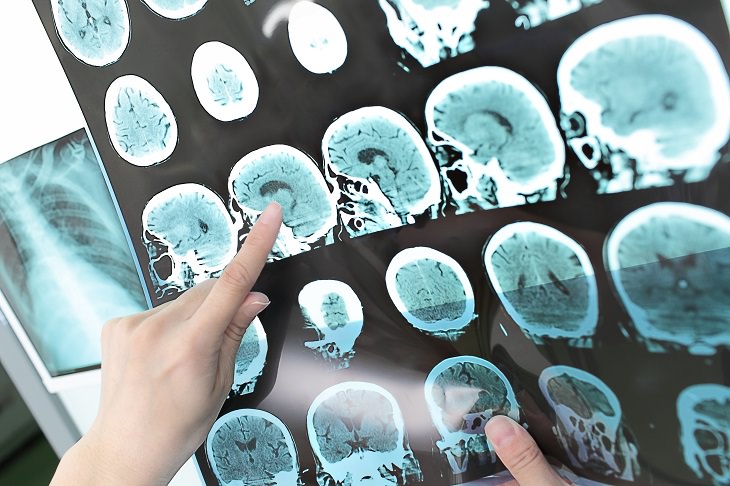
new study reveals air pollution can increase risk of dementia and alzheimer's disease, numerous brain scans on one sheet being viewed
One set of tests revealed a greater decline in short term memory and newer learning and comprehension abilities was associated with the prolonged presence of the polluted particulate matter over a relatively short period of time, while declines in long term memory and IQ were found to be unrelated to the effects of the particulate matter in that time. In general, it was found that the rate of decline of these brain functions accelerated in each quarter. 

3 other trials in the study looked at the effects of long term exposure to polluted particulate matter. In these tests, such long term exposure was found to be associated with an increase in the Alzheimer’s pattern similarity scores. This particular negative effect showed an increased risk of Alzheimer’s disease developing or worsening and accounted for a whopping sum total of nearly 23% of the total adverse effects of the polluted particulate matter on the brain, as revealed by regularly carried out MRI scans.

So what does all this means?
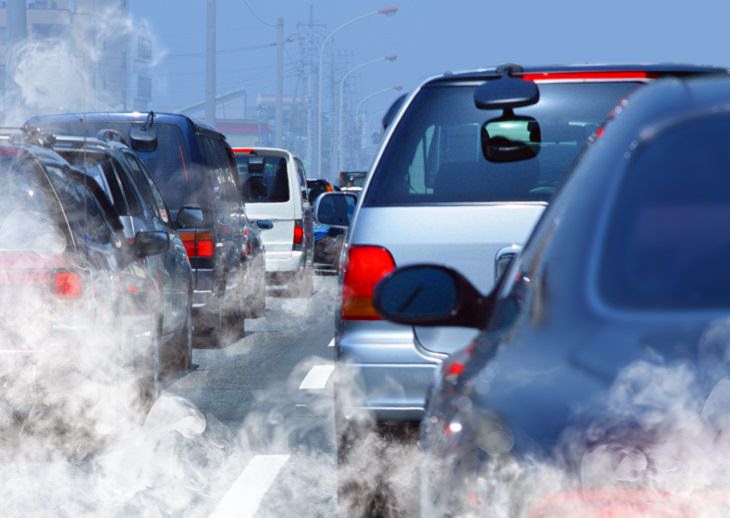
 new study reveals air pollution can increase risk of dementia and alzheimer's disease, line of cars on a highway with smoke and pollution from the cars in the air

The findings of this study essentially illustrated that continuous exposure to the polluted particulate matter affected the memory negatively, as it did the gray matter of the brain, the latter of which is associated highly with an increased risk of Alzheimer’s disease. 

Andrew Petkus, an assistant professor of clinical neurology University of South California’s Keck School of Medicine, located in L.A, and also a co-author of this study explained the conclusion best, stating, “This is the first study to really show, in a statistical model, that air pollution was associated with changes in people's brains and that those changes were then connected with declines in memory performance”.


This is only for your information, kindly take the advice of your doctor for food, medicines, exercises and so on.   


Labels: , , , , , ,

Tuesday, May 27, 2025

6 Toxic Chemicals We’re Exposed to and How to Avoid Them

From your morning coffee to the cleaning products you use, the modern world seems filled with convenience. But hidden beneath that glossy exterior can lurk a silent threat: toxic chemicals. A recent study by the Silent Spring Institute and UC Berkeley lays bare the shocking truth – Americans are exposed to tons of these harmful substances every year, simply by using everyday products.

While regulations attempt to establish "safe" levels for some chemicals, the long-term health impacts remain a question mark. Many of these substances persist in our environment for years after they've been used, raising concerns about their lasting effects. Furthermore, the sheer volume of chemicals in circulation – over 84,000, with only a fraction tested for safety – paints a worrying picture. 
 
So, how can we navigate this unseen minefield? The answer lies in awareness and understanding. Let's take a look at the six common toxic chemicals that we are exposed to on a daily basis and what can we do to avoid them. 
 
1. Phthalates 
Harmful Toxins You Didn’t Know You Encounter Daily

Phthalates are a group of chemicals hidden in many everyday products. Often added to plastics to make them more flexible and durable, these chemicals have been linked to lower IQ levels. Look out for them in shampoos, conditioners, and various beauty products like sprays, perfumes, and nail polish. They can also be found in household items like shower curtains, medical tubing, and even food packaging. 
 
Reducing your exposure to these chemicals is very much possible.! Opt for unscented lotions and laundry detergents. When heating food, choose glass containers over plastic. Skip air fresheners and avoid plastics labeled with numbers 3, 6, or 7. By making these simple switches, you can minimize your contact with phthalates.
 
 
2. Bisphenol A (BPA)
Harmful Toxins You Didn’t Know You Encounter Daily

Bisphenol A, commonly called BPA, is a chemical used to create hard plastics like water bottles and food containers. It's also found in the lining of some canned goods. The issue? BPA may interfere with hormones in our bodies. 
 
Here's the concern: BPA can disrupt hormone function in the body. The European Union even classified BPA as harmful to reproduction, prompting some companies to remove it from their products. But the replacements weren't necessarily safer, just different. Companies simply switched to similar chemicals called Bisphenols, often advertised as "BPA-free" alternatives. However, these substitutes likely have similar health risks as BPA, with studies suggesting potential concerns. 
 
How to avoid them? Be cautious of quick fixes and look out for all types of Bisphenols, including BPB, BPF, BPS, BPAF, BHPF, and BPZ. 
 
 
3. Flame retardants
Harmful Toxins You Didn’t Know You Encounter Daily
 
Flame retardants are chemicals added to various products to slow the spread of flames. You'll find them in electronics, insulation materials, and even foam products like children's toys and baby pillows. A concern with these flame retardants is that they can break down and release chemicals called ethers that contaminate dust. Studies suggest exposure to these ethers might be linked to thyroid problems. 
 
While there's no central list of products containing these chemicals, you can take steps to reduce exposure. Look for items labeled "flame retardant free." Since older foam products are more likely to contain them, consider replacing furniture with exposed foam, like sofas and pillows. Regularly cleaning dust with a high-efficiency HEPA filter vacuum can also help minimize exposure.


4. Per-and poly-fluoroalkyl substances (PFAS)
 
Harmful Toxins You Didn’t Know You Encounter Daily

PFAS, or per- and polyfluoroalkyl substances, are a group of man-made chemicals used in a surprising number of everyday products. You'll find them in non-stick cookware coatings like Teflon, water-resistant food packaging, and stain-repellent fabrics. These chemicals are known for their exceptional durability, lasting for a very long time. In fact, they're nicknamed "forever chemicals" because they don't break down easily. This durability comes at a cost. PFAS can linger in the environment and even in our bodies for decades. Contaminated water, soil, and even food packaging can expose us to these chemicals, which have been linked to hormonal problems, various cancers, and reproductive issues. 
 
To avoid PFAS, start by ditching non-stick pans. Opt for cast iron, ceramic, or stainless steel cookware. Avoid heavily processed, pre-packaged foods. Look for unlined popcorn bags and skip microwave popcorn entirely. Choose fresh or frozen fruits and vegetables over pre-treated options. Drink filtered water whenever possible. Research healthy alternatives to stain-resistant clothing and carpets. 
 
 
5. Air pollutants
 
Harmful Toxins You Didn’t Know You Encounter Daily

We know that air pollution from burning fossil fuels like coal, oil, and gas harms our lungs. But the dangers go beyond breathing problems. These pollutants can also include nitrogen dioxide, formaldehyde, and benzene. Studies have linked higher exposure to these pollutants with lower birth weights, premature births, and heart defects in newborns. The World Health Organization even considers exposure to benzene a significant public health concern. 
 
So, what can you do? Limiting time in polluted areas is important. Inside your home, consider buying furniture and products labeled "formaldehyde-free." Avoid particleboard, plywood, or pressed wood furniture, as the glues used in these materials often contain formaldehyde. 
 
6. Lead
Harmful Toxins You Didn’t Know You Encounter Daily

Lead, a naturally occurring metal, lurks in unexpected places. While lead was banned from gasoline decades ago, it can still be found in lead-based paint used in older homes. This paint chips and creates dust, a hidden danger for young children, who often put their hands and toys in their mouths. Lead can also contaminate water supplies due to corrosion in old pipes. Beyond paint and pipes, lead finds its way into industrial paints, car batteries, and even wheel weights. Exposure to lead has been linked to ADHD, lower IQs, and developmental delays in children. 
 
How to minimize risk?  
Test your water with a home kit or by contacting your water supplier. If your home predates 1978, consider lead testing for paint, especially if it's chipping or peeling. For paint removal or remediation, hiring a lead-safe certified professional is highly recommended. Parents concerned about potential exposure can discuss lead testing with their child's doctor. 
 
How else can I stay safe from dangerous chemicals hiding in everyday products?
The good news is you have options! To limit your exposure to these harmful chemicals, start by choosing products free of them or with safer alternatives. Read labels carefully and check ingredient databases online. Look for certifications from trusted organizations like the Environmental Working Group (EWG) that indicate a product is less likely to contain these substances. Consider using water filters at home for extra peace of mind. When cooking with non-stick pans, keep the heat low to minimize fumes potentially containing toxic chemicals. Finally, stay up-to-date on the latest research in chemical safety.


This is only for your information, kindly take the advice of your doctor for medicines, exercises and so on.   


Labels: , , , , , ,

Tuesday, February 18, 2020

Air pollution's tiny particles may trigger heart attacks

Researchers have found that even a few hours' exposure to ambient ultrafine particles common in air pollution may potentially trigger a non-fatal heart attack.

Myocardial infarction is a major form of cardiovascular disease worldwide. Ultrafine particles (UFP) are 100 nanometres or smaller in size. In urban areas, automobile emissions are the primary source of UFP.

For the study, published in the journal Environmental Health Perspectives, researchers investigated the effects of UFP exposure and heart attacks using the number of particles and the particle length and surface area concentrations at hourly intervals of exposure.

"This study confirms something that has long been suspected--air pollution's tiny particles can play a role in serious heart disease. This is particularly true within the first few hours of exposure," said the study's first author Kai Chen, Assistant Professor at Yale University in the US.

UFP constitute a health risk due to their small size, large surface areas per unit of mass, and their ability to penetrate the cells and get into the blood system, the study said.

The researchers were interested in whether transient UFP exposure could trigger heart attacks and whether alternative metrics such as particle length and surface area concentrations could improve the investigation of UFP-related health effects.

The research team examined data from a registry of all non-fatal MI cases in Augsburg, Germany.

The study looked at more than 5,898 non-fatal heart attack patients between 2005 and 2015.

The individual heart attacks were compared against air pollution UFP data on the hour of the heart attack and adjusted for a range of additional factors, such as the day of the week, long-term time trend and socio-economic status.

"This represents an important step toward understanding the appropriate indicator of ultrafine particles exposure in determining the short-term health effects, as the effects of particle length and surface concentrations were stronger than the ones of particle number concentration and remained similar after adjustment for other air pollutants," said Chen.

"Our future analyses will examine the combined hourly exposures to both air pollution and extreme temperature. We will also identify vulnerable subpopulations regarding pre-existing diseases and medication intake," Chen added.


This is only for your information, kindly take the advice of your doctor for medicines, exercises and so on.     
https://gscrochetdesigns.blogspot.com. one can see my crochet creations  
https://gseasyrecipes.blogspot.com. feel free to view for easy, simple and healthy recipes    
https://kneereplacement-stickclub.blogspot.com. for info on knee replacement
 

Labels: , , , , , , , , , ,