Wednesday, February 26, 2025

Eat the Peels of These 10 Fruit and Vegetables

In all probability, the first thing you do when eating an orange is tear off the peel and chuck it straight in the trash. Well, guess what? By doing this, you’re missing out on a load of nutrients. For example, an orange peel has nearly twice the amount of vitamins as the flesh inside, and though it might sound a bit gross at first, there are plenty of ways you can incorporate orange peels into your diet.
The same can be said for a lot of fruits and vegetables. Below are 10 foods with nutritious peels that you should be eating, alongside some suggestions on how you can add them to your diet.  
 
Apples
10 Fruit and Vegetables Healthy PeelsAn apple’s skin contains around half of the apple’s overall dietary fiber content. A medium-sized apple delivers 9 milligrams of vitamin C, 100 IUs of vitamin A, and 200 grams of potassium. By taking off the peel, you lose a third of those nutrients. To add to this, the peel has 4 times more vitamin K than its flesh, about 5% of your daily value. Vitamin K helps to form blood clots when you have a bad cut, and also helps to activate the proteins your body needs for cell growth and healthy bone maintenance. 
 
An apple’s skin also contains the antioxidant quercetin, which can help lung function, ease breathing problems, and protect your lungs from irritants. Furthermore, it’s also believed to be able to fight off brain tissue damage and protect your memory.

Potatoes
A potato’s skin packs more iron, magnesium, calcium, potassium, vitamin B6, and vitamin C than the rest of the potato. For example, 100 grams of potato peel packs seven times more calcium and 17 times more iron than the same amount of potato flesh. Throw away the skin, and you’ll lose up to 90% of a potato’s iron content and half of its fiber. 
 
Oranges
The peel of an orange packs twice as much vitamin C than the fruit inside. It also has higher concentrations of vitamin B6, magnesium, calcium, potassium, and riboflavin. The peel’s flavonoids have anti-cancer and anti-inflammatory properties. 
 
 As nutritious as orange peels are, you’re probably not going to want to start eating oranges whole as the peel is bitter and hard to digest. Instead, grate the peel and sprinkle it on to of a salad or in a vinaigrette dressing. 
 
Cucumbers
10 Fruit and Vegetables Healthy Peels
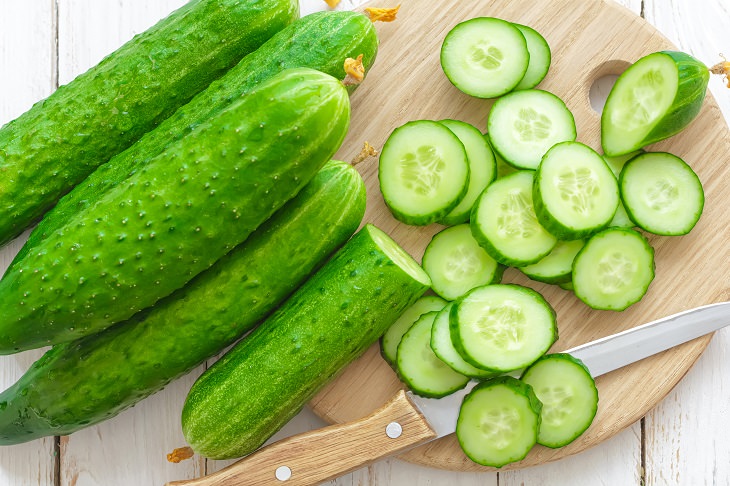
The skin contains most of the cucumber’s antioxidants, insoluble fiber and potassium. It also contains most of the vitamin K. The next time you have a salad, make it a point not to peel your cucumbers.

Kiwi
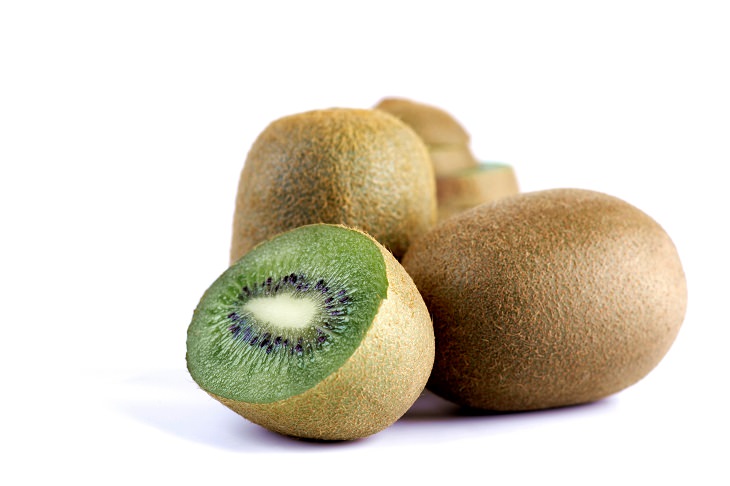
10 Fruit and Vegetables Healthy Peels You’ve probably been spooning out the green flesh from inside your kiwis for years, but this fruit’s fuzzy exterior is also edible. In fact, the skin contains more flavonoids, vitamin C, and antioxidants than the fruit – and double the fiber. So, ditch the spoon, wash the kiwi, and eat it like a peach. 
 
Eggplant 
10 Fruit and Vegetables Healthy Peels

An eggplant’s purple color comes from a powerful antioxidant known as nasunin, which helps to protect against cancer, especially in the brain and other parts of the nervous system. It’s also believed to have anti-aging properties. 
 
Eggplant skin is also rich in chlorogenic acid, a phytochemical that boasts antioxidant and anti-inflammatory properties, and promotes glucose tolerance. 
 
Mango
10 Fruit and Vegetables Healthy Peels
Researchers have found that mango skin contains properties that are similar to Resveratrol, which helps to burn fat and inhibits the production of mature fat cells. Mango flesh was also tested, but this did not produce the same results, which suggests that you need to eat the skin in order to get this beneficial property.
 
Mango peel also contains larger quantities of polyphenols, omega-3, and polyunsaturated fatty acids than its flesh. Mango skin also contains compounds that fight off cancer, diabetes, and heart disease. 
 
Mango skin can be eaten raw, or cooked along with the insides. Another way to eat both the flesh and the skin is to pickle the entire mango.

Carrots
Since the skin of a carrot is the same color as what’s beneath it, the peel and its flesh have similar nutritional value. However, the highest concentration of phytonutrients is found in a carrot’s skin or immediately underneath. Just wash the carrot rather than peeling it. 
 
Onions
Like apple and mango skin, an onion’s skin contains quercetin. Although the skin is not directly edible, you can draw out some of its nutrients by adding it to a stock. 
 
Banana
Banana peel contains a lot more fiber than banana flesh, and is just as rich in potassium. The peel also contains lutein, a powerful antioxidant that plays a key role in maintaining healthy eye function. The amino acid, known as tryptophan, is also more concentrated in the peel than in the flesh. This amino acid helps to ease depression by increasing the body’s levels of serotonin, a neurotransmitter in the brain that affects mood. 
 
Although the peel has a bitter taste and a tough, ropey consistency, an overripe banana becomes thinner, sweeter, and easier to chew. You can also put the peel through a juicer with the rest of the banana. Or, you can boil the peel for several minutes to make it softer, or throw it in the frying pan.


This is only for your information, kindly take the advice of your doctor for medicines, exercises and so on.   


Labels: , , , , , , , , , , , , ,

Friday, September 09, 2022

Eat the Peels of These 10 Fruit and Vegetables

In all probability, the first thing you do when eating an orange is tear off the peel and chuck it straight in the trash. Well, guess what? By doing this, you’re missing out on a load of nutrients. For example, an orange peel has nearly twice the amount of vitamins as the flesh inside, and though it might sound a bit gross at first, there are plenty of ways you can incorporate orange peels into your diet.
The same can be said for a lot of fruits and vegetables. Below are 10 foods with nutritious peels that you should be eating, alongside some suggestions on how you can add them to your diet. 
 
 Apples
10 Fruit and Vegetables Healthy Peels
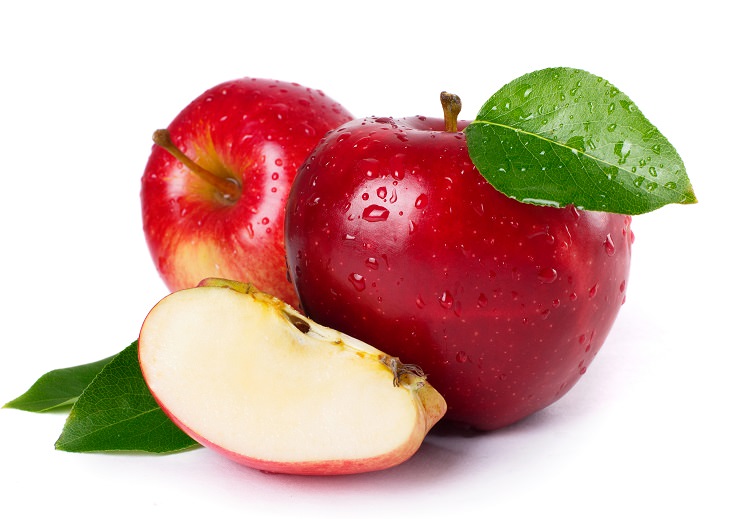
An apple’s skin contains around half of the apple’s overall dietary fiber content. A medium-sized apple delivers 9 milligrams of vitamin C, 100 IUs of vitamin A, and 200 grams of potassium. By taking off the peel, you lose a third of those nutrients. To add to this, the peel has 4 times more vitamin K than its flesh, about 5% of your daily value. Vitamin K helps to form blood clots when you have a bad cut, and also helps to activate the proteins your body needs for cell growth and healthy bone maintenance. 
 
An apple’s skin also contains the antioxidant quercetin, which can help lung function, ease breathing problems, and protect your lungs from irritants. Furthermore, it’s also believed to be able to fight off brain tissue damage and protect your memory.

Potatoes
A potato’s skin packs more iron, magnesium, calcium, potassium, vitamin B6, and vitamin C than the rest of the potato. For example, 100 grams of potato peel packs seven times more calcium and 17 times more iron than the same amount of potato flesh. Throw away the skin, and you’ll lose up to 90% of a potato’s iron content and half of its fiber. 
 
Oranges
10 Fruit and Vegetables Healthy Peels
The peel of an orange packs twice as much vitamin C than the fruit inside. It also has higher concentrations of vitamin B6, magnesium, calcium, potassium, and riboflavin. The peel’s flavonoids have anti-cancer and anti-inflammatory properties. 
 
As nutritious as orange peels are, you’re probably not going to want to start eating oranges whole as the peel is bitter and hard to digest. Instead, grate the peel( not the white part, as that will be bitter) and sprinkle it on to of a salad or in a vinaigrette dressing. 
 
Cucumbers
10 Fruit and Vegetables Healthy Peels
The skin contains most of the cucumber’s antioxidants, insoluble fiber and potassium. It also contains most of the vitamin K. The next time you have a salad, make it a point not to peel your cucumbers.  
 
Kiwis
10 Fruit and Vegetables Healthy Peels
You’ve probably been spooning out the green flesh from inside your kiwis for years, but this fruit’s fuzzy exterior is also edible. In fact, the skin contains more flavonoids, vitamin C, and antioxidants than the fruit – and double the fiber. So, ditch the spoon, wash the kiwi, and eat it like a peach.  
 
Eggplant
10 Fruit and Vegetables Healthy Peels
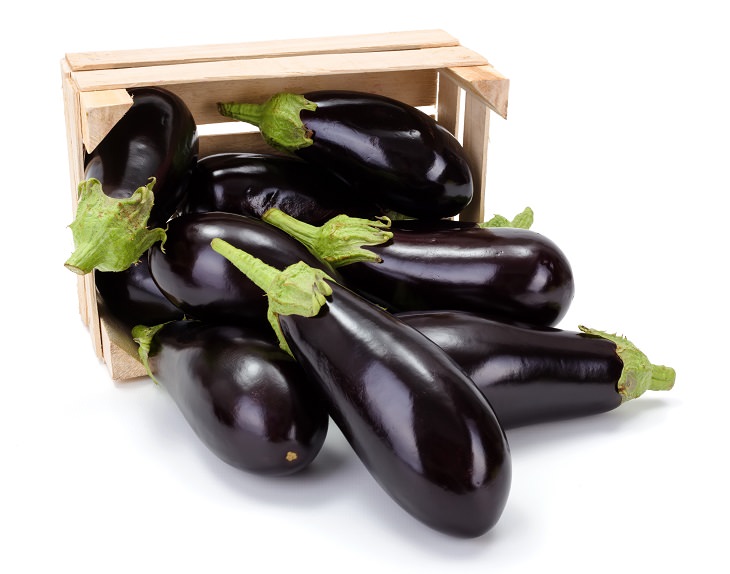
An eggplant’s purple color comes from a powerful antioxidant known as nasunin, which helps to protect against cancer, especially in the brain and other parts of the nervous system. It’s also believed to have anti-aging properties. 
 
Eggplant skin is also rich in chlorogenic acid, a phytochemical that boasts antioxidant and anti-inflammatory properties, and promotes glucose tolerance.  
 
Mango
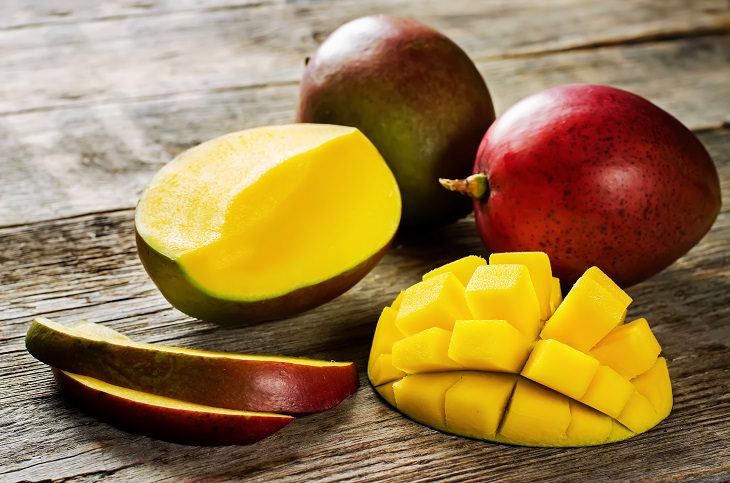
10 Fruit and Vegetables Healthy Peels
Researchers have found that mango skin contains properties that are similar to Resveratrol, which helps to burn fat and inhibits the production of mature fat cells. Mango flesh was also tested, but this did not produce the same results, which suggests that you need to eat the skin in order to get this beneficial property. 
 
Mango peel also contains larger quantities of polyphenols, omega-3, and polyunsaturated fatty acids than its flesh. Mango skin also contains compounds that fight off cancer, diabetes, and heart disease. 
 
Mango skin can be eaten raw, or cooked along with the insides. Another way to eat both the flesh and the skin is to pickle the entire mango. 
 
While making mango pickles, I use with the skin. Some people do eat the ripe mango with the skin !
 
 
Carrots

Since the skin of a carrot is the same color as what’s beneath it, the peel and its flesh have similar nutritional value. However, the highest concentration of phytonutrients is found in a carrot’s skin or immediately underneath. Just wash the carrot rather than peeling it.  
 
Onions

Like apple and mango skin, an onion’s skin contains quercetin. Although the skin is not directly edible, you can draw out some of its nutrients by adding it to a stock.  
 
Banana
Banana peel contains a lot more fiber than banana flesh, and is just as rich in potassium. The peel also contains lutein, a powerful antioxidant that plays a key role in maintaining healthy eye function. The amino acid, known as tryptophan, is also more concentrated in the peel than in the flesh. This amino acid helps to ease depression by increasing the body’s levels of serotonin, a neurotransmitter in the brain that affects mood. 
 
Although the peel has a bitter taste and a tough, ropey consistency, an overripe banana becomes thinner, sweeter, and easier to chew. You can also put the peel through a juicer with the rest of the banana. Or, you can boil the peel for several minutes to make it softer, or throw it in the frying pan.

I do make with the raw banana skin, a vegetable adding finely chopped onion and spices, chopping the skin fine. Even our granddaughter loves it.

This is only for your information, kindly take the advice of your doctor for medicines, exercises and so on.   

https://gscrochetdesigns.blogspot.com. one can see my crochet creations  
https://gseasyrecipes.blogspot.com. feel free to view for easy, simple and healthy recipes    
https://kneereplacement-stickclub.blogspot.com. for info on knee replacement

Labels: , , , , , , , , , ,

Thursday, April 14, 2022

11 foods that lower cholesterol

Foods that make up a low cholesterol diet can help reduce high levels

Changing what foods you eat can lower your cholesterol and improve the armada of fats floating through your bloodstream. Adding foods that lower LDL, the harmful cholesterol-carrying particle that contributes to artery-clogging atherosclerosis, is the best way to achieve a low cholesterol diet.

Add these foods to lower LDL cholesterol

Different foods lower cholesterol in various ways. Some deliver soluble fiber, which binds cholesterol and its precursors in the digestive system and drags them out of the body before they get into circulation. Some give you polyunsaturated fats, which directly lower LDL. And some contain plant sterols and stanols, which block the body from absorbing cholesterol.

1. Oats. An easy first step to lowering your cholesterol is having a bowl of oatmeal or cold oat-based cereal like Cheerios for breakfast. It gives you 1 to 2 grams of soluble fiber. Add a banana or some strawberries for another half-gram. Current nutrition guidelines recommend getting 20 to 35 grams of fiber a day, with at least 5 to 10 grams coming from soluble fiber. (The average American gets about half that amount.)

2. Barley and other whole grains. Like oats and oat bran, barley and other whole grains can help lower the risk of heart disease, mainly via the soluble fiber they deliver.

3. Beans. Beans are especially rich in soluble fiber. They also take a while for the body to digest, meaning you feel full for longer after a meal. That's one reason beans are a useful food for folks trying to lose weight. With so many choices — from navy and kidney beans to lentils, garbanzos, black-eyed peas, and beyond — and so many ways to prepare them, beans are a very versatile food.

4. Eggplant and okra. These two low-calorie vegetables are good sources of soluble fiber.

5. Nuts. A bushel of studies shows that eating almonds, walnuts, peanuts, and other nuts is good for the heart. Eating 2 ounces of nuts a day can slightly lower LDL, on the order of 5%. Nuts have additional nutrients that protect the heart in other ways.

6. Vegetable oils. Using liquid vegetable oils such as canola, sunflower, safflower, and others in place of butter, lard, or shortening when cooking or at the table helps lower LDL.

7. Apples, grapes, strawberries, citrus fruits. These fruits are rich in pectin, a type of soluble fiber that lowers LDL.

8. Foods fortified with sterols and stanols. Sterols and stanols extracted from plants gum up the body's ability to absorb cholesterol from food. Companies are adding them to foods ranging from margarine and granola bars to orange juice and chocolate. They're also available as supplements. Getting 2 grams of plant sterols or stanols a day can lower LDL cholesterol by about 10%.

9. Soy. Eating soybeans and foods made from them, like tofu and soy milk, was once touted as a powerful way to lower cholesterol. Analyses show that the effect is more modest — consuming 25 grams of soy protein a day (10 ounces of tofu or 2 1/2 cups of soy milk) can lower LDL by 5% to 6%.

10. Fatty fish. Eating fish two or three times a week can lower LDL in two ways: by replacing meat, which has LDL-boosting saturated fats, and by delivering LDL-lowering omega-3 fats. Omega-3s reduce triglycerides in the bloodstream and also protect the heart by helping prevent the onset of abnormal heart rhythms.

11. Fiber supplements. Supplements offer the least appealing way to get soluble fiber. Two teaspoons a day of psyllium, which is found in Metamucil and other bulk-forming laxatives, provide about 4 grams of soluble fiber.

Putting together a low cholesterol diet

When it comes to investing money, experts recommend creating a portfolio of diverse investments instead of putting all your eggs in one basket. The same holds true for eating your way to lower cholesterol. Adding several foods to lower cholesterol in different ways should work better than focusing on one or two.

A largely vegetarian "dietary portfolio of cholesterol-lowering foods" substantially lowers LDL, triglycerides, and blood pressure. The key dietary components are plenty of fruits and vegetables, whole grains instead of highly refined ones, and protein mostly from plants. Add margarine enriched with plant sterols; oats, barley, psyllium, okra, and eggplant, all rich in soluble fiber; soy protein; and whole almonds.

Of course, shifting to a cholesterol-lowering diet takes more attention than popping a daily statin. It means expanding the variety of foods you usually put in your shopping cart and getting used to new textures and flavors. But it's a "natural" way to lower cholesterol, and it avoids the risk of muscle problems and other side effects that plague some people who take statins.

Just as important, a diet that is heavy on fruits, vegetables, beans, and nuts is good for the body in ways beyond lowering cholesterol. It keeps blood pressure in check. It helps arteries stay flexible and responsive. It's good for bones and digestive health, for vision and mental health.


This is only for your information, kindly take the advice of your doctor for medicines, exercises and so on.   

https://gscrochetdesigns.blogspot.com. one can see my crochet creations  
https://gseasyrecipes.blogspot.com. feel free to view for easy, simple and healthy recipes    
https://kneereplacement-stickclub.blogspot.com. for info on knee replacement

Labels: , , , , , , , , , , , , , , , ,