Tuesday, July 20, 2021

8 Natural Ways to Repel Insects Without Bug Spray

Unless you’re an entomologist (and on the clock), you probably hate being surrounded by bugs, especially if they bite. While these creatures play important roles in the environment, they can be a real nuisance to humans in the outdoors, and some of these bugs do transmit diseases. Your favorite store-bought bug repellent can keep them away for awhile, but what happens when the DEET can runs dry? Worse yet, what about when you’re in a survival situation and the bugs won’t leave you alone? Thankfully, there are some natural options to beat the bugs without all the chemicals.

1. Make Your Own Repellent

vinegar, teatree oil and lavender oil

Before you venture into the wild, plan ahead by creating your own bug repellent with ingredients you can feel good about.

While it’s not the strongest option in the world, you can make your own bug repellent from essential oils and other household products. Make a trip to a health food store or similar shop for the essential oils (or order them online). Then you’ll be ready to blend and bottle your own bug repellent. You’ll need:

  • A one-quart spray bottle
  • 1 pint distilled white vinegar
  • 1 pint water
  • 25 drops of tea tree oil
  • 25 drops of lavender essential oil

Add the ingredients into a clean spray bottle and shake well. Spray your boots, clothing and skin with a generous coating before heading outside. Reapply every two to four hours for best results.

2. Check Often for Ticks

Ticks are more than a nuisance for our dogs. These troublesome arachnids are found in every habitat in the U.S., and we host more than 90 of the world’s 900 tick species. Many of these species pose a significant threat to outdoor enthusiasts, transmitting diseases such as Lyme disease, anaplasmosis, babesiosis, Powassan disease, Rocky Mountain spotted fever (RMSF), ehrlichiosis, STARI (Southern tick-associated rash illness), tularemia and other diseases. Spot them by wearing light colored clothing and doing frequent “tick checks” throughout the day. Remove embedded ticks quickly to limit your risk of contracting a tick-borne disease. Use tweezers or a tick removal tool to grab the tick by the mouth, pinching your own skin if necessary, then pull it straight out.

3. Watch Where You Put Your Gear

hiking boots on a forest floor

Many of us put our stinking boots outside of our tents at night, but there’s a risk when leaving your gear out in the open.

Scorpions, spiders, centipedes and other venomous creatures may consider your unattended boots, gloves, or other garments as a fine new home, especially if they have been undisturbed for a few hours. Then guess what happens when you suddenly pick these items up and put them on? The animal gets pressed against your skin and it bites or stings you. The venom can range from mild to intense, depending on the creature that you’ve disturbed and its size. Take scorpions as an example. With more than a thousand known scorpion species in the world, there are plenty we’ll encounter in our travels. Mercifully, there are only 25 known to carry venom that would kill a human. From that group, there’s just one that lives in the continental U.S. It’s the Arizona bark scorpion (Centruroides sculpturatus) and its venom is on the low end of the spectrum (fatalities are very rare, usually occurring in small children and those with health problems). So how do we avoid the sting or bite? Don’t leave your clothing, gloves or footwear on the ground or outside overnight. Don’t hang your jacket on a tree. Don’t give them a chance to crawl into your open backpack. Gear that’s not being worn should be put away, closed up or otherwise moved out of the creature’s reach. Yes, it’s a pain, but it’s less painful than getting bitten or stung.

4. Use Wild Plants as Repellents
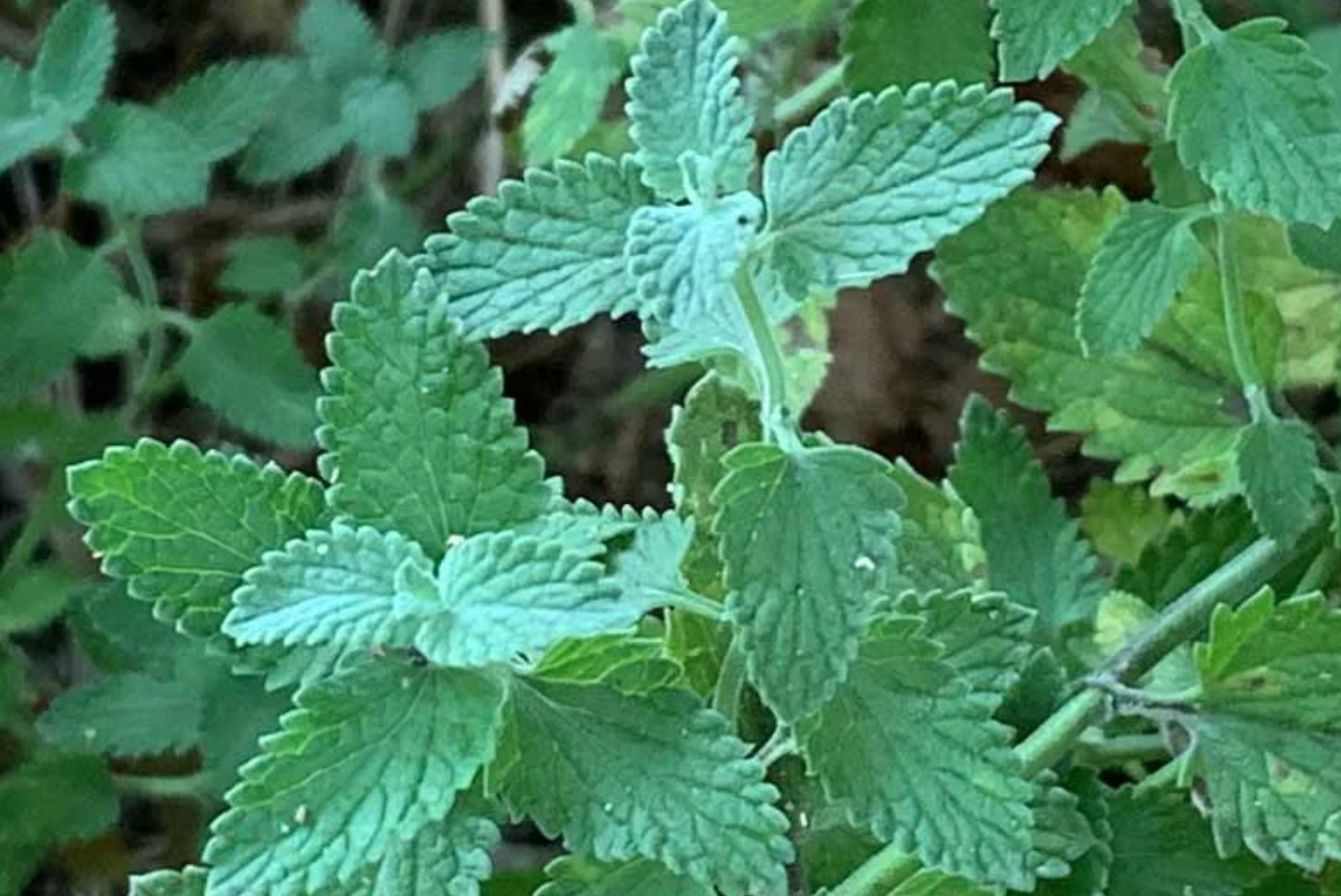
lush and leafy green plant

Certain wild plants contain compounds and scents that discourage bugs, you just have to learn how to properly identify the plants and use them correctly.

Depending on your environment, there may be many wild plants which contain bug repelling compounds. Some of these may be native species and others may have been brought to this continent for various purposes. Either way, it could be very helpful to learn about the plant species that can ward off pests in the outdoors. Before you start scrubbing wild plants all over yourself, use a wild plant field guide to make 100 percent positive identification of any plant or plant part.

Paw Paw (Asimina triloba): This native tree species is commonly found along rivers and waterways throughout the eastern U.S. It bears large tropical-looking fruits (edible to people) that ripen in late summer. The trees also bear large ovate leaves which can be crushed and wiped on your skin as a useful insect repellent. The leaves are at their best in the spring and early summer, when their strong scent can remind us of fresh asphalt.

Catnip (Nepeta cataria): This common mint family member is a non-native species, brought to these shores for more than just driving your cat insane. A tea from the leaves can have a calming effect in humans and the plant can repel mosquitoes and other flying insects. The easiest way to use the plant is to crush the fresh leaves and stems onto your skin and clothing.

Pineapple weed (Matricaria matricarioides): Another non-native species, this unusual little wildflower doesn’t look like a pineapple but the leaves smell like it. Often found on roadsides and other disturbed ground, the feathery leaves and tender stems can be crushed and applied to skin and clothing to repel insects, especially mosquitoes.

5. Don’t Forget The Net

a wad of white netting

Bug netting may be your best non-chemical defense for flying insects, especially in areas where the bugs are relentless.

They don’t have to be expensive and they won’t be pretty. They might just save your sanity though, and block the transmission of disease. Mesh bug suits and netted headwear can block the bugs when they come on strong. This is much more effective than wearing multiple layers of clothing, as some people do, or by applying buckets of bug repellent. Make sure your exposed skin is covered and eliminate all gaps in your mesh suit and headwear. The only thing worse than having multiple bugs flying around inside your head net is not having a head net in the first place. Consider a sleeping net too, as these save lives in parts of the world. Mosquitos are more than just bothersome, they can transmit the malaria parasite (plasmodium, which kills over 1 million people per year globally), and many different viruses that cause encephalitis and dangerous fevers (like chikungunya, dengue, yellow fever, St. Louis encephalitis, West Nile virus and Zika).

6. Smoke the Bugs Away

a cattail head burning and smoking

From foul cigars to smoldering rotten wood or cattail heads, there are plenty of ways to produce smoke and most of these are effective at repelling insects and other pests.

Some savvy fishermen know how to beat biting flies and other pests around the water. They smoke cheap (or very good) cigars when the air gets buggy. For non-smokers (and those who’ve run out of cigars), there are plenty of other options – ones that won’t get you hooked on nicotine. It turns out that any smoke can act like a natural bug repellent, though some are much better than others. Remember grandma’s cedar chest full of blankets? Cedar has long been known as a natural bug repellent and cedar bark is famous for smoldering (rather than bursting into flame). So a bundle of smoldering cedar bark can help to keep the bugs at bay, and it’s also a fine way to transport a fire in the form of embers (for example, if you were leaving one camp and moving to another).

Another option for smoke uses a plant that normally grows by the water, like cattails. The dead brown seed heads can be found atop the tall grass-like plants. Grab one of these “burnt corn dogs” and apply an open flame to one end of it. Once smoldering, smoke will begin to drift out of it. Place the seed head upwind from you with the glowing end into the wind, and sit where the smoke can bathe you. Similarly, a fireproof container of crumbly rotten wood (aka punk wood) can also be lit to provide smoke. This is especially useful for “smudging” primitive survival shelters. Place the container of burning punk wood on the bare dirt floor of your shelter and allow the smoke to fill the structure. This will drive out insects, spiders and other unwelcomed guests. Repeat every few days in warmer weather, weekly or as needed in cooler weather.

7. Cover Up With Mud

feet covered in mud

It’s disgusting, but more effective at preventing bug bites than you can imagine.

You’re really serious if you go to this is extreme, but certain bug-infested environments may require this drastic solution. When smoke and wild plant scents aren’t strong enough to keep the bugs off your tender skin, you can create a physical barrier by coating your skin (and any thin clothing) with a layer of mud. Not only is this an effective camouflage against humans (remember the movie Rambo?), the mud suit is also effective when hiding from bugs. With the mud fresh and wet (and after it dries into a crusty shell), you’ll be wearing a surprisingly effective barrier that most bugs will not try to penetrate. It’s also useful for hiding your scent, which could come in handy while hunting.

8. Avoid Chigger Habitats

a foot with small red bug bites and scabs

Worse that poison ivy, chiggers can create itchy bumps that last up to two weeks.

Sometimes, avoidance is the best way to win a fight. Chiggers (red bugs and harvest mites) are tiny biting arachnids that are found globally. Here in the U.S., there are only two species that impact us as outdoor enthusiasts. Eutrombicula alfreddugèsi is the main culprit, and the recently hatched larvae are the troublemakers. Too small to see with the naked eye, these hatchlings are hungry for any blood they can find (human or animal). Though they don’t transmit diseases, the intense itching of their bites can last for weeks. This has led to the popular (and incorrect) belief that these creatures burrow under your skin. In actuality, the larvae inject an enzyme into your skin, dissolving some skin cells (for them to drink) and hardening other skin cells (to make a “drinking straw” known as a stylostome). It’s this transformed tissue that causes such a severe itch, not a bug under your skin.

The best defense is to avoid likely breeding grounds where the larvae would be plentiful. Since they dry out easily, damp grassy areas, swampy spots, low lying and riverine environments are hot spots. Avoid these in late spring and early summer. If you do suspect you’ve wandered through their domain (due to a sensation of tiny prickly bites under your clothes), change your clothing immediately. They can crawl around in your clothes for hours, biting you in many different places. If you only had one set of clothes (say, in a survival setting), take the clothing off and hang them to dry for 30 minutes by a hot fire (socks and underwear too). This dry heat will kill the larvae.

This is only for your information, kindly take the advice of your doctor for medicines, exercises and so on.   

https://gscrochetdesigns.blogspot.com. one can see my crochet creations  
https://gseasyrecipes.blogspot.com. feel free to view for easy, simple and healthy recipes    
https://kneereplacement-stickclub.blogspot.com. for info on knee replacement


Labels: , , , , , , , , , , , , ,

Thursday, February 13, 2020

9 Practical Uses For Geranium Oil You Need To Know

1. Minimize Wrinkles

Geranium oil is one of the most popular essential oils for anti-aging skin care applications. It has a slightly astringent effect, helping to minimize the appearance of fine lines and wrinkles.
Geranium oil plays a major role in my favorite DIY anti-aging serum.

2. Soothe Anxiety

Geranium can help improve your outlook and reduce anxious feelings. In fact, a 2015 study found that geranium oil helped reduce levels of anxiety in pregnant women during labor!
Add a few drops of geranium oil to your diffuser to help lift your spirits when you’re feeling stressed or down.

3. Add Shine To Hair

Use geranium oil to enrich your hair care routine and restore shine and vitality to dull hair!
After shampooing your hair, add 3-5 drops of geranium oil to your normal amount of conditioner before applying it. You’ll have radiant, more healthy-looking hair in no time, and it will smell great too!

4. Repel Insects

Use geranium oil to help keep bugs at bay! Add a drop or two to a cotton ball and place it in any areas where bugs have been sighted. You can also spritz yourself with diluted geranium oil before going outside to help repel bugs.

5. Reduce Inflammation

Geranium oil has powerful anti-inflammatory properties, making it a useful remedy for inflammatory skin conditions and other types of inflammation. Dilute 5 drops of geranium oil with 1 teaspoon of your preferred carrier oil, then apply it to the affected area to help reduce swelling and soothe discomfort.

6. Relieve Respiratory Symptoms

Geranium’s anti-inflammatory properties can also be useful for reducing respiratory symptoms like stuffy noses and congestion. Use geranium oil in your diffuser to help keep your airways clear when you have a cold or other respiratory illnesses.

7. Treat Skin Issues

Thanks to its antibacterial and anti-inflammatory effects, geranium oil is great for treating skin issues like acne, dermatitis, and more. Dilute 5 drops of geranium oil with 1 teaspoon of rosehip oil, then apply the mixture to the affected area once or twice a day until the condition improves.

8. Cool A Hot Flash

If hot flashes are stopping you in your tracks, keep a geranium oil spray on hand for quick cooling relief!
Add about 20 drops of geranium oil to a 4 ounce glass spray bottle, then fill the rest of the bottle with witch hazel. Replace the top, shake to mix, and spritz it onto your face and neck during a hot flash, or whenever you’re feeling a bit overheated!

9. Stop Minor Bleeding

When it comes to stopping bleeding from minor cuts (like nicks from shaving, for instance), many people swear by geranium oil! It can help reduce the flow of blood by contracting the blood vessels, and promote clotting to stop bleeding fast.
Use a cotton swab to apply a single drop of geranium oil to a small cut to help stop the bleeding.

This is only for your information, kindly take the advice of your doctor for medicines, exercises and so on.     
https://gscrochetdesigns.blogspot.com. one can see my crochet creations  
https://gseasyrecipes.blogspot.com. feel free to view for easy, simple and healthy recipes    
https://kneereplacement-stickclub.blogspot.com. for info on knee replacement
 

Labels: , , , , , , , , , , , ,

Thursday, October 10, 2019

Scientifically Proven Coconut Oil Uses and Benefits

Coconut oil is a natural oil that can benefit your health. There are many ways you can use coconut oil to improve your skin’s appearance, treat scalp conditions, lose weight, boost your intestinal health, and get rid of fungal infections. It is easy to apply coconut oil directly to your skin, add it to smoothies, or cook with it.


In this article, you will learn why coconut oil is good for you and how you can use coconut oil to treat skin ailments, moisturize your skin, and boost your metabolism

What is Coconut Oil?

Coconut oil is rich in fatty acids which have numerous health benefits. Coconut oil contains medium chain saturated fatty acids, or medium chain triglycerides (MCTs). Almost half of the fat content in coconut oil is lauric acid. In fact, coconut oil is the highest source of lauric acid that occurs naturally.
A 2016 review of the benefits of coconut oil reported that coconut oil has nutritional and functional properties. Research has found that coconut oil has many potential uses to protect against various diseases.
Of course, the consumption of saturated fat is generally not recommended. However, research has found that the body metabolizes MCTs differently from long-chain fatty acids. In fact, medium chain triglycerides have a protective effect on cardio health.

Virgin coconut oil vs. refined coconut oil

When using coconut oil for its health benefits, it is best to use organic unrefined virgin coconut oil. Virgin coconut oil is less processed than refined coconut oil and therefore contains more nutrients and antimicrobial properties.
If you are planning to fry with coconut oil, then refined coconut oil may be better for you. The smoke point of unrefined coconut oil is 350 °F (177 °C) whereas refined coconut oil smokes at 450 °F (232 °C).

The Benefits of Using Coconut Oil

Let’s look at how coconut oil can benefit your skin, hair, regulate blood glucose levels, and treat various types of infections.
Here are the best uses of coconut oil that are supported by scientific evidence:

1. Coconut Oil is Great for Cooking With

Coconut oil contains saturated fat and because of that, you can cook safely with it at high temperatures.
Researchers say that fats and oils with a smoke point below 392 °F (200 °C) release volatile aldehydes which can be toxic.  Research also shows that polyunsaturated oils are more harmful to cook with than oils rich in saturated fatty acids.
For deep frying, use refined coconut oil as this has a higher smoke point. You can also use it for baking – In fact, it can be used in almost all recipes instead of butter, oils, and other fats.

2. Coconut Oil Boosts Your Metabolism

The fatty acids in coconut oil cause sustained energy release and enhance energy expenditure.
One study found that medium chain fatty acids increased metabolism and helped to speed up fat loss.
The results of another study showed that consuming 10 grams of MCTs 3 times a day along with meals helped to increase calorie expenditure.

3. Coconut Oil Can Assist with Weight Loss, Suppress Appetite and Reduce Hunger

It may surprise to you learn that including healthy fats in your diet like coconut oil can actually help you lose weight because consuming MCTs increases satiety.
One clinical trial found that consuming 20 g of medium chain triglycerides with breakfast helped to suppress appetite. The MCTs affected appetite-regulating hormones and increased feelings of fullness in overweight men. This has the effect of reducing the amount of food consumed and assisted in losing weight.
Another study found that men who consumed more coconut oil ate less food during the day and lost weight.

4. Coconut Oil May Protect Your Skin from Sun Damage

Unrefined coconut oil contains compounds that offer some protection from the sun’s harmful UV rays.
Studies into the use of coconut oil as a partial sunblock have found that it has an SPF value of 8. In fact, coconut oil offers better UV protection than many other oils like almond oil, sesame oil, and castor oil.
You should remember that coconut oil doesn’t protect your skin from all of the harmful effects of UV rays like regular sunblock does.

5. Coconut Oil is a Natural Skin Moisturizer

The rich fatty acid content in virgin coconut oil means that you can apply coconut oil directly to your skin to hydrate it.
One randomized double-blind controlled trial found that using coconut oil as a skin moisturizer was just as good as mineral oil. Coconut oil was an effective natural solution for treating dry skin conditions.
Using coconut oil to moisturize your face or treat cracked heels also gives your skin a pleasant coconut scent. you can also combine coconut oil with other natural ingredients for the skin, such as this  DIY healing coconut oil and aloe vera gel lotion. 

6. Coconut Oil Removes Makeup Naturally

Put a small amount of organic unrefined coconut oil on a cotton pad to gently remove eye makeup before going to bed.
Coconut oil is gentle enough to be used around your eyes. For example, the International Journal of Dermatology reports that virgin coconut oil can be used on infants to treat dry skin conditions.

7. Coconut Oil Helps Treat Eczema and Psoriasis

Coconut oil is highly moisturizing and contains antimicrobial properties that make it great for treating inflammatory skin conditions.
Scientists have found that the emollient effects of virgin coconut oil help to moisturize dry skin that is associated with dermatitis. Also, applying coconut oil to cracked irritated skin helps to prevent secondary fungal or bacterial skin infections in people with eczema.
Other studies have shown that coconut oil can help skin conditions such as eczema and psoriasis  because it contains anti-inflammatory properties that also help reduce pain.

8. Coconut Oil Reduces the Appearance of Fine Lines and Wrinkles

The protective effect of coconut oil on your skin can help to reduce the visible signs of aging.
Researchers have found that fine lines and wrinkles can appear due to the effect of UVB radiation. Antioxidants in coconut oil can help to reduce the effects of oxidative stress on the skin. The anti-inflammatory effect of coconut oil also protects the skin from damage and has an anti-aging effect.
All you need to do is apply a little coconut oil to the skin around your eyes, the rest of the face and the back of your hands before going to bed to help prevent fine lines appearing.

9. Coconut Oil Helps to Treat Stretch Marks

The rich fatty acid content of coconut oil can also repair abdominal skin that has been damaged as the result of pregnancy or rapid weight loss.
Research published in 2016 found that massaging coconut oil on your belly can help to improve your skin’s condition and reduce stretch marks due to its anti-inflammatory properties.

10. Coconut Oil Accelerates Wound Healing

Regularly applying a little coconut oil to skin burns, grazes, or cuts can help wounds heal quicker  and prevent secondary skin infections from developing.
One study on rats found that topically applying virgin coconut oil helped wounds heal faster. The antioxidant properties of coconut oil repaired skin damage and increased collagen production.
Coconut oil also has healing properties that help treat skin tissue damage caused by heat, chemicals, or sunburn. One study found that coconut oil can be used as a burn wound healing remedy .

11. Coconut Oil Can Help Treat Acne

Even though coconut oil is rich in fatty acids, its antibacterial and anti-inflammatory properties mean that it is a good moisturizer for acne.
Coconut oil is rich in lauric acid and scientific research has found that lauric acid has an antibacterial effect on the bacteria Propionibacterium acnes. This is a strain of bacteria responsible for some forms of acne. Lauric acid has the potential for treating acne vulgaris.
A dermatology journal reported that coconut oil can be used as a good moisturizer for acne outbreaks.
When using coconut oil to help treat acne, remember that you only need a tiny amount of coconut oil to be an effective acne moisturizer and prevent clogging pores.

12. Coconut Oil as a Carrier Oil for Massage

Since essential oils are very concentrated, you need to add essential oils to a carrier oil to create a soothing, healing massage oil. Although you can use oils like sweet almond oil, olive oil, or grapeseed oil, research shows that coconut oil has many benefits.
Scientists have found that coconut oil readily penetrates the skin’s upper layer. Coconut oil alleviates itching, promotes healthy skin, protects the skin from various infections, and soothes inflammation.

13. Coconut Oil Can Improve Your Dental Health
The antibacterial properties of coconut oil can help to rid your mouth of plaque-forming bacteria and reduce your risk of gum disease.
A study from 2016 found that coconut oil was just as effective as chlorhexidine (a skin antiseptic) in killing off strains of Streptococcus mutans. This is the type of bacteria that cause tooth decay and gum disease.
Research has found that oil pulling with coconut oil can help to reduce incidences of plaque-related gingivitis. The use of coconut oil in oil pulling also helps to improve dental health because lauric acid helps treat mouth sores.

14. Coconut Oil Helps Balance Your Hormones

The MCT fat content of coconut oil can help nourish your body and balance hormone levels. Studies have shown that saturated fats like coconut oil prevent some of the effects of hormonal imbalances and estrogen deficiencies.

15. Coconut Oil Regulates Blood Glucose Levels

Consuming coconut oil with your food results in slow-releasing energy that won’t spike your blood glucose levels.
Researchers have found that medium chain fatty acids like lauric acid help to improve glucose tolerance levels and reduce insulin resistance.

16. Coconut Oil Boosts Brain Function and Reduces Stress

Using more coconut oil in your diet can also help to reduce the effects of stress and inflammation in your brain.
Studies have found that virgin coconut oil helps protect cognitive function by increasing the levels brain antioxidants. Researchers reported that virgin coconut oil has anti-stress and antidepressant potential.
Other studies have pointed to the fact that MCTs have benefits to brain health in helping to prevent neurological disorders like epilepsy and Alzheimer’s disease. The organic compounds called ketones in coconut oil nourish the brain.

17. Coconut Oil Has Antiviral Properties and Can Treat Cold Sores

Dabbing a little coconut oil on your lips at the first sign of a cold sore could prevent it from getting worse.
Research has found that lauric acid contains antiviral compounds, as well as helping to reduce skin inflammation and pain.
The moisturizing content of coconut oil also helps to moisturise chapped lips 

18. Coconut Oil is Antifungal and Can Treat Candida Overgrowth

Lauric acid in coconut oil helps combat fungal infections and can help to treat candidiasis.
Researchers have found that coconut oil’s antimicrobial properties can treat candida infections naturally. In fact, the study found that coconut oil was as effective as the antifungal treatment fluconazole.

19. Coconut Oil is Antibacterial and Can Help Fight Infections

The rich fatty acid content in pure coconut oil is effective in treating some bacterial infections.
One study found that coconut oil has an antibacterial effect against Clostridium difficile infections that can affect the gastrointestinal tract.

20. Coconut Oil is Anti-Inflammatory and Can Reduce Inflammation

Using more coconut oil in your diet can also help to reduce the effects of inflammation.
Clinical trials have found that a diet rich in coconut oil can reduce inflammatory markers in the body.  Other lab trials on rats have found that coconut oil has analgesic properties that can help to relieve pain.

21. Coconut Oil May Help Relieve Arthritis Symptoms

The anti-inflammatory and analgesic effect of consuming coconut oil can also help to manage painful symptoms of arthritis.
Coconut oil contains antioxidants called polyphenols. One study on rats found that polyphenolic fractions have an anti-arthritic effect. Coconut oil extracts helped to increase antioxidant enzymes and treat the effects of arthritis.

22. Coconut Oil Is Good for Your Scalp

Applying pure coconut oil can help to moisturize your scalp and keep it free from dandruff.

23. Coconut Oil May Promote Hair Growth

Using coconut oil as a leave-in conditioner can help to strengthen your hair and may even prevent hair loss.
Research has found that compounds in coconut oil penetrate hair shafts and provide nourishment. Lauric acid from coconut oil is good for damaged and undamaged hair.

24. Coconut Oil Conditions Dry Hair and Repairs Damaged Hair

If you have dry, brittle hair, you can use coconut oil on your hair to improve its appearance and give your hair luster.
One study showed that treating hair with coconut oil helps to increase the amount of moisture hair strands absorb.

25. Coconut Oil Can Reduce Belly Fat

The effect of coconut oil on your metabolism can also help to reduce your waistline and lose fat from your abdominal region.
According to the results of one open-label pilot study, obese men consumed 10 grams of coconut oil 30 minutes before their meal. After a 6-week period, the men on average had lost nearly an inch (2.86 cm) from their waistline.
Another study showed a similar result when women regularly consumed coconut oil had a reduction in abdominal obesity.

26. Coconut Oil Can Improve Bone Health

Consuming coconut oil regularly in your diet is good to strengthen your bones and prevent damage to bone cells.
The antioxidant properties in coconut oil positively affect your bone health. One study found that polyphenols in coconut oil prevent the negative effects of oxidative stress in bones. Other studies have found that coconut oil may help to prevent osteoporosis.

27. Coconut Oil Is Good for Your Liver Health

The antioxidant and anti-inflammatory effect of coconut oil may also have a positive impact on the health of your liver.
Coconut oil causes an increase of liver enzymes that help to protect the liver from toxins and inflammation.  One study even found that coconut oil also reduces the damaging effects of alcohol on the liver.

28. Coconut Oil and Essential Oils Repel Insects

One study found that combining coconut oil with ylang-ylang oil or lemongrass essential oil  was an effective insect repellent. Scientists discovered that the coconut oil combination gave nearly 99% protection from mosquitoes.If you do get bitten by an insect, you could apply a little coconut oil to the itchy bump to relieve itching and redness.

29. Coconut Oil as a Non-Toxic Treatment for Lice

Combining coconut oil, anise oil, and ylang-ylang oil can create an effective insecticide that can treat head lice. The coconut oil lice remedy was applied 3 times a day every 5 days. The researchers found that coconut oil was an effective lice treatment with no side effects.

30. Coconut Oil Can Kill Off Armpit Odor

The antibacterial properties in coconut oil mean that it can protect your underarm area from smelling of sweat.
You can combine coconut oil with other natural ingredients to boost its deodorizing power. For example, baking soda and tea tree oil have an antibacterial effect that can keep your underarm fresh without dangerous chemicals. I use rose water instead of tea tree oil, as I'm allergic to strong smell.

31. Coconut Oil May Help Improve Male Sexual Health

Studies conducted on rats have found that the high content of lauric acid in coconut oil can help to reduce the risk of an enlarged prostate. Scientists also noted increases in levels of testosterone when consuming coconut oil.

32. Coconut Oil and Tea Tree Oil Can Help Treat Athlete’s Foot

Mix a few drops of tea tree oil with a tablespoon of coconut oil and use as an antifungal treatment for athletes’ foot. The antimicrobial properties of coconut oil are boosted by tea tree oil which has antifungal properties.

33. Coconut Oil for Your Pets

The health benefits of coconut oil for humans have been well documented. However, not everyone knows about the health benefits of coconut oil for dogs and cats.
Ingesting coconut oil can make your pet’s fur shiny, and can improve your pet’s general health. You can also apply it topically on your pet’s skin to relieve itchy or dry skin or to soothe flea bites, as well as on minor cuts and wounds to help prevent infections.

How to Make Your Own Coconut Butter

One way to increase the amount of coconut you use in your diet is to make your own coconut butter.
Coconut butter contains all of the goodness that coconut oil has along with fiber that can help improve your digestive health.
All you have to do is put coconut flakes into your food processor or blender and blend until they become creamy smooth.
After you have made your delicious healthy coconut butter, you can add it to smoothies, spread it on toast, or add it to give your curries a delicious coconut taste.

source- healthy and natural world

for recipe, see my recipe blog, thanks

this is only for your information, kindly take the advice of your doctor for medicines, exercises and so on.   
https://gscrochetdesigns.blogspot.com. one can see my crochet creations  

https://gseasyrecipes.blogspot.com. feel free to view for easy, simple and healthy recipes    
https://kneereplacement-stickclub.blogspot.com. for info on knee replacement


Labels: , , , , , , , , , , , ,