Friday, August 27, 2021

Want Natural Ways to Keep Pests Away? Check These Out!

A common misconception is that insects only come out in the rainy season, preferring to spend their short lives huddled close to swamps and forests. However, anyone who has a garden, or spends a lot of time outdoors, knows that all seasons attract their own share of biting bugs. Autumn especially is known for the prevalence of highly destructive and supremely invasive insects like the emerald ash borer which can kill trees at an alarming rate. While mosquitoes may be the most prevalent, we also have to deal with bed bugs, fleas, ants, spiders, wasps, flies, and moths invading our homes.

Not only can they give you a good scare, but many of these insects can also do quite a number on your plants and garden. Whether in the house or outside, you can be prepared for these creepy crawlers and flying stingers. These are some extremely easy homemade bug repellents that you can mix up and carry with you anywhere in a spray bottle. They are mostly made from natural ingredients meant to smell refreshing and keep the bugs at bay! Give these repellents a try and see which one works best for you. 
 
1. Essential Oil Sprays Natural remedies for bug repellents and getting rid of pests in the house and outside, Essential oil Sprays
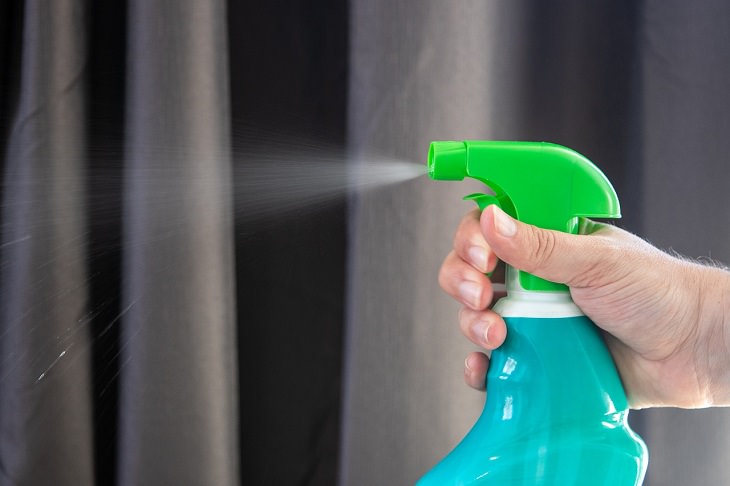
You’ve probably used essential oils in the past to give your home a welcoming fragrance with the help of a diffuser. Some natural oils can even act as highly effective pain-relievers or reduce symptoms of colds and the flu. However, many essential oils also work well as bug repellents and can be mixed into quick and easy-to-use sprays. The next time you’re stocking up on essential oils, keep an eye out for these: 
 
Citronella Oil

Natural remedies for bug repellents and getting rid of pests in the house and outside, Essential oil Sprays, Citronella Oil
Most small bugs are repelled by citrus oils, so you can add them to any homemade repellents you already have to make them more effective. Citronella has the added effect of acting as an insecticide. To make your own repellent, you just mix half a cup of water with half a cup of clear alcohol (like vodka) and add about 30 drops of citronella. A good substitute for straight alcohol is witch-hazel which is equally effective at keeping bugs away and tends to be kinder on the skin. Be sure to keep the spray away from your eyes though! 
 
Peppermint Oil

Natural remedies for bug repellents and getting rid of pests in the house and outside, Essential oil Sprays, Peppermint Oil
Here’s one essential oil that will keep your home mosquito-free and have it smelling fresh all the time. Much like citrus oil, it can be turned into a spray. In case of an ant problem, wipe down the area with a concoction consisting of 2 cups of water, a quarter cup of vinegar, and 10 drops of peppermint oil to keep them away. This oil can be toxic to dogs and cats, though, so be careful of where you spray it if you have a pet.  
 
Clove oil

Natural remedies for bug repellents and getting rid of pests in the house and outside, Essential oil Sprays, Clove oil
Both for your home and for your garden, clove oil can do wonders at getting rid of pests. Make your own spray using alcohol or witch-hazel and water. 1/10th of the mixture should consist of clove oil. Mosquitoes, moths, flies, and ants are all repelled by clove oil. Mixing it with eggs, milk, dish soap, and hot sauce will create a repellent for deer as well. Clove oil is pretty potent and can act as a skin irritant, so never apply it directly to your skin.  
 
Cedarwood oil
Natural remedies for bug repellents and getting rid of pests in the house and outside, Essential oil Sprays, Cedarwood oil
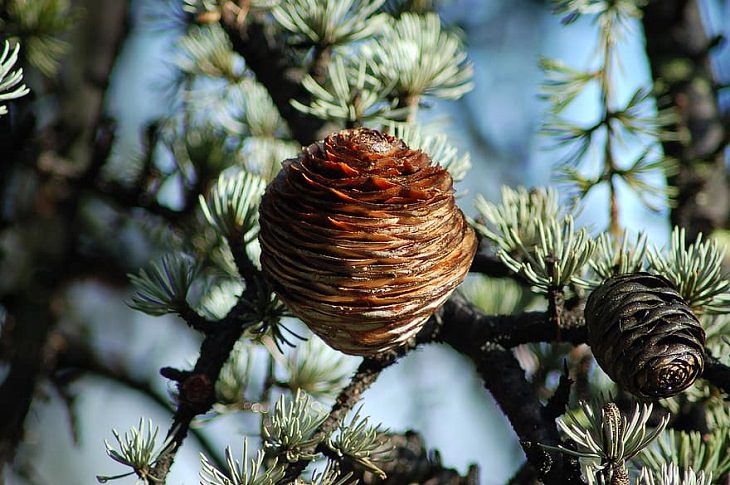
Given the anti-insect properties of cedarwood, it's no surprise that the oil makes an excellent base for a bug spray. It is considered to be relatively non-toxic when diluted and is effective against moths, fleas, and ticks. You can also add it to citrus oil bug repellent sprays to make them more powerful.  
 
Lemon eucalyptus oil
Natural remedies for bug repellents and getting rid of pests in the house and outside, Essential oil Sprays, Lemon Eucalyptus Oil
This oil works effectively as a household cleaning agent and as a mosquito repellent. An easy bug-spray can be made using half a cup of water and the same amount of witch hazel/alcohol, a little bit of vinegar, and around 30 drops of lemon eucalyptus oil. It also keeps away deer ticks, which makes it ideal for anyone who spends a lot of time in a garden. It is extremely potent and must be kept away from pets and children
 
Castor oil
Natural remedies for bug repellents and getting rid of pests in the house and outside, Essential oil Sprays, Castor Oil
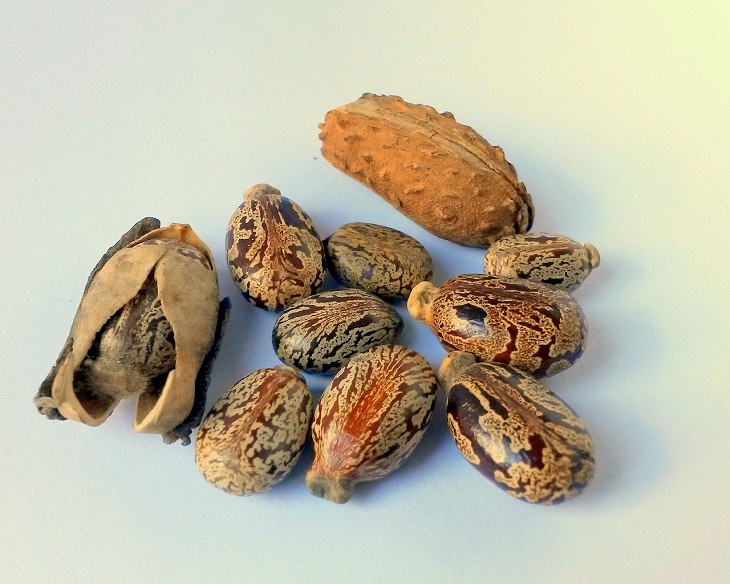
Castor oil is a major component in food, perfumes, pharmaceuticals, soaps, and cosmetics, and yes, insect-repellents. You can create an extremely effective repellent with 10 drops of castor oil and only 2 tablespoons of witch hazel or alcohol. The most popular use of castor oil is actually as a mole repellent, though it works equally well against other underground animals like voles and gophers, as well as against household rodents like mice and rats. 
 
Neem Oil
Natural remedies for bug repellents and getting rid of pests in the house and outside, Essential oil Sprays, Neem Oil
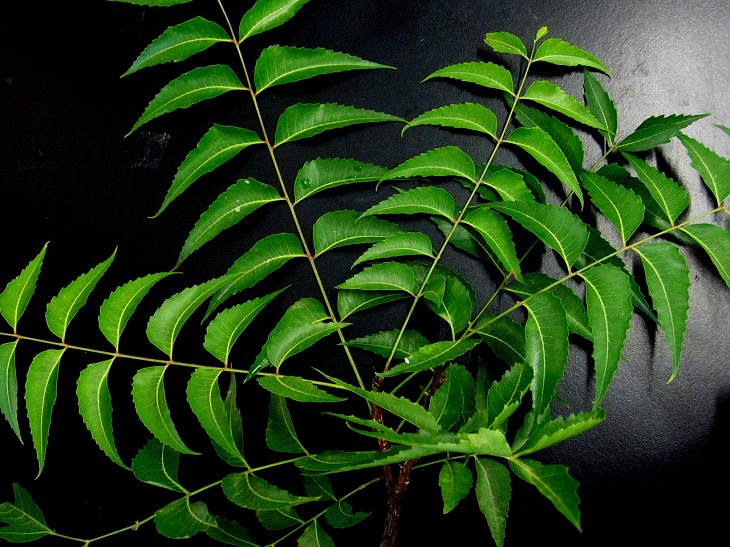
Neem oil is the ultimate multipurpose gift from nature and is something you should always keep stocked. It has anti-fungal, anti-bacterial, anti-inflammatory, and analgesic properties. It also acts as both a mosquito repellent and a natural insecticide. It is often added to shampoos to get rid of lice. You can make a bug spray out of it or you can put a few drops on your clothes before you go out. But be wary of the smell if you do, because pure neem oil can be quite pungent. 
 
Lavender Oil

Natural remedies for bug repellents and getting rid of pests in the house and outside, Essential oil Sprays, Lavender Oil
Homemade lavender soaps made from essential oils can do wonders for ensuring insects give you a wide berth. Though lavender oil alone can be used as a base for a bug-repellent, it is most effective when added into sprays that contain the other essential oils listed above. It not only adds to the potency of the repellent but also enhances the fragrance.

2. Essential Oil Candles
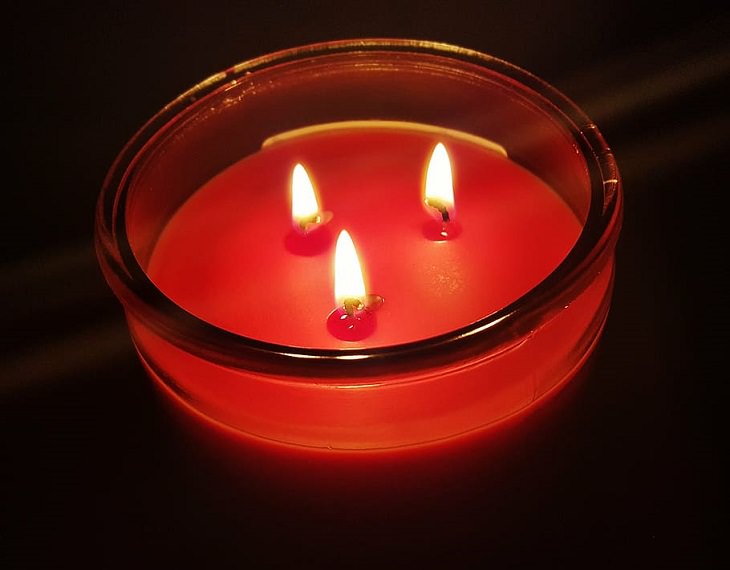
Natural remedies for bug repellents and getting rid of pests in the house and outside, Essential oil candles
If bug-sprays aren’t working for you, there are other ways essential oils can be used as repellents or insecticides. One popular alternative is creating DIY Bug Repellent candles. You can make these by mixing a little bit of the essential oil of your choice in with the wax just before it starts to cool. You can also make your candle using natural beeswax. 
 
The best oil to use, especially if you’re dealing with a lot of mosquitoes, is citronella oil, due to its dual roles as both repellent and pesticide. Add a hint of lavender oil to sweeten the smell. You simply need to light the candle whenever you see the number of mosquitoes in your home rising. It also has a longer-lasting effect than most sprays and a longer shelf life. 
 
Another way of making use of candles to repel insects is to buy and light plain unscented candles and add a few drops of the essential oil of your choice to the top just after the wax melts a little. Be extremely careful while doing this though, as most essential oils are known to be highly flammable.

3. Coffee Grounds Natural remedies for bug repellents and getting rid of pests in the house and outside, Coffee Grounds

This is actually one of the easier solutions for dealing with pests, both insect and mammal. If you happen to be a coffee-lover, then this also gives you an excellent opportunity to recycle. Just sprinkle your leftover coffee grounds outside the doorways of your home and around the plants in your garden. 
 
Most bugs, like fruit flies, beetles, and pests like rodents and deer dislike the smell of coffee beans and will usually avoid it. Placing them in your garden has the additional benefits of providing more nutrients like potassium, nitrogen, and phosphorus to your plants, promoting healthier growth. You can also put them in a bowl and keep them in the corner of a room to keep the mosquitoes away.
 
In addition to beetles, deer, and mosquitoes, coffee grounds can also work well against fleas. If your cat or dog is having a flea problem and you want to use a natural remedy, you can run the grounds on your pet’s fur after a bath. This may work at keeping fleas away, though it is by no means as effective as products prescribed by vets for getting rid of fleas.  
 
4. Bug Repellent Balm

Natural remedies for bug repellents and getting rid of pests in the house and outside, Bug Repellent BalmNatural remedies for bug repellents and getting rid of pests in the house and outside, Bug Repellent Balm
Yet another alternative to the bug-sprays and scented bug-repelling candles is a homemade balm that acts as a bug-repellent. Heat cocoa butter, coconut oil, and natural beeswax in equal proportions until they are fully melted and liquified. While the liquid is still hot (but no longer being heated), add 15 drops each of lemon eucalyptus oil and citronella oil. Once the mixture has cooled, you can apply in small doses to your skin to keep the insects away from you. 
 
You can make a similar mixture with olive oil instead of cocoa butter, and with cedarwood, peppermint, and tea tree oil mixed in. These three oils can be incredibly nourishing for the skin. Ensure the oils are added while the liquid is still hot but as it begins to cool, as excessive heat could nullify some of the beneficial properties of the essential oils. 
 
5. Herb-Based Repellent 
Natural remedies for bug repellents and getting rid of pests in the house and outside, Herbal repellents
If you do not have or perhaps do not wish to use essential oils, there are other options like coffee grounds and banana peels (which keep aphids away and fertilize your plants). If you happen to grow herbs in your garden, however, there may be another option for you. 
 
There are a variety of herbs that you can boil and add to a mixture of witch hazel and water to create an effective bug spray. Dill, basil, thyme, rosemary, and sage all contain elements that act as insect repellents and some have the added benefits of nourishing your garden. 
 
The most popular herbal bug spray you can make requires mint, citronella, and catnip. Crush one cup full of these fresh herbs together and heat it with equal parts water. When the liquid is boiled, drain out the herbs and mix the concoction with witch hazel after it cools. Pour the whole thing into a spray bottle that you can use both indoors and outdoors. 
 
6. Lemon and Garlic Juice
Natural remedies for bug repellents and getting rid of pests in the house and outside, lemon and garlic juice
Both lemon and garlic have properties associated with insect-repelling uses. In fact, garlic tends to repel both animals and bugs due to the presence of allicin. This chemical found in garlic has a distinct smell that most animals and insects tend to dislike. Lemon juice is acidic and can be used to create boundaries that insects will not cross. 
 
Mixing the two together can create an especially potent repellent, usually best used outdoors as it can be sticky, but is equally effective indoors with higher concentrations of lemon and water. You can make this spray by first crushing cloves of garlic and then soaking them in mineral oil for at least one day. Mix the oil (after all the garlic is filtered out) with a few teaspoons of lemon juice and 2 cups of water. 
 
You can pour your repellent into a spray bottle or you can add dashes of it to areas in and around your home that tend to attract insects. Just ensure you shake the mixture well before applying to ensure it is properly used. 

This is only for your information, kindly take the advice of your doctor for medicines, exercises and so on.   

https://gscrochetdesigns.blogspot.com. one can see my crochet creations  
https://gseasyrecipes.blogspot.com. feel free to view for easy, simple and healthy recipes    
https://kneereplacement-stickclub.blogspot.com. for info on knee replacement

Labels: , , , , , , , , , , , , , , , , ,

Tuesday, July 20, 2021

8 Natural Ways to Repel Insects Without Bug Spray

Unless you’re an entomologist (and on the clock), you probably hate being surrounded by bugs, especially if they bite. While these creatures play important roles in the environment, they can be a real nuisance to humans in the outdoors, and some of these bugs do transmit diseases. Your favorite store-bought bug repellent can keep them away for awhile, but what happens when the DEET can runs dry? Worse yet, what about when you’re in a survival situation and the bugs won’t leave you alone? Thankfully, there are some natural options to beat the bugs without all the chemicals.

1. Make Your Own Repellent

vinegar, teatree oil and lavender oil

Before you venture into the wild, plan ahead by creating your own bug repellent with ingredients you can feel good about.

While it’s not the strongest option in the world, you can make your own bug repellent from essential oils and other household products. Make a trip to a health food store or similar shop for the essential oils (or order them online). Then you’ll be ready to blend and bottle your own bug repellent. You’ll need:

  • A one-quart spray bottle
  • 1 pint distilled white vinegar
  • 1 pint water
  • 25 drops of tea tree oil
  • 25 drops of lavender essential oil

Add the ingredients into a clean spray bottle and shake well. Spray your boots, clothing and skin with a generous coating before heading outside. Reapply every two to four hours for best results.

2. Check Often for Ticks

Ticks are more than a nuisance for our dogs. These troublesome arachnids are found in every habitat in the U.S., and we host more than 90 of the world’s 900 tick species. Many of these species pose a significant threat to outdoor enthusiasts, transmitting diseases such as Lyme disease, anaplasmosis, babesiosis, Powassan disease, Rocky Mountain spotted fever (RMSF), ehrlichiosis, STARI (Southern tick-associated rash illness), tularemia and other diseases. Spot them by wearing light colored clothing and doing frequent “tick checks” throughout the day. Remove embedded ticks quickly to limit your risk of contracting a tick-borne disease. Use tweezers or a tick removal tool to grab the tick by the mouth, pinching your own skin if necessary, then pull it straight out.

3. Watch Where You Put Your Gear

hiking boots on a forest floor

Many of us put our stinking boots outside of our tents at night, but there’s a risk when leaving your gear out in the open.

Scorpions, spiders, centipedes and other venomous creatures may consider your unattended boots, gloves, or other garments as a fine new home, especially if they have been undisturbed for a few hours. Then guess what happens when you suddenly pick these items up and put them on? The animal gets pressed against your skin and it bites or stings you. The venom can range from mild to intense, depending on the creature that you’ve disturbed and its size. Take scorpions as an example. With more than a thousand known scorpion species in the world, there are plenty we’ll encounter in our travels. Mercifully, there are only 25 known to carry venom that would kill a human. From that group, there’s just one that lives in the continental U.S. It’s the Arizona bark scorpion (Centruroides sculpturatus) and its venom is on the low end of the spectrum (fatalities are very rare, usually occurring in small children and those with health problems). So how do we avoid the sting or bite? Don’t leave your clothing, gloves or footwear on the ground or outside overnight. Don’t hang your jacket on a tree. Don’t give them a chance to crawl into your open backpack. Gear that’s not being worn should be put away, closed up or otherwise moved out of the creature’s reach. Yes, it’s a pain, but it’s less painful than getting bitten or stung.

4. Use Wild Plants as Repellents

lush and leafy green plant

Certain wild plants contain compounds and scents that discourage bugs, you just have to learn how to properly identify the plants and use them correctly.

Depending on your environment, there may be many wild plants which contain bug repelling compounds. Some of these may be native species and others may have been brought to this continent for various purposes. Either way, it could be very helpful to learn about the plant species that can ward off pests in the outdoors. Before you start scrubbing wild plants all over yourself, use a wild plant field guide to make 100 percent positive identification of any plant or plant part.

Paw Paw (Asimina triloba): This native tree species is commonly found along rivers and waterways throughout the eastern U.S. It bears large tropical-looking fruits (edible to people) that ripen in late summer. The trees also bear large ovate leaves which can be crushed and wiped on your skin as a useful insect repellent. The leaves are at their best in the spring and early summer, when their strong scent can remind us of fresh asphalt.

Catnip (Nepeta cataria): This common mint family member is a non-native species, brought to these shores for more than just driving your cat insane. A tea from the leaves can have a calming effect in humans and the plant can repel mosquitoes and other flying insects. The easiest way to use the plant is to crush the fresh leaves and stems onto your skin and clothing.

Pineapple weed (Matricaria matricarioides): Another non-native species, this unusual little wildflower doesn’t look like a pineapple but the leaves smell like it. Often found on roadsides and other disturbed ground, the feathery leaves and tender stems can be crushed and applied to skin and clothing to repel insects, especially mosquitoes.

5. Don’t Forget The Net

a wad of white netting

Bug netting may be your best non-chemical defense for flying insects, especially in areas where the bugs are relentless.

They don’t have to be expensive and they won’t be pretty. They might just save your sanity though, and block the transmission of disease. Mesh bug suits and netted headwear can block the bugs when they come on strong. This is much more effective than wearing multiple layers of clothing, as some people do, or by applying buckets of bug repellent. Make sure your exposed skin is covered and eliminate all gaps in your mesh suit and headwear. The only thing worse than having multiple bugs flying around inside your head net is not having a head net in the first place. Consider a sleeping net too, as these save lives in parts of the world. Mosquitos are more than just bothersome, they can transmit the malaria parasite (plasmodium, which kills over 1 million people per year globally), and many different viruses that cause encephalitis and dangerous fevers (like chikungunya, dengue, yellow fever, St. Louis encephalitis, West Nile virus and Zika).

6. Smoke the Bugs Away

a cattail head burning and smoking

From foul cigars to smoldering rotten wood or cattail heads, there are plenty of ways to produce smoke and most of these are effective at repelling insects and other pests.

Some savvy fishermen know how to beat biting flies and other pests around the water. They smoke cheap (or very good) cigars when the air gets buggy. For non-smokers (and those who’ve run out of cigars), there are plenty of other options – ones that won’t get you hooked on nicotine. It turns out that any smoke can act like a natural bug repellent, though some are much better than others. Remember grandma’s cedar chest full of blankets? Cedar has long been known as a natural bug repellent and cedar bark is famous for smoldering (rather than bursting into flame). So a bundle of smoldering cedar bark can help to keep the bugs at bay, and it’s also a fine way to transport a fire in the form of embers (for example, if you were leaving one camp and moving to another).

Another option for smoke uses a plant that normally grows by the water, like cattails. The dead brown seed heads can be found atop the tall grass-like plants. Grab one of these “burnt corn dogs” and apply an open flame to one end of it. Once smoldering, smoke will begin to drift out of it. Place the seed head upwind from you with the glowing end into the wind, and sit where the smoke can bathe you. Similarly, a fireproof container of crumbly rotten wood (aka punk wood) can also be lit to provide smoke. This is especially useful for “smudging” primitive survival shelters. Place the container of burning punk wood on the bare dirt floor of your shelter and allow the smoke to fill the structure. This will drive out insects, spiders and other unwelcomed guests. Repeat every few days in warmer weather, weekly or as needed in cooler weather.

7. Cover Up With Mud

feet covered in mud

It’s disgusting, but more effective at preventing bug bites than you can imagine.

You’re really serious if you go to this is extreme, but certain bug-infested environments may require this drastic solution. When smoke and wild plant scents aren’t strong enough to keep the bugs off your tender skin, you can create a physical barrier by coating your skin (and any thin clothing) with a layer of mud. Not only is this an effective camouflage against humans (remember the movie Rambo?), the mud suit is also effective when hiding from bugs. With the mud fresh and wet (and after it dries into a crusty shell), you’ll be wearing a surprisingly effective barrier that most bugs will not try to penetrate. It’s also useful for hiding your scent, which could come in handy while hunting.

8. Avoid Chigger Habitats

a foot with small red bug bites and scabs

Worse that poison ivy, chiggers can create itchy bumps that last up to two weeks.

Sometimes, avoidance is the best way to win a fight. Chiggers (red bugs and harvest mites) are tiny biting arachnids that are found globally. Here in the U.S., there are only two species that impact us as outdoor enthusiasts. Eutrombicula alfreddugèsi is the main culprit, and the recently hatched larvae are the troublemakers. Too small to see with the naked eye, these hatchlings are hungry for any blood they can find (human or animal). Though they don’t transmit diseases, the intense itching of their bites can last for weeks. This has led to the popular (and incorrect) belief that these creatures burrow under your skin. In actuality, the larvae inject an enzyme into your skin, dissolving some skin cells (for them to drink) and hardening other skin cells (to make a “drinking straw” known as a stylostome). It’s this transformed tissue that causes such a severe itch, not a bug under your skin.

The best defense is to avoid likely breeding grounds where the larvae would be plentiful. Since they dry out easily, damp grassy areas, swampy spots, low lying and riverine environments are hot spots. Avoid these in late spring and early summer. If you do suspect you’ve wandered through their domain (due to a sensation of tiny prickly bites under your clothes), change your clothing immediately. They can crawl around in your clothes for hours, biting you in many different places. If you only had one set of clothes (say, in a survival setting), take the clothing off and hang them to dry for 30 minutes by a hot fire (socks and underwear too). This dry heat will kill the larvae.

This is only for your information, kindly take the advice of your doctor for medicines, exercises and so on.   

https://gscrochetdesigns.blogspot.com. one can see my crochet creations  
https://gseasyrecipes.blogspot.com. feel free to view for easy, simple and healthy recipes    
https://kneereplacement-stickclub.blogspot.com. for info on knee replacement


Labels: , , , , , , , , , , , , ,