Friday, November 21, 2025

This Medicinal Herb is Loaded with Health Benefits

Echinacea, a medicinal herb also known as purple coneflower, was a commonly used treatment for illnesses such as scarlet fever and diphtheria before antibiotics were discovered. Today, while it’s classified as a supplement and not a medicine, echinacea still holds a place in the wellness world for its potential health benefits.

Echinacea  
 Modern research has continued to explore the advantages of this versatile plant, uncovering a range of surprising benefits. From bolstering the immune system to enhancing skin health, echinacea supplements offer a natural way to support overall well-being. Here are six surprisingly great benefits of incorporating echinacea into your daily regimen.


1. It can stimulate the immune system  
Echinacea has garnered attention for its potential immune-boosting properties. While often linked to cold prevention, research on its efficacy is varied. Studies have suggested that echinacea might offer some protection against upper respiratory infections, but its impact on the duration of illness remains inconclusive. Despite the mixed findings, echinacea continues to be a popular herbal supplement sought for its immune-boosting benefits. 
 
2. Can lower blood sugar levels
High blood sugar levels can lead to serious health issues, including type 2 diabetes and heart disease. Some research suggests that echinacea might help regulate blood sugar. Studies have shown that echinacea can potentially lower blood sugar by inhibiting enzymes involved in carbohydrate digestion. Additionally, the antioxidants in echinacea may improve blood sugar control and insulin sensitivity. 
 
3. May provide anxiety relief

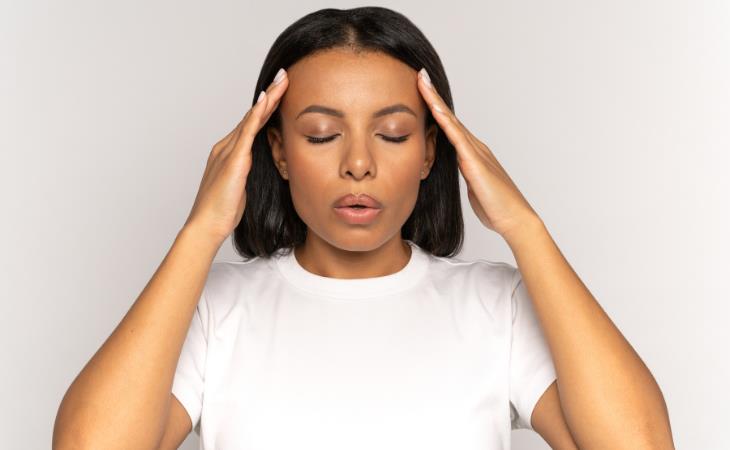
anxiety
Anxiety is a prevalent mental health issue affecting millions globally. Many seek alternative remedies, including herbal supplements like echinacea. Some studies indicate that echinacea may have anxiety-reducing properties due to its chemical composition, which inlcudes alkamides, rosmarinic acid, and caffeic acid. A few other studies report reduced anxiety symptoms with echinacea use, while others show no significant benefit.
 
 
4. Anti-inflammatory effects
Inflammation is the body's natural response to injury or infection, but prolonged inflammation can contribute to various health issues. Echinacea has been traditionally used to address these concerns. Studies suggest the herb may help reduce inflammation markers, potentially offering relief from conditions associated with chronic inflammation. By calming the body's inflammatory response, it may be effective in treating minor skin irritations or sore throats.

5. Can help heal wounds
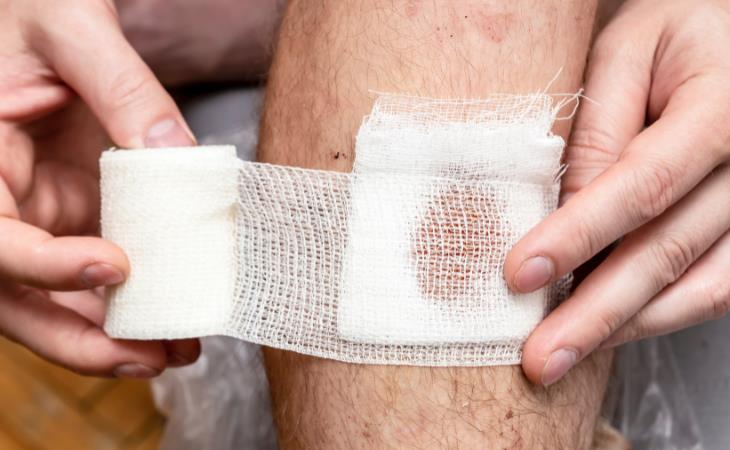
 wounds
 
Echinacea is sometimes recommended by healthcare professionals for patients with slow-healing wounds. A 2023 study published in the journal Molecules demonstrated that applying echinacea directly to wounds, in addition to oral consumption, can promote faster healing. This is due to echinacea's ability to stimulate the immune system and prevent infection. However, it's important to note that while echinacea can be beneficial, it should not replace standard medical treatment for wounds. 
 
6. Can help treat common skin concerns
 
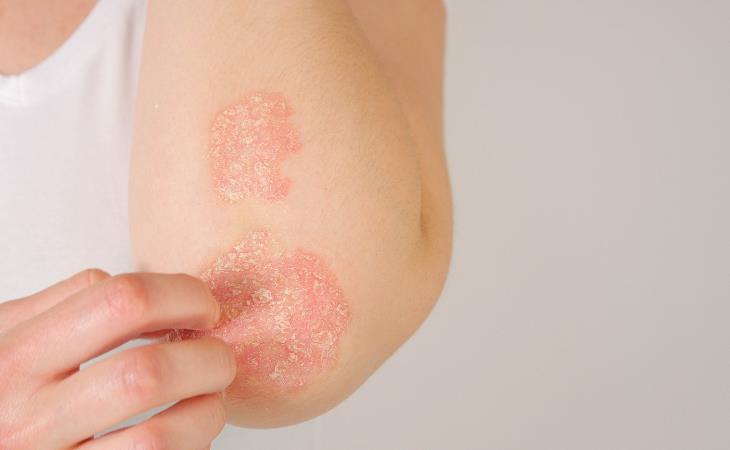
skin issue
Studies suggest that echinacea plants might be effective in addressing common skin issues. One study highlighted a supplement with botanical extracts from eggplant and echinacea that showed improvement in mild to moderate acne when compared to a placebo. Despite this, it's uncertain how much of this benefit is directly due to echinacea.

A 2010 study found that skincare products containing echinacea extract improved skin hydration and reduced wrinkles. Additionally, a cream with Echinacea purpurea extract showed improvements in eczema symptoms and helped restore the skin’s protective outer layer. 
 
 
Are there any side effects to taking Echinacea supplements?
While echinacea is generally considered safe for short-term use, its long-term safety is less clear. Common side effects include digestive upsets and skin rashes. It's essential to consult with a healthcare provider before starting any new supplement regimen, especially for those with autoimmune conditions or those taking immunosuppressant medications. 
 
What is the ideal dosage? 
When choosing echinacea supplements, opt for those from reputable brands. 
 
For optimal results, consider the following dosage guidelines based on older research:
 
Dry powdered extract: 300-500 milligrams three times daily 
 
Liquid extract tinctures: 2.5 milliliters three times daily or up to 10 milliliters daily. 
 
It's essential to remember that these recommendations are for short-term use. Always follow the specific instructions provided with your chosen supplement.


This is only for your information, kindly take the advice of your doctor for medicines, exercises and so on.   


Labels: , , , , , ,

Wednesday, August 06, 2025

Liver damage starts silently: 7 lesser-known signs men and women must pay attention to

The liver is one of the most vital organs in the body. It filters all of the blood in the body, produces bile, resists infection and regulates amino acids as well. However, it is also most susceptible to diseases, which are often called 'silent killers' because the signals are too subtle to be noticed in the beginning. According to the CDC, about 35.5 million people in the US suffer from liver disease. However, most of us chalk the signs up to causes such as ageing or stress. Below, find out 7 lesser-known signs of liver diseases that both men and women must pay attention to.

Constant fatigue


Feeling tired all the time for no clear reason? It could be your liver waving a red flag. When your liver isn’t working properly, it struggles to filter toxins and support energy levels—leaving you drained, foggy, and just “off.” It’s more than tiredness—it’s your body asking for help.

An unhealthy liver will not be able to function well. This means that it will not filter the toxins in the blood effectively, leading to a feeling of general illness and fatigue all the time.


Skin discoloration


One of the most common signs of liver disease is skin discolouration or jaundice. This includes the development of yellow tints in the whites of the eyes and the skin. Additionally, it can also lead to darkened skin in areas such as the neck and the armpits, especially in women. 

Hepatic encephalopathy


Hepatic encephalopathy or an altered mental status are mostly considered signs of depression or a brain disease. However, did you know that these can also signal liver illness? The toxins in the liver, when unfiltered, can reach the brain and disrupt its functioning. This can manifest in the form of mood swings, forgetfulness, confusion and emotional and mental frustration. 

Skin problems

Liver diseases can present themselves in the body in the form of numerous skin conditions. These include palmar erythema, when the skin of the palms turns red; spider angiomas, when the blood vessels appear in spider-like clusters under the skin with red spots; inexplicable bruises and persistent itching caused by the accumulation of bile salts in the blood. 


 Menstrual abnormalities


One of the very obvious signs for women in terms of liver disease is menstrual abnormalities. The instances of irregular cycles, heavy or light bleeding, missed periods can signal concerns. This is because the liver plays a role in metabolising and regulating hormones, and if it is not functioning properly, then it can affect your periods. 


Muscle weakness


Loss of muscles, also known as muscle wasting or sarcopenia, can happen when the liver is not properly processing proteins and nutrients. While most people attribute this to diet or exercise, if it is frequent and excessive, it could be a sign of liver disease. According to the National Institutes of Health, this is common in people with cirrhosis and other forms of liver disease.


Dark urine and pale stools

Dark urine in the colours of amber to brown can be a sign of liver dysfunction. Liver eliminates the yellow compound called bilirubin through urine; however, when it is unable to do so, the compound accumulates, and darker urine is the result. Additionally, bile in the liver gives stool its colour. When it is not produced, the stool might be pale, grey or clay coloured.


Digestive disturbances and abdominal discomfort

While occasional bloating or indigestion is common, persistent digestive issues can be a subtle sign of liver trouble. The liver plays a key role in producing bile, which helps digest fats. When it's not functioning optimally, you may experience nausea, a feeling of fullness after small meals, gas, or pain in the upper right side of the abdomen. Some people may also develop ascites—fluid buildup in the abdomen—causing visible swelling.


Common liver diseases to know


 Common liver diseases include hepatitis (especially hepatitis A, B, and C), which involves liver inflammation often caused by viral infections. Fatty liver disease, both non-alcoholic (NAFLD) and alcoholic (AFLD), is increasingly prevalent due to obesity and alcohol use. Cirrhosis, often a result of chronic liver damage, can lead to liver failure. Liver cancer (hepatocellular carcinoma) is another serious concern. Hemochromatosis (iron overload) and Wilson’s disease (copper buildup) are genetic disorders affecting liver function. Early detection, lifestyle changes, and regular screening are crucial for effective management, particularly in high-risk populations.


This is only for your information, kindly take the advice of your doctor for medicines, exercises and so on.   


Labels: , , , , , , , , , ,

Thursday, May 16, 2024

8 signs of hormonal imbalance and how you can restore it

 Hormonal imbalance can disrupt our body's equilibrium and impact everything from sleep to energy levels. The first step is to recognise the signs 

Hormones are the body’s chemical messengers that help to regulate different bodily functions such as metabolism, growth, mood and reproduction. However, imbalanced hormones – in men and women – can disrupt the delicate equilibrium of our bodies leading to a wide range of symptoms that can affect overall health and well-being. Knowing the signs of hormonal imbalance is key to addressing these issues and bringing back body harmony.

What are a few common signs of hormonal imbalance?

Irregular menstrual cycles: Hormonal imbalance may lead to menstrual cycle irregularities such as missed periods, prolonged periods or heavy bleeding. These abnormalities may be due to an imbalance in estrogen and progesterone levels which affects the reproductive system.

Mood swings and emotional instability: Changes in hormone levels could influence neurotransmitters in your brain, thereby producing mood swings, irritability, anxiety or depression. Notably, estrogen-progesterone imbalances may also affect human emotions making them unstable besides affecting their general mental well-being.

Fatigue and low energy levels: Persistent fatigue and low energy levels usually accompany hormonal imbalances making it hard for you to do day-to-day activities or even engage in any physical activity. 

Weight gain or difficulty losing weight: Changes in hormone levels have the potential to affect metabolism and appetite regulation, thereby causing weight gain or making it difficult for an individual to lose weight. Insulin resistance, thyroid imbalances or changes in cortisol levels can impair the body’s ability to maintain a healthy weight despite attempts at dieting or exercise. 

Skin problems: Hormonal imbalance may be visible on the skin leading to acne, oily skin, dryness and inflammation. The sebum production and skin cell turnover could be influenced by fluctuations in cortisol, androgen levels, insulin among others which can cause these various dermatological disorders. 

Hair loss or thinning: Fluctuations in hormone levels especially androgens like testosterone and dihydrotestosterone (DHT) can cause hair loss or thinning. Hormonal imbalances can interfere with the growth cycle of hair, thereby causing premature resting stage of hair follicles and resultant loss of hair. 

Sleep disturbances: Hormone imbalances interfere with sleep patterns resulting in cases such as insomnia, difficulty in sleeping as well as waking too many times during the night. Circadian rhythms together with sleep-wake cycles are influenced by fluctuations in estrogen levels, cortisol, melatonin among others causing poor quality sleep overall and reduced sleep duration. 

Digestive issues: Problems with digestion may be due to hormonal imbalance. Hormonal imbalance may contribute to digestive problems such as bloating, constipation, diarrhea or abdominal discomfort. Imbalances in cortisol, thyroid hormones or serotonin can affect gastrointestinal motility and function, leading to digestive disturbances.

What should you do if you suspect hormonal imbalance in your body?

Consult with a healthcare professional: In case of hormonal imbalance, it is important to seek medical advice so as to accurately evaluate and diagnose the condition. Hormone levels can be measured in a laboratory by conducting blood tests to determine the level of thyroid hormone or underlying conditions.

Maintain a healthy lifestyle: A lot of hormones can be balanced by leading a healthy lifestyle that can improve overall health. Regular exercise, well-balanced diet, stress management and enough sleep are ways that people can attain hormonal health and relieve some symptoms related to their imbalances.

Consider hormone therapy: Sometimes, hormone replacement therapy may help achieve balance of hormones through mitigating the symptoms caused by it. This usually involves administering substitute hormones for those who lack them or using drugs that regulate their circulation. 

Address underlying health conditions: Addressing existing health issues such as diabetes, Polycystic Ovary Syndrome (PCOS) or thyroid complications is very important when dealing with hormonal imbalances. By stabilizing hormonal levels through treatment of these problems, patients have greatly improved their physical state. 

by-Dr. Nandita Palshetkar is an obstetrician, gynaecologist


This is only for your information, kindly take the advice of your doctor for medicines, exercises and so on.   

https://gscrochetdesigns.blogspot.com. one can see my crochet creations  
https://gseasyrecipes.blogspot.com. feel free to view for easy, simple and healthy recipes    
https://kneereplacement-stickclub.blogspot.com. for info on knee replacement
https://cancersupportindia.blogspot.com  for infor on cancer and health related topics
https://GSiyers home remedies.blogspot.com   is the latest addition to my blogs. I'm going to add posts there, do give me your valuable feed back on my blogs. Thanks a lot, take care, be healthy and be happy.

Labels: , , , , , , , , ,

Sunday, June 26, 2022

THESE are the silent indicators of COVID which should never be overlooked

It is important to spot the signs of COVID for timely medical help

Obviously, by now you must already be knowing a great deal about COVID. From the symptoms to the management, every detail on the COVID spreading coronavirus is known to people. Wearing masks, sanitising hands and minimising contact has become a part and parcel of daily life.

However, we still need to upgrade our knowledge about the virus. The virus propagates faster than one can anticipate, it mutates rapidly and with each new variant of the virus the way it manifests itself in the human body or any other host changes dramatically.

Why do we need to be careful?

Until now, we have seen three major waves of COVID infection caused by five variants of concern. The coronavirus has mutated over several times and of all the mutations five aggressive ones have caused havoc to mankind and have claimed millions of lives worldwide.

The COVID variants of concern are Alpha, Beta, Gamma, Delta and Omicron.

India had faced the brunt of the second COVID wave which was caused by the Delta variant, which had originated in the country itself.

In view of the propagation nature of the virus, a sudden change in the behaviour and the symptoms inflicted on human beings is inevitable.

So the need of the hour is to thwart the spread of the virus and to counter the effects of the viral attack as much as possible.

In order to attain this, one needs to understand the signs and symptoms of the condition and it is vital to understand the silent signs and those signs which seem to camouflage another infection or disease in disguise.

​Splitting headache

There can be several reasons behind a terrible headache and one of them can be COVID.

A splitting headache can happen when you are dehydrated or are exposed to some allergen, or even when you catch a cold. However, with the fact that the coronavirus is staying in the environment in the vicinity, the chance of a COVID attack can not be ruled out.

Whenever you have a splitting headache, make sure to get yourself tested for COVID and follow COVID appropriate behaviour.

​Continuous gastrointestinal problem

That severe stomach pain you have been having for the last one month, if it is not because of your eating habit, it's time you get checked for COVID or perhaps long COVID.

Until recently, gastrointestinal problems have been linked to COVID and are being widely reported. The COVID infection which was earlier thought to be a respiratory issue actually has a debilitating effect on other body organs too.

As per research studies, a sizable number of patients suffer from gastrointestinal issues when having COVID.

Dizziness

Yet again, this is an early sign of almost every health complication. Dizziness or fainting even after doing minimal physical activity occurs when your body is extremely tired.

A COVID attack makes the body weak and dehydrated. When the body continues with the biological functions but does not get sufficient water it adversely affects the system. The condition worsens for older people and those with complications like diabetes or high blood pressure.

​Confusion or brain fog

Have you been feeling low recently? Of late, have you felt like the entire energy from your body has vanished?

COVID's association with brain health is peculiar. Confusion or brain fog has been reported in many patients.

Therefore, instead of trying to cope with it, whenever you feel lost or exhausted, contact a medical professional. Do not live under the assumption that it might go on its own.

​Skin problem

As bizarre as it may sound, skin problems are actually linked to COVID. With COVID incidences still on the higher side, pay attention to your skin health.

Do not ignore any signs of hives or rashes. Any sort of skin irritation should be dealt with seriously.

Irritations are seen on toes, called as COVID toes; on hands and also on the nail beds.

This is only for your information, kindly take the advice of your doctor for medicines, exercises and so on.   

https://gscrochetdesigns.blogspot.com. one can see my crochet creations  
https://gseasyrecipes.blogspot.com. feel free to view for easy, simple and healthy recipes    
https://kneereplacement-stickclub.blogspot.com. for info on knee replacement

Labels: , , , , , ,