Wednesday, August 06, 2025

Liver damage starts silently: 7 lesser-known signs men and women must pay attention to

The liver is one of the most vital organs in the body. It filters all of the blood in the body, produces bile, resists infection and regulates amino acids as well. However, it is also most susceptible to diseases, which are often called 'silent killers' because the signals are too subtle to be noticed in the beginning. According to the CDC, about 35.5 million people in the US suffer from liver disease. However, most of us chalk the signs up to causes such as ageing or stress. Below, find out 7 lesser-known signs of liver diseases that both men and women must pay attention to.

Constant fatigue


Feeling tired all the time for no clear reason? It could be your liver waving a red flag. When your liver isn’t working properly, it struggles to filter toxins and support energy levels—leaving you drained, foggy, and just “off.” It’s more than tiredness—it’s your body asking for help.

An unhealthy liver will not be able to function well. This means that it will not filter the toxins in the blood effectively, leading to a feeling of general illness and fatigue all the time.


Skin discoloration
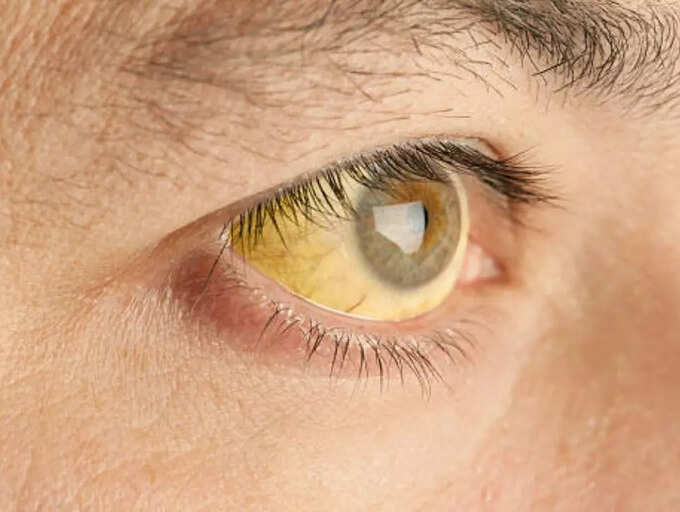
 

One of the most common signs of liver disease is skin discolouration or jaundice. This includes the development of yellow tints in the whites of the eyes and the skin. Additionally, it can also lead to darkened skin in areas such as the neck and the armpits, especially in women. 

Hepatic encephalopathy

 

Hepatic encephalopathy or an altered mental status are mostly considered signs of depression or a brain disease. However, did you know that these can also signal liver illness? The toxins in the liver, when unfiltered, can reach the brain and disrupt its functioning. This can manifest in the form of mood swings, forgetfulness, confusion and emotional and mental frustration. 

Skin problems

Liver diseases can present themselves in the body in the form of numerous skin conditions. These include palmar erythema, when the skin of the palms turns red; spider angiomas, when the blood vessels appear in spider-like clusters under the skin with red spots; inexplicable bruises and persistent itching caused by the accumulation of bile salts in the blood. 


 Menstrual abnormalities

 

One of the very obvious signs for women in terms of liver disease is menstrual abnormalities. The instances of irregular cycles, heavy or light bleeding, missed periods can signal concerns. This is because the liver plays a role in metabolising and regulating hormones, and if it is not functioning properly, then it can affect your periods. 


Muscle weakness

 

Loss of muscles, also known as muscle wasting or sarcopenia, can happen when the liver is not properly processing proteins and nutrients. While most people attribute this to diet or exercise, if it is frequent and excessive, it could be a sign of liver disease. According to the National Institutes of Health, this is common in people with cirrhosis and other forms of liver disease.


Dark urine and pale stools

Dark urine in the colours of amber to brown can be a sign of liver dysfunction. Liver eliminates the yellow compound called bilirubin through urine; however, when it is unable to do so, the compound accumulates, and darker urine is the result. Additionally, bile in the liver gives stool its colour. When it is not produced, the stool might be pale, grey or clay coloured.


Digestive disturbances and abdominal discomfort

While occasional bloating or indigestion is common, persistent digestive issues can be a subtle sign of liver trouble. The liver plays a key role in producing bile, which helps digest fats. When it's not functioning optimally, you may experience nausea, a feeling of fullness after small meals, gas, or pain in the upper right side of the abdomen. Some people may also develop ascites—fluid buildup in the abdomen—causing visible swelling.


Common liver diseases to know
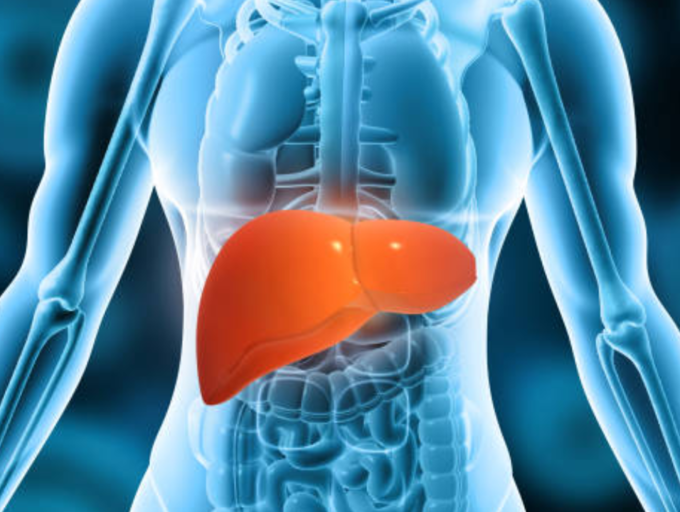
 

 Common liver diseases include hepatitis (especially hepatitis A, B, and C), which involves liver inflammation often caused by viral infections. Fatty liver disease, both non-alcoholic (NAFLD) and alcoholic (AFLD), is increasingly prevalent due to obesity and alcohol use. Cirrhosis, often a result of chronic liver damage, can lead to liver failure. Liver cancer (hepatocellular carcinoma) is another serious concern. Hemochromatosis (iron overload) and Wilson’s disease (copper buildup) are genetic disorders affecting liver function. Early detection, lifestyle changes, and regular screening are crucial for effective management, particularly in high-risk populations.


This is only for your information, kindly take the advice of your doctor for medicines, exercises and so on.   


Labels: , , , , , , , , , ,

Friday, June 20, 2025

6 visible skin signs that may signal a vitamin D deficiency

Dry and Itchy Skin

Lack of Vitamin D disrupts the skin’s moisture balance, often resulting in dryness, flakiness, and itchiness. This is especially noticeable in areas exposed to air, like arms, legs, and face.

Slow-Healing Wounds

Vitamin D supports cell growth and repair. If minor cuts, scrapes, or bruises take longer than normal to heal, it may indicate a deficiency that’s slowing down your skin’s regeneration process.

Eczema or Skin Inflammation

Vitamin D helps regulate the immune system. Its deficiency may worsen inflammatory conditions like eczema, leading to red, itchy, and irritated skin, commonly seen on elbows, hands, and behind the knees.

Increased Acne Breakouts

With insufficient Vitamin D, inflammation in the skin can rise, worsening acne. It may also trigger increased oil secretion, leading to clogged pores and more frequent breakouts, particularly in adults.

Skin Discoloration or Dullness

Vitamin D deficiency can result in dull, pale, or uneven skin tone. As melanin production and circulation are affected, the skin may lose its natural glow and look less vibrant.

Psoriasis Flare-Ups

Vitamin D helps regulate the life cycle of skin cells. Without it, conditions like psoriasis can worsen, causing thick, scaly, red patches, especially on the scalp, elbows, and lower back.


This is only for your information, kindly take the advice of your doctor for medicines, exercises and so on.   


Labels: , , , , , ,

Sunday, May 01, 2022

Noninvasive Treatments For Varicose Veins

Varicose veins are rarely a medical concern, and they rarely need any treatment. But you do not need to tolerate them if they make you feel uncomfortable or less attractive.

What should you know about varicose veins?

Varicose veins are the enlarged, twisted, ropelike purplish vein that occurs on the surface of your skin. They often appear at the back of your legs due to the long-standing and walking periods.

Varicose veins occur when your valves become faulty, leading to the backward flow of blood. Over time the blood accumulates in your veins leading to the appearance of unsightly veins. In most cases, varicose veins are not a cause for alarm, and they rarely cause any symptoms. But they are painful, or you are uncomfortable with them, you can consult with your doctor about the available treatment options.

How are spider veins different from varicose veins?

Spider veins and varicose veins are forms of venous disease, but they are different. Spider veins are small, twisted, web-like veins that often appear on the face or behind the legs.

On the other hand, Varicose veins are large, ropelike veins that often bulge above the skin surface. Spider veins rarely cause any painful symptoms, but you can get treatment if they affect your self-confidence.

When should you inform your provider about varicose veins?

If you develop varicose veins, do not be alarmed because they are rarely a sign of severe health conditions, and they rarely cause any life-threatening symptoms. However, if you experience the following symptoms, call your doctor immediately:

  • Itching in the affected or surrounding veins
  •  Pain that deteriorates after standing or sitting for long
  • Skin discoloration on the surrounding area of the varicose vein
  • Muscle cramping, swelling, and throbbing in your legs

If you are also concerned about how these unsightly veins affect your physical appearance, you can also contact the professional team at The Vein Institute for treatment.

How should you prepare for your treatment?

There is not much to do in preparation for your appointment. Your provider may require you to wear comfortable, loose-fitting clothing to avoid elevating the discomfort after the procedure.

 If you are nervous about the treatment, inform the medical team beforehand so that they may use a mild sedative to ensure you are comfortable throughout the procedure. You should also tell your provider if you are taking any supplements or medications, as these can trigger bruising at the treatment site.

How can you treat varicose veins?

Your treatment depends on how severe your varicose veins are. In most cases, Dr. Bhusri may recommend wearing compression stockings and raising your legs at certain intervals during the day. Additionally, taking short walks improves blood circulation, reducing the visibility of varicose veins.

However, if you have severe varicose veins, Dr. Bhusri may recommend advanced treatments such as VenaSeal, radiofrequency ablation, and sclerotherapy. These procedures seal the affected veins and redirect blood to healthier veins.


This is only for your information, kindly take the advice of your doctor for medicines, exercises and so on.   

https://gscrochetdesigns.blogspot.com. one can see my crochet creations  
https://gseasyrecipes.blogspot.com. feel free to view for easy, simple and healthy recipes    
https://kneereplacement-stickclub.blogspot.com. for info on knee replacement


Labels: , , , , , , , , , , , ,