Wednesday, August 06, 2025

Liver damage starts silently: 7 lesser-known signs men and women must pay attention to

The liver is one of the most vital organs in the body. It filters all of the blood in the body, produces bile, resists infection and regulates amino acids as well. However, it is also most susceptible to diseases, which are often called 'silent killers' because the signals are too subtle to be noticed in the beginning. According to the CDC, about 35.5 million people in the US suffer from liver disease. However, most of us chalk the signs up to causes such as ageing or stress. Below, find out 7 lesser-known signs of liver diseases that both men and women must pay attention to.

Constant fatigue


Feeling tired all the time for no clear reason? It could be your liver waving a red flag. When your liver isn’t working properly, it struggles to filter toxins and support energy levels—leaving you drained, foggy, and just “off.” It’s more than tiredness—it’s your body asking for help.

An unhealthy liver will not be able to function well. This means that it will not filter the toxins in the blood effectively, leading to a feeling of general illness and fatigue all the time.


Skin discoloration
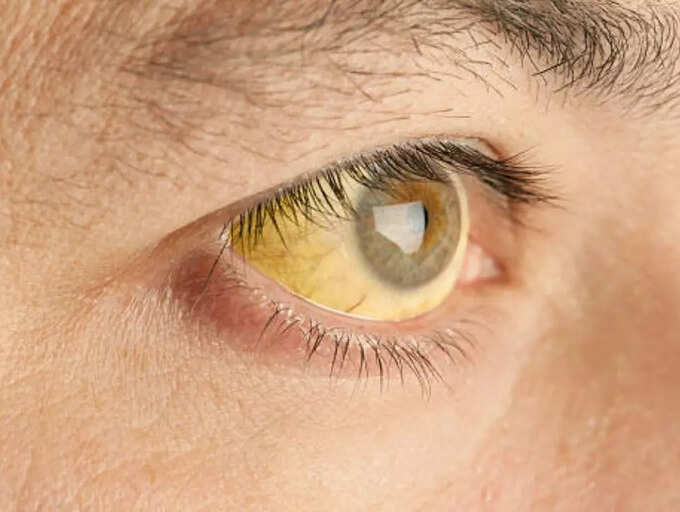
 

One of the most common signs of liver disease is skin discolouration or jaundice. This includes the development of yellow tints in the whites of the eyes and the skin. Additionally, it can also lead to darkened skin in areas such as the neck and the armpits, especially in women. 

Hepatic encephalopathy

 

Hepatic encephalopathy or an altered mental status are mostly considered signs of depression or a brain disease. However, did you know that these can also signal liver illness? The toxins in the liver, when unfiltered, can reach the brain and disrupt its functioning. This can manifest in the form of mood swings, forgetfulness, confusion and emotional and mental frustration. 

Skin problems

Liver diseases can present themselves in the body in the form of numerous skin conditions. These include palmar erythema, when the skin of the palms turns red; spider angiomas, when the blood vessels appear in spider-like clusters under the skin with red spots; inexplicable bruises and persistent itching caused by the accumulation of bile salts in the blood. 


 Menstrual abnormalities

 

One of the very obvious signs for women in terms of liver disease is menstrual abnormalities. The instances of irregular cycles, heavy or light bleeding, missed periods can signal concerns. This is because the liver plays a role in metabolising and regulating hormones, and if it is not functioning properly, then it can affect your periods. 


Muscle weakness

 

Loss of muscles, also known as muscle wasting or sarcopenia, can happen when the liver is not properly processing proteins and nutrients. While most people attribute this to diet or exercise, if it is frequent and excessive, it could be a sign of liver disease. According to the National Institutes of Health, this is common in people with cirrhosis and other forms of liver disease.


Dark urine and pale stools

Dark urine in the colours of amber to brown can be a sign of liver dysfunction. Liver eliminates the yellow compound called bilirubin through urine; however, when it is unable to do so, the compound accumulates, and darker urine is the result. Additionally, bile in the liver gives stool its colour. When it is not produced, the stool might be pale, grey or clay coloured.


Digestive disturbances and abdominal discomfort

While occasional bloating or indigestion is common, persistent digestive issues can be a subtle sign of liver trouble. The liver plays a key role in producing bile, which helps digest fats. When it's not functioning optimally, you may experience nausea, a feeling of fullness after small meals, gas, or pain in the upper right side of the abdomen. Some people may also develop ascites—fluid buildup in the abdomen—causing visible swelling.


Common liver diseases to know
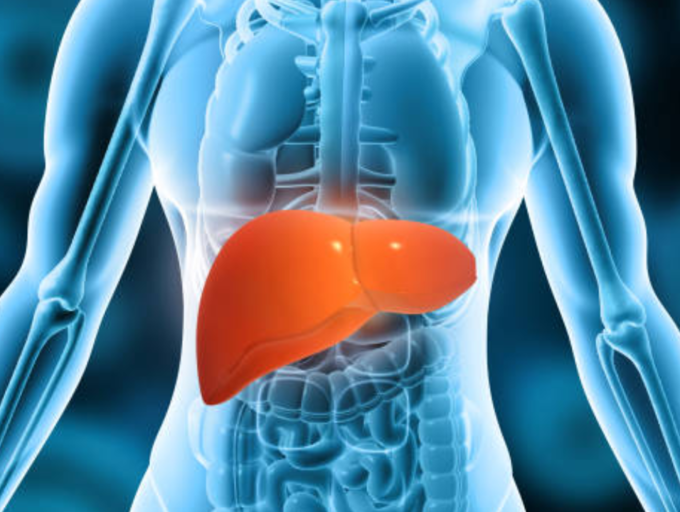
 

 Common liver diseases include hepatitis (especially hepatitis A, B, and C), which involves liver inflammation often caused by viral infections. Fatty liver disease, both non-alcoholic (NAFLD) and alcoholic (AFLD), is increasingly prevalent due to obesity and alcohol use. Cirrhosis, often a result of chronic liver damage, can lead to liver failure. Liver cancer (hepatocellular carcinoma) is another serious concern. Hemochromatosis (iron overload) and Wilson’s disease (copper buildup) are genetic disorders affecting liver function. Early detection, lifestyle changes, and regular screening are crucial for effective management, particularly in high-risk populations.


This is only for your information, kindly take the advice of your doctor for medicines, exercises and so on.   


Labels: , , , , , , , , , ,

Friday, July 12, 2024

What exactly is Wilson's disease- causes and symptoms

Unless you have Wilson's disease, or you know someone who does, you've probably never heard of this rare genetic condition. With non-specific symptoms that mainly affect the brain and the liver, this slippery condition is tricky to diagnose, and it can have serious complications if left untreated.

What is Wilson disease?

Wilson disease is a rare genetic condition that occurs when your body accumulates too much copper, especially in the liver and brain. Your body needs a small amount of copper from food to stay healthy, but without treatment, Wilson disease can lead to high copper levels that cause life-threatening organ damage.

Who does Wilson disease affect?

Wilson disease is passed on from parents to their children. It requires a copy of the abnormal gene from each parent. It’s very difficult to know who will develop it because parents often have no symptoms to let them know that they carry the abnormal gene. If you have other close relatives with the disease, you’re more likely to be at risk.

How common is Wilson disease?

Wilson disease affects an estimated 1 out of every 30,000 people. It’s more common among people with a family history of the condition. There are more people who have only one copy of the abnormal gene (carriers). Carriers won’t usually have symptoms, even though they can give the disease to their children. Because there are no symptoms in carriers, it’s hard to know exactly how many people in the general population have an abnormal copy of the gene.

How does Wilson disease affect my body?

Wilson disease, without early diagnosis and treatment, can lead to life-threatening complications. Toxic levels of copper build up in your body, especially in the liver and brain, and put you at risk of organ damage. Increased copper levels will affect how you feel, often making you very tired or weak and uncomfortable or in pain. If you have weakness, tiredness or pain that doesn’t go away, reach out to your healthcare provider for advice.

Symptoms and Causes

 What are the symptoms of Wilson disease?

Symptoms of Wilson disease vary a lot from person to person.

Wilson disease is present at birth (congenital), but the symptoms don’t appear until copper builds up in your liver, brain, eyes or other organs. People who have Wilson disease typically develop symptoms between ages 5 and 40. However, some people develop symptoms at younger or older ages.

Some people are diagnosed with other liver or mental health disorders when they actually have Wilson disease. This is because symptoms can be nonspecific and similar to other conditions until copper levels are measured.


Liver symptoms

People with Wilson disease often develop symptoms of hepatitis (inflammation of the liver) and can have an abrupt decrease in liver function (acute liver failure). These symptoms may include:

  • Fatigue.
  • Nausea and vomiting.
  • Poor appetite.
  • Pain over the liver, in the upper part of your abdomen.
  • Dark urine color.
  • Light color of stool.
  • Yellow tint to the whites of your eyes and skin (jaundice).

Some people with Wilson disease have symptoms only if they develop chronic liver diseases and complications from cirrhosis. These symptoms may include:

  • Fatigue and weakness.
  • Unexpected weight loss.
  • Bloating from a buildup of fluid in the abdomen (ascites).
  • Swelling of the lower legs, ankles or feet (edema).
  • Itchy skin.
  • Severe jaundice.

Central nervous system symptoms

People with Wilson disease may develop central nervous system symptoms that affect their mental health as copper builds up in their body. These symptoms are more common in adults but do also occur in children.

Nervous system symptoms may include:

  • Problems with speech, swallowing or physical coordination.
  • Stiff muscles.
  • Tremors or uncontrolled movements.

Symptoms of Wilson disease that affect a person’s mental health include:

  • Anxiety.
  • Changes in mood, personality or behavior.
  • Depression
  • Disruptions to thoughts and feelings that make it difficult to tell what’s real and what isn’t (psychosis).

Eye symptoms

Many people with Wilson disease have green, gold or brown rings around the edge of the corneas in their eyes (Kayser-Fleischer rings). A buildup of copper in the eyes causes the Kayser-Fleischer rings. Your healthcare provider can see these rings during a special eye exam called a slit-lamp exam.

Most people diagnosed with Wilson disease who have symptoms that affect their nervous system also have Kayser-Fleischer rings. About half of the people diagnosed with Wilson disease who only have symptoms that affect their liver also have Kayser-Fleischer rings.

Other symptoms of Wilson disease

Wilson disease can affect other parts of your body and cause symptoms including:

  • Hemolytic anemia.
  • Bone and joint problems ( arthritis or osteoporosis).
  • Heart problems (cardiomyopathy).
  • Kidney problems (renal tubular acidosis or kidney stones)


This is only for your information, kindly take the advice of your doctor for medicines, exercises and so on.   

https://gscrochetdesigns.blogspot.com. one can see my crochet creations  
https://gseasyrecipes.blogspot.com. feel free to view for easy, simple and healthy recipes    
https://kneereplacement-stickclub.blogspot.com. for info on knee replacement
https://cancersupportindia.blogspot.com  for infor on cancer and health related topics
https://GSiyers home remedies.blogspot.com   is the latest addition to my blogs. I'm going to add posts there, do give me your valuable feed back on my blogs. Thanks a lot, take care, be healthy and be happy.


Labels: , , , , , , , , ,

Monday, April 15, 2024

Hepatitis C is Silent But Deadly - Know the Signs!

Hepatitis C may lurk unnoticed, but its potential impact on your health is far from silent. Learn how this stealthy virus can wreak havoc on your liver and why early detection is crucial.

Hepatitis C, often dubbed the "silent killer," is a viral infection that quietly attacks the liver, causing severe damage over time. Despite its stealthy nature, understanding its risks, symptoms, and available treatments is crucial for prevention and early intervention.

Understanding Hepatitis C:

Hepatitis C is a blood-borne virus primarily transmitted through contact with infected blood. Many individuals infected with hepatitis C are unaware of their condition because symptoms may not appear until liver damage has progressed significantly. Common modes of transmission include sharing needles, receiving contaminated blood transfusions or organ transplants, and, less commonly, through sexual contact or from mother to baby during childbirth.

Signs and Symptoms:

One of the most challenging aspects of hepatitis C is its ability to remain asymptomatic for years or even decades. When symptoms do occur, they can vary widely in severity and may include fatigue, abdominal pain, jaundice, dark urine, loss of appetite, and nausea. However, these symptoms often go unnoticed or are attributed to other health issues, leading to delayed diagnosis and treatment.

Complications:

If left untreated, hepatitis C can lead to severe liver damage, including cirrhosis, liver cancer, and liver failure. These complications can be life-threatening and significantly impact a person's quality of life. Additionally, hepatitis C has been linked to extrahepatic manifestations, affecting other organs and systems in the body, such as the kidneys, skin, and nervous system.

Diagnosis and Treatment:

Early detection of hepatitis C is crucial for preventing long-term complications. Testing typically involves a blood test to detect the presence of hepatitis C antibodies. If antibodies are detected, additional tests may be conducted to confirm the diagnosis and assess liver function. Fortunately, advancements in medical research have led to highly effective treatments for hepatitis C, known as direct-acting antivirals (DAAs). These medications have revolutionized hepatitis C treatment, offering cure rates of over 95% and minimal side effects.

Prevention:

Preventing hepatitis C primarily involves avoiding exposure to the virus. This includes practicing safe injection practices, avoiding sharing needles or personal items that may come into contact with blood, and using protection during sexual activity. Additionally, screening blood donations and ensuring sterile medical procedures are essential for preventing the spread of hepatitis C.

Conclusion:

Hepatitis C may be silent, but its impact on health can be devastating if left untreated. By raising awareness, promoting testing, and providing access to effective treatments, we can combat this silent epidemic and prevent needless suffering and loss of life. Remember, knowledge is power when it comes to hepatitis C—get tested, get treated, and protect your liver health.


This is only for your information, kindly take the advice of your doctor for medicines, exercises and so on.   

https://gscrochetdesigns.blogspot.com. one can see my crochet creations  
https://gseasyrecipes.blogspot.com. feel free to view for easy, simple and healthy recipes    
https://kneereplacement-stickclub.blogspot.com. for info on knee replacement
https://cancersupportindia.blogspot.com  for infor on cancer and health related topics
https://GSiyers home remedies.blogspot.com   is the latest addition to my blogs. I'm going to add posts there, do give me your valuable feed back on my blogs. Thanks a lot, take care, be healthy and be happy.


Labels: , , , , , , , , , , ,

Tuesday, August 08, 2023

Main causes and symptoms of liver disease

Common Symptoms of Liver Disease:​ 
Yellowing of the skin 
 
• Fever 
 
• Upper right side abdominal tenderness 
 
• Jaundice 
 
• Dry mouth 
 
• Weight gain 
 
• Dark urine 
 
• Loss of appetite 
 
• Vomiting blood
 .
Breast development in males 
 
• Weight loss 
 
• Enlarged liver 
 
• Diarrhea 
 
• Joint aches 
 
 
Main Causes of Liver Disease: 
 
- Lack of sleep at night (sleeping more in the morning, less at night). 
 
- High consumption of food in a single sitting. 
 
- Inability to urinate in the morning. 
 
 - Consumption of too many artificial preservatives and sweeteners. 
 
 - Consumption of fried food when tired. 
 
- Hepatitis A, B or E infection. 
 
- Autoimmune diseases that attack liver cells and cause inflammation. 
 
- Alcohol abuse can directly cause liver inflammation.
 
This is only for your information, kindly take the advice of your doctor for medicines, exercises and so on.   

https://gscrochetdesigns.blogspot.com. one can see my crochet creations  
https://gseasyrecipes.blogspot.com. feel free to view for easy, simple and healthy recipes    
https://kneereplacement-stickclub.blogspot.com. for info on knee replacement
https://cancersupportindia.blogspot.com  for infor on cancer and health related topics
https://GSiyers home remedies.blogspot.com   is the latest addition to my blogs. I'm going to add posts there, do give me your valuable feed back on my blogs. Thanks a lot, take care, be healthy and be happy.
 

Labels: , , , , , , , , , ,

Friday, November 19, 2021

Home Remedies to Help Prevent Liver Disease

Located just below our right-hand rib cage, our liver plays a crucial role in many essential bodily functions of the body, such as producing bile that reduces the amount of fat in the body. It maintains our sugar, fat and iron levels, and is also involved in the production of protein.

Liver diseases are a group of disorders, infections and medical conditions that affect the liver tissue and its structure, and may cause damage or stop its functioning altogether. 
 
Common Symptoms of Liver Disease:​ 
• Yellowing of the skin 
• Fever
• Upper right side abdominal tenderness 
• Jaundice
 • Dry mouth • Weight gain 
• Dark urine 
• Loss of appetite 
• Vomiting blood 
• Breast development in males 
• Weight loss 
• Enlarged liver 
• Diarrhea 
• Joint aches  
 
 
Main Causes of Liver Disease: 
- Lack of sleep at night (sleeping more in the morning, less at night). 
- High consumption of food in a single sitting. 
- Inability to urinate in the morning. 
 - Consumption of too many artificial preservatives and sweeteners. 
- Consumption of fried food when tired. 
 - Hepatitis A, B or E infection. 
- Autoimmune diseases that attack liver cells and cause inflammation. 
 - Alcohol abuse can directly cause liver inflammation.

Dandelion Root Tea
Liver - Instructions - Remedies - Healthy

This is one of the best home remedies for liver disease. You can make tea out of dandelion leaves twice a day. For even better results, you can boil some roots of the dandelion in water. 
 
Milk Thistle 
This remedy can be very effective for dealing with liver disorders. Consume about 850 ml of milk thistle twice a day with food. This will keep your liver in good condition and also supply relief for certain liver problems. Studies have shown that it can be a very effective agent in the fight against liver problems such as cirrhosis, hepatitis (viral), high toxicity and others. 
 
Indian Gooseberry - amla / nellikai
Besides being a fantastic source of vitamin C, which helps keep your liver healthy, it is known that gooseberries help protect your liver. It is recommended to eat about 5-6 raw gooseberries every day or add them to food (salads, for example). Recent studies have shown that consuming the Indian gooseberry leads to an improvement in liver function caused by a normalization of the liver-specific enzyme, alanine transaminase. 
 
Turmeric 
Turmeric, or better yet its active ingredient, curcumin, is well-known for its antioxidant and antiseptic properties. Consuming turmeric or adding it to foods on a regular basis will keep your liver in good condition. Studies have shown that turmeric can protect the liver from the viruses that causes hepatitis A, B and E. You can add it to food, milk or just ingest half a tablespoon of turmeric with one teaspoon of honey once per day.  
 
Papaya Fruit

Liver - Instructions - Remedies - Healthy

The papaya fruit is really good at getting rid of liver disorders. It also offers good relief to those who suffer from cirrhosis of the liver. Consume one teaspoon of lemon juice with three teaspoons of papaya juice once a day and repeat for four to six weeks to relieve the condition.

Apple Cider Vinegar
 
This is a cleansing remedy that will help flush out toxins from inside the liver. Drinking it before meals will help you maintain a healthy level of body fat. Take one tablespoon of apple cider vinegar and mix it with a glass of water, then add one teaspoon of honey and mix again. Drink this concoction three times a day to really cleanse your liver.
 
 A few more tips for taking care of your liver  
~ Drink green tea every day. It contains catechins that aid the function of the liver. 
 
 ~ Physical activity, even mild, will reduce your toxin levels through perspiration and keep your body fit. 
 
~ Drink a lot of water. It's always a healthy choice and it will flush the toxins out of your system. 
 
 ~ Eating apples and leafy vegetables is a good idea, as they also help flush out toxins from the body. 
 
 ~ Avoid alcohol like the plague.
 
 ~ Avocados and walnuts also offer protection against liver disorders.

This is only for your information, kindly take the advice of your doctor for medicines, exercises and so on.   

https://gscrochetdesigns.blogspot.com. one can see my crochet creations  
https://gseasyrecipes.blogspot.com. feel free to view for easy, simple and healthy recipes    
https://kneereplacement-stickclub.blogspot.com. for info on knee replacement


Labels: , , , , , , , , , , , ,