Monday, December 16, 2024

10 Medical Breakthroughs That Gave Us Hope in 2024

 2024 has been an incredible year for advancements in medicine and health. From life-changing surgeries to revolutionary treatments, these discoveries have expanded the boundaries of human knowledge and improved lives worldwide. Below, we explore some of the most notable medical breakthroughs of the year, each of which holds the potential to reshape our understanding of health and innovation.


1. Self-growing heart valves for infants
Medical Breakthroughs
A groundbreaking procedure in 2024 gave a baby boy a new lease on life with heart valves that will grow with him as he grows. Unlike traditional mechanical or biological valves, these live heart valves—taken from an infant donor—can self-repair and expand, eliminating the need for lifelong medication or repeated surgeries.

For decades, valve replacement technology remained stagnant, leaving patients with options that didn’t adapt to their growth or required heavy drug dependence. This innovation signals a major shift in pediatric cardiac care. Long-term outcomes are still being studied, but this surgery is an important step toward making transplantation safer and more sustainable for the youngest patients. 
 
2. Progress in animal-to-human organ transplants
This year saw remarkable steps toward solving the global organ shortage with interspecies transplants, also known as xenotransplantation. Scientists successfully transplanted genetically modified pig kidneys and even a liver into human recipients. While these patients didn't survive long for unrelated reasons, their cases provide invaluable data. 
 
Modified pig organs include human-compatible genes and the removal of harmful elements, reducing the likelihood of rejection and infection. Researchers are still working to address the unique rejection processes that occur with animal organs. If perfected, xenotransplantation could one day provide viable options for the thousands of people currently waiting for life-saving transplants. 
 
3. A blood test for early Alzheimer’s detection
Scientists in Sweden have developed a blood test capable of diagnosing Alzheimer’s disease with 90% accuracy. Until now, accurate diagnosis required invasive procedures like cerebrospinal fluid collection or expensive PET scans, often delaying intervention. This test, named PrecivityAD2, measures specific biomarkers in the blood, making it a game-changer for primary care settings worldwide.

While not yet FDA-approved or covered by insurance, the test offers hope for earlier diagnosis and treatment, potentially slowing the disease’s progression. Although accessibility remains a challenge, advancements such as these bring us closer to addressing a disease that affects millions around the world.

4. Two-in-one flu and COVID jab
Managing vaccinations could become much simpler with a single shot that protects against both COVID-19 and the flu. Moderna’s combination RNA vaccine showed promising immune responses during trials, although competitors like BioNTech/Pfizer and Novavax faced setbacks. In addition to vaccines, this year also introduced a rapid at-home test that can detect COVID-19 and influenza within 15 minutes. Together, these advancements aim to simplify prevention and early detection, keeping populations healthier during flu and COVID-19 seasons. A world with streamlined vaccines and reliable diagnostics would reduce the burden on healthcare systems while empowering individuals to take charge of their health. 
 
 
5. A new cure for schizophrenia treatment
A revolutionary drug called Cobenfy became the first FDA-approved medication for schizophrenia in decades. Unlike traditional treatments targeting dopamine receptors, Cobenfy uses a different mechanism that minimizes the severe side effects—like weight gain and drowsiness—that often lead patients to discontinue treatment. 
 
Although side effects like nausea and dizziness were reported during trials, the drug has been praised for improving patient compliance. With schizophrenia affecting over 24 million people globally, this new option offers hope for better symptom management and improved quality of life. Researchers continue to evaluate its long-term efficacy and affordability, but it’s a significant step forward for mental health care.


6. Non-opioid pain relief for post-surgical patients
Medical Breakthroughs

Earlier this year, Vertex Pharmaceuticals introduced suzetrigine, a non-opioid painkiller intended for post-operative recovery. This oral medication blocks pain signals between peripheral nerves and the brain without the addictive risks associated with opioids. In trials, suzetrigine effectively reduced pain for patients undergoing procedures like tummy tucks and bunion surgery, with minimal side effects reported. 
 
As opioid addiction remains a global crisis, non-opioid alternatives like this represent a critical advancement in pain management. Pending FDA approval, this drug could soon become a standard option for millions undergoing surgery, offering safer recovery options without compromising pain relief. 
 
 
7. Understanding autoimmune diseases in women
Autoimmune diseases like lupus and rheumatoid arthritis disproportionately affect women, who make up over 78% of all cases. While the reasons behind this disparity have long been unclear, new research offers a promising explanation. Scientists have identified a faulty mechanism linked to the silencing of one of a woman’s two X chromosomes. 
 
Typically, women’s cells inactivate one X chromosome to prevent redundancy. However, a protein responsible for this inactivation may inadvertently trigger autoimmune responses. This discovery is crucial for understanding why women are more vulnerable to these diseases and may lead to targeted therapies in the future. Although more research is necessary to fully understand its implications, this breakthrough is a significant step toward alleviating the burden of autoimmune diseases for millions of women around the world. 
 
 
8. A new drug to prevent peanut allergies
Medical Breakthroughs 
Peanut allergies, often life-threatening, affect millions worldwide, particularly children. This year, the FDA approved omalizumab (Xolair) to reduce the risk of allergic reactions in people as young as one year old. Previously used to treat allergic asthma, this drug has shown significant promise in food allergy management. 
 
Research revealed that after four months of regular injections, omalizumab could substantially reduce allergic reactions. While it is not a cure, the drug provides much-needed relief for families constantly navigating the dangers of food allergies. Patients must still avoid allergens, but the treatment represents a hopeful leap forward in making food allergies more manageable, particularly in younger populations. 
 
 
9. Extending life for lung cancer patients
Medical Breakthroughs

Lung cancer is a leading cause of death worldwide, with non-small cell lung cancer (NSCLC) being the most common type. In 2024, osimertinib emerged as a significant treatment option for advanced EGFR (Epidermal growth factor receptor) -positive NSCLC. This drug inhibits the EGFR tyrosine kinase protein, preventing cancer cell growth.
 
The LAURA trial revealed remarkable results: patients on osimertinib were 84% less likely to experience cancer progression compared to those on a placebo, with progression-free survival extending from an average of 5.6 months to 39 months. It also reduced the risk of brain metastases, a common complication of lung cancer. While side effects were generally mild, osimertinib’s effectiveness highlights the promise of precision medicine in cancer treatment. 
 
 
10. Lenacapavir: A revolutionary step in HIV prevention
Lenacapavir, a long-acting injectable antiviral, has emerged as a groundbreaking tool in the fight against HIV. Unlike daily oral prevention pills, this injection is administered just once every six months, offering a more convenient and effective alternative, especially for high-risk populations in regions like sub-Saharan Africa. 
 
The drug’s innovative approach targets the HIV capsid, or protein shell, and its unique storage in fat tissue allows for a slow, sustained release. Recent trials revealed that lenacapavir reduced HIV infections by up to 96–100% among cisgender women in Uganda and South Africa, outperforming existing daily prevention pills. Lenacapavir is a huge step forward in the fight against HIV, combining both convenience and effectiveness to enhance global prevention efforts.


This is only for your information, kindly take the advice of your doctor for medicines, exercises and so on.   

https://gscrochetdesigns.blogspot.com. one can see my crochet creations  
https://gseasyrecipes.blogspot.com. feel free to view for easy, simple and healthy recipes    
https://kneereplacement-stickclub.blogspot.com. for info on knee replacement
https://cancersupportindia.blogspot.com  for infor on cancer and health related topics
https://GSiyers home remedies.blogspot.com   is the latest addition to my blogs. I'm going to add posts there, do give me your valuable feed back on my blogs. Thanks a lot, take care, be healthy and be happy.


Labels: , , , , , ,

Tuesday, March 05, 2024

Irritable Bowel Syndrome (IBS) vs. Inflammatory Bowel Disease (IBD)

Understanding the distinctions between Irritable Bowel Syndrome (IBS) and Inflammatory Bowel Disease (IBD) is crucial, as these conditions, while sharing similar acronyms and symptoms, have fundamentally different natures, implications, and treatment approaches.

What Defines IBD and IBS? 
 
Inflammatory Bowel Disease (IBD) encompasses conditions characterized by chronic inflammation of the digestive tract, notably Ulcerative Colitis (UC) and Crohn’s Disease (CD). These conditions are autoimmune in nature, meaning the body's immune system mistakenly attacks its own tissues, leading to inflammation. No cure exists for IBD, but treatment can manage symptoms and control inflammation. 
 
Irritable Bowel Syndrome (IBS), on the other hand, is a functional disorder affecting the gastrointestinal tract, characterized by symptoms like abdominal pain, bloating, and altered bowel habits without underlying visible inflammation. IBS is managed primarily through lifestyle adjustments and symptom relief, as its exact causes are not fully understood but are thought to involve factors like food sensitivities, stress, and gut flora imbalances. 
 
Which symptoms are shared and which symptoms are unique to each disorder? 
 
Shared Symptoms

Both IBS and IBD share a range of gastrointestinal symptoms, which often leads to initial confusion in diagnosis. These include: 
 
 Abdominal Pain and Cramps: Both conditions can cause significant discomfort and pain in the abdomen, though the nature and triggers of the pain can differ. 
 
Bloating and Gas: Individuals with either condition may experience uncomfortable bloating and gas. 
 
Diarrhea: Frequent, sometimes urgent bowel movements are common in both IBS and IBD. 
 
Constipation: Particularly in IBS and some cases of IBD, constipation can be a predominant symptom, leading to significant discomfort and bloating. 
 
 
Symptoms Unique to IBS

IBS symptoms are primarily related to the functional aspects of the gastrointestinal system, without visible signs of inflammation or disease on medical tests. Unique symptoms include: 
 
Alternating Diarrhea and Constipation: IBS is notable for its variability, with some patients experiencing alternating bouts of diarrhea and constipation (IBS-Mixed). 
 
Mucus in Stools: While not exclusive to IBS, the presence of mucus in stools is more commonly associated with it. 
 
Feeling of Incomplete Evacuation: Many with IBS report feeling like they haven’t fully emptied their bowels after a movement. 
 
Symptom Flare-ups Triggered by Food Intake or Stress: IBS symptoms often worsen with certain foods or stress, without the presence of systemic inflammation.  
 
Symptoms Unique to IBD

IBD symptoms can overlap with IBS but include a range of more severe, systemic symptoms due to the underlying inflammation and potential damage to the intestinal wall. These include:

Rectal Bleeding and Bloody Stools: A key indicator of IBD, not typically seen in IBS. 
 
Weight Loss: Unintended weight loss can occur in IBD due to malabsorption of nutrients. 
 
Fever and Fatigue: Systemic symptoms like fever and significant fatigue are more common in IBD, reflecting its inflammatory nature. 
 
Eye Inflammation, Skin Rashes, and Joint Pain: IBD can affect other parts of the body, leading to symptoms outside the gastrointestinal tract. 
 
Nutritional Deficiencies: Due to malabsorption, individuals with IBD may experience deficiencies in vitamins and minerals. 
 
Severe Internal Inflammation: Visible via diagnostic imaging and endoscopy, indicating damage to the intestinal lining. 
 
Intestinal Scarring and Strictures: Over time, IBD can lead to scarring and narrowing of the intestines, potentially causing blockages. 
 
 
Diagnosis and Treatment  
Diagnosing these conditions involves different approaches; IBD diagnosis relies on objective evidence of inflammation through tests like colonoscopies and imaging, while IBS diagnosis is often one of exclusion, supported by symptom-based criteria (Rome IV criteria - Recurrent abdominal pain on average at least 1 day/week in the last 3 months, associated with two or more of the following criteria:
 
* Related to defecation 
Associated with a change in frequency of stool 
Associated with a change in form (appearance) of stool 
 
*Criteria fulfilled for the last 3 months with symptom onset at least 6 months prior to diagnosis.). 
 
Treatment strategies diverge significantly. 
IBD treatments aim to reduce inflammation through medications like corticosteroids and immunomodulators, and in some cases, surgery. Managing IBS focuses on symptom relief through dietary changes, lifestyle adjustments, and sometimes medications to alleviate pain or regulate bowel movements.


Understanding the Role of Stress 
Both conditions are influenced by stress, which can exacerbate symptoms. However, the management of stress in each condition takes on different connotations due to their underlying causes. For IBS, stress management can be a central component of symptom management strategies. In contrast, while stress reduction is beneficial for individuals with IBD, treatment primarily focuses on controlling the inflammatory processes. 
 
Diagnosis 
IBS Diagnosis: Criteria-Based Approach: IBS diagnosis primarily follows the Rome IV criteria, emphasizing symptom patterns: abdominal pain for at least 1 day per week in the last 3 months, with symptoms starting at least 6 months prior, and associated with two or more of the following: related to defecation, associated with a change in frequency of stool, and/or associated with a change in form (appearance) of stool. 
 
Exclusion of Other Conditions: There are no specific tests for IBS. Instead, diagnostic efforts focus on ruling out other conditions. Tests may include blood tests to exclude celiac disease, lactose intolerance tests, and stool tests to rule out infections or inflammatory markers indicative of IBD. 
 
 Functional Disorder Recognition: IBS is identified as a functional disorder, meaning symptoms have no visible pathological cause. This recognition is crucial in guiding the approach to treatment, focusing on symptom management and quality of life improvement.


IBD Diagnosis: 
 
Inflammatory Markers: Blood tests are used to look for inflammation markers, anemia (often caused by bleeding in the intestines), or signs of infection. 
 
Endoscopic Procedures: Colonoscopy and gastroscopy allow for direct visualization of the intestinal lining and the ability to take biopsies, essential for diagnosing IBD and distinguishing between Ulcerative Colitis and Crohn’s Disease. 
 
Imaging Tests: CT scans, MRI scans, and X-rays (sometimes using barium contrast) are used to view the gastrointestinal tract, detect complications of IBD such as strictures, fistulas, and abscesses, and to assess the extent of inflammation. 
 
 
Treatment
 
IBS Treatment:  
Lifestyle and Dietary Modifications: This includes dietary adjustments to manage symptoms, such as the low FODMAP diet, which reduces the intake of certain carbohydrates that can trigger symptoms. 
 
Medications: Depending on the IBS type (constipation-predominant, diarrhea-predominant, or mixed), medications may include fiber supplements, laxatives, anti-diarrheal agents, antispasmodics, and SSRIs for pain and depression. 
 
Psychological Therapies: Given the significant role of stress and psychological factors in IBS, treatments may include cognitive behavioral therapy (CBT), hypnotherapy, and counseling. 
 
 
 IBD Treatment: 
Medication: The goal is to reduce inflammation, manage symptoms, and induce and maintain remission. Medications include aminosalicylates, corticosteroids, immunomodulators, and biologic therapies targeted at specific pathways in the immune response. 
 
Nutritional Support: Dietary changes can help manage symptoms and prevent malnutrition. In severe cases, especially in Crohn’s disease, nutritional supplements or enteral nutrition might be necessary. 
 
Surgery: For Crohn's disease, surgery may be needed to remove damaged sections of the GI tract, address complications like fistulas, or alleviate symptoms when they do not respond to medication. In ulcerative colitis, surgery might involve removing the entire colon and rectum (proctocolectomy) as a potential cure.


This is only for your information, kindly take the advice of your doctor for medicines, exercises and so on.   

https://gscrochetdesigns.blogspot.com. one can see my crochet creations  
https://gseasyrecipes.blogspot.com. feel free to view for easy, simple and healthy recipes    
https://kneereplacement-stickclub.blogspot.com. for info on knee replacement
https://cancersupportindia.blogspot.com  for infor on cancer and health related topics
https://GSiyers home remedies.blogspot.com   is the latest addition to my blogs. I'm going to add posts there, do give me your valuable feed back on my blogs. Thanks a lot, take care, be healthy and be happy.

Labels: , , , , , , , , ,

Thursday, January 12, 2023

How to Get Rid of Milia Safely

You look in the mirror and there they are: a bunch of tiny, hard white spots on your face, possibly with a faint blue tint. They don’t look or feel like a typical zit or whitehead, so what could they be? Most likely, they're something called milia, or tiny pockets of dead skin.

“Milia are made of keratin,” says Farah Moustafa, MD, dermatologist and director of laser and cosmetics at Tufts Medical Center in Boston. They commonly develop on the cheeks, eyelids and the nose. As your skin naturally exfoliates old cells so that new ones can develop, the cells can get trapped, harden and become cystic — that’s milia. “Think of them as pimples with nowhere to go,” says Joshua Zeichner, MD, a dermatologist and the director of Cosmetic and Clinical Research in Dermatology at Mount Sinai Hospital in New York City.

These benign cysts — sometimes called “milk spots”— are very common in infants; about 50% of babies have them at birth, according to the Cleveland Clinic. But they can show up on anyone at any age. 

What causes milia in adults?

According to Dermatology Advisor, there are different types of milia, including neonatal milia, the type that shows up on infants' skin. The most common type in adults is primary milia; there are two other types that are less common, one that occurs in clusters on your skin and another that's caused by trauma to the skin.

Besides the process of skin cells being trapped during the natural process of exfoliation, milia can also occur because of other factors. “They may be due to sun damage or from heavy skin care products,” Dr. Zeichner says. Oil-based makeup or cleansers can be a culprit, if they clog your pores.

Skin damage from an injury or a rash, or prolonged use of corticosteroids, can also be a possible cause. Additionally, certain medical conditions can cause milia to form. “Milia can be a secondary symptom of a blistering skin condition, like a burn,” explains Dr. Moustafa. “They can also happen because of an autoimmune disease or genetic condition.” You can also get milia if you don’t cleanse your skin regularly, and you may be more prone to develop them if you have rosacea or dandruff.

The first thing you may wonder is whether you should see a doctor if you have milia. Most often, there's no need to. “Milia are completely harmless and are strictly a cosmetic issue,” says Dr. Zeichner.

Often times, they'll simply go away on their own. But if yours are sticking around, and they bug you, don’t try any of the “milia removers” you see online – they’re completely ineffective, experts say. 

How to get rid of — and prevent — milia:

Don't try to remove them yourself.

It's never a good idea to try a pop milia like a pimple (you also shouldn't be popping your pimples!). "Never poke or prod milia,” advises Dr. Moustafa. “And avoid scrubbing milia with any kind of gritty exfoliant.”

Focus on gentle cleansing.

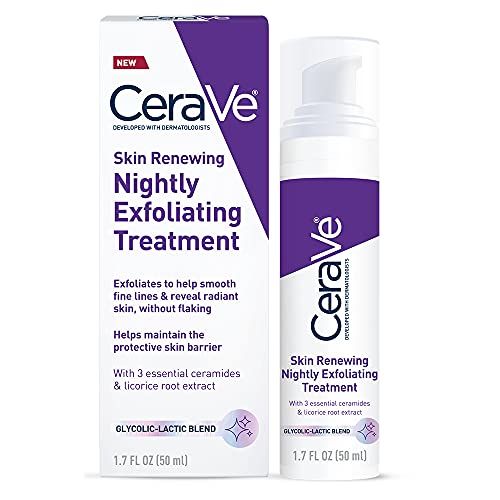
Here's the best daily remedy to try: “Gentle skin care,” says Dr. Moustafa. “Look for one with mild exfoliating properties, like glycolic or lactic acid.” Wash your face the right way, following advice from the American Academy of Dermatology: Using a gentle cleanser and your fingertips, wash with lukewarm water, avoiding scrubbing and rinse with lukewarm water and pat dry with a soft towel. Also, make sure your skin has a chance to breathe and be free of makeup every once in a while.

Try topical retinoid cream.

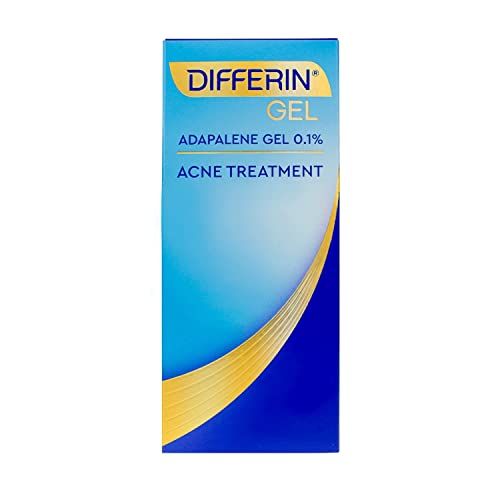
If you have a predisposition to milia, your dermatologist may recommend you try a topical retinoid if you have a recurrence. “This can help by removing cells in the outer skin layer, encouraging eventual release of the milia from your skin,” says Dr. Zeichner. “Retinols are among the best ingredients to help turn over skin cells, and keep milia at bay,” explains Dr. Moustafa. “Retinols are often prescription-based, but you can try a non-Rx product with adapalene gel, a type of retinoid, at bedtime.”

Always wear sunscreen.

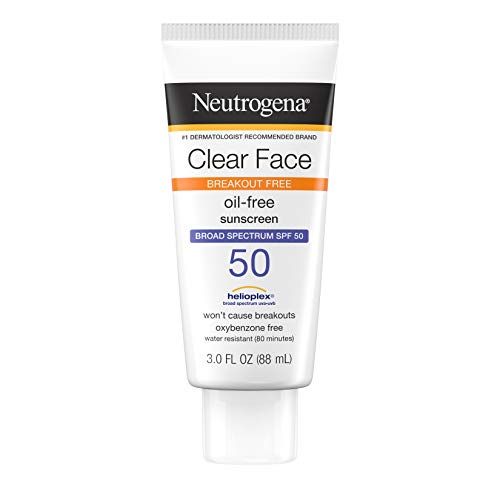
This is a golden rule even if you don't have milia, but sun damage can be a common contributor. Be sure to properly apply at least an SPF 30 sunscreen to your skin 30 minutes before heading outside. Birnur K. Aral, Ph.D., the Good Housekeeping Institute's Beauty, Health & Sustainability Lab executive director, suggests applying a nickel-size dollop to your face. For sprays, she suggests spraying the sunscreen all over skin, then rubbing it in. “I recommend using a sunblock that’s non-greasy and has the word ‘non-comedogenic’ on the label,” says Dr. Moustafa. The term “non-comedogenic” is used by cosmetic companies to describe a product that promises not to clog your pores. These products are less likely to cause skin issues like milia because they aren’t thick, creamy or oily. Choose a liquid or gel formula for best results.

Visit a dermatologist for professional removal.

To actually remove milia, you need to have them extracted from your skin. “This means when a dermatologist physically creates an opening with a needle or a scalpel blade,” says Dr. Zeichner. “Never do this yourself. Trying to remove milia the wrong way can lead to infections or scars.” And he adds, “Milia around the eyes are particularly difficult to address, because of their proximity to your eyeball.”

The actual process of removing milia is called de-roofing. A dermatologist uses a needle to remove the flap that’s trapping the keratin in your skin and pluck out the keratin itself. The procedure isn’t covered by insurance, though, and can be a bit pricey, ranging from $200-$500 on average. 

Products to Consider Adding to Your Skincare Routine to Prevent Milia

Skin Renewing Nightly Exfoliating Treatment


 Acne Treatment Gel

Clear Face Sunscreen


This is only for your information, kindly take the advice of your doctor for medicines, exercises and so on.   

https://gscrochetdesigns.blogspot.com. one can see my crochet creations  
https://gseasyrecipes.blogspot.com. feel free to view for easy, simple and healthy recipes    
https://kneereplacement-stickclub.blogspot.com. for info on knee replacement

https://GSiyers home remedies.blogspot.com     is my latest addition to my blogs. I'm going to add posts there, do give me your valuable feed back on my blogs. Thanks a lot, take care, be healthy and be happy.

Labels: , , , , , , , , , ,