Wednesday, August 06, 2025

Liver damage starts silently: 7 lesser-known signs men and women must pay attention to

The liver is one of the most vital organs in the body. It filters all of the blood in the body, produces bile, resists infection and regulates amino acids as well. However, it is also most susceptible to diseases, which are often called 'silent killers' because the signals are too subtle to be noticed in the beginning. According to the CDC, about 35.5 million people in the US suffer from liver disease. However, most of us chalk the signs up to causes such as ageing or stress. Below, find out 7 lesser-known signs of liver diseases that both men and women must pay attention to.

Constant fatigue


Feeling tired all the time for no clear reason? It could be your liver waving a red flag. When your liver isn’t working properly, it struggles to filter toxins and support energy levels—leaving you drained, foggy, and just “off.” It’s more than tiredness—it’s your body asking for help.

An unhealthy liver will not be able to function well. This means that it will not filter the toxins in the blood effectively, leading to a feeling of general illness and fatigue all the time.


Skin discoloration
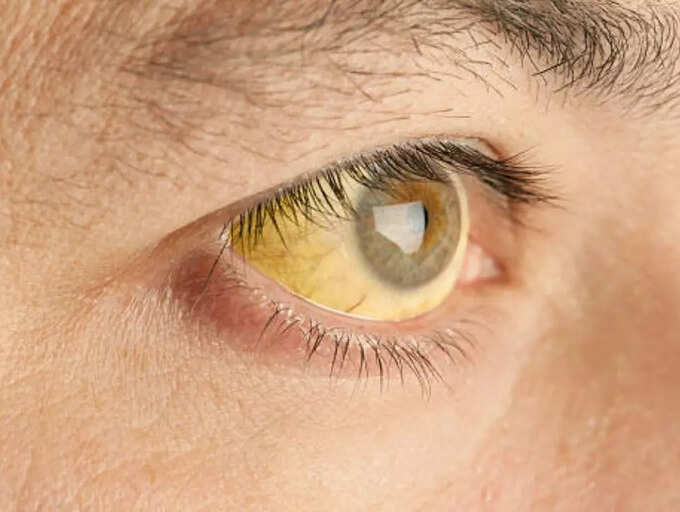
 

One of the most common signs of liver disease is skin discolouration or jaundice. This includes the development of yellow tints in the whites of the eyes and the skin. Additionally, it can also lead to darkened skin in areas such as the neck and the armpits, especially in women. 

Hepatic encephalopathy

 

Hepatic encephalopathy or an altered mental status are mostly considered signs of depression or a brain disease. However, did you know that these can also signal liver illness? The toxins in the liver, when unfiltered, can reach the brain and disrupt its functioning. This can manifest in the form of mood swings, forgetfulness, confusion and emotional and mental frustration. 

Skin problems

Liver diseases can present themselves in the body in the form of numerous skin conditions. These include palmar erythema, when the skin of the palms turns red; spider angiomas, when the blood vessels appear in spider-like clusters under the skin with red spots; inexplicable bruises and persistent itching caused by the accumulation of bile salts in the blood. 


 Menstrual abnormalities

 

One of the very obvious signs for women in terms of liver disease is menstrual abnormalities. The instances of irregular cycles, heavy or light bleeding, missed periods can signal concerns. This is because the liver plays a role in metabolising and regulating hormones, and if it is not functioning properly, then it can affect your periods. 


Muscle weakness

 

Loss of muscles, also known as muscle wasting or sarcopenia, can happen when the liver is not properly processing proteins and nutrients. While most people attribute this to diet or exercise, if it is frequent and excessive, it could be a sign of liver disease. According to the National Institutes of Health, this is common in people with cirrhosis and other forms of liver disease.


Dark urine and pale stools

Dark urine in the colours of amber to brown can be a sign of liver dysfunction. Liver eliminates the yellow compound called bilirubin through urine; however, when it is unable to do so, the compound accumulates, and darker urine is the result. Additionally, bile in the liver gives stool its colour. When it is not produced, the stool might be pale, grey or clay coloured.


Digestive disturbances and abdominal discomfort

While occasional bloating or indigestion is common, persistent digestive issues can be a subtle sign of liver trouble. The liver plays a key role in producing bile, which helps digest fats. When it's not functioning optimally, you may experience nausea, a feeling of fullness after small meals, gas, or pain in the upper right side of the abdomen. Some people may also develop ascites—fluid buildup in the abdomen—causing visible swelling.


Common liver diseases to know
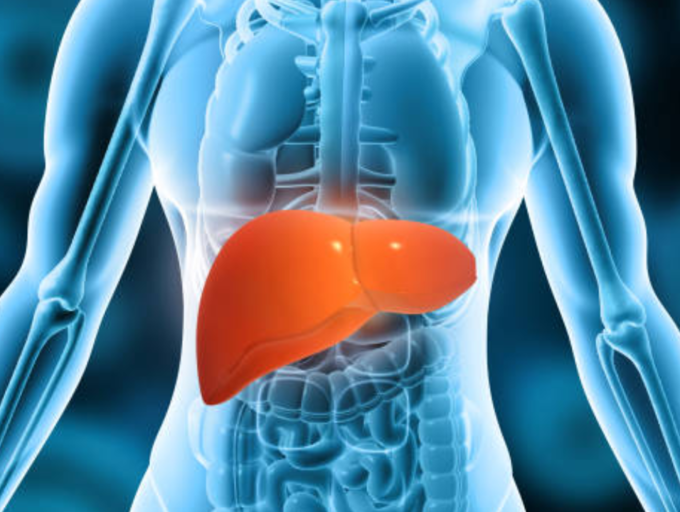
 

 Common liver diseases include hepatitis (especially hepatitis A, B, and C), which involves liver inflammation often caused by viral infections. Fatty liver disease, both non-alcoholic (NAFLD) and alcoholic (AFLD), is increasingly prevalent due to obesity and alcohol use. Cirrhosis, often a result of chronic liver damage, can lead to liver failure. Liver cancer (hepatocellular carcinoma) is another serious concern. Hemochromatosis (iron overload) and Wilson’s disease (copper buildup) are genetic disorders affecting liver function. Early detection, lifestyle changes, and regular screening are crucial for effective management, particularly in high-risk populations.


This is only for your information, kindly take the advice of your doctor for medicines, exercises and so on.   


Labels: , , , , , , , , , ,

Friday, May 02, 2025

Sweet cravings? Constant fatigue even after eating? Check your insulin levels now, advice doctors

Insulin resistance and diabetes — two interconnected yet distinct health conditions — have been the subject of intense discussion on social media.

Limited literature and awareness on insulin resistance means that there is a demand for information on the difference between the two and why it might be important to know if one is insulin resistant.

Dr Sudhir Kumar, Consultant Neurologist from Apollo Hospital in Hyderabad, says, “Diabetes and prediabetes are among the commonest risk factors of stroke and heart attack. Doctors have realised that it is better to prevent diabetes and coronary vascular disease. Treatment most often does not result in complete recovery. Therefore, interest in recognising insulin resistance (IR) has gone up in recent times.”

Difference between diabetes and insulin resistance

Endocrinologists say that diabetes and insulin resistance are related but distinct conditions that involve problems with insulin, produced by the pancreas. Insulin plays a crucial role in regulating blood sugar levels.

Dr Abhay Gundgurthi, an endocrinologist from The Sagar Centre for Diabetes in Bengaluru, to explains the difference.

“Diabetes is a chronic metabolic disorder characterised by high blood sugar levels (hyperglycemia) due to either inadequate insulin production or the body’s inability to use insulin effectively. The body’s immune system mistakenly attacks and destroys the insulin-producing cells in the pancreas. As a result, people with type 1 diabetes produce little-to-no insulin. They require insulin injections or an insulin pump to manage their blood sugar levels effectively,” Dr Gundgurthi tells South First.


“In type 2 diabetes, it is a combination of insulin resistance and reduced insulin production. Insulin resistance means the body’s cells do not respond well to insulin and, as a result, glucose uptake into cells is impaired.

“This leads to higher blood sugar levels. Initially, the pancreas compensates by producing more insulin but, over time, it may become unable to keep up with the body’s demands, leading to insufficient insulin levels,” Dr Gundgurthi explains.

He adds that insulin resistance is a key factor in the development of type 2 diabetes.

Putting it more simply, gastroenterologist Dr Rajeev Jayadevan, who recently spoke to a group of 400 youngsters aged 17-19 years on the subject, tells South First: “Glucose is fuel for our body’s cells. Insulin is required for glucose to enter the body’s cells, where it can be burned as energy. When this entry becomes difficult for various reasons, it is called insulin resistance. Consequently, the cell is unable to use the glucose that is circulating in bloodstream.”

Symptoms of insulin resistance

Sharing her struggle with insulin resistance, Jyoti Bhupati, a 43-year-old content writer from Bengaluru, says, “I was puzzled by my constant fatigue even after eating a meal. My energy levels were extremely low and I would constantly crave for sugary food. Immediately after eating those I would feel giddy, sometimes black out too. My waist size began to expand as well.”

Similarly, businessman Sanjay Shriram recalls that the darkness around his neck began to increase. Interestingly, he was very lean but eating certain foods like ice cream and wheat would cause him to sweat, feel dizzy, and there were skin tags on his face too. Sanjay also felt very sleepy in the afternoons after lunch.

That is when their doctors asked Bhupati and Shriram to get a HOMA IR blood test done and diagnosed them with insulin resistance.

“I was advised dietary changes and exercise. It was challenging, but it helped me avoid diabetes,” says Shriram.

Similarly, 50-year-old Deepak Shinde recounts his journey with diabetes, “I wish I had known about insulin resistance earlier. I neglected the signs and eventually developed type 2 diabetes. It’s been tough, but with proper medication and lifestyle adjustments, I manage it.”

Dr Mohan V, a renowned diabetologist from Dr Mohan’s Diabetes Specialty Centre, in a recent video, gives a simple tip to measure IR. He says, “Using an inch tape, one should measure the waist size. If it is above 80 cm for women and above 90 cm for male, then you probably are insulin resistant.”

Dr Gundgurthi adds that another good marker for IR is fasting lipid blood test or triglycerides ratio to HDL.

“Triglycerides to HDL ratio has to be below 2. Anything above that means the person is insulin resistance,” explains Shashi Iyengar, a metabolic health coach who works in the field of low-carb nutrition for diabetes remission.

He also warns that it is not true that only those who are obese and have increased waist size are insulin resistant. “In India, even lean people are prone to be insulin resistant,” he He tells South First.

Why does insulin resistance occur?

According to Iyengar, IR often occurs due to genetic predisposition, however, lifestyle factors such as obesity, sedentary behaviour, and an unhealthy diet can also contribute to its development.

Although insulin resistance itself is not diabetes, it is a significant precursor to type 2 diabetes, a condition in which the body can’t use insulin effectively, resulting in high blood sugar levels.

“Insulin resistance is a warning sign that the body’s glucose-regulating system is struggling. Early detection and lifestyle changes can help prevent progression to diabetes,” he says.

Dr Rajeev Jayadevan adds that advancing age, lack of exercise, abdominal obesity due to bad dietary choices, lack of sleep, familial factors, and hormonal imbalance such as polycystic ovarian syndrome could worsen insulin resistance.

“While all the factors are not preventable, health education at an early age to avoid as many factors as possible will reduce the impact of insulin resistance in future,” adds Dr Rajeev.

How to test for insulin resistance

Being overweight or obese, an impaired glucose tolerance test, HbA1c levels >5.7, and abnormal lipid profile (elevated total & LDL cholesterol, elevated triglycerides, and lower HDL cholesterol levels) are all markers of insulin resistance.

Dr Sudhir Kumar says that fasting insulin levels are also useful in some cases, as people with IR have elevated fasting insulin levels.

He explains that the cornerstone of managing IR is exercise — both aerobic exercises and strength training, along with weight control. Diets low in carbohydrate have been advocated to reduce the insulin resistance. There is no approved medicines for treating IR.

Why is insulin resistance dangerous?

Insulin resistance is the precursor for many serious diseases, most notably diabetes mellitus and cardiovascular diseases, such as heart attack and stroke, explains Dr Sudhir Kumar.

A recent school-based study from a city in eastern India showed that a higher prevalence of insulin resistance was seen in children who were overweight or obese. The study claimed that around 32.3 percent of children who were overweight or obese had a HOMA IR level of 2.5 and above. This could predict an increased future risk of adverse cardiovascular events in the studied children. The findings of this study could help in planning and implementing primary prevention programmes targeting weight management and lifestyle change in school children.

“It is not just in adults, there is an increase in children too showing insulin resistance. This is dangerous and there are several diseases that are associated with insulin resistance,” explains Shashi Iyengar.

Dr Rajeev explains that IR is the central axis of multiple disease conditions, including type 2 diabetes, and contributes to obesity and heart disease.

Studies have shown that chronic stress, ultra-processed food, sugar, lack of sleep, refined carbohydrates, sedentary lifestyle, and use of seed oils can lead to insulin resistance. This, in turn, can lead to the risk of heart disease, erectile dysfunction, stroke, high blood pressure, certain cancers, gout, type 2 diabetes, Alzheimer’s disease, obesity, inflammation, migraines, PCOS, arthritis, osteoarthritis, and dementia.

Ways to reduce insulin resistance

Dr Abhay explains that insulin resistance is possible and can be completely reversed by making lifestyle changes.

Exercising is the easiest way to improve insulin sensitivity and the effects are almost immediate. One can lose belly fat too through this. Also, reducing sugar intake, ultra-processed food, stopping seed oil consumption, following a low carbohydrate diet, and adding protein to your diet can help.

Dr Shraddhey Katiyar, a doctor known well on Twitter for his tips on managing insulin resistance, says that signs your insulin resistance is improving or your HOMA IR level is falling include:

  • not feeling hungry after meals
  • not having much sugar cravings
  • decreasing triglycerides
  • increasing HDL
  • reduction in waist size
  • regularisation of periods
  • reduction in body and joint pain


This is only for your information, kindly take the advice of your doctor for medicines, exercises and so on.   


Labels: , , , , , ,

Wednesday, June 30, 2021

7 Surprising Symptoms of Dehydration

Summer is here, and one of the biggest plights of the warmer months is dehydration. Most of us think of dehydration as a dramatic, obvious effect, but the concept of dehydration covers an array of stages. You might just need to drink an extra glass of water or two, but more severe dehydration could potentially lead to life-threatening complications.

The problem is knowing when you’re in the early stages of dehydration. Some of the common signs could easily be associated with other things. So as summer heats up, we gathered a few unexpected signs and symptoms that you need to start drinking more water, ASAP. 
 
1. Bad breath
While less than pleasant breath by itself doesn’t necessarily mean you’re dehydrated, it could definitely be a sign. Dehydration prevents your body from producing sufficient amounts of saliva, which could lead to bacterial overgrowth in the mouth. 
 
It’s the same reason you wake up with “morning breath'': Saliva has antibacterial properties, but its production slows down during sleep. As a result, you wake up with an unpleasant taste in your mouth, as bacteria grow. So if your mouth often feels parched and your breath smells less than fresh, it may be time to rehydrate.

2. Dry or flushed skin
Surprising Signs of Dehydration To Watch Out For dry skin
Many people believe that dehydration leads to excessive sweating, but in fact, this is only one stage of dehydration. ”As you go through various stages of dehydration, you get very dry skin,” explained Dr. John Higgins, a professor of medicine at the University of Texas in Houston, to Everyday Health. He also noted that the skin may appear flushed. 
 
Another symptom of dehydration to look out for is skin that remains “tented” after being pinched. If the skin takes some time to return to its normal state it means it lost some of its elasticity - a clear sign that you need to increase the quantity of water you drink.
 
3. Muscle cramps
Surprising Signs of Dehydration To Watch Out For muscle cramp
Experts think that the reason people get muscle cramps after working out is dehydration and electrolyte depletion. The latter occurs when the body loses a lot of fluid through sweating. As a result, it is left without sufficient levels of sodium and potassium. Those minerals help balance pH levels in your body and also control nervous system function. 
 
Bear in mind that muscle cramping for dehydration doesn't only happen to athletes. If you’re walking around on a hot summer day and start to feel muscle pain, it could be a sign that you’re not drinking enough water. 
 
4. Fever and chills
If you feel flu-like symptoms such as dizziness and fever it could indicate moderate or serious dehydration. Heat exhaustion and heat stroke compounded by dehydration is known to cause fever and chills. You may be sweating profusely while your skin is cool to the touch. 
 
The higher the fever the more dehydrated your body may become. Unless your body temperature decreases, the skin will lose its cool and become hot and dry to the touch. At this point, it’s important that you cool yourself down immediately and seek medical help, according to the CDC. A few ways to cool down are applying ice or wet cloth to your body and moving to a cool area. Of course, these are all short-term solutions until you can see a doctor.

5. Headaches
Surprising Signs of Dehydration To Watch Out For woman with headache
If you have an unyielding headache and you aren’t sure what the source is, dehydration may be at fault. As MedlinePlus points out, even mild dehydration can cause a headache which can either be tolerable or intense. 
 
Dehydration can also trigger migraine episodes, for reasons that aren’t fully understood at the moment. Recent research suggested that dehydration can temporarily share brain tissue, which may be the trigger for the headache. In any case, drinking a full glass of water and continuing to sip on more fluids during the day can ease your pain if dehydration is indeed the culprit.

6. Craving sweets
Surprising Signs of Dehydration To Watch Out For chocolate cake
Your liver needs sufficient amounts of water to function properly. When you’re dehydrated, it can be difficult for the liver to release glycogen (stored glucose) and other components of your energy stores, which can lead to food cravings, particularly for sweets. 
 
It is possible for some people to crave salty snacks as well, but craving sweets is more common because the body is experiencing difficulty releasing glucose into the bloodstream to use as fuel. Experts also note that if you suddenly feel hungry soon after a meal, you probably need to drink water to help your liver function.
 
7. Constant fatigue
Surprising Signs of Dehydration To Watch Out For tired man
As we already established, staying hydrated helps your body deliver key nutrients to your cells, and keep your organs doing what they are supposed to. So naturally, hydration is crucial to maintain your energy throughout the day. Not getting enough water can make you feel constantly tired and as if you’re ‘dragging’. Moreover, hydration can have a direct impact on sleep quality, according to the Sleep Foundation. Of course, overdoing it isn't recommended either. Excess hydration can cause you to wake up at night to go to the bathroom, which can also lead to fatigue.
 
Am I dehydrated or is it something else?  
All the symptoms we listed could indicate dehydration but could also be applied to other health conditions. So how can you tell if it’s dehydration or something else? Thirst isn’t a reliable indicator because by the time you feel thirsty you are already mildly dehydrated, according to Mayo Clinic. On the other hand, lack of thirst doesn’t necessarily mean you’re well hydrated. Here are two other ways to check whether your body is dehydrated: 
 
The skin test. Use two fingers to pinch some skin on the back of your hand, and then let it go. If it doesn’t spring back to its normal position in a couple of seconds, you’re probably dehydrated. 
 
Check your urine. This is probably the most well-known dehydration indicator. If you’re well-hydrated, your urine should be mostly clear. The darker it is, the more dehydrated you are.

This is only for your information, kindly take the advice of your doctor for medicines, exercises and so on.   

https://gscrochetdesigns.blogspot.com. one can see my crochet creations  
https://gseasyrecipes.blogspot.com. feel free to view for easy, simple and healthy recipes    
https://kneereplacement-stickclub.blogspot.com. for info on knee replacement

Labels: , , , , , , , , ,