Sunday, January 23, 2022

What is Splinting and does it work against constipation associated complications?

What is Splinting and does it work against constipation associated complications?
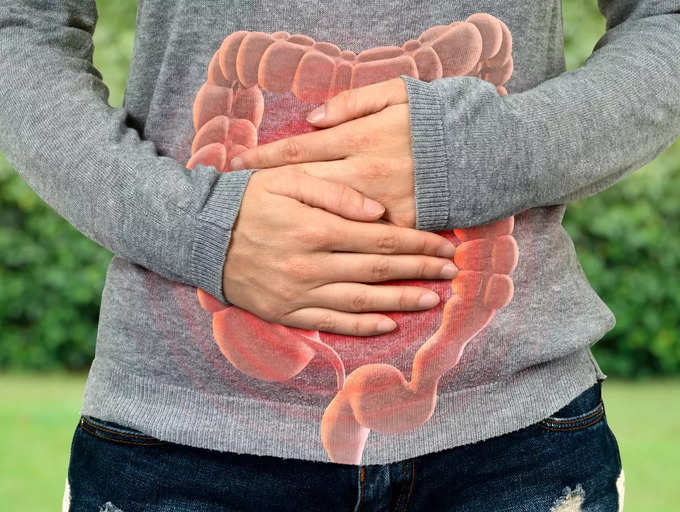
Constipation is a condition in which one has less than three bowel movements per week as the stools become dry and get difficult to pass. Constipation, if treated early can avoid the complications that can arise when the condition gets chronic. While early treatments include dietary changes like eating fibers and drinking more water, many times the condition is beyond the scope of being treated through a preliminary method.

When is Constipation a problem?
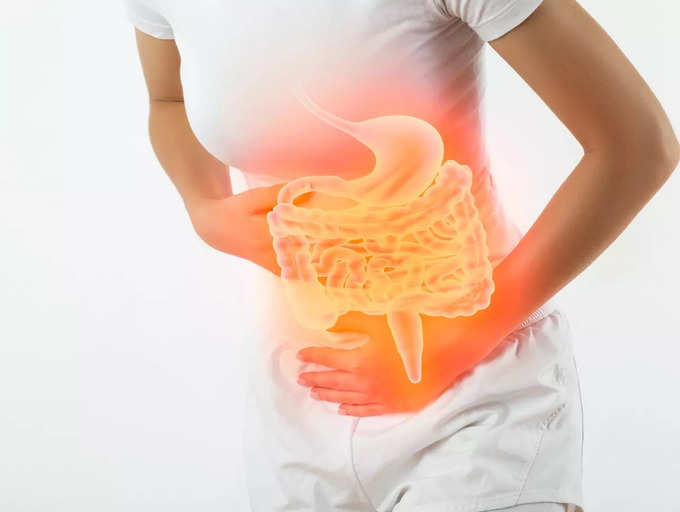
Constipation should be considered a problem from the very beginning albeit it is manageable then. The moment you develop the need to strain before passing the stool, remember your constipation has already advanced. Prolonged straining can cause swelling in veins in and around the anus causing hemorrhoids and anal fissure. Hardened stools, if not passed regularly can get stuck in the intestines causing fecal impaction and with time it can also cause the rectum to stretch out and protrude from the anus, which is known as rectal prolapse.

When do you know you are constipated?
While the first clue is the feeling that you have not fully emptied the bowels, the other hints are dry and hard stool, and painful bowel movement. In some cases, bad breath is also a sign of constipation.

What causes Constipation?

While many associate constipation with poor diet habits, it is usually not the case for everyone. Constipation is also caused due to many underlying medical complications like blockages in the colon or rectum, neurological problems around the colon and rectum, difficulty with the pelvic muscles required for bowel movement, diabetes, hypothyroidism, hyperparathyroidism, and pregnancy.

Women and constipation

The occurrence of constipation in women is mostly due to a condition called vaginal prolapse, where the walls of the vagina drop toward the vaginal opening. This causes another condition called rectocele where there is a bulging of the front wall of the rectum into the back wall of the vagina. This usually happens after childbirth. But in many cases rectocele is also caused due to chronic straining. Presence of rectocele prohibits smooth passage of the faecal matter and thus causes constipation.

How to cure Constipation?
Since this is a condition where there is difficulty in passing the stool, therefore methods that can aid smooth movement of bowel are essentially useful. Apart from keeping an eye on the amount of roughage one takes in food, one should also maintain a clock for bowel movement. Physical activities have also proven beneficial to alleviate constipation.

Along with all these, one can also try splinting.

What is splinting?
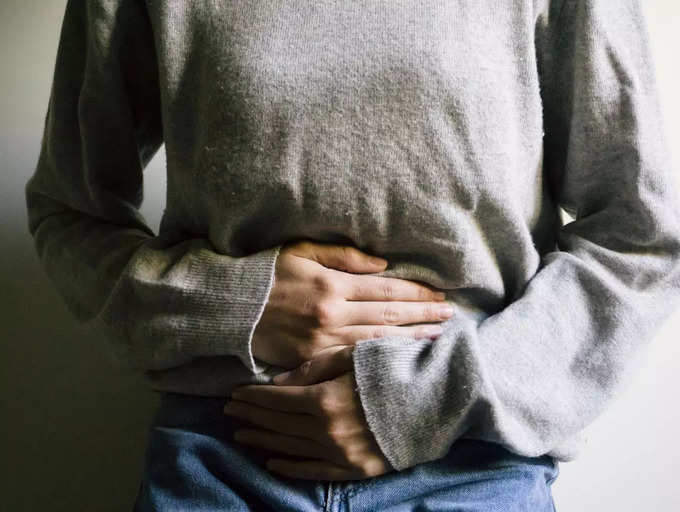
Splinting or perianal pressure is a way to help stool move out of the anal canal. It involves putting pressure on the wall between the vagina and rectum, or the perineum to evacuate stool. As per Michigan Health website, up to 30% of women use this technique to occasionally help with bowel movements.

How is it done?
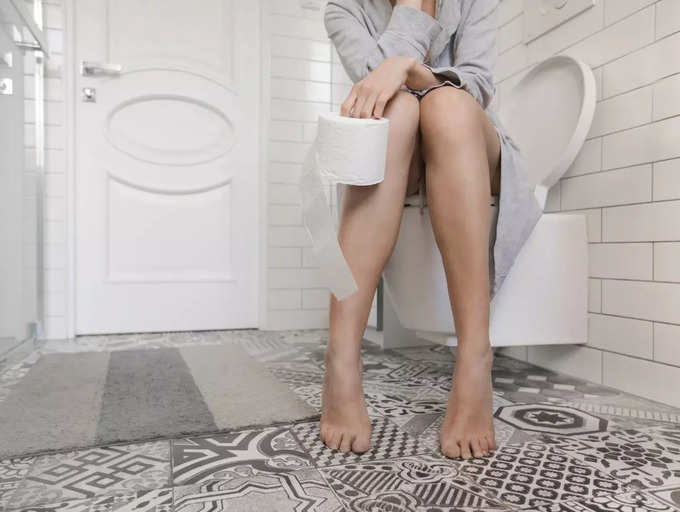
When you feel the need to strain to pass out stool, you can try splinting. Lubricate your finger and insert it into your vagina and push the anus wall. This would help push the stool out from your anal canal.

This is only for your information, kindly take the advice of your doctor for medicines, exercises and so on.   

https://gscrochetdesigns.blogspot.com. one can see my crochet creations  
https://gseasyrecipes.blogspot.com. feel free to view for easy, simple and healthy recipes    
https://kneereplacement-stickclub.blogspot.com. for info on knee replacement

Labels: , , , , , , , , , , , , ,

Friday, September 20, 2019

Novel device measures stiffness and stickiness of red blood cells


Researchers have created a versatile device that measures two important properties of red blood cells that are relevant for sickle cell and other diseases: deformation and adhesion.

The team, from Case Western Reserve University (CWRU) in Cleveland, OH, describes the innovative device - a microfluidic platform with a computer algorithm that does the math - in a paper published in the journal Technology.

Sickle cell disease is a group of inherited red blood cell disorders. People with the disease have abnormal hemoglobin - the protein that carries oxygen - in their red blood cells. The abnormal hemoglobin is called sickle hemoglobin.

Red blood cells containing normal hemoglobin are flexible and shaped like a doughnut with a thin flat area in the middle instead of a hole. This allows them to squeeze round bends in blood vessels and through smaller ones to deliver vital oxygen to tissues and organs.

However, sickle hemoglobin has a tendency to form stiff rods inside the red blood cell - changing it into the crescent or sickle shape that gives the disease its name.

Red blood cells containing sickle hemoglobin are less flexible than normal red blood cells and also tend to be stickier. These two features increase the risk that they will cause a blockage in a blood vessel and impede the delivery of oxygen to nearby tissues and organs.

When such a blockage occurs, it causes a sudden and severe attack of pain - called a pain crisis - that is typical of sickle cell disease. Pain crises occur without warning and often require hospitalization for effective treatment.

In extreme cases, the blockage of blood vessels in sickle cell disease can lead to widespread organ damage and early death.

Currently, the only way to cure sickle cell disease is with a stem cell transplant. But unfortunately, most patients are either too old for a transplant or do not have a relative with a good enough genetic match to receive transplantable stem cells from.

Effective treatments exist and these can reduce symptoms and prolong life. Early diagnosis and regular monitoring to prevent complications also helps.
powered by Rubicon Project
Potential monitor of disease progression

By assessing the extent of stiffness and stickiness, or the "dynamic deformability and adhesion," of red blood cells, the new microfluidic device offers great potential as a way to monitor progression of sickle cell disease, note the researchers.

They say the device could also help with research and developing new treatments for sickle cell disease.

Other ways to measure stiffness and stickiness in red blood cells - such as atomic force microscopy and optical tweezers - do exist, but they do not lend themselves to working with whole blood in a clinical setting, say the researchers.

They note their device can assess the stiffness of a single red blood cell, and also, by mimicking blood vessel properties, assess the stickiness of red blood cells from whole blood of sickle cell patients.

Lead investigator Umut Gurkan, an assistant professor in CWRU's Department of Mechanical and Aerospace Engineering, says:

"The microfluidic system developed here has the potential to be used in a high-throughput manner with an integrated automated image processing algorithm for measurement of RBC [red blood cell] deformability and adhesion in patients' blood."

The authors explain that healthy red blood cells undergo reversible deformation when they circulate around the body in blood vessels. They respond to "fluid shear stresses" extremely fast - they can bend and regain their shape in the space of 100 milliseconds.
'Interplay between dynamic deformability and increased adhesion'

To assess dynamic deformability of red blood cells, the researchers used what they call a dynamic deformability index (DDI), which they define as "the time-dependent change of the cell's aspect ratio." Essentially, a cell's DDI is a measure of how quickly it springs back to its normal shape after experiencing flow shear stress.

In their paper, the team describes a range of tests where they measured the DDI of deformable and non-deformable red blood cells.

The researchers also compared adhesion of deformable and non-deformable red blood cells from blood samples taken from sickle cell patients. They tested the stickiness of the cells under different flow shear stresses - both within and outside ranges experienced in normal blood vessels.

They found that at flow shear stresses "well above the physiological range," non-deformable sickle red blood cells were much stickier than deformable sickle red blood cells, "suggesting an interplay between dynamic deformability and increased adhesion" of red blood cells when blood vessel blockage occurs.

The team suggests the device may also be useful for studying the deformation of cells that could be relevant in other diseases - such as diabetes, malaria and the bone marrow disorder polycythemia vera.

The researchers plan to study red blood cell stiffness and stickiness in more sickle cell disease patients so they can link the two properties with other disease and patient characteristics.

As the technology for making them becomes cheaper and more widely available, more and more researchers are using microfluidic devices in all kinds of ways to investigate, diagnose and perhaps even treat disease.

For example, Medical News Today recently learned how an "IVF chip" incorporating microfluidics with imaging techniques enabled researchers to film a single sperm fusing with an egg cell.

And in May 2015, another article described how scientists are using microfluidic technology to develop new immunotherapy vaccines. Using microfluidic technology, they can squeeze immune system B cells so their membranes develop temporary holes through which antigens that program specific immune responses can be inserted.


 this is only for your information, kindly take the advice of your doctor for medicines, exercises and so on.   
https://gscrochetdesigns.blogspot.com. one can see my crochet creations 
https://gseasyrecipes.blogspot.com. feel free to view for easy, simple and healthy recipes    
https://kneereplacement-stickclub.blogspot.com. for info on knee replacement


Labels: , , , , , , , , , , , , ,

Sunday, January 27, 2019

kidney stones- causes and how to get rid of them

Passing a kidney stone is one of the most painful things you can do - apart from childbirth.
Now a new study suggests that they’re becoming more common.
Part of the increase is down to the way doctors monitor stones - they used a CT scan rarely before, but the rise in the technology meant they found the stones easier.
It's not all down to the tests though.
Kidney stones can develop in anyone - and in one or both kidneys, but what actually causes them?
They're quite common, with about three in 20 men and up to two in 20 women developing them at some point.
Most often people aged 30 to 60 are affected by them.

Symptoms

Kidney stones, medically known as nephrolithiasis, cause severe pain, also known as renal colic.
Small stones can go undetected - but they can be passed out when you wee, according to the doctors. It's fairly common for a stone to block part of the urinary system.
If you're suffering from a blockage you'll have severe pain in the abdomen or groin - it can also sometimes cause a urinary tract infection (UTI).
Half the people who have had kidney stones will experience them again within five years of having them.
Look out for:
  • Ache in your lower back, sometimes in the groin - men can have a pain in their testicles and scrotum
  • Periods of intense pain in the back or side of your abdomen
  • Feeling restless and unable to lie still
  • Nausea
  • Needing to urinate more
  • Pain when you urinate
  • Blood in your urine

What causes kidney stones?

Waste products in the blood can occasionally form crystals that collect inside the kidney.
Over time they build up and form hard stone-like lumps.
If you don't drink enough fluids it's more likely to happen. If you're taking some types of medication or if you have a condition that raises levels of certain substances in your urine it can also raise the risk.
The rise in kidney stones - mostly calcium stones - is also down to a change in diet. Stones are helped along by diets high in fat, sugar and salt.
Race also played a factor in the findings. Nearly 90 per cent of kidney stones happen in white people.

What causes kidney stones:
  • calcium
  • ammonia
  • uric acid – a waste product produced when the body breaks down food to use as energy
  • cysteine – an amino acid that helps to build protein
People who have the following are likely to get recurring kidney stones:
  • eat a high-protein, low-fibre diet
  • are inactive or bed-bound
  • have a family history of kidney stones
  • have had several kidney or urinary infections
  • have had a kidney stone before, particularly if it was before you were 25
  • have only one fully working kidney
  • have had an intestinal bypass
Medication that makes it more likely
  • aspirin
  • antacids
  • diuretics (used to reduce fluid build-up)
  • certain antibiotics
  • certain antiretroviral medication (used to treat HIV)
  • certain anti-epileptic medication

How to get rid of them

Smaller stones will pass when you go to the toilet in your urine.
Larger stones may need breaking up. Doctors use an ultrasound or laser energy to do this, but sometimes keyhole surgery is needed to remove the very large stones.

What to eat?
If your stone is caused by too much calcium you need to reduce the amount of oxalates in your diet.
They prevent calcium being absorbed into your body.

 Foods that contain oxalates are:
  • Beetroot
  • Asparagus
  • Rhubarb
  • Leeks
  • Chocolate
  • Berries
  • Parsley
  • Celery
  • Almonds, peanuts and cashew nuts
  • Soy products
  • Grains, such as oatmeal, wheat germ and wholewheat
Always check with your doctor before you change your diet.

How to avoid them

Drink plenty of water everyday. A good test is to check if your urine is diluted (clear) to prevent waste products forming into kidney stones.

Types of Stones

Calcium Stones
They if there's too much calcium in the urine. They're usually either large and smooth or spiky and rough.

Struvite Stones
Often caused by infections and most commonly occur after a urinary tract infection.
More common in women than men.

Uric acid stones
They can form if there's a large amount of acid in your urine. If you have a high-protein diet or a condition like gout.

Cystine stones

 Rarest type of kidney stone. It's caused by an inherited condition called cystinuria.

THIS IS ONLY FOR INFORMATION, ALWAYS CONSULT YOU PHYSICIAN BEFORE HAVING ANY PARTICULAR FOOD/ MEDICATION/EXERCISE/OTHER REMEDIES.                                    PS- THOSE INTERESTED IN RECIPES ARE FREE TO  VIEW MY BLOG-                                                                                           https://gseasyrecipes.blogspot.com/       
                                                                                                                                                                      FOR INFO ABOUT KNEE REPLACEMENT, YOU CAN VIEW MY BLOG-                                                  https:// kneereplacement-stickclub.blogspot.com/           
                                                                         
  FOR CROCHET DESIGNS                                                                                                                                                                                                  https://gscrochetdesigns.blogspot.com 
  

Labels: , , , , , , , , , , , , ,