Sunday, January 23, 2022

What is Splinting and does it work against constipation associated complications?

What is Splinting and does it work against constipation associated complications?
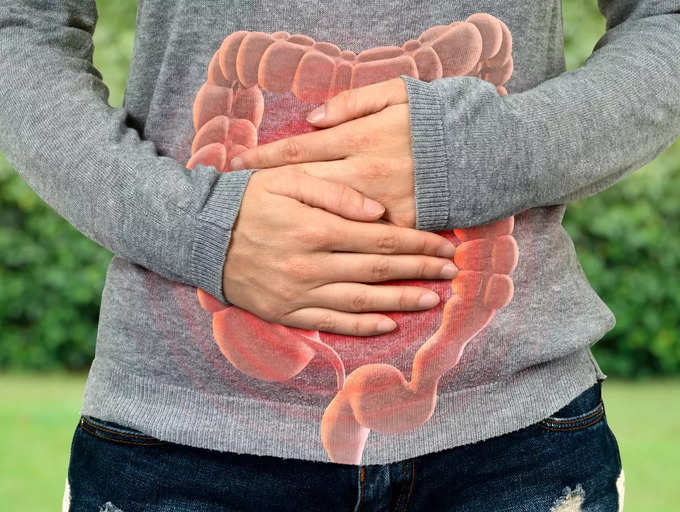
Constipation is a condition in which one has less than three bowel movements per week as the stools become dry and get difficult to pass. Constipation, if treated early can avoid the complications that can arise when the condition gets chronic. While early treatments include dietary changes like eating fibers and drinking more water, many times the condition is beyond the scope of being treated through a preliminary method.

When is Constipation a problem?
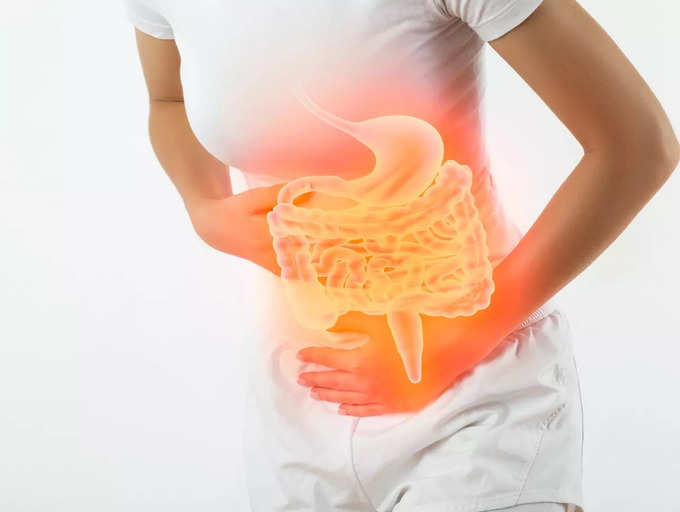
Constipation should be considered a problem from the very beginning albeit it is manageable then. The moment you develop the need to strain before passing the stool, remember your constipation has already advanced. Prolonged straining can cause swelling in veins in and around the anus causing hemorrhoids and anal fissure. Hardened stools, if not passed regularly can get stuck in the intestines causing fecal impaction and with time it can also cause the rectum to stretch out and protrude from the anus, which is known as rectal prolapse.

When do you know you are constipated?
While the first clue is the feeling that you have not fully emptied the bowels, the other hints are dry and hard stool, and painful bowel movement. In some cases, bad breath is also a sign of constipation.

What causes Constipation?

While many associate constipation with poor diet habits, it is usually not the case for everyone. Constipation is also caused due to many underlying medical complications like blockages in the colon or rectum, neurological problems around the colon and rectum, difficulty with the pelvic muscles required for bowel movement, diabetes, hypothyroidism, hyperparathyroidism, and pregnancy.

Women and constipation

The occurrence of constipation in women is mostly due to a condition called vaginal prolapse, where the walls of the vagina drop toward the vaginal opening. This causes another condition called rectocele where there is a bulging of the front wall of the rectum into the back wall of the vagina. This usually happens after childbirth. But in many cases rectocele is also caused due to chronic straining. Presence of rectocele prohibits smooth passage of the faecal matter and thus causes constipation.

How to cure Constipation?
Since this is a condition where there is difficulty in passing the stool, therefore methods that can aid smooth movement of bowel are essentially useful. Apart from keeping an eye on the amount of roughage one takes in food, one should also maintain a clock for bowel movement. Physical activities have also proven beneficial to alleviate constipation.

Along with all these, one can also try splinting.

What is splinting?
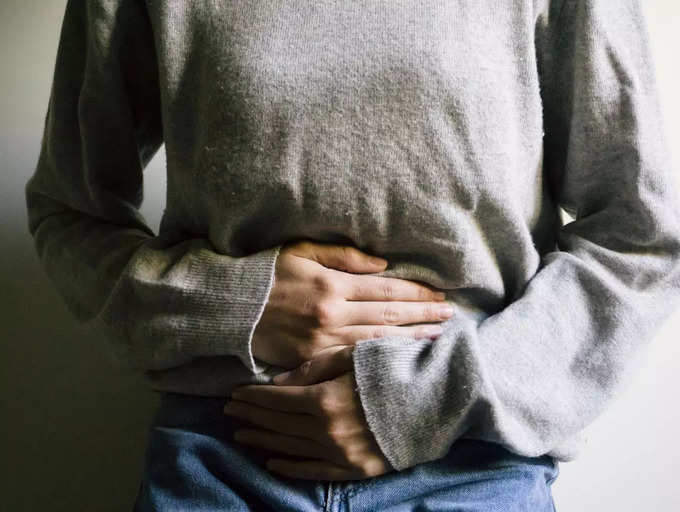
Splinting or perianal pressure is a way to help stool move out of the anal canal. It involves putting pressure on the wall between the vagina and rectum, or the perineum to evacuate stool. As per Michigan Health website, up to 30% of women use this technique to occasionally help with bowel movements.

How is it done?
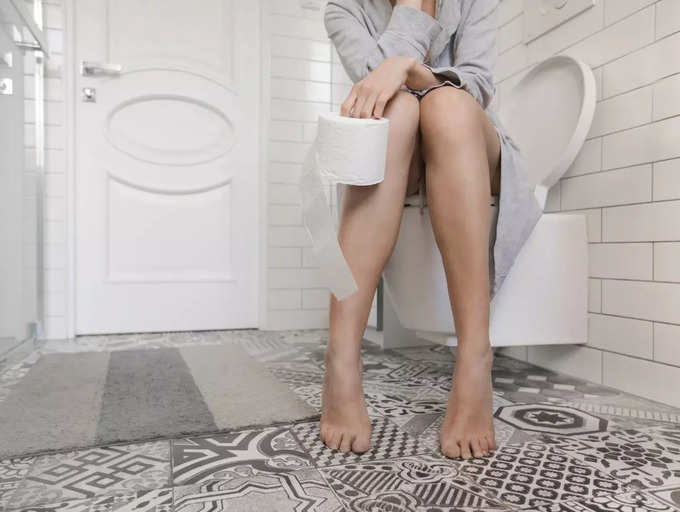
When you feel the need to strain to pass out stool, you can try splinting. Lubricate your finger and insert it into your vagina and push the anus wall. This would help push the stool out from your anal canal.

This is only for your information, kindly take the advice of your doctor for medicines, exercises and so on.   

https://gscrochetdesigns.blogspot.com. one can see my crochet creations  
https://gseasyrecipes.blogspot.com. feel free to view for easy, simple and healthy recipes    
https://kneereplacement-stickclub.blogspot.com. for info on knee replacement

Labels: , , , , , , , , , , , , ,

Saturday, September 08, 2018

Ways To Manage Hand Pain

The human hand is made up of 27 bones and a number of tendons and ligaments. An injury to any one of these bones or a disease that affects the bones and ligaments can make you experience excruciating pain in your hands. This pain can affect your ability to perform simple day to day tasks like holding a spoon or writing. Some common reasons your hand may pain are muscle strains, fractures, arthritis and carpal tunnel syndrome. Apart from pain relieving medication, there are a number of ways you can deal with this pain.
  1. Hot and cold compresses: Hot and cold therapy is ideal for any type of muscle or ligament injury. A cold compress helps in reducing the pain and inflammation by constricting blood vessels and numbing the area. On the other hand, a hot compress dilates blood vessels and increases the flow of blood and oxygen to the affected area. Ideally, the two should be used alternatively for 10 to 20 minutes each. A bag of frozen vegetables or ice wrapped in a towel makes an easy cold compress. To treat your hand with heat, use a moist heating pad or a hot water bottle. You could also dip your hands in warm water.
  2. Massage: A massage is a great way to treat hand pain that results from carpal tunnel syndrome. If the exact cause of pain is not known, massage the entire hand, wrist and forearm. A massage enhances blood flow to the area and hence improves flexibility and opens locked tendons. Using a few drops of essential oils such as lavender or  rosemary can also aid in relieving hand pain.
  3. Hand exercises: If your work involves repetitive actions like typing, knitting or embroidery, the muscles in your hand can get locked into position thereby, causing pain and discomfort. To relieve this it is important to take a break from this repetitive exercise every hour and flex your hand. Try bending your fingers forwards and backwards and rotating your wrists in both directions to ensure that your joints remain smooth.
  4. Epsom salt water bath: For instant relief from intense hand pain, soak your hands in a bath made of hot water and Epsom salts for 10 to 20 minutes. Follow this by wrapping your hands in a warm, wet washcloth and applying gentle pressure over the hand for 5-10 minutes. You should instantly feel relief from the pain and experience increased the flexibility of hand.
  5. Injections :An injection of a corticosteroid into a joint can reduce inflammation. "The relief it provides can last up to a year," says Dr. For some people the amount of relief diminishes with subsequent injections.

    6. NSAIDs - A nonsteroidal anti-inflammatory drug (NSAID) helps relieve hand pain by blocking enzymes that produce pain and swelling, but Dr.  says it's not effective for carpal tunnel syndrome. Long-term use of oral NSAIDs such as ibuprofen (Advil, Motrin) are linked to ulcers, stomach bleeding, liver damage, and increased risk of heart attacks. Topical NSAIDs, such as diclofenac (Voltaren), may pose less risk.

    7. Splinting :A splint stabilizes the position of your fingers, thumb, or wrist. "Wear a splint for a few weeks if arthritis flares, so the inflammation can settle down," says Dr.             

    THIS IS ONLY FOR INFORMATION, ALWAYS CONSULT YOU PHYSICIAN BEFORE HAVING ANY PARTICULAR FOOD/ MEDICATION/EXERCISE/OTHER REMEDIES.                                                                                                                                                                                                                                                   PS- THOSE INTERESTED IN RECIPES ARE FREE TO  VIEW MY BLOG-                                                                                           https://gseasyrecipes.blogspot.com/  
    FOR INFO ABOUT KNEE REPLACEMENT, YOU CAN VIEW MY BLOG-                                                                                                             https:// kneereplacement-stickclub.blogspot.com/                              

    FOR CROCHET DESIGNS                                                                                                                                                                                                                                 https://gscrochetdesigns.blogspot.com

Labels: , , , , , , , , ,