Wednesday, June 16, 2021

10 Things We All Get Wrong About Allergies

The immune system is a wonderful thing, but when it malfunctions, things get pretty grim. Allergies are certainly the most widespread immune issue, with 20% of the world population experiencing allergic symptoms according to the World Health Organization. An allergy is an exaggerated immune response to a harmless substance that can result in itchy eyes, wheezing, skin rashes, and sneezing.

This immune response can range from uncomfortable to life-threatening depending on the person. One can be sensitive to any trigger or multiple substances. And seemingly ubiquitous things like pet dander, pollen, dust, or mold are all common allergens. 
 
Since allergies are so common and can be so serious, one would think that the public is well-informed about these conditions. Alas, this is not always the case. Even allergy sufferers themselves get many things wrong. Don’t let misinformation prevent you from living a healthy life. Stop trusting these 10 widespread allergy myths. 
 
Myth 1. Hypoallergenic cat and dog breeds won’t trigger any symptoms.

Allergy Myths poodles
Wanting a pet despite having an allergy is understandable, and if you don’t have a severe allergy, it is possible. Pet breeders may lead you to believe that adopting a so-called hypoallergenic pet breed will solve all your problems, but it’s safer to exercise caution, especially if you’re severely allergic. 
 
Doctors know pet allergies are triggered by specific proteins present in the pets’ saliva, sweat, dander, and urine. Hypoallergenic dogs and cats like poodles, Portuguese water dogs, Siamese cats, and Sphynxes produce less dander or have fewer of these allergy-causing proteins, so they could possibly be a better choice for allergy sufferers. But even they could trigger allergy symptoms, so you’ll need to adopt a clear set of rules on handling your pet and cleaning your home to prevent allergy flareups. 
 
Myth 2. Food allergies are the same as food intolerances.
If you feel icky in your stomach a few hours after eating chocolate or bread, you may interpret this as a food allergy. But technically speaking, the described symptoms better fit the definition of food intolerance. Unlike an allergy, which is an immune response, intolerances usually involve the digestive system. 
 
The classic example of food intolerance is lactose intolerance, where a person experiences bloating, indigestion, or diarrhea after consuming dairy. The symptoms of food intolerance are not as dangerous and take longer to develop than a true food allergy. The latter can show up within minutes after accidentally ingesting the food and could be life-threatening. For example, a severe peanut allergy can result in the swelling of the throat and narrowing of the lungs called anaphylaxis - a medical emergency. 
Myth 3. Living in a desert climate means you’ll have fewer allergies.
Since the common culprit behind seasonal allergies is pollen, some people believe that living in a desert climate can either reduce their symptoms or prevent them from getting allergies altogether. Research suggests that the types of allergies people tend to get can be predetermined by their environment, but every region has roughly the same amount of allergy sufferers. 
 
"The percentage of people who have allergies doesn't change from one region of the country to another; what differs is what people are allergic to," stated Dr. Darryl Zeldin to the AARP. This means that a person will most likely develop some allergy if he or she is genetically predisposed to allergies. 
 
As for those who consider moving to a desert climate to escape allergies, it’s largely a counterproductive attempt because grass and ragweed pollen are found even there.  
 
Myth 4. Only kids can develop allergies.

Allergy Myths testing
Since there is no known cure for allergies, the best way to avoid allergic reactions is to know your triggers and stay away from them. This is easier for people allergic to certain foods or animals. Those suffering from hay fever all spring and summer due to pollen or those who are allergic to dust and mold, on the other hand, got the short end of the stick because their triggers are virtually everywhere. For this reason, seasonal allergy sufferers usually relieve their symptoms with the help of nasal sprays, eye drops, and antihistamine pills. 
 
But there is one more option fewer people are aware of - allergy immunotherapy. According to the ACAAI, “immunotherapy involves giving gradually increasing doses of the substance, or allergen, to which the person is allergic.” The dose of the allergen is gradually increased with every injection, and the person becomes less sensitive to the allergen over time. Depending on your specific allergy and body, this can reduce your allergy symptoms almost completely and permanently over time.

Myth 6. Small kids shouldn’t eat commonly allergenic foods or play with pets.

This myth is not only untrue, it could be dangerous. New studies actually show that the exposure of kids younger than a year old to allergenic foods, namely tree nuts, and eggs, can actually reduce their risk of developing a food allergy. The same is true about pet allergies, with studies suggesting that children raised in homes with pets have a reduced risk of suffering from pet allergies. 
 
Of course, this doesn’t work if you already know that a child has a pet or food allergy - no amount of exposure will be able to cure an already existing allergy or make a child “grow out” of an allergy.  
 
Myth 7. Mattress covers will reduce your dust allergy symptoms.
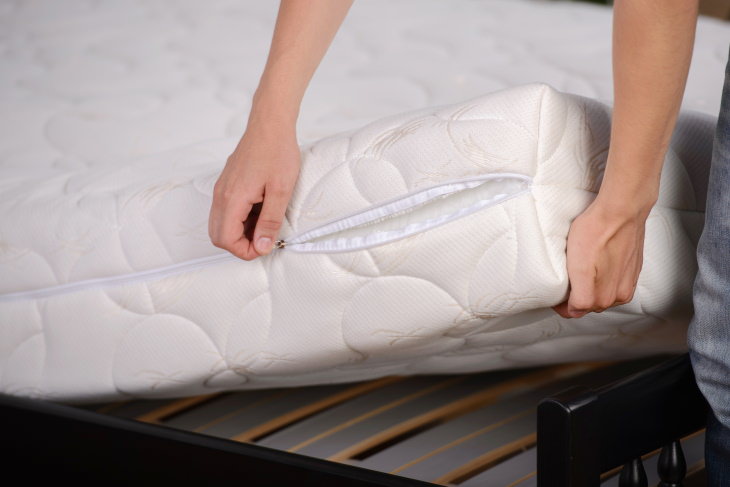
Allergy Myths Mattress cover
Dust allergies are caused by dust mites - tiny bugs that feed on pet dander and human skin and live on our beds, couches, carpets, and other textiles. Mattress and pillow covers are often advised as a way to reduce allergy and asthma symptoms, but the research on this topic is conflicting

A review study from 2014 suggests that mattress covers make no significant difference in allergy symptoms like asthma attacks, wheezing, and a runny nose because the mattress covers didn’t reduce the number of dust mites enough for the participants to feel a difference in their symptoms. 
 
If you’re already using mattress and pillow covers, though, no need to get rid of them - some allergists still believe that using and washing them every month may actually help your symptoms. 
 
Myth 8. Adding local honey to your diet relieves allergies.
Allergy Myths honey
Honey is delicious and nutritious, but it doesn’t do anything for your seasonal allergies. According to anecdotal evidence, eating honey from a local beehive can desensitize your immune system to pollen, just because bees make honey from flower pollen. This idea was tested experimentally in a 2013 study. In the study, one group of patients was given local honey and the controls ate corn syrup. 
 
The researchers didn’t find any difference between the two groups, and overall, allergy symptoms persisted in all participants. If you’re allergic to pollen, eating honey can actually be a bad idea. Although very rare, some people can develop a severe allergic reaction after eating raw, unpasteurized honey. 
 
Myth 9. Flowers commonly trigger allergies.

Allergy Myths flowers
This myth is connected to the previous one. Few people know this, but flower pollen is actually a very rare allergen, which is why most people won’t experience any adverse reactions if they smell a bouquet of flowers. Bees also usually make honey from flower pollen, which is why allergic reactions to honey are quite rare. Which pollens are the culprits behind most spring allergies, then? Trees, grasses, and weeds are the most common triggers of allergies. Plants like ragweed, tumbleweed, sagebrush, pigweed, birch trees, cedar, and oak all produce allergenic pollen.  
 
Myth 10. It’s possible to outgrow allergies.
This is another myth that’s just not true. If you have an allergy, it will most likely persist all your life. That said, your immune response to allergens will decline with age. This is why people over age 60 usually experience less severe symptoms of hay fever or food allergies. Doctors explain that this happens because our immune systems tend to become weaker over time.

This is only for your information, kindly take the advice of your doctor for medicines, exercises and so on.   

https://gscrochetdesigns.blogspot.com. one can see my crochet creations  
https://gseasyrecipes.blogspot.com. feel free to view for easy, simple and healthy recipes    
https://kneereplacement-stickclub.blogspot.com. for info on knee replacement


Labels: , , , , , , , , , ,

Tuesday, February 23, 2021

Allergy-Proof Your Home Before Spring With These Tips

Spring is almost here and that means that it's allergy season for a lot of people. If you feel like allergy season is getting worse every year, you are not wrong. According to the American Academy of Allergy Asthma and Immunology, allergy season is longer now because of rising temperatures and increasing levels of carbon dioxide.

Anyone who suffers from allergies will know that it can be tough to even open a window for fear of letting in any unnecessary allergens and triggering their allergic reaction. Unfortunately, many allergens - like molds, house dust, dust mites, and pet dander - live inside the house too. And if you don’t give your living space a good cleaning job consistently, then these allergens will pile up in no time. Cleaning your house correctly can remove allergens and make life a little easier for allergy sufferers. However, knowing how to do the job correctly is essential. Otherwise, your allergies may get even worse. 
 
Here are some household cleaning tips that will be quite beneficial for people with allergies. If you want to keep those itchy eyes and sneezing fits at bay, follow these tips the next time you are cleaning your house.

1. Vacuum regularly 
Household Cleaning Tips to Ease Allergies, Vacuum
Regular vacuuming of your home should be the first step in managing your allergies. Brooms tend to kick up more dust than they remove and are hence not ideal for people with allergies. Vacuuming once or twice a week should reduce the dust in your home to a minimum. Start with the bedroom and then move to the living areas. Remember to remove the dust from ceiling fans and light fixtures first and then focus on window sills, mantles, horizontal surfaces, wooden furniture, and upholstery. 
 
The American Academy of Allergy, Asthma & Immunology recommends using a vacuum with a small-particle or HEPA filter. That’s because some allergens are so small that they can easily pass through a regular vacuum filter. S

2. Clean your bedroom thoroughly every week
We spend most of our time in the bedroom and hence it is essential to clean it thoroughly every week. Always start at the top and make sure that there are no little cobwebs left in the corners. Then, work your way down by dusting ceiling fans and light fixtures. Blinds and curtains should be dusted too, although the curtains should also be washed weekly. Lastly, vacuum the floor and your upholstered furniture. Make sure to clean the areas beneath the furniture and bed, including the corners.

Other tips to keep your bedroom allergen-free: 
* Use washable area rugs in the bedroom and clean them regularly. 
* Keep pets out of the bedroom, particularly the bed, as they can carry many allergens with them. 
* To reduce the transfer of allergens from clothing, keep the closet doors closed. 
* To store unused items, use covered plastic bins as they can be cleaned easily.

3. Wash sheets weekly in hot water
Make it a habit to wash your bedsheets, pillowcases, and blankets weekly in hot water. Experts say that the ideal temperature for washing your sheets should be at least 130 F (54.4 C) as that will be hot enough to kill all the dust mites in them. If there are any children in the house with allergies, wash all their stuffed toys at the same temperature. 
 
Also, if you have allergies then never hang your bedding (or clothes) outside to dry. Outdoor pollens can easily latch onto your sheets and then enter your body when you use them. Another handy tip is to cover your pillows, mattresses, and box springs in dust mite-proof cases.

4. Remove mold and mildew growth from the bathroom
Household Cleaning Tips to Ease Allergies, mold and mildew growth from the bathroom


If you have a mold allergy, then your immune system might get affected after you breathe in mold spores. It can cause symptoms like itchy eyes and cough. Unfortunately, bathrooms are prone to mold and mildew, because the moisture and heat provide the perfect habitat for mold spores. Solutions like chlorine bleach, hydrogen peroxide, or any good mildew cleaner, can be really handy in stopping and removing mildew growth.
 
Another way to prevent additional mildew growth in the bathroom is to install an exhaust fan and use it every time you take a shower. Washing the bathroom rugs, bathmats, and shower curtains from time to time would also be a good idea as that can help prevent mildew growth. 
 
To reduce the moisture in your bathroom, wipe down the walls and floors with a microfiber cloth after every shower. Allow the room to properly air out by leaving the doors open after you leave.

5. The right laundry products can make a difference 
Choosing the right laundry products can be vital for those with sensitive skin. Avoid products that contain chemicals like ammonia, D-limonene, formaldehyde, sodium hypochlorite, and sodium lauryl sulfate - these have been identified as potentially irritating to the skin. 
 
Look for detergents and stain removal products that are unscented and free of dyes. There are many good detergents and cleaners that don’t contain dyes or synthetic fragrances and are hypoallergenic. They should be perfect for allergy-sufferers. You can also search for laundry products that contain plant-based ingredients as they will be gentle on the skin. 
 
6. Tackle the moisture in the kitchen
To prevent the growth of mold and mildew in the kitchen, use a vented exhaust fan which should reduce moisture. You should also keep a regular eye on the sink, refrigerator, and freezer for any leaks. Don't forget to clean the refrigerator once a week and get rid of all the moldy or stale food from it.

Other tips to keep your kitchen allergen-free:  
* Wipe the floors of the kitchen and clean the countertops daily. 
* Wash the dishes between each meal and leave them for air-drying so that no moisture is collected in them. 
* Store all the food in covered containers. 
* Clean all the cabinets and drawers in the kitchen each season so that any crumbs and dust are removed. 
* Empty the trash can every alternate day. 
 
7. De-clutter the house
A surefire way to reduce household allergens is by minimizing the clutter. Look around and check if you have piles of boxes or clothing lying around in different corners of the house. They can easily trap dust and hide allergens like dust mites and little insects. So without wasting any time, try and remove the clutter and reduce the dust catchers from the living spaces in your house. Get rid of the things you don’t need and keep the rest in specific places. 
 
8. Clean outside entryways
Keeping the front entryways of your house clean doesn’t just make the area look nice, it also ensures that dust, dirt, and pollen are prevented from entering your home. So, clean your outside entryways once a week by sweeping or by using a hosepipe. 
 
Another helpful habit is to have everyone in the house keep their shoes outside before entering. Don’t forget that the bottoms of your shoes hold stuff like dust, bird droppings, animal excrement, and other little debris that can be really harmful to people with allergies. If you can’t keep your footwear outside the house, then pile them on a shoe rack in an entry area so that pollens are kept at bay.
 
 9. Clean the air filters of your central heating and cooling systems
The modern HVAC (Heating, Ventilation, and Air Conditioning) systems are designed to filter allergens like dust mites and pollen when they become airborne. However, if you don’t clean or replace the air filters of your central heating and cooling systems, they could become overloaded with allergens and start blowing them back out throughout the home. 
 
Clean or replace your HVAC filters every two to three months if you have allergies. It would also be a good idea to have your heating and air conditioning units inspected and serviced every six months as they can hold mildew and mold which can end up in your indoor air through the air conditioning cycles.


This is only for your information, kindly take the advice of your doctor for medicines, exercises and so on.     

https://gscrochetdesigns.blogspot.com. one can see my crochet creations  
https://gseasyrecipes.blogspot.com. feel free to view for easy, simple and healthy recipes    
https://kneereplacement-stickclub.blogspot.com. for info on knee replacement


Labels: , , , ,

Tuesday, January 19, 2021

Who Shouldn't Take Covaxin Shot? Bharat Biotech Explains Amid Concerns

Those who have weaker immunity or are on a medicine that affects their immune system and people with allergies must not take the Covaxin shot, vaccine-makers Bharat Biotech warned on Monday in a fact-sheet, two days after India began mass vaccinations against Covid.

Earlier, the government had said that patients who are on immuno-suppressants or suffer from immune deficiency could take the vaccine but the response would be less effective in such individuals. Usually, cancer patients who are on chemotherapy, HIV-positive people and those who are on steroids are immune-suppressed.

Beginning Saturday, India has started vaccinating lakhs using two Covid vaccines - the home-made Covaxin and the Oxford-Astrazeneca vaccine Covishield produced by Serum Institute of India.

Some 580 adverse reactions have been reported, the government said yesterday, and two deaths - in Uttar Pradesh and Karnataka -- that are unrelated to the vaccine.

Bharat Biotech's fact-sheet says those with a history of allergies, those who have fever, those who have a bleeding disorder or are on a blood thinner, those pregnant or breastfeeding, and those with any other serious health-related issues must not be injected with Covaxin.

Neither can those who have received another COVID-19 vaccine.

faq0m2bg

Bharat Biotech has released a fact-sheet on who can get vaccinated with Covaxin

Recipients are warned of severe allergic reaction that may include difficulty in breathing, swelling of the face and throat, fast heart-beat, rashes all over the body, dizziness and weakness.

Those receiving jabs are urged to disclose their medical conditions, medicines they are taking and allergies.

The factsheet lists side effects that include pain, swelling or itching where the recipient has been injected, body ache, headache, fever, malaise, weakness, rashes, nausea and vomiting.

"Additionally, there is a remote chance that the Covaxin could cause a severe allergic reaction. For this reason, your vaccination provider will ask you to stay for 30 minutes after each dose of vaccination at the place where you received your vaccine for monitoring after vaccination," says Bharat Biotech.

The pharma giant also said all recipients would be part of follow-ups for a period of three months after the second dose of vaccination.

"In case of any serious adverse events, vaccine recipients will be provided with a medically recognised standard of care in the government designated and authorised centres/hospital. The compensation for the serious adverse event will also be provided," read the factsheet.

The document says in an underlined para that the "clinical efficacy of Covaxin is yet to be established and it is still being studied in Phase 3 clinical trial. Hence, it is important to appreciate that receiving the vaccine does not mean that other precautions related to Covid-19 need not be followed."

This is only for your information, kindly take the advice of your doctor for medicines, exercises and so on.     

https://gscrochetdesigns.blogspot.com. one can see my crochet creations  
https://gseasyrecipes.blogspot.com. feel free to view for easy, simple and healthy recipes    
https://kneereplacement-stickclub.blogspot.com. for info on knee replacement

Labels: , , , , ,