Tuesday, February 23, 2021

Allergy-Proof Your Home Before Spring With These Tips

Spring is almost here and that means that it's allergy season for a lot of people. If you feel like allergy season is getting worse every year, you are not wrong. According to the American Academy of Allergy Asthma and Immunology, allergy season is longer now because of rising temperatures and increasing levels of carbon dioxide.

Anyone who suffers from allergies will know that it can be tough to even open a window for fear of letting in any unnecessary allergens and triggering their allergic reaction. Unfortunately, many allergens - like molds, house dust, dust mites, and pet dander - live inside the house too. And if you don’t give your living space a good cleaning job consistently, then these allergens will pile up in no time. Cleaning your house correctly can remove allergens and make life a little easier for allergy sufferers. However, knowing how to do the job correctly is essential. Otherwise, your allergies may get even worse. 
 
Here are some household cleaning tips that will be quite beneficial for people with allergies. If you want to keep those itchy eyes and sneezing fits at bay, follow these tips the next time you are cleaning your house.
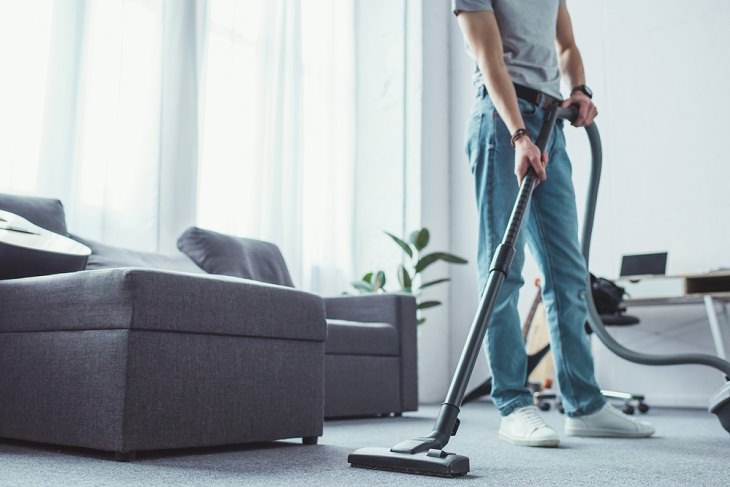
1. Vacuum regularly 
Household Cleaning Tips to Ease Allergies, Vacuum
Regular vacuuming of your home should be the first step in managing your allergies. Brooms tend to kick up more dust than they remove and are hence not ideal for people with allergies. Vacuuming once or twice a week should reduce the dust in your home to a minimum. Start with the bedroom and then move to the living areas. Remember to remove the dust from ceiling fans and light fixtures first and then focus on window sills, mantles, horizontal surfaces, wooden furniture, and upholstery. 
 
The American Academy of Allergy, Asthma & Immunology recommends using a vacuum with a small-particle or HEPA filter. That’s because some allergens are so small that they can easily pass through a regular vacuum filter. S

2. Clean your bedroom thoroughly every week
We spend most of our time in the bedroom and hence it is essential to clean it thoroughly every week. Always start at the top and make sure that there are no little cobwebs left in the corners. Then, work your way down by dusting ceiling fans and light fixtures. Blinds and curtains should be dusted too, although the curtains should also be washed weekly. Lastly, vacuum the floor and your upholstered furniture. Make sure to clean the areas beneath the furniture and bed, including the corners.

Other tips to keep your bedroom allergen-free: 
* Use washable area rugs in the bedroom and clean them regularly. 
* Keep pets out of the bedroom, particularly the bed, as they can carry many allergens with them. 
* To reduce the transfer of allergens from clothing, keep the closet doors closed. 
* To store unused items, use covered plastic bins as they can be cleaned easily.

3. Wash sheets weekly in hot water
Make it a habit to wash your bedsheets, pillowcases, and blankets weekly in hot water. Experts say that the ideal temperature for washing your sheets should be at least 130 F (54.4 C) as that will be hot enough to kill all the dust mites in them. If there are any children in the house with allergies, wash all their stuffed toys at the same temperature. 
 
Also, if you have allergies then never hang your bedding (or clothes) outside to dry. Outdoor pollens can easily latch onto your sheets and then enter your body when you use them. Another handy tip is to cover your pillows, mattresses, and box springs in dust mite-proof cases.

4. Remove mold and mildew growth from the bathroom
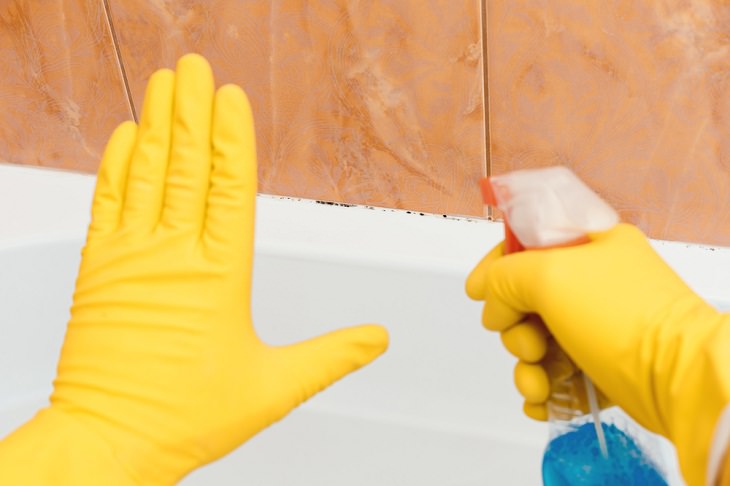
Household Cleaning Tips to Ease Allergies, mold and mildew growth from the bathroom


If you have a mold allergy, then your immune system might get affected after you breathe in mold spores. It can cause symptoms like itchy eyes and cough. Unfortunately, bathrooms are prone to mold and mildew, because the moisture and heat provide the perfect habitat for mold spores. Solutions like chlorine bleach, hydrogen peroxide, or any good mildew cleaner, can be really handy in stopping and removing mildew growth.
 
Another way to prevent additional mildew growth in the bathroom is to install an exhaust fan and use it every time you take a shower. Washing the bathroom rugs, bathmats, and shower curtains from time to time would also be a good idea as that can help prevent mildew growth. 
 
To reduce the moisture in your bathroom, wipe down the walls and floors with a microfiber cloth after every shower. Allow the room to properly air out by leaving the doors open after you leave.

5. The right laundry products can make a difference 
Choosing the right laundry products can be vital for those with sensitive skin. Avoid products that contain chemicals like ammonia, D-limonene, formaldehyde, sodium hypochlorite, and sodium lauryl sulfate - these have been identified as potentially irritating to the skin. 
 
Look for detergents and stain removal products that are unscented and free of dyes. There are many good detergents and cleaners that don’t contain dyes or synthetic fragrances and are hypoallergenic. They should be perfect for allergy-sufferers. You can also search for laundry products that contain plant-based ingredients as they will be gentle on the skin. 
 
6. Tackle the moisture in the kitchen
To prevent the growth of mold and mildew in the kitchen, use a vented exhaust fan which should reduce moisture. You should also keep a regular eye on the sink, refrigerator, and freezer for any leaks. Don't forget to clean the refrigerator once a week and get rid of all the moldy or stale food from it.

Other tips to keep your kitchen allergen-free:  
* Wipe the floors of the kitchen and clean the countertops daily. 
* Wash the dishes between each meal and leave them for air-drying so that no moisture is collected in them. 
* Store all the food in covered containers. 
* Clean all the cabinets and drawers in the kitchen each season so that any crumbs and dust are removed. 
* Empty the trash can every alternate day. 
 
7. De-clutter the house
A surefire way to reduce household allergens is by minimizing the clutter. Look around and check if you have piles of boxes or clothing lying around in different corners of the house. They can easily trap dust and hide allergens like dust mites and little insects. So without wasting any time, try and remove the clutter and reduce the dust catchers from the living spaces in your house. Get rid of the things you don’t need and keep the rest in specific places. 
 
8. Clean outside entryways
Keeping the front entryways of your house clean doesn’t just make the area look nice, it also ensures that dust, dirt, and pollen are prevented from entering your home. So, clean your outside entryways once a week by sweeping or by using a hosepipe. 
 
Another helpful habit is to have everyone in the house keep their shoes outside before entering. Don’t forget that the bottoms of your shoes hold stuff like dust, bird droppings, animal excrement, and other little debris that can be really harmful to people with allergies. If you can’t keep your footwear outside the house, then pile them on a shoe rack in an entry area so that pollens are kept at bay.
 
 9. Clean the air filters of your central heating and cooling systems
The modern HVAC (Heating, Ventilation, and Air Conditioning) systems are designed to filter allergens like dust mites and pollen when they become airborne. However, if you don’t clean or replace the air filters of your central heating and cooling systems, they could become overloaded with allergens and start blowing them back out throughout the home. 
 
Clean or replace your HVAC filters every two to three months if you have allergies. It would also be a good idea to have your heating and air conditioning units inspected and serviced every six months as they can hold mildew and mold which can end up in your indoor air through the air conditioning cycles.


This is only for your information, kindly take the advice of your doctor for medicines, exercises and so on.     

https://gscrochetdesigns.blogspot.com. one can see my crochet creations  
https://gseasyrecipes.blogspot.com. feel free to view for easy, simple and healthy recipes    
https://kneereplacement-stickclub.blogspot.com. for info on knee replacement


Labels: , , , ,

Wednesday, August 28, 2019

16 Simple Solutions for Purifying the Air in Your House

Every day when we step out of our homes, we are blasted face-first with a number of toxins as well as dust and dirt. As we trudge through the proverbial mud, the hope is that when we get home, we’ll have a sanctuary waiting for us, free from the pollution of the outside world. Unfortunately these dirty and harmful elements,  often do find their ways into our homes in ways that we wouldn’t expect or believe. However, the hope can still be made a reality by applying these 16 handy tips to purify air-
1. Use natural cleaning supplies

Pretty much everything you use in your home ends up floating around in the air before eventually finding its way into your lungs. Cleaning is a daily task at home, and the detergents and soaps that are used usually have a large number of chemicals that can pollute the air in your home.
You can avoid the buildup of these chemicals by using natural cleaning supplies, as opposed to the conventional ones. You can even make your own using baking soda and vinegar.   

2. Buy and maintain houseplants 
cleaning, air, tips and updates, DIY, homemade, natural remedies, purify, toxins, filter, Pollution

Some houseplants act as natural air purifiers, absorbing harmful carbon monoxide in the air and releasing oxygen. While most plants perform this basic function, some plants take this role to the next level.
The ideal plants that will work to keep your clean  i are Boston Ferns, Spider plants, Peace lilies, Lady palms and English Ivy’s, among many others. The best plants, however, would probably be Snake Plants, as they require minimal water and sunlight and are relatively low maintenance.  

3. Use aerosol sprays outdoors

Most of the time, we keep the doors and windows closed, but once in a while, we crack them open for a bit to air out the house. The instinct that follows is to use a variety of bug repellents and insecticides to get rid of the creepy crawlies get rid of the creepy crawlies that may make their way into your home.
However, using those sprays inside your house leaves the harmful agents present in these sprays lingering in your home. It is therefore advisable to open your windows for limited periods of time and spray all such aerosols outside of your home and not inside.  

4. Make good use of baking soda

Not only is baking soda a necessary ingredient for many home made a natural cleaning solution and air fresheners, but it is also great at absorbing pungent odors. The simplest way to make use of baking powder as an air purifier is to keep open boxes of this household item in areas of your home that tend to become overwhelmed by a variety of odors.
These include but are not limited to closets, litter boxes, pantries, and bathrooms. This will keep these spaces from becoming musty and trapping dust and dirt particles collected over time.       

5. Vinegar helps too

Another quick fix way to get smells out of hard to reach places is through a simple vinegar and water solution. This acts as both an effective disinfect and has the added effect of neutralizing acrid and intense smells.
Vinegar solutions are especially helpful for dealing with spills that occur in the kitchen. First, the solution overpowers the existing scent, shortly after which the harsh scent of the vinegar will fade. As a result, the air of the room is made clearer and cleaner.   

6. There’s also citrus


This is just an easy home-made way of getting the Lemon-Pledge vibe at home. You can take leftover peels from lemons, limes and oranges and twist out the essential oil in various places in your kitchen to add to the aroma.
Alternatively, you can just slice a few lemons, limes and, yes, oranges too, and leave them out on any tables and countertops in your home. This will make the air fresh almost instantly.  

7. Get some natural candles
Natural candles have a way of not only lighting up your home but also purifying the air around you. The ideal options are Beeswax candles and soy candles, and the main thing is to ensure these candles do not contain paraffin.
These candles firstly help you get a more restful sleep, but in addition to that, these candles have elements that ionize the air, neutralizing most of the toxic ions in the air. Beeswax candles also burn with minimal scent and smoke and can be extremely beneficial to people suffering from asthma and dust and pollen allergies.  
8. And add some salt lamps to the mix
Salt lamps are another great addition to the house and act in a manner similar to natural candles. Crystal salt products, in general, pull water vapor out of the air, thereby reducing the number of pathogens, allergens and other irritants commonly found in the air.
Himalayan pink salt has been clinically proven to be the best option and acts as a natural toxin neutralizer, purifying the air of any room it is in.  

9. Keep your carpets fresh

It’s important to deodorize your carpets and keep them clean, smelling fresh and free of toxins keep them clean, smelling them clean, free of toxins. You can, of course, make use of all-natural cleaning supplies, but washing carpets can be a real pain and sometimes not a practical solution.
So best to make use of that baking soda again. Just sprinkle some across the carpet of your choosing, let it sit for at least 20 minutes and then vacuum for spotless results.    

10. Speaking of smells, essential oils help a lot

Essential oil diffusers are all the rage now, and for good reason. There are both electric and natural diffusers, the latter of which makes use only of candles. Both require essential oils to be purchased as well, which come in a variety of aromas of your choosing. A few drops daily into the diffuser, or even just a bowl of water, will keep your home smelling great,  and many essential oils are also amazing for relieving stress, clearing congestion and boosting your mind.

11. Let the air trickle in 

Blanket opening of doors and windows does seem like the best and easiest way to keep your house aired out, but it may not be an ideal solution. It may result in allowing more toxins, pollutants, dust, and insects into your home. So another solution may be the trickle-in method of airing out your home.
In addition to installing trickle vents in your home, which purify the air through the vents, you can keep windows in the respective rooms cracked open very slightly for limited periods of time to allow the air to trickle out and trickle in. 

12. When cooking, keep a fan running

Since the main challenge with keeping the air in your home clean and clear is keeping the air circulating, it's best to make use of indoor forms of ventilation. Most stove and oven areas have a built-in exhaust fan or a kitchen hood that is always advisable to make use of, especially while cooking.
Many of the smells and particles that are created through the cooking process can linger in the air, so get the exhaust running, or install a small fan to keep the air moving.    
13. Charcoal isn’t just good for your skin

Activated charcoal, also known as activated carbon, and bamboo charcoal can work effectively to purify your skin and your home.
It is completely odorless and has a porous structure that allows it to work effectively and efficiently absorb the many toxins floating in the air. It also helps absorb the moisture build up in your home, which is a major contributor to the formation of mildew and mold.

14. Be wary of the air cleanser you’re using

Much like the cleaning supplies you’re using, the air cleanser and air freshener you use can add more toxins to the air you’re breathing. It’s best to avoid using artificial air cleansers, as most non-natural air cleansers tend to not clean the air, but rather mask underlying odors with stronger scents.
This leaves the room still teeming with toxic particles. Natural air-fresheners,  particularly those made from baking soda, do the job far better.   

15. Take your shoes off when inside

This is something that is largely against the norm in most households because one major worry is the dirt your feet will gather while living sans-shoes. Your feet can be effectively cleaned with soap, but the same cannot be said about air.
Wearing your shoes inside your home usually results in bringing all the pollutants, dirt, dust and toxic elements into your house and the air you breathe. This is a simple change to your household habit that could cut down your work later.       

16. If all else fails, you can buy an indoor air filter

Indoor air filters may not be an ideal solution, but they can help maintain the relative purity of your home. It is important to note, however, that most indoor air filters only catch the smaller particles, leaving some of bigger toxins still in the air.
For best results, it’s advisable to use an indoor filter along with the other natural scents and natural remedies available, such as baking soda, salt lamps, and lemon slices.

Labels: , , , , , , , , , , , ,

Friday, May 03, 2019

10 Remedies For Wheezing That You Can Try At Home

Being wheezy is never pleasant, but you’ll be happy to know that there are numerous remedies that you can try if you happen to be wheezing. They help to open up the airways, reduce the quantity of irritants or pollution that an individual breathes in, and some of them can even treat the underlying causes of the wheezing. Here are 10 home remedies for wheezing:
 
1. Steam inhalation
Inhaling warm, moisture-rich air is a great way of clearing the sinuses and opening up the airways. All you need to do is boil some water, pour it into a large bowl and breathe in the steam. Place a hot towel over your head to trap in more moisture, and try adding a few drops of menthol or eucalyptus oil to the water to make the steam more powerful. You can also benefit from a sauna room or hot shower to loosen the congestion if needed.

2. Hot drinks
Hot drinks are excellent for loosening up congestion in the airways. Add a teaspoon of honey to a hot drink to reap its anti-inflammatory and antimicrobial benefits. Eating just one tablespoon of honey twice a day can also help to relieve throat congestion. Peppermint and other menthol teas also work well. Try experimenting with these different things to see which works best for you.

3. Breathing exercises
top-10-wheezing-remedies
Wheezing caused by Chronic Obstructive Pulmonary Disease, bronchitis or allergies can be eased by doing breathing exercises. These include deep, regular inhalations and exhalations. A doctor or respiratory therapist can assist you in finding the most effective breathing techniques for you.

4. Humidifiers
There’s no denying that wheezing can get worse during the winter months, so consider investing in a humidifier. This will help to loosen congestion in the airways and reduce the severity of wheezing. You can even try adding peppermint or other oils into its water, however, you should check the instructions before adding anything other than water.
5. Air filters
top-10-wheezing-remedies
Polluted air can contribute significantly to wheezing, as can allergens. A home air filter can reduce the presence of irritants that can cause wheezing and other breathing problems.

6. Identifying and removing triggers
Certain triggers, such as stress or allergens, can make chronic illnesses and asthma worse, so identifying and being in control of them is a great idea. For instance, individuals with chronic respiratory conditions might take allergy medication and avoid allergy triggers.
7. Allergy medications
top-10-wheezing-remedies
Decongestants, corticosteroid tablets, and antihistamines can all help with keeping allergies under control. Nasal sprays can also help to relieve a tight chest, congestion, and inflammation. If you suffer from more severe allergies, note that you may require prescription allergy medication.

8. Allergy immunotherapy
Immunotherapy involves retraining the immune system to refrain from reacting to allergens. Allergy shots are the most common form of immunotherapy, and the technique can also be helpful for people with other chronic conditions such as COPD.
9. Bronchodilators
top-10-wheezing-remedies
This type of medication is designed to relax the lungs and prevent the airways from narrowing, thus helping those with wheezing caused by COPD or asthma. Bronchodilators come in two forms, namely short-acting and long-acting. The former can halt an asthma or COPD attack, whereas the latter can relax the airways over the long-term.
10. Other medications
Wheezing caused by an underlying illness is often treatable with medication. Epinephrine or corticosteroids, for instance, can help individuals that experience wheezing due to a severe allergic reaction. Always discuss medications with your doctor prior to taking them, and also inform yourself on how various medications interact with one another.

When you should see a doctor
Diagnosing the cause of wheezing based on the symptoms alone can be quite difficult, so an individual should see a doctor if their wheezing is cause for concern. A trip to the emergency room is in order if:
•    An individual struggles with their breathing
•    Their wheezing comes on suddenly
•    It’s accompanied by other symptoms, such as chest pain
•    If the individual is showing signs of anaphylaxis                    

 
THIS IS ONLY FOR INFORMATION, ALWAYS CONSULT YOU PHYSICIAN BEFORE HAVING ANY PARTICULAR FOOD/ MEDICATION/EXERCISE/OTHER REMEDIES.                                    PS- THOSE INTERESTED IN RECIPES ARE FREE TO  VIEW MY BLOG-                                                                                           https://gseasyrecipes.blogspot.com/    
                                                                                                                                                     FOR INFO ABOUT KNEE REPLACEMENT, YOU CAN VIEW MY BLOG-                                                  https:// kneereplacement-stickclub.blogspot.com/  
         
                   FOR CROCHET DESIGNS                                                                                                                                                                                                  https://gscrochetdesigns.blogspot.com  

Labels: , , , , , , , , , , ,