Wednesday, April 06, 2022

Decorate & Purify Your Home with Plants

There are quite a few plants you can grow at home that aren't just decorative, but serve to purify the air in your home. If you want to get a few plants but are worried that your lack of a green thumb will result in their demise, I’ve collected 10 of the most helpful plants that are both resilient or require very little attention to thrive. Add any one of these to your home and enjoy the added decoration, as well as cleaner air. 
 
1. Spider PlantHouseplants
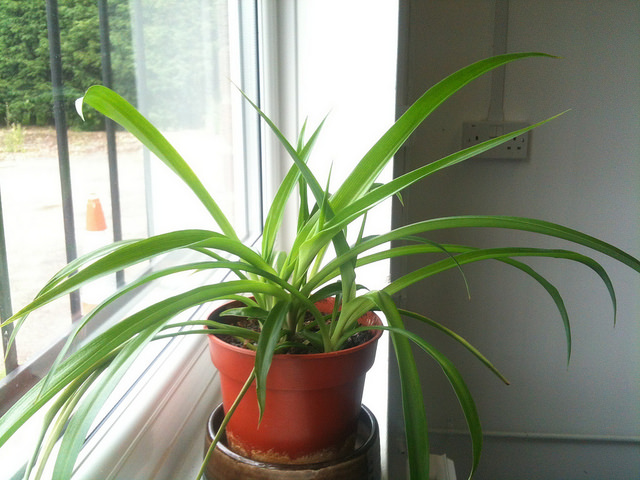
Spider plants can last for decades, and some people even call them “immortal”. The Spider Plant has a rich foliage and small white flowers. It fights against pollutants like benzene, formaldehyde, carbon monoxide and xylene, which drifts from nearby industries. This is also a 100% pet safe. 
 
How to care for Spider Plants: Spider plants need darker conditions (though they can grow in direct sunlight), and enough water to keep their top soil moist. At some point, a mature plant will start sending offshoots with small spider plants on them. These can be snipped and grown as new plants. 
 
2. Dracaena
Houseplants
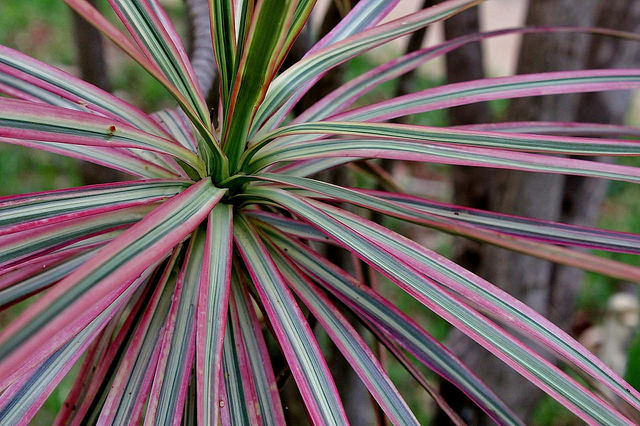
These plants can get as tall as 15 feet, or stay smaller if kept in a smaller pot. They will clean any xylene, trichloroethylene, and formaldehyde from the air, keeping your air quality superb. 
 
How to care for Dracaena: These plants love a lot of sunlight and enough water to keep the soil moist. Also, if you cut the plant, it’s not uncommon for it to split into two stalks at the cutting point. 
 
3. Rubber Tree
Houseplants
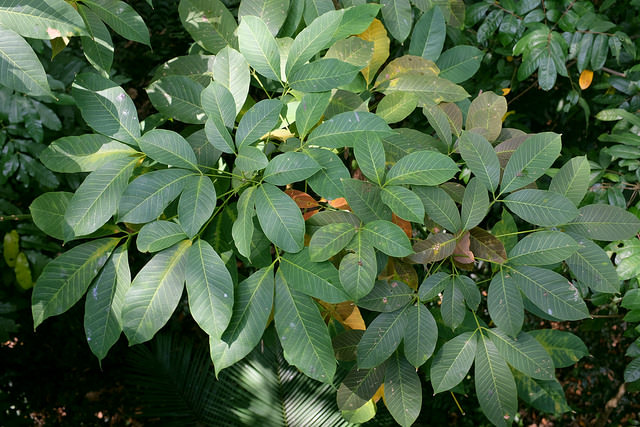
An effective air purifier, rubber trees are also very fast growers. Plant it in a large, deep pot, and place it in a cool and dim area in your home, and then watch it thrive. 
 
How to care for Rubber Tree: Water it only with room-temperature water, and if the leaves get dusty, wipe them clean, or spritz them with water. Yellow leaves are a warning sign that you are over-watering the plant. Prune yellow leaves and let the soil dry out a little.  
 
4. Philodendron

Houseplants
There are many sub-species of philodendron, and all of them are great at air-purifying. Whichever variation of philodendron you choose, if you take good care of it – it will last for many, many years. 
 
How to care for Philodendron: Philodendrons need a lot of indirect sunlight, so place them near the window. If more than one or two leaves turn yellow – the plant’s getting too much sunlight. As for watering – let the top inch of the soil dry before you water the plant again. Droopy leaves are a sign of under-watering, but the plant recovers quickly once it’s watered.  
 
5. English Ivy
Houseplants
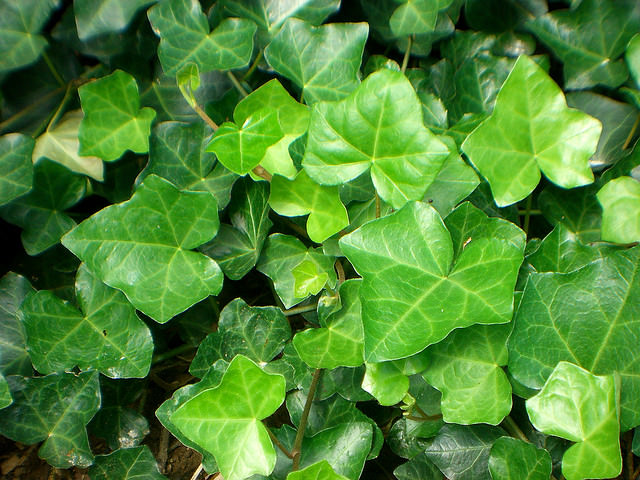
The English ivy is a terrific houseplant for people who are not horticulturally-inclined, since they are very easy to grow. Not only that, but NASA has found that English ivy is one of the most efficient air purifying plants there is. Please make sure not to plant it in your garden, as this robust plant will take over as much area as it can. 
 
How to care for English Ivy: A potted ivy needs an environment with moderate temperatures and not too much sunlight. Watering should be done only if the soil is dry to the touch. 
 
6. Bamboo Palm
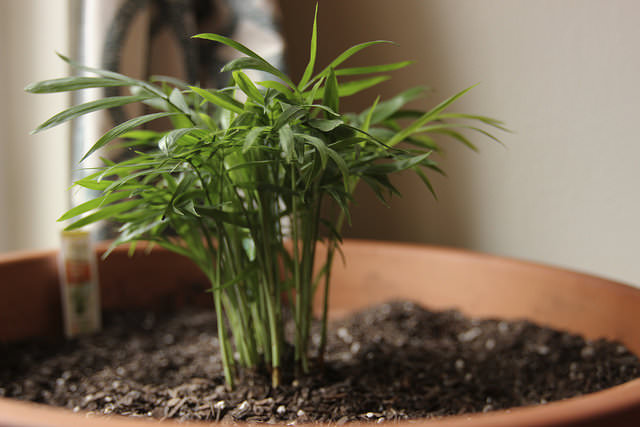
Houseplants
This wonderful plant needs to stay in a shady area and requires more water than the others on this list. However, it's a powerful purifyer, fights pollutants and is considered to be one of the best in its class by NASA. 
 
How to care for Bamboo Palm: Leave the palm plant away from direct sunlight and give it a little water every day. You can add a little bit of liquid fertilizer twice a month. If left in a little pot, this plant will remain small, but in a bigger pot it will become very lush.

7. Aloe Vera

If you’ve ever been stung by a mosquito or got a burn, there’s a good chance you applied some aloe vera on your skin. What you used was probably a processed, chemical-filled variation. The natural version, when fresh, works just as well, if not better. Not only that, but if you peel the skin, you can eat the fleshy insides (or add it to juice), which also help in detoxing the body. And lest we forget, aloe vera works as an air purifier. A good test of your air quality at home is if the plant start showing brown spots. 
 
How to care for Aloe Vera: Aloes are succulents, meaning they don’t need too much attention, and you only need to water them when their soil gets dry. They need sunny conditions, so placing them by the window or in a well-lit room is recommended.  
 
8. Snake Plant
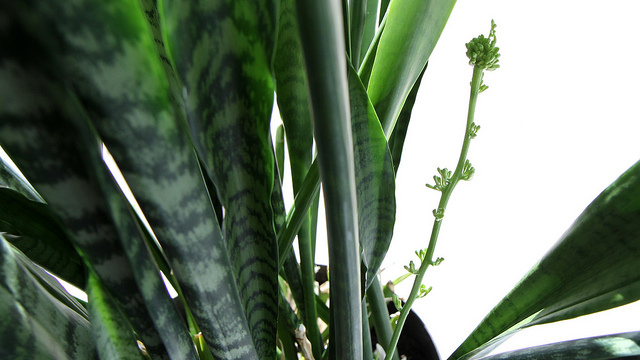
Houseplants
Easy to grow and hard to kill, this plant is also terrific at providing fresh oxygen. Like any other plant, the plant will absorb CO2 during the day and at night it will release oxygen. The Snake Plant does this in greater volume, making them an excellent plant for the bedroom, as the added oxygen will improve the quality of your sleep. 
 
How to care for Snake Plant: these plants need very little light and water to survive, so only water it when the soil feels dry, and place them away from direct sunlight.

9. Peace Lily

The peace lily is virtually impossible to kill, as it is very resilient. It will give out its lovely white flowers ever so often, and its size depends on the size of the pot your place it in. They are beneficial in keeping the room they’re in clean of airborne toxins. How to care for a Peace Lily: The plant’s soil needs to remain lightly moist, and if you want to enjoy the plant’s flowers – place it in a darker area. 
 
10. Golden Pothos  Houseplants
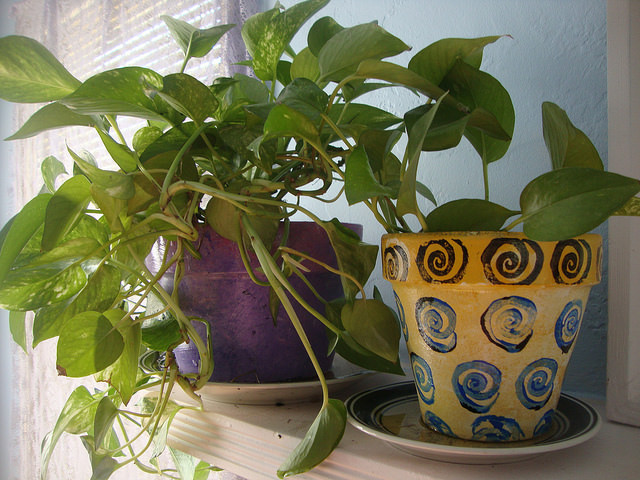
One of the most difficult-to-kill plants on this list, thanks to its ability to absorb humidity from the air. So if you forget to water it for a while, it’ll still survive. It’s highly efficient when it comes to cleaning toxins from the air, and since they’re a vine – they make excellent hanging plants.
 
How to care for Golden Pothos: These guys love a lot of water, but can handle some neglect without a problem. Keep them away from too much light, and your pothos will thrive.

This is only for your information, kindly take the advice of your doctor for medicines, exercises and so on.   

https://gscrochetdesigns.blogspot.com. one can see my crochet creations  
https://gseasyrecipes.blogspot.com. feel free to view for easy, simple and healthy recipes    
https://kneereplacement-stickclub.blogspot.com. for info on knee replacement

Labels: , , , , , , , , , , ,

Wednesday, August 28, 2019

16 Simple Solutions for Purifying the Air in Your House

Every day when we step out of our homes, we are blasted face-first with a number of toxins as well as dust and dirt. As we trudge through the proverbial mud, the hope is that when we get home, we’ll have a sanctuary waiting for us, free from the pollution of the outside world. Unfortunately these dirty and harmful elements,  often do find their ways into our homes in ways that we wouldn’t expect or believe. However, the hope can still be made a reality by applying these 16 handy tips to purify air-
1. Use natural cleaning supplies

Pretty much everything you use in your home ends up floating around in the air before eventually finding its way into your lungs. Cleaning is a daily task at home, and the detergents and soaps that are used usually have a large number of chemicals that can pollute the air in your home.
You can avoid the buildup of these chemicals by using natural cleaning supplies, as opposed to the conventional ones. You can even make your own using baking soda and vinegar.   

2. Buy and maintain houseplants 
cleaning, air, tips and updates, DIY, homemade, natural remedies, purify, toxins, filter, Pollution

Some houseplants act as natural air purifiers, absorbing harmful carbon monoxide in the air and releasing oxygen. While most plants perform this basic function, some plants take this role to the next level.
The ideal plants that will work to keep your clean  i are Boston Ferns, Spider plants, Peace lilies, Lady palms and English Ivy’s, among many others. The best plants, however, would probably be Snake Plants, as they require minimal water and sunlight and are relatively low maintenance.  

3. Use aerosol sprays outdoors

Most of the time, we keep the doors and windows closed, but once in a while, we crack them open for a bit to air out the house. The instinct that follows is to use a variety of bug repellents and insecticides to get rid of the creepy crawlies get rid of the creepy crawlies that may make their way into your home.
However, using those sprays inside your house leaves the harmful agents present in these sprays lingering in your home. It is therefore advisable to open your windows for limited periods of time and spray all such aerosols outside of your home and not inside.  

4. Make good use of baking soda

Not only is baking soda a necessary ingredient for many home made a natural cleaning solution and air fresheners, but it is also great at absorbing pungent odors. The simplest way to make use of baking powder as an air purifier is to keep open boxes of this household item in areas of your home that tend to become overwhelmed by a variety of odors.
These include but are not limited to closets, litter boxes, pantries, and bathrooms. This will keep these spaces from becoming musty and trapping dust and dirt particles collected over time.       

5. Vinegar helps too

Another quick fix way to get smells out of hard to reach places is through a simple vinegar and water solution. This acts as both an effective disinfect and has the added effect of neutralizing acrid and intense smells.
Vinegar solutions are especially helpful for dealing with spills that occur in the kitchen. First, the solution overpowers the existing scent, shortly after which the harsh scent of the vinegar will fade. As a result, the air of the room is made clearer and cleaner.   

6. There’s also citrus


This is just an easy home-made way of getting the Lemon-Pledge vibe at home. You can take leftover peels from lemons, limes and oranges and twist out the essential oil in various places in your kitchen to add to the aroma.
Alternatively, you can just slice a few lemons, limes and, yes, oranges too, and leave them out on any tables and countertops in your home. This will make the air fresh almost instantly.  

7. Get some natural candles
Natural candles have a way of not only lighting up your home but also purifying the air around you. The ideal options are Beeswax candles and soy candles, and the main thing is to ensure these candles do not contain paraffin.
These candles firstly help you get a more restful sleep, but in addition to that, these candles have elements that ionize the air, neutralizing most of the toxic ions in the air. Beeswax candles also burn with minimal scent and smoke and can be extremely beneficial to people suffering from asthma and dust and pollen allergies.  
8. And add some salt lamps to the mix
Salt lamps are another great addition to the house and act in a manner similar to natural candles. Crystal salt products, in general, pull water vapor out of the air, thereby reducing the number of pathogens, allergens and other irritants commonly found in the air.
Himalayan pink salt has been clinically proven to be the best option and acts as a natural toxin neutralizer, purifying the air of any room it is in.  

9. Keep your carpets fresh

It’s important to deodorize your carpets and keep them clean, smelling fresh and free of toxins keep them clean, smelling them clean, free of toxins. You can, of course, make use of all-natural cleaning supplies, but washing carpets can be a real pain and sometimes not a practical solution.
So best to make use of that baking soda again. Just sprinkle some across the carpet of your choosing, let it sit for at least 20 minutes and then vacuum for spotless results.    

10. Speaking of smells, essential oils help a lot

Essential oil diffusers are all the rage now, and for good reason. There are both electric and natural diffusers, the latter of which makes use only of candles. Both require essential oils to be purchased as well, which come in a variety of aromas of your choosing. A few drops daily into the diffuser, or even just a bowl of water, will keep your home smelling great,  and many essential oils are also amazing for relieving stress, clearing congestion and boosting your mind.

11. Let the air trickle in 

Blanket opening of doors and windows does seem like the best and easiest way to keep your house aired out, but it may not be an ideal solution. It may result in allowing more toxins, pollutants, dust, and insects into your home. So another solution may be the trickle-in method of airing out your home.
In addition to installing trickle vents in your home, which purify the air through the vents, you can keep windows in the respective rooms cracked open very slightly for limited periods of time to allow the air to trickle out and trickle in. 

12. When cooking, keep a fan running

Since the main challenge with keeping the air in your home clean and clear is keeping the air circulating, it's best to make use of indoor forms of ventilation. Most stove and oven areas have a built-in exhaust fan or a kitchen hood that is always advisable to make use of, especially while cooking.
Many of the smells and particles that are created through the cooking process can linger in the air, so get the exhaust running, or install a small fan to keep the air moving.    
13. Charcoal isn’t just good for your skin

Activated charcoal, also known as activated carbon, and bamboo charcoal can work effectively to purify your skin and your home.
It is completely odorless and has a porous structure that allows it to work effectively and efficiently absorb the many toxins floating in the air. It also helps absorb the moisture build up in your home, which is a major contributor to the formation of mildew and mold.

14. Be wary of the air cleanser you’re using

Much like the cleaning supplies you’re using, the air cleanser and air freshener you use can add more toxins to the air you’re breathing. It’s best to avoid using artificial air cleansers, as most non-natural air cleansers tend to not clean the air, but rather mask underlying odors with stronger scents.
This leaves the room still teeming with toxic particles. Natural air-fresheners,  particularly those made from baking soda, do the job far better.   

15. Take your shoes off when inside

This is something that is largely against the norm in most households because one major worry is the dirt your feet will gather while living sans-shoes. Your feet can be effectively cleaned with soap, but the same cannot be said about air.
Wearing your shoes inside your home usually results in bringing all the pollutants, dirt, dust and toxic elements into your house and the air you breathe. This is a simple change to your household habit that could cut down your work later.       

16. If all else fails, you can buy an indoor air filter

Indoor air filters may not be an ideal solution, but they can help maintain the relative purity of your home. It is important to note, however, that most indoor air filters only catch the smaller particles, leaving some of bigger toxins still in the air.
For best results, it’s advisable to use an indoor filter along with the other natural scents and natural remedies available, such as baking soda, salt lamps, and lemon slices.

Labels: , , , , , , , , , , , ,