Decorate & Purify Your Home with Plants
There are quite a few plants you can grow
at home that aren't just decorative, but serve to purify the air in your
home. If you want to get a few plants but are worried that your lack of
a green thumb will result in their demise, I’ve collected 10 of the
most helpful plants that are both resilient or require very little
attention to thrive. Add any one of these to your home and enjoy the
added decoration, as well as cleaner air.
1. Spider Plant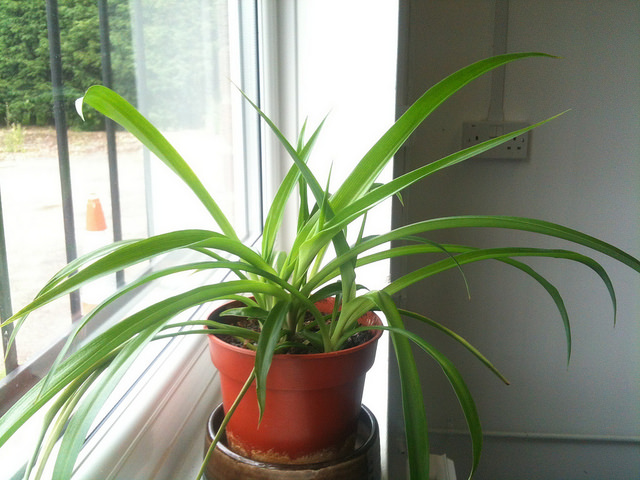
Spider plants can last for decades, and
some people even call them “immortal”. The Spider Plant has a rich
foliage and small white flowers. It fights against pollutants like
benzene, formaldehyde, carbon monoxide and xylene, which drifts from
nearby industries. This is also a 100% pet safe.
How to care for Spider Plants: Spider plants need darker conditions
(though they can grow in direct sunlight), and enough water to keep
their top soil moist. At some point, a mature plant will start sending
offshoots with small spider plants on them. These can be snipped and
grown as new plants.
2. Dracaena
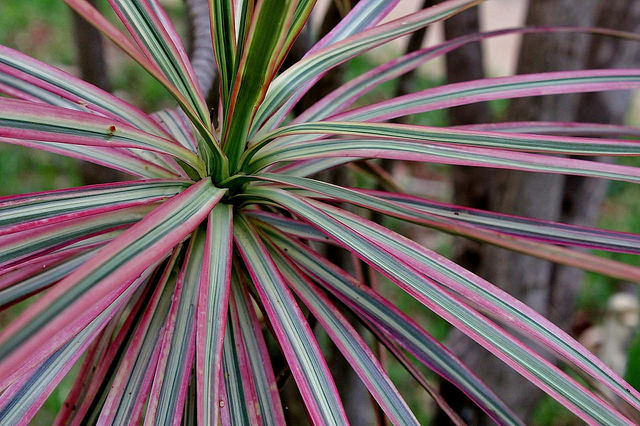
These plants can get as tall as 15 feet, or
stay smaller if kept in a smaller pot. They will clean any xylene,
trichloroethylene, and formaldehyde from the air, keeping your air
quality superb.
How to care for Dracaena: These plants love a lot of sunlight and enough
water to keep the soil moist. Also, if you cut the plant, it’s not
uncommon for it to split into two stalks at the cutting point.
3. Rubber Tree
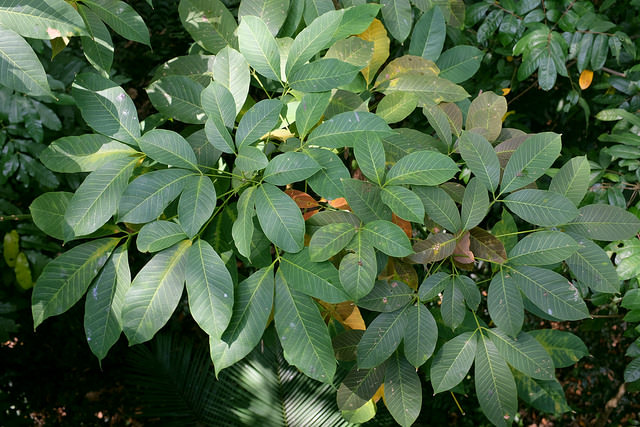
An effective air purifier, rubber trees are
also very fast growers. Plant it in a large, deep pot, and place it in a
cool and dim area in your home, and then watch it thrive.
How to care for Rubber Tree: Water it only with room-temperature water,
and if the leaves get dusty, wipe them clean, or spritz them with water.
Yellow leaves are a warning sign that you are over-watering the plant.
Prune yellow leaves and let the soil dry out a little.
4. Philodendron
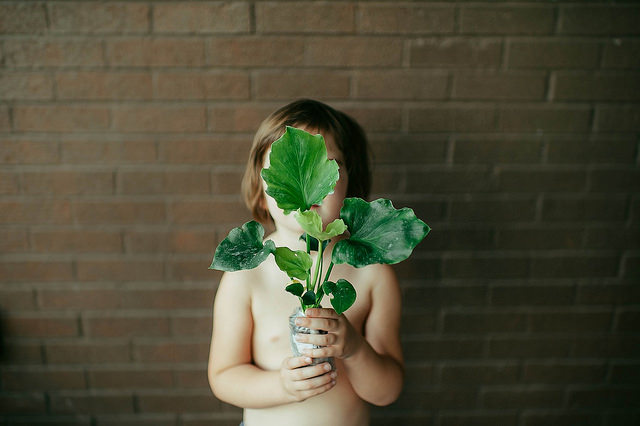
There are many sub-species of philodendron,
and all of them are great at air-purifying. Whichever variation of
philodendron you choose, if you take good care of it – it will last for
many, many years.
How to care for Philodendron: Philodendrons need a lot of indirect
sunlight, so place them near the window. If more than one or two leaves
turn yellow – the plant’s getting too much sunlight. As for watering –
let the top inch of the soil dry before you water the plant again.
Droopy leaves are a sign of under-watering, but the plant recovers
quickly once it’s watered.
5. English Ivy
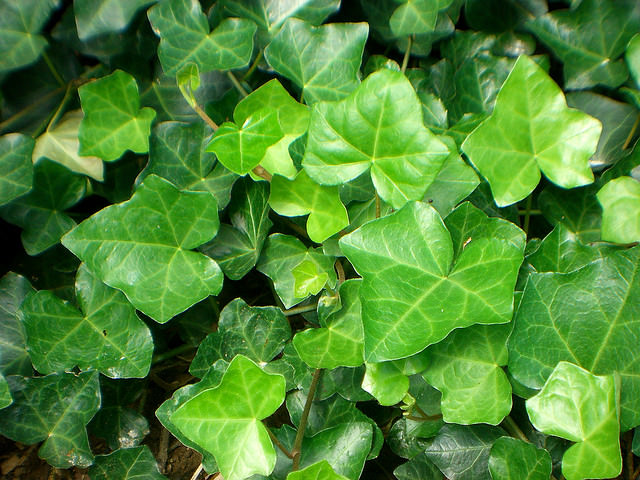
The English ivy is a terrific houseplant
for people who are not horticulturally-inclined, since they are very
easy to grow. Not only that, but NASA has found that English ivy is one
of the most efficient air purifying plants there is. Please make sure
not to plant it in your garden, as this robust plant will take over as
much area as it can.
How to care for English Ivy: A potted ivy needs an environment with
moderate temperatures and not too much sunlight. Watering should be done
only if the soil is dry to the touch.
6. Bamboo Palm
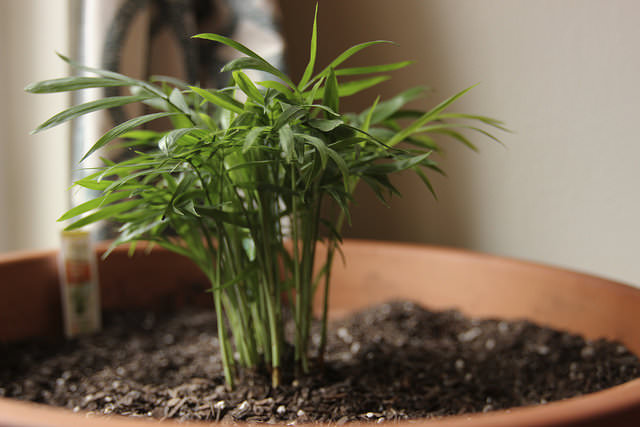
This wonderful plant needs to stay in a
shady area and requires more water than the others on this list.
However, it's a powerful purifyer, fights pollutants and is considered
to be one of the best in its class by NASA.
How to care for Bamboo Palm: Leave the palm plant away from direct
sunlight and give it a little water every day. You can add a little bit
of liquid fertilizer twice a month. If left in a little pot, this plant
will remain small, but in a bigger pot it will become very lush.
7. Aloe Vera
If you’ve ever been stung by a mosquito or
got a burn, there’s a good chance you applied some aloe vera on your
skin. What you used was probably a processed, chemical-filled variation.
The natural version, when fresh, works just as well, if not better. Not
only that, but if you peel the skin, you can eat the fleshy insides (or
add it to juice), which also help in detoxing the body. And lest we
forget, aloe vera works as an air purifier. A good test of your air
quality at home is if the plant start showing brown spots.
How to care for Aloe Vera: Aloes are succulents, meaning they don’t need
too much attention, and you only need to water them when their soil
gets dry. They need sunny conditions, so placing them by the window or
in a well-lit room is recommended.
8. Snake Plant
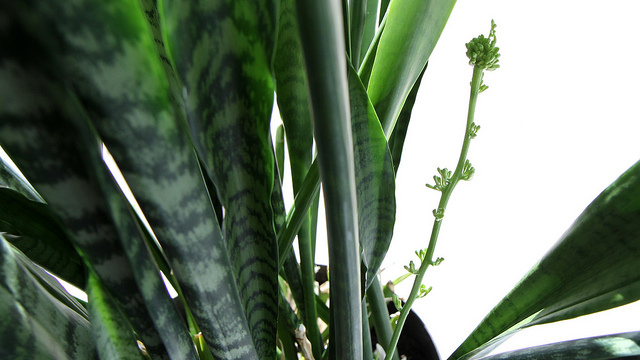
Easy to grow and hard to kill, this plant
is also terrific at providing fresh oxygen. Like any other plant, the
plant will absorb CO2 during the day and at night it will release
oxygen. The Snake Plant does this in greater volume, making them an
excellent plant for the bedroom, as the added oxygen will improve the
quality of your sleep.
How to care for Snake Plant: these plants need very little light and
water to survive, so only water it when the soil feels dry, and place
them away from direct sunlight.
9. Peace Lily
The peace lily is virtually impossible to
kill, as it is very resilient. It will give out its lovely white flowers
ever so often, and its size depends on the size of the pot your place
it in. They are beneficial in keeping the room they’re in clean of
airborne toxins.
How to care for a Peace Lily: The plant’s soil needs to remain lightly
moist, and if you want to enjoy the plant’s flowers – place it in a
darker area.
10. Golden Pothos 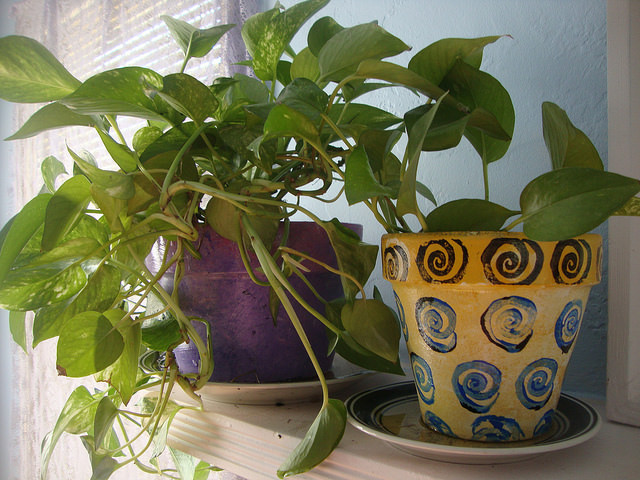
One of the most difficult-to-kill plants on
this list, thanks to its ability to absorb humidity from the air. So if
you forget to water it for a while, it’ll still survive. It’s highly
efficient when it comes to cleaning toxins from the air, and since
they’re a vine – they make excellent hanging plants.
How to care for Golden Pothos: These guys love a lot of water, but can
handle some neglect without a problem. Keep them away from too much
light, and your pothos will thrive.