Saturday, November 29, 2025

A Vital How-to Guide of Neuropathy Treatment & Prevention

The term Neuropathy is short for 'peripheral neuropathy'. It relates to nerve damage suffered by the peripheral nervous system, which is in charge of our nerves outside the brain and spinal cord. 

Neuropathy is a complication that can be caused by a number of various conditions. Physical trauma, repetitive injury, infections, metabolic problems and exposure to toxins and some drugs can all lead to peripheral neuropathy.

Signs and symptoms of neuropathy 
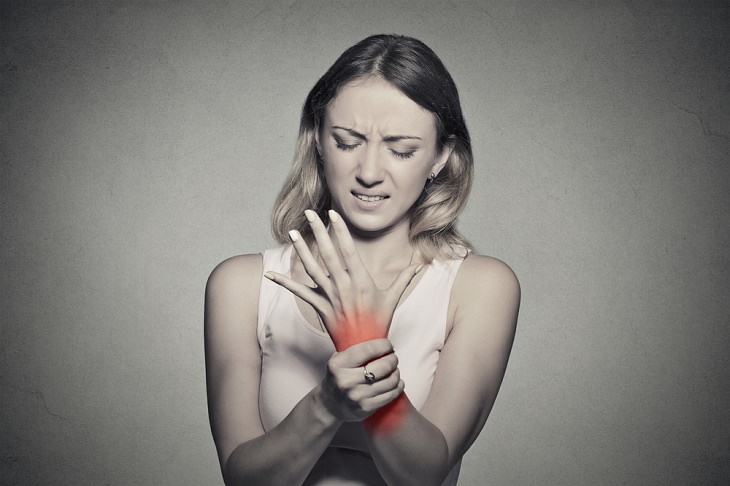
 Neuropathy guide
 
Neuropathy usually starts as a tingling or burning sensation at our extremities, such as fingers and toes. There is also a loss of sensation at the edge of the nerves that patients have reported feeling like they are wearing a thin stocking or glove on their hands. 
 
The precise symptoms differ from patient to patient based on the types of nerves affected. There are three types of nerves that may be affected by neuropathy, namely sensory, motor and autonomic.

Sensory nerves 
Sensory nerves are responsible for collecting sensory information for the body, such as touch. Neuropathy of the sensory nerves can be expressed as:
 - Spreading numbness and tingling in hands and/or feet (which can spread to the arms and legs)
 - Burning, sharp or electric-like pain 
 - Extreme sensitivity to touch 
 - Problems with coordination

Motor nerves  
Motor nerves are the nerves responsible for activating our muscles and control movements. 
- Muscle weakness 
- Paralysis


Autonomic nerves  
Autonomic nerves are responsible for internal actions of the body, such as regulating digestion, heat and blood pressure. 
- Intolerance to heat 
- Problems with digestion, bladder and bowel control 
 - Dizziness (or light-headedness) brought about by problems with blood pressure.

A common cause of neuropathy: Diabetes  
For diabetics, neuropathy can be quite common. That said, about 50% of diabetics who have neuropathy won't notice the symptoms, and it will stay on a very low level. For the other 50%, however, the symptoms will be unavoidable. Pain is the most common complaint, usually a 'prickling', 'stabbing' or 'burning' pain, that happens mostly at night. This, along with a numbness that feels as if the limb is 'asleep' - occurs predominantly in the toes, feet and legs.

What do doctors prescribe for this condition?  
Most doctors will stick to the old medical regime of anti-depressants, anti-convulsants, steroid and cortisone injections, lidocaine patches and pain killers. These are powerful drugs that address the painful sensations for short and long term relief. However, as powerful drugs, they have a host of side-effects and must be administered very carefully. Some medical practitioners recommend electrical stimulation of the pain area and of the spine. The medical community is united in agreement that more solutions to this problem are required, but progress has been very slow from the medical and drug industry so far.

Natural solutions to neuropathy First off, if you are suffering from diabetes related neuropathy, you must do the following: 
- Give up smoking 
 
 - Cut down on alcohol consumption or give it up altogether
 
- Maintain a healthy weight 
 
 - Exercise 
 
Other recommended habits for those suffering from neuropathy include: Wearing clothing that causes less irritation, such as cotton, covering the sensitive areas with wound dressing or cling film and using cold packs. 
 
Stress relief is also a big help when it comes to neuropathy, and so relaxation techniques such as yoga, meditation and acupuncture will come in handy.

Vitamin therapy 
 
Clinical studies have shown that certain supplements can have a cumulative effect on the symptoms and causes of neuropathy. These herbal extracts can be taken without worry that they may clash with a parallel medical treatment. Certain herbal extracts and formulas offer a level of relief that has rarely been reached by just using medical procedures. This must be taken daily to achieve the desired relief. 
 
Vitamins B1, B2, B6 and B12 
 
Vitamin B deficiency is one of the major causes of neuropathy, and also one of the best natural solutions. All herbal extracts contain large amounts of vitamin B1, usually in its common form of thiamine. 
 
Recent natural medications have reverted to using benfotiamine, which has been found to be significantly more effective in delivering vitamin B than thiamine is (x3).

Stabilized R-Alpha Lipoic Acid (R-ALA)  
 
This powerful antioxidant is one of the few, rare materials that can pass through the brain's blood/brain barrier to enter the brain and go directly where it is needed the most. 
 
Most importantly, it has a specific effect on the nerves that eases the pain and numbness associated with neuropathy, and promotes better blood flow and oxygen to the nerves. 
 
Recent studies have reported that just by using the R-ALA alone, orally, symptoms of neuropathy were reduced.


Neuropathy support formulas 
 
These days, it is common for those suffering from neuropathy to take both medical and vitamin therapies, combining short-term treatment with the cumulative effects of correct nutrition. 
 
The best formulas (so make sure they have these in the ingredient list) include vitamins B1, B2 and B12, as well as Vitamin D, R-ALA and materials that relax your nervous system, avoiding over-stimulation. 
 
I personally recommend checking those out for anyone who is really looking for a solution to their neuropathy problem, or is worried they are developing one. For diabetes patients, this would be a good way to perhaps prevent the onset of neuropathic symptoms.


This is only for your information, kindly take the advice of your doctor for medicines, exercises and so on.   

Labels: , , , , , , , , ,

Saturday, November 20, 2021

Five physical stress symptoms you should never ignore, according to experts

We all know what it feels like to be stressed and it can show itself in many different ways.

Besides the racing thoughts and anxiety that accompanies stress, it can often manifest as physical symptoms such as headaches, muscle tension and digestive problems.

A leading digital healthcare provider said: “Stress is a natural, essential part of our body’s response system.

"It stems from an innate survival instinct that we share with many other animals.

"But long-term stress can cause a multitude of physical symptoms. In turn, these symptoms often make us feel anxious, worried, and even more stressed.”

She added that recognising signs of stress, and taking action to reduce it, is important for breaking this negative cycle.

Mature mother and her young daughter sit together in cafe or restaurant. Girl covering face with hands and cring. Her mom worrying.
Stress can cause a lot of emotional turmoil but it also impacts your physical health 

What are the physical symptoms of stress?

Acne and eczema

When you’re stressed your skin can often break-out with acne due to the secretion of stress hormone cortisol.

Cortisol increases the production of oil in our body.

The stress can also cause inflammation and flare-ups of skin conditions like acne, eczema and psoriasis.

A woman with acne wiping her face in front of a mirror
Acne breakouts and flare up of skin conditions are common when you're stressed 

Leading cosmetic expert said: "We shouldn’t underestimate the impact stress plays on our daily skincare routines which are often thrown by the wayside in times of stress."

She advices following a daily skincare routine, avoiding use of makeup and eating healthy diet of fruit and veg, healthy fats and proteins like fish to control your blood sugar and boost the health of your skin.

Chronic pain and tension headaches

Chronic pain leaves you immobile is a very common symptom of stress.

Stress can often cause joint pain which mimics arthritis but cannot be caught on blood tests or x-rays.

Similarly, tension headaches and migraines can cause paralysis and are another painful symptom.

A Dr, recommends getting enough sleep and sticking to regular hours to cope with everyday stress and prevent it from getting out of control

She said: "Remember that stimulants like late-night screen time, alcohol, big meals and nicotine can stop us getting to sleep.

"Caffeine can still affect us around 6 hours after drinking it, so cut out the coffee early in the afternoon".

Stomach issues

You must have noticed how you sometimes feel nauseous or experience loose stools when you’re stressed.

Our guts are sensitive organs that respond to hormone imbalances, stress, and many physical and mental health conditions with pain, bloating, and sometimes changes in bowel habit.

Another common digestive issue that can be worsened by stress is acid reflux.

If you’re stressed and you’re getting an overproduction of acid in your stomach it can cause conditions like stomach ulcer, gum disease and mouth ulcers.

While changing your eating habits can help address the issue, sometimes it can be better to seek medical help especially for symptoms of mouth ulcers.

Changes to weight

Increased cortisol levels stop our bodies from breaking down fat making it difficult for to lose weight or keep it off.

The Dr. said: "Chronic stress can also make us look for immediate comfort in foods.

"On the other hand, some people find that they have a decreased appetite when stressed, as adrenaline levels – and sometimes the depression that can go hand-in-hand with chronic stress – affects appetite."

Immune system

People affected by chronic stress can find their immune system affected, making them susceptible to colds, flu and other infections.

An online counsellor  explained: "The cells our bodies use to protect us from illness do not like too much cortisol. And when too much cortisol is released, their ability to protect us from illness is reduced. "

How to cope with stress

Stress can be a good motivator at times, but if it begins to make you ill and interfere with your daily activities, it needs to be addressed. A pharmacist offers the following tips to cope with stress :

Get active

Although exercise can’t remove your stress altogether or prevent it, it can help to lower the emotional intensity of what you’re feeling.

Causing chemical changes in your brain by raising your body’s serotonin levels, exercise is a good way to clear your thoughts and give you something positive to focus on.

Don’t forget to breathe

Sometimes, when experiencing a distressing situation, our breathing can change and speed up.

Controlled breathing is a simple trick that encourages you to focus and slow down your breathing patterns to help restore calm.

Breath in through your nose and out through your mouth, while counting steadily from 1 to 5 on the in breath and on the out breath. Repeat this for 3 to 5 minutes.

Avoid unhealthy habits

Don’t rely on caffeine, drinking, or smoking to cope with the stress.

Caffeine is known to disrupt sleep which can have a negative impact on your overall wellbeing.

Although drinking or smoking may feel like it's helping to alleviate stress levels, these are only a short term crutch and can cause bigger issues down the line.

Take control

Feeling like things have gotten out of hand is a common cause of stress.


This is only for your information, kindly take the advice of your doctor for medicines, exercises and so on.   

https://gscrochetdesigns.blogspot.com. one can see my crochet creations  
https://gseasyrecipes.blogspot.com. feel free to view for easy, simple and healthy recipes    
https://kneereplacement-stickclub.blogspot.com. for info on knee replacement


Labels: , , , , , , , , , , ,