A Vital How-to Guide of Neuropathy Treatment & Prevention
The term Neuropathy is short for 'peripheral neuropathy'. It relates to nerve damage suffered by the peripheral nervous system, which is in charge of our nerves outside the brain and spinal cord.
Neuropathy is a complication that can be caused by a number of various
conditions. Physical trauma, repetitive injury, infections, metabolic
problems and exposure to toxins and some drugs can all lead to
peripheral neuropathy.
Signs and symptoms of neuropathy
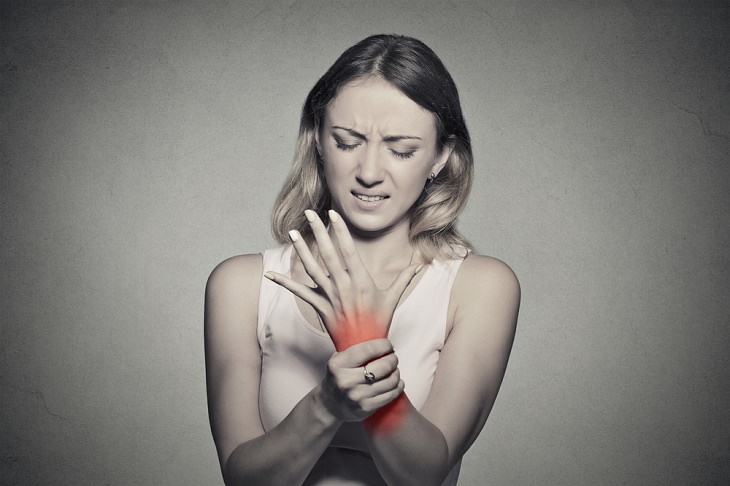
Neuropathy usually starts as a tingling or burning sensation at our
extremities, such as fingers and toes. There is also a loss of sensation
at the edge of the nerves that patients have reported feeling like they
are wearing a thin stocking or glove on their hands.
The precise symptoms differ from patient to patient based on the types
of nerves affected. There are three types of nerves that may be affected
by neuropathy, namely sensory, motor and autonomic.
Sensory nerves
Sensory nerves are responsible for collecting sensory information for
the body, such as touch. Neuropathy of the sensory nerves can be
expressed as:
- Spreading numbness and tingling in hands and/or feet (which can spread
to the arms and legs)
- Burning, sharp or electric-like pain
- Extreme sensitivity to touch
- Problems with coordination
Motor nerves
Motor nerves are the nerves responsible for activating our muscles and control movements.
- Muscle weakness
- Paralysis
Autonomic nerves
Autonomic nerves are responsible for internal actions of the body, such as regulating digestion, heat and blood pressure.
- Intolerance to heat
- Problems with digestion, bladder and bowel control
- Dizziness (or light-headedness) brought about by problems with blood pressure.
A common cause of neuropathy: Diabetes
For diabetics, neuropathy can be quite common. That said, about 50% of
diabetics who have neuropathy won't notice the symptoms, and it will
stay on a very low level. For the other 50%, however, the symptoms will
be unavoidable. Pain is the most common complaint, usually a
'prickling', 'stabbing' or 'burning' pain, that happens mostly at night.
This, along with a numbness that feels as if the limb is 'asleep' -
occurs predominantly in the toes, feet and legs.
What do doctors prescribe for this
condition?
Most doctors will stick to the old medical regime of anti-depressants,
anti-convulsants, steroid and cortisone injections, lidocaine patches
and pain killers. These are powerful drugs that address the painful
sensations for short and long term relief. However, as powerful drugs,
they have a host of side-effects and must be administered very
carefully. Some medical practitioners recommend electrical stimulation
of the pain area and of the spine. The medical community is united in
agreement that more solutions to this problem are required, but progress
has been very slow from the medical and drug industry so far.
Natural solutions to neuropathy
First off, if you are suffering from diabetes related neuropathy, you
must do the following:
- Give up smoking
- Cut down on alcohol consumption or give it up altogether
- Maintain a healthy weight
- Exercise
Other recommended habits for those suffering from neuropathy include:
Wearing clothing that causes less irritation, such as cotton, covering
the sensitive areas with wound dressing or cling film and using cold
packs.
Stress relief is also a big help when it comes to neuropathy, and so
relaxation techniques such as yoga, meditation and acupuncture will come
in handy.
Vitamin therapy
Clinical studies have shown that certain supplements can have a
cumulative effect on the symptoms and causes of neuropathy. These herbal
extracts can be taken without worry that they may clash with a parallel
medical treatment. Certain herbal extracts and formulas offer a level
of relief that has rarely been reached by just using medical procedures.
This must be taken daily to achieve the desired relief.
Vitamins B1, B2, B6 and B12
Vitamin B deficiency is one of the major causes of neuropathy, and also
one of the best natural solutions. All herbal extracts contain large
amounts of vitamin B1, usually in its common form of thiamine.
Recent natural medications have reverted to using benfotiamine, which
has been found to be significantly more effective in delivering vitamin B
than thiamine is (x3).
Stabilized R-Alpha Lipoic Acid (R-ALA)
This powerful antioxidant is one of the few, rare materials that can
pass through the brain's blood/brain barrier to enter the brain and go
directly where it is needed the most.
Most importantly, it has a specific effect on the nerves that eases the
pain and numbness associated with neuropathy, and promotes better blood
flow and oxygen to the nerves.
Recent studies have reported that just by using the R-ALA alone, orally,
symptoms of neuropathy were reduced.
Neuropathy support formulas
These days, it is common for those suffering from neuropathy to take
both medical and vitamin therapies, combining short-term treatment with
the cumulative effects of correct nutrition.
The best formulas (so make sure they have these in the ingredient list)
include vitamins B1, B2 and B12, as well as Vitamin D, R-ALA and
materials that relax your nervous system, avoiding over-stimulation.
I personally recommend checking those out for anyone who is really
looking for a solution to their neuropathy problem, or is worried they
are developing one. For diabetes patients, this would be a good way to
perhaps prevent the onset of neuropathic symptoms.