Coronavirus: 14 Omicron symptoms ranked from most to least prevalent
Know all about the symptoms of COVID’s Omicron variant

The staggering rise in the number of COVID-19 cases has alarmed everyone. To top it off, the Omicron variant runs rampant across the globe, making it difficult for health officials to maintain the calm.
However, experts have said that the new variant is unlike any of the previous SARs-COV-2 strains, as it is comparatively milder and more manageable. So far, the Omicron is said to affect the upper respiratory system which causes cold-like, mild symptoms and appears to cause less damage to the lungs, which is surely a relief.
How are symptoms of Omicron different from the Delta variant?
The Delta variant is known to cause severe illnesses, leading to hospitalisation and deaths. Many during the second COVID-19 wave suffered from highly distressing symptoms ranging from something as mild as a cough, fever and loss of smell and taste to severe symptoms like shortness of breath, chest pain, serious lung infections. Some even succumbed to the virus.
On the contrary, the Omicron variant is less likely to involve the lungs and is largely mild. Experts have even come to the fore and said that the new COVID variant could resemble a common cold or a flu. But much remains under speculation and more research is awaited.
Beware of these 14 Omicron symptoms, ranked from most to least prevalent?

Using the data from UK's Zoe COVID Symptom Study, Business Insider recently revealed a chart that depicted the most to least prevalent symptoms of Omicron. It also highlighted the percentage of people who suffered from a specific symptom.
- Runny nose: 73%.
- Headache: 68%.
- Fatigue: 64%.
- Sneezing: 60%.
- Sore throat: 60%.
- Persistent cough: 44%.
- Hoarse voice: 36%.
- Chills or shivers: 30%.
- Fever: 29%.
- Dizziness: 28%.
- Brain fog: 24%.
- Muscle pains: 23%.
- Loss of smell: 19%.
- Chest pain: 19%.
When should you get tested?
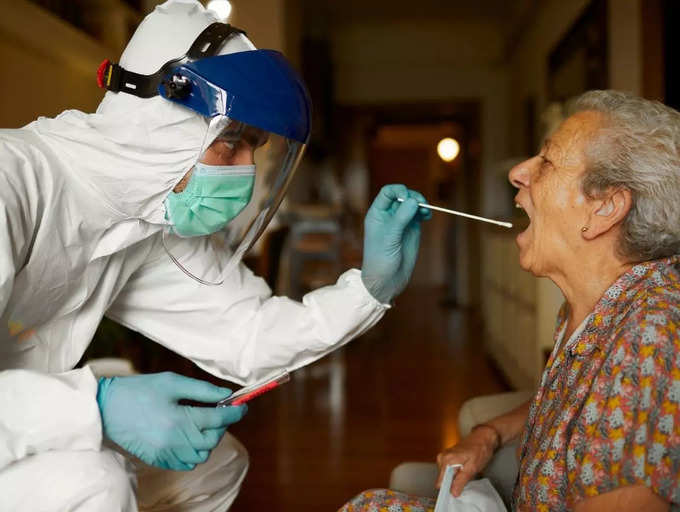
Ideally, the incubation period of coronavirus, which is the number of days between when you're infected and when you develop or notice symptoms, can range from 1-14 days, most commonly around 5 days.
As per the World Health Organisation (WHO), "On average it takes five to six days from when someone is infected with the virus for symptoms to show, however it can take up to 14 days."
However, according to early data, the time it takes for an infected person to develop symptoms after an exposure may be shorter for omicron than for previous variants. While US Centres for Disease Control and Prevention has said that people infected with COVID-19 may be most contagious a few days before or after symptoms onset, experts have said that the window may be shorter for Omicron-infected individuals.
Therefore, if you come in close contact with a confirmed COVID-19 patient or start developing symptoms, get yourself tested immediately.
However, the Indian Council of Medical Research (ICMR) Director-General Dr Balram Bhargava said one should avoid taking a COVID test on the first day as the chances of getting a false negative is higher, irrespective of which test you take.
If you test positive, how long should you isolate?

According to the CDC, "If you test positive, you should isolate for at least 5 days from the date of your positive test (if you do not have symptoms). If you do develop COVID-19 symptoms, isolate for at least 5 days from the date your symptoms began (the date the symptoms started is day 0)."
In India, the ICMR has said that both symptomatic and asymptomatic COVID-19 patients could self-isolate at home for seven days rather than 10 days.
According to the ICMR chief, lateral flow tests, including rapid-antigen and home-antigen tests, can detect COVID-19 from the third day after viral exposure to day eight, while the RT-PCR test can continue to show positive for up to 20 days.
With mild Omicron symptoms, should we let our guards down?
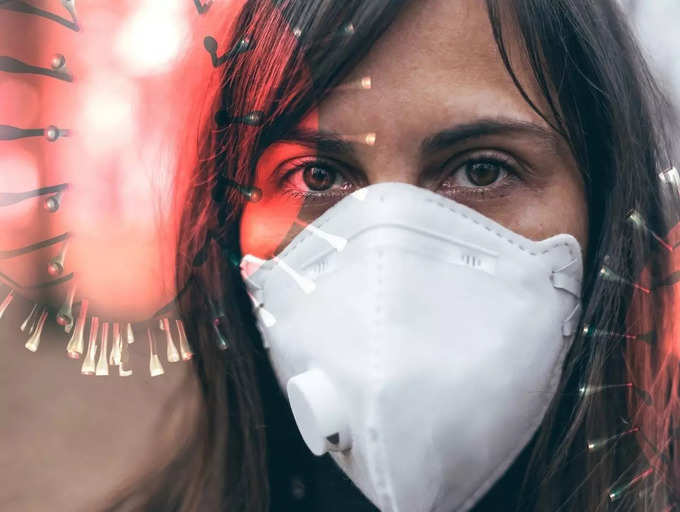
Experts from around the world have warned against taking the new COVID variant lightly. Omicron may be mild, but its high infectious rate is something that has raised concerns around the world.
While the SARs-COV-2 virus is full of surprises, there's no telling what the new variant has in store. That said, it is important that we continue practicing COVID-appropriate behavior and do not let our guards down yet. Wear your masks, maintain social distance, follow proper hygiene and avoid visiting outdoors.