Wednesday, January 19, 2022

Coronavirus: 14 Omicron symptoms ranked from most to least prevalent

Know all about the symptoms of COVID’s Omicron variant

The staggering rise in the number of COVID-19 cases has alarmed everyone. To top it off, the Omicron variant runs rampant across the globe, making it difficult for health officials to maintain the calm.

However, experts have said that the new variant is unlike any of the previous SARs-COV-2 strains, as it is comparatively milder and more manageable. So far, the Omicron is said to affect the upper respiratory system which causes cold-like, mild symptoms and appears to cause less damage to the lungs, which is surely a relief.

How are symptoms of Omicron different from the Delta variant?

The Delta variant is known to cause severe illnesses, leading to hospitalisation and deaths. Many during the second COVID-19 wave suffered from highly distressing symptoms ranging from something as mild as a cough, fever and loss of smell and taste to severe symptoms like shortness of breath, chest pain, serious lung infections. Some even succumbed to the virus.

On the contrary, the Omicron variant is less likely to involve the lungs and is largely mild. Experts have even come to the fore and said that the new COVID variant could resemble a common cold or a flu. But much remains under speculation and more research is awaited.

Beware of these 14 Omicron symptoms, ranked from most to least prevalent?

Using the data from UK's Zoe COVID Symptom Study, Business Insider recently revealed a chart that depicted the most to least prevalent symptoms of Omicron. It also highlighted the percentage of people who suffered from a specific symptom.

- Runny nose: 73%.

- Headache: 68%.

- Fatigue: 64%.

- Sneezing: 60%.

- Sore throat: 60%.

- Persistent cough: 44%.

- Hoarse voice: 36%.

- Chills or shivers: 30%.

- Fever: 29%.

- Dizziness: 28%.

- Brain fog: 24%.

- Muscle pains: 23%.

- Loss of smell: 19%.

- Chest pain: 19%.

readmore

readmore

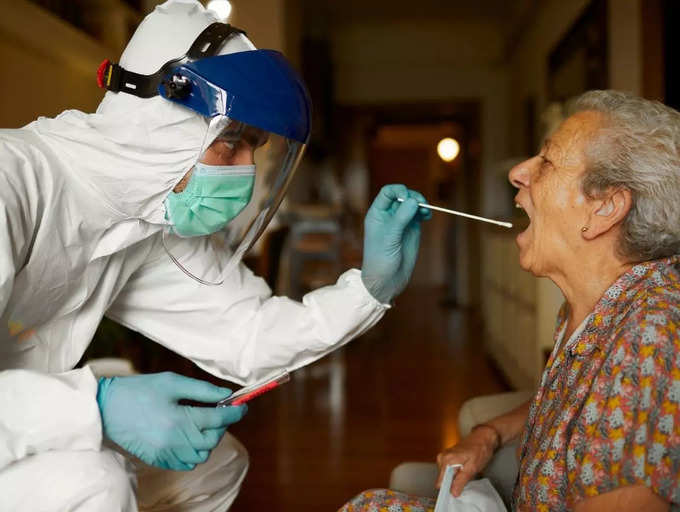
When should you get tested?

Ideally, the incubation period of coronavirus, which is the number of days between when you're infected and when you develop or notice symptoms, can range from 1-14 days, most commonly around 5 days.

As per the World Health Organisation (WHO), "On average it takes five to six days from when someone is infected with the virus for symptoms to show, however it can take up to 14 days."

However, according to early data, the time it takes for an infected person to develop symptoms after an exposure may be shorter for omicron than for previous variants. While US Centres for Disease Control and Prevention has said that people infected with COVID-19 may be most contagious a few days before or after symptoms onset, experts have said that the window may be shorter for Omicron-infected individuals.

Therefore, if you come in close contact with a confirmed COVID-19 patient or start developing symptoms, get yourself tested immediately.

However, the Indian Council of Medical Research (ICMR) Director-General Dr Balram Bhargava said one should avoid taking a COVID test on the first day as the chances of getting a false negative is higher, irrespective of which test you take.

readmore

If you test positive, how long should you isolate?

According to the CDC, "If you test positive, you should isolate for at least 5 days from the date of your positive test (if you do not have symptoms). If you do develop COVID-19 symptoms, isolate for at least 5 days from the date your symptoms began (the date the symptoms started is day 0)."

In India, the ICMR has said that both symptomatic and asymptomatic COVID-19 patients could self-isolate at home for seven days rather than 10 days.

According to the ICMR chief, lateral flow tests, including rapid-antigen and home-antigen tests, can detect COVID-19 from the third day after viral exposure to day eight, while the RT-PCR test can continue to show positive for up to 20 days.


With mild Omicron symptoms, should we let our guards down?
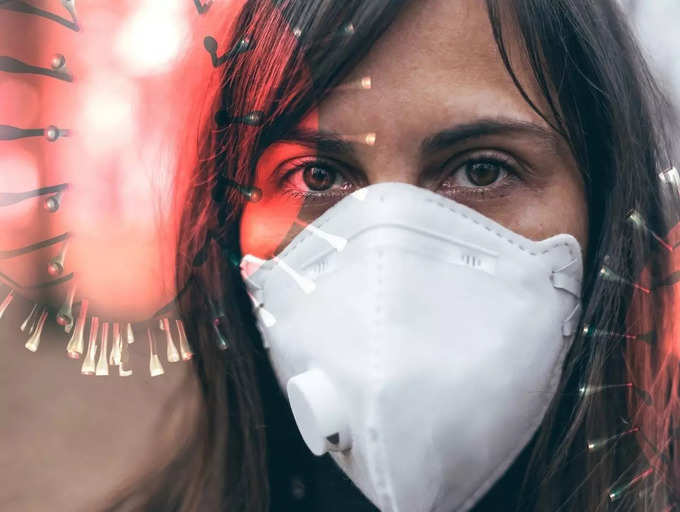
Experts from around the world have warned against taking the new COVID variant lightly. Omicron may be mild, but its high infectious rate is something that has raised concerns around the world.

While the SARs-COV-2 virus is full of surprises, there's no telling what the new variant has in store. That said, it is important that we continue practicing COVID-appropriate behavior and do not let our guards down yet. Wear your masks, maintain social distance, follow proper hygiene and avoid visiting outdoors. 


This is only for your information, kindly take the advice of your doctor for medicines, exercises and so on.   

https://gscrochetdesigns.blogspot.com. one can see my crochet creations  
https://gseasyrecipes.blogspot.com. feel free to view for easy, simple and healthy recipes    
https://kneereplacement-stickclub.blogspot.com. for info on knee replacement


Labels: , , , , , , , , , , , ,

Thursday, January 06, 2022

Is your mask good enough to stop Omicron attack?

Covid cases are shooting up again after a lull and the prime suspect behind the latest wave is the variant, Omicron.

In the few weeks since it was identified in S. Africa, this variant has become notorious for dodging defences—both within the body and around it.  It easily infects people who have been vaccinated or have had Covid before. It also sneaks into spaces you would consider safe.

For e.g., in Hong Kong, it is believes to have spread from one hotel guest to another although they’re staying in separate rooms across a hall and never met.

Scientists say Omicron spreads easily because it grows 70 times faster in respiratory tissue than the Delta variant that caused India’s deadly 2nd wave. So, breathing in even a tiny bit of it may cause an infection. Therefore, it’s time to take a careful look at the mask you’ve been using. Does it have what it takes to keep out Omicron?

Cloth masks

All masks are made from some kind of fabric, even if it’s melt blown plastic, but by ‘cloth’ here we mean one of those light cottony, breathable masks that everybody has amassed through the course of the pandemic.

Last year, amid a worldwide shortage of N95 masks, experts had recommended cloth masks for the general public. The idea was that placing a barrier before your nose and mouth would protect others from any virus in your breath. Cloth masks were NOT meant to protect you from the virus present in the air around.

Now, with a highly infectious variant in the air, it’s probably not a good idea to rely on a cloth mask for safety.

Surgical masks

These lightweight masks are an improvement on ordinary cloth masks. They’re better at trapping germs in your breath, but do not offer much protection to you. Also, they can’t be washed and should be changed regularly to remain effective.

If you use public transport or need to spend time in an enclosed space such as an office, consider wearing something better than a surgical mask.

FFP ( filtering face-piece) masks

The name may be unfamiliar, but we know them as the ‘N” range of masks, especially the N95. They’re made out of a tough material, such as cellulose or plastic, and have high-quality filtering layers. Some also come with exhalation valves for easy breathing, but they’re not recommended in the pandemic because while they protect the wearer, they put others at risk by releasing unfiltered air.

FFP masks are further classified as per the degree of protection they offer.

FFP1-these are meant for trapping coarse particles like dust, and are used by workers in industrial environments. While they’re better than surgical masks, they might not trap virus particles effectively.

FFP2- equivalent to N95, they can trap or filter out about 95% of airborne particles. They’re also classified as KN95 or P2 in some countries. Some studies have shown that an N95 mask offers at least 5 times greater protection than a surgical mask.

For most people, FFP2 or N95 masks offer the best combination of performance and price. But while they offer very good protection, they might not be enough in a highly contaminated environment, such as a hospital ward treating Covid patients.

FFP3- equivalent grade in India is called N99 ( filters 99% of airborne particles), also classified as EN149 or P3. They’re highly effective and trap not only aerosols, but also viruses and bacteria. They’re recommended for high-risk places. A British study found hospitals where doctors and nurses used them had almost zero transmission.

Make your mask more effective

Regardless of the mask you use, you can make it better by ensuring it fits snugly around the mouth and nose. Wearing 2 masks together- usually a snug cloth mask over a surgical mask- also has advantages. By some accounts, double-masking is 95% more effective than a single cloth mask. Lastly, a dry mask is better than a wet mask. In cold weather, talking causes vapour in your breath to condense on the inside of your mask. So, silence is golden while Omicron wave lasts.

 
This is only for your information, kindly take the advice of your doctor for medicines, exercises and so on.   

https://gscrochetdesigns.blogspot.com. one can see my crochet creations  
https://gseasyrecipes.blogspot.com. feel free to view for easy, simple and healthy recipes    
https://kneereplacement-stickclub.blogspot.com. for info on knee replacement

Labels: , , , , , , , , ,